
WV DUI Reinstatement for Rideshare: Court vs DMV Timing Gaps
Free to compare
Why West Virginia's dual-track DUI reinstatement process delays rideshare drivers
West Virginia operates two parallel DUI reinstatement systems that process independently. Your circuit court handles the criminal DUI conviction and issues clearance once you complete sentencing requirements. The WV DMV administers the administrative license revocation under WV Code §17C-5A and controls access to the Alcohol Test and Lock Program (ATLP), which is how you get driving privileges back with mandatory ignition interlock.
Most rideshare drivers assume court clearance automatically triggers DMV reinstatement. It does not. The DMV receives court notifications electronically, but processing delays of 15-30 days are common. If you file SR-22 insurance and attempt ATLP enrollment before the DMV's system reflects your completed court requirements, your application gets flagged as incomplete and you restart the clock.
Rideshare platforms require continuous driving eligibility. Lyft and Uber both run annual background checks that include DMV record pulls. A gap between court clearance and DMV reinstatement shows as an active suspension in their systems, which can trigger deactivation even after you've satisfied every court requirement. The timing coordination matters for platform compliance, not just legal driving.
How ATLP enrollment works and when you can actually file SR-22
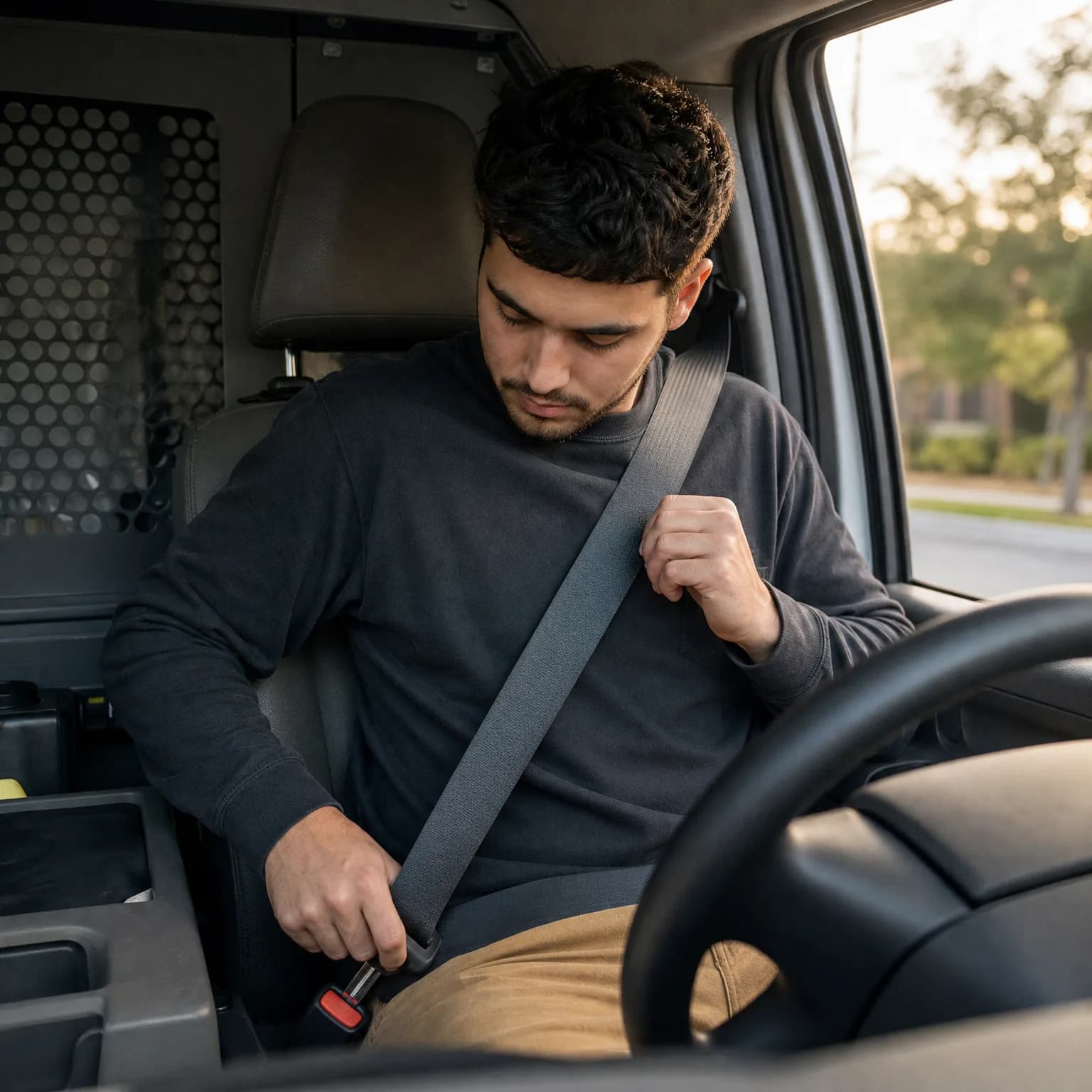
West Virginia's ATLP requires ignition interlock device installation before the DMV issues any restricted driving privileges for DUI suspensions. You cannot file SR-22 until your IID provider submits installation verification to the DMV and your ATLP application shows approved status in the state's monitoring system.
The sequence is rigid: complete court-ordered requirements (DUI education, substance abuse assessment, probation compliance), wait for court clearance to post to the DMV system, schedule IID installation with a state-certified provider, submit ATLP application with proof of installation, then file SR-22 once ATLP enrollment is confirmed active. Filing SR-22 before ATLP approval wastes the filing fee because the DMV will reject your reinstatement packet and your carrier will have already processed the certificate.
Most carriers charge $15-$35 to file SR-22 in West Virginia, and refiling after a rejection requires paying the fee again. Some carriers allow you to delay the submission date when you purchase the policy, which lets you lock in coverage rates before ATLP approval without triggering the DMV rejection. Ask your carrier specifically whether they offer delayed SR-22 filing—this option isn't advertised but most non-standard carriers support it for ATLP cases.


Court clearance verification: what rideshare drivers miss
Circuit courts in West Virginia issue a completion certificate or compliance letter once you finish DUI sentencing requirements. This document confirms you've paid fines, completed education programs, and satisfied probation conditions. The court electronically transmits this clearance to the DMV, but the transmission and DMV data entry are not instantaneous.
Call the WV DMV Driver Services Division at 304-926-3801 before scheduling IID installation. Ask whether your court clearance has posted to your driving record. The representative can see pending updates in the system that aren't yet visible on your public driving record abstract. If clearance hasn't posted, ask for the expected processing date—most counties transmit within 10 business days, but rural circuit courts sometimes batch transmissions weekly.
Rideshare drivers often schedule IID installation immediately after receiving court clearance, assuming DMV coordination is automatic. Then the ATLP application gets denied for incomplete court compliance, the IID sits unused accruing monthly monitoring fees ($60-$90/month in West Virginia), and the driver waits another 15-30 days for the DMV backlog to clear. Verify DMV system status before you pay for installation.

Line Up Coverage Before Your License Comes Back
Get Back on the RoadSR-22 filing duration and how it affects rideshare insurance costs
West Virginia requires 3 years of continuous SR-22 filing after DUI reinstatement, measured from the date your license is reinstated, not from your conviction date or ATLP enrollment date. If your ATLP restricted license is issued January 1st, your SR-22 filing obligation runs through December 31st three years later.
Rideshare drivers need coverage that satisfies both state SR-22 requirements and platform liability minimums. Uber and Lyft require $50,000/$100,000/$25,000 liability coverage as a condition of driving, which exceeds West Virginia's statutory minimum of $25,000/$50,000/$25,000. Your SR-22 policy must meet the higher platform threshold or the platform will deactivate your account even if the state considers you compliant.
Monthly premiums for SR-22 coverage after DUI typically range $140-$220/month in West Virginia, depending on your age, county, and whether you need non-owner coverage during ATLP restricted driving or full coverage once your unrestricted license is reinstated. Non-owner SR-22 policies cost less ($85-$140/month) but only cover you when driving vehicles you don't own—ATLP restricted license holders often use non-owner policies during the interlock period, then switch to standard policies once full reinstatement is granted. Estimates based on available industry data; individual rates vary by driving history, coverage selections, and location.

ATLP restricted license limitations and rideshare platform conflicts
The ATLP restricted license allows driving to and from work, medical appointments, school, court-ordered obligations, and alcohol treatment programs. West Virginia DMV defines permissible destinations on your restricted license certificate. Rideshare driving is employment, so ATLP technically permits it—but the routes are unpredictable and don't fit the defined home-to-work corridor most restricted licenses specify.
Lyft and Uber both require background check disclosure of license restrictions. Some county DMV offices interpret ATLP work authorization narrowly and will not approve rideshare driving as a permissible employment purpose because the destination addresses change with each passenger request. Other offices approve it without issue. This inconsistency creates enforcement risk—if a trooper stops you during an active ride and your restricted license certificate doesn't list rideshare as approved employment, you've violated your ATLP terms and face immediate revocation.
Call the county DMV office where you'll file your ATLP application before you pay the $50 reinstatement fee and ask whether rideshare driving qualifies as approved employment under your restricted license. If the answer is no, you'll need to wait for full unrestricted reinstatement before reactivating your driver account. ATLP violations trigger a return to full suspension with no hardship options, which means coordinating platform compliance with DMV interpretation isn't optional.

What to do right now if you're clearing a DUI suspension for rideshare work
Confirm your court clearance has posted to the WV DMV system before scheduling ignition interlock installation. Call 304-926-3801 and ask a representative to check your driving record for pending compliance updates. Write down the representative's name and the date clearance is expected to appear in the system.
Schedule IID installation only after DMV confirms court compliance is visible in their records. West Virginia certifies providers through the ATLP program—the DMV website lists approved vendors by county. Installation costs $70-$150, and monthly monitoring fees run $60-$90. Ask the provider whether they submit installation verification electronically to the DMV or whether you need to carry a paper certificate to your ATLP application appointment.
File your ATLP application at your county DMV office with proof of IID installation, your court clearance certificate, and payment for the $50 reinstatement fee. Once ATLP enrollment is approved and your restricted license is issued, contact an SR-22 carrier and request a policy effective date that matches your ATLP approval date. Verify with the carrier that they file SR-22 electronically with the WV DMV—paper filings add 7-10 days to processing.
Ask your county DMV explicitly whether rideshare driving qualifies as approved employment under your ATLP restricted license before you notify Lyft or Uber that you've reinstated. If rideshare isn't approved, wait for full unrestricted reinstatement. The IID requirement typically lasts 6-12 months for a first DUI offense under WV Code §17C-5A-3a, after which you can apply for full license reinstatement if you've maintained ATLP compliance. Your SR-22 filing obligation continues for 3 years from reinstatement regardless of when the interlock is removed.
Frequently Asked Questions
Can I drive for Uber or Lyft with a West Virginia ATLP restricted license?
It depends on your county DMV's interpretation of approved employment purposes. Some WV counties approve rideshare driving under ATLP work authorization, others don't because passenger destinations are unpredictable. Call your county DMV office before applying and ask specifically whether rideshare qualifies—if it's not approved, driving for platforms during your restricted license period violates ATLP terms and triggers immediate revocation.
How long does it take for court clearance to show up in the WV DMV system?
Most West Virginia circuit courts transmit DUI completion certificates to the DMV within 10 business days, but processing delays of 15-30 days are common depending on county volume. Call WV DMV Driver Services at 304-926-3801 to verify whether your clearance has posted before scheduling ignition interlock installation or filing your ATLP application.
What happens if I file SR-22 before my ATLP application is approved?
The DMV will reject your reinstatement packet because ATLP enrollment must show active status before SR-22 filing is processed. You'll pay the SR-22 filing fee ($15-$35 in West Virginia) twice—once for the rejected filing and again after ATLP approval. Some carriers allow delayed SR-22 submission dates, which lets you purchase coverage and lock in rates without triggering the premature filing.
Do I need SR-22 insurance during my ATLP restricted license period?
Yes. West Virginia requires continuous SR-22 filing for 3 years starting from your reinstatement date, which includes the entire ATLP restricted license period and continues after full unrestricted reinstatement. Your SR-22 policy must meet platform liability minimums ($50,000/$100,000/$25,000 for Uber and Lyft) even during the restricted period, or the platform will deactivate your account.
How much does ignition interlock cost in West Virginia and who pays for it?
Installation costs $70-$150 and monthly monitoring fees run $60-$90 in West Virginia. You pay all IID costs directly to the state-certified provider—insurance doesn't cover it and the DMV doesn't subsidize it. If you're required to maintain the device for 12 months, total cost is approximately $800-$1,200 before your restricted license converts to full reinstatement.
Can I switch from non-owner SR-22 to regular coverage after ATLP ends?
Yes. Most drivers use non-owner SR-22 during the ATLP restricted license period ($85-$140/month in West Virginia) because they don't own a vehicle or can't drive except for approved routes. Once full reinstatement is granted and you purchase a vehicle for rideshare work, you switch to a standard SR-22 policy with full coverage. Your 3-year SR-22 filing obligation continues uninterrupted through the switch.
What is the WV DMV reinstatement fee for DUI suspensions?
$50 base reinstatement fee plus any court-ordered fines and a separate DUI-specific reinstatement fee that varies by offense count. Verify the total amount with WV DMV before your ATLP application appointment—unpaid fees block reinstatement even if all other requirements are satisfied.
Related Articles

WV Lapse Suspension: Rideshare Court-DMV Timing
5/3/2026

WV Warrant Suspension: SR-22 Timing for Rideshare Drivers
5/3/2026
WV Rideshare DUI Reinstatement: SR-22 & Lapse Gaps
5/3/2026

WV Failure-to-Appear Reinstatement: Court vs DMV Timing
5/3/2026

WV DUI Reinstatement Timing for College Students
5/3/2026
Vermont DUI Rideshare Reinstatement: Court-DMV Gap
5/3/2026