
Virginia DUI Reinstatement for College Students: Court and DMV Timing
Free to compare
Why Your Court Clearance Doesn't Immediately Lift Your Virginia DMV Suspension
Virginia operates two parallel reinstatement tracks after a DUI conviction: court compliance and DMV administrative processing. Completing your VASAP program, paying court fines, and receiving a completion certificate from the judge does not automatically clear your DMV suspension record. The court submits clearance documentation to DMV separately, and DMV posts that clearance to your driving record on its own timeline—typically 7-14 business days after the court transmits the order, but sometimes longer during peak processing periods or if paperwork contains errors.
Most college students assume finishing court requirements means they can file FR-44 insurance and walk into DMV the next day to reinstate. Virginia law requires DMV to verify court compliance before accepting your reinstatement application. If you file FR-44 before DMV's system shows court clearance posted, your carrier transmits the filing to DMV, DMV runs the compliance check, finds no posted clearance, and places your reinstatement application in a verification hold queue. That hold adds 30-45 days to your timeline because DMV won't process the FR-44 until court records sync—and the sync happens when it happens, not when you need it to.
The gap widens during academic breaks. Courts in Charlottesville, Blacksburg, and Harrisonburg see higher DUI case volume during fall and spring semesters. When dozens of students finish VASAP in the same two-week window before summer break, court clerks batch-process compliance orders, and DMV receives them in waves. If your court order lands in a processing backlog, your reinstatement sits in limbo even though you completed every requirement on time.
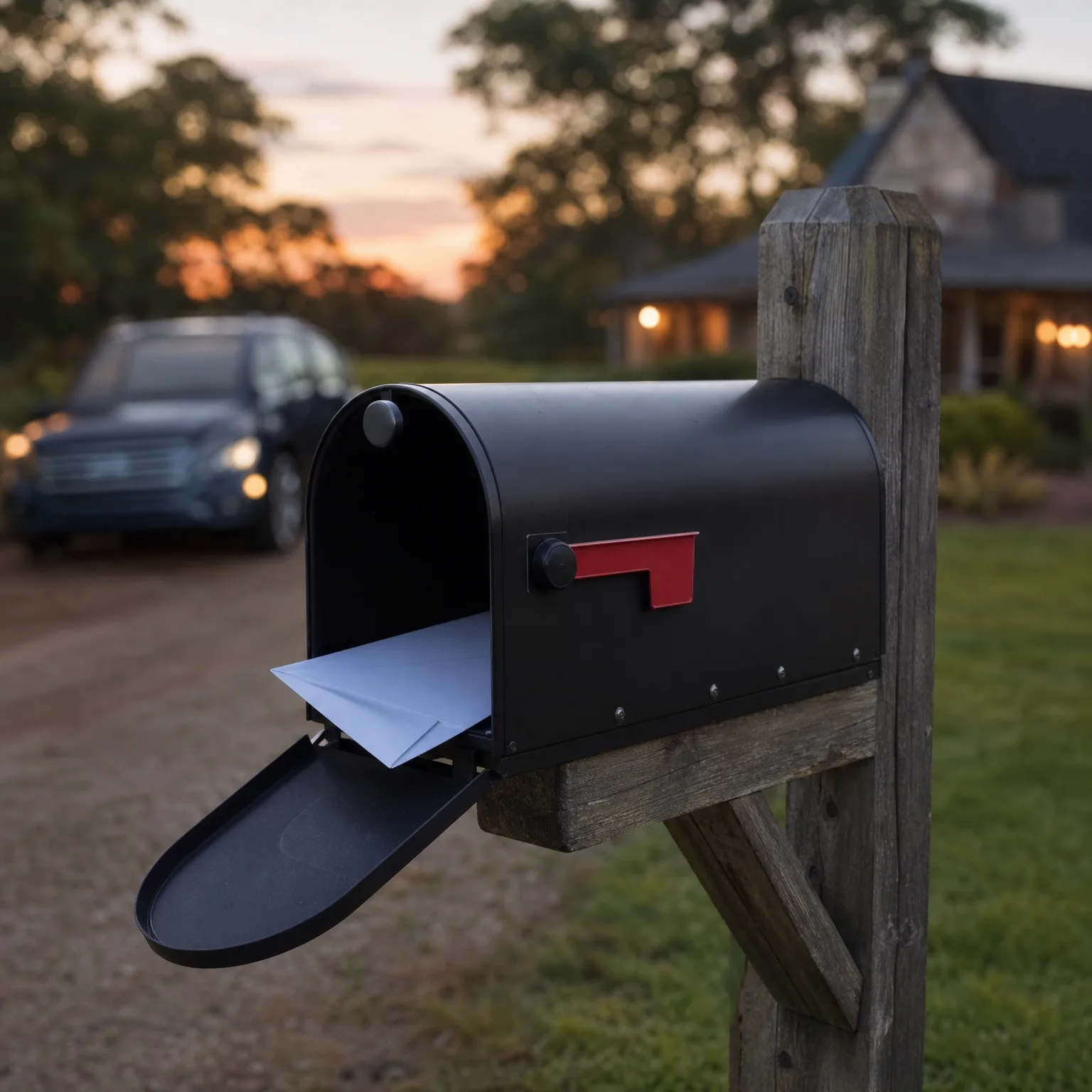
How Virginia's FR-44 Filing Requirement Complicates Student Reinstatement Timing
Virginia is one of two states that requires FR-44 certification instead of SR-22 for DUI offenses. FR-44 mandates higher liability coverage limits than standard SR-22: $60,000 bodily injury per person, $120,000 per accident, and $40,000 property damage. Most college students carry minimum liability or are listed on a parent's policy. FR-44 forces you into a high-risk standalone policy, and carriers won't file FR-44 until you purchase that policy and pay the first month's premium in full.
The filing process introduces a second timing gap. You buy the FR-44 policy, your carrier transmits the filing to DMV electronically, and DMV posts the FR-44 to your record within 24-72 hours under normal conditions. But if DMV's system doesn't yet show your court clearance when the FR-44 arrives, the filing goes into the verification hold queue described above. Your carrier shows the policy as active and the FR-44 as filed. DMV's system shows the FR-44 as pending verification. You can't reinstate until DMV clears the hold, and DMV won't clear it until court compliance posts.
This creates a coordination problem most students don't anticipate. You need continuous FR-44 coverage from the date DMV processes your reinstatement through three years from your conviction date. Filing too early doesn't shorten that requirement—it just delays processing. Filing too late means you're paying for coverage you can't use yet. The optimal window is narrow: file FR-44 within 3-5 business days after confirming your court clearance posted to DMV's online record, not after receiving your court completion certificate.

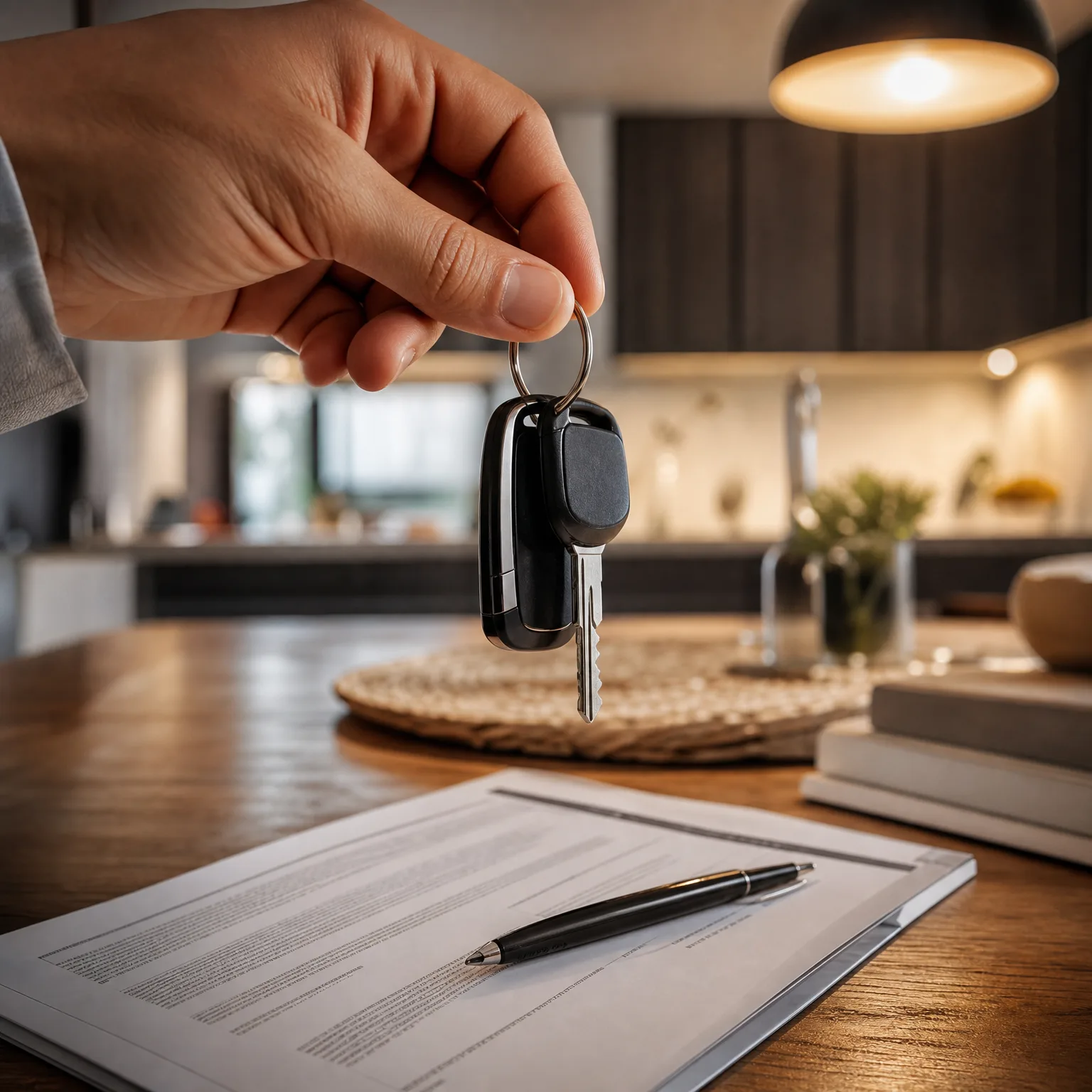
What Court Clearance Actually Means in Virginia DUI Cases
Court clearance is not a single document. Virginia judges issue a completion order after you finish VASAP, pay all fines and costs, complete community service hours if ordered, and satisfy probation conditions. That order goes to the court clerk, who enters it into the case management system. The clerk then generates a separate compliance notice to DMV, usually through Virginia's electronic case filing system, but sometimes via physical mail for smaller jurisdictions.
The notice tells DMV you satisfied court-ordered conditions. It does not tell DMV to reinstate your license—that's a separate administrative process you initiate by submitting a reinstatement application, paying the $145 reinstatement fee, and filing FR-44. Court clearance removes one barrier to reinstatement. It doesn't trigger reinstatement automatically.
College students frequently misunderstand this distinction because VASAP staff, defense attorneys, and even some court clerks use the term "clearance" loosely. Your attorney might say you're "cleared" after the judge signs the completion order. VASAP might say you're "cleared" after you finish your last education session. Neither statement means DMV received official notice. Always verify court clearance posted to your DMV driving record before filing FR-44—you can check this through Virginia DMV's online transcript request system or by calling DMV customer service at 804-497-7100 with your driver's license number and case number.
How to Verify DMV Received Your Court Clearance Before Filing FR-44
Log into Virginia DMV's online services portal and request a driver transcript. The transcript shows your full suspension history, current status, and any posted compliance records. Look for an entry labeled "Court Compliance Posted" or "VASAP Completion Posted" with a date matching or following your court completion order date. If that entry appears, DMV received the clearance and you can proceed with FR-44 filing. If it doesn't appear within 14 business days of your court completion date, contact the court clerk where your case was heard and ask them to confirm they transmitted the compliance notice to DMV.
Some Virginia courts still mail paper compliance notices instead of filing electronically. Paper notices take longer—sometimes 3-4 weeks from the date the judge signs the order until DMV posts it. If your court mailed the notice, ask the clerk for the mailing date and tracking information if available. DMV processes mailed notices in the order received, so a delay at the court's end extends your timeline even if you did everything correctly.
If you're attending college out-of-state and can't easily visit a Virginia DMV office, the online transcript is your most reliable tool. The transcript updates daily and reflects the same data DMV staff see when processing reinstatement applications. Do not rely on your attorney's confirmation that the case is closed or VASAP's confirmation that you completed the program—those are necessary conditions but not sufficient proof that DMV can process your FR-44 filing.

Line Up Coverage Before Your License Comes Back
Get Back on the Road
What Happens If You File FR-44 Before Court Clearance Posts to DMV
Your carrier files FR-44 electronically. DMV receives it, runs an automated compliance check against your driving record, sees no posted court clearance, and places your filing in a pending verification queue. DMV does not notify you that your filing is on hold. Your carrier does not notify you because their system shows the filing as successfully transmitted. You assume everything is processing normally until you try to complete reinstatement and discover the hold.
The verification queue is not a rejection. DMV doesn't cancel your FR-44 or require you to refile. The filing sits in the queue until DMV's nightly batch process detects that court clearance posted to your record, at which point the system automatically releases the hold and moves your reinstatement application to the next processing stage. In practice, this means a 30-45 day delay from the date court clearance posts—not from the date you filed FR-44.
Most college students discover the hold when they visit DMV to pay the reinstatement fee and receive a notice that their application cannot be processed due to pending court verification. By that point, you've already paid for FR-44 coverage you can't use for reinstatement, and you're locked into the three-year filing period starting from a date earlier than necessary. This doesn't violate any law or regulation—it's just an expensive timing mistake that extends your high-risk insurance obligation and delays your ability to drive legally on campus.

How to Time FR-44 Filing to Avoid the Verification Hold
Wait until you confirm court clearance posted to your DMV driving record. Then contact three to five carriers that write FR-44 policies in Virginia. Request quotes for the minimum required coverage: $60,000/$120,000/$40,000 liability. Most carriers require payment in full for the first policy term, typically one or six months. Purchase the policy, confirm the carrier will file FR-44 electronically with DMV within 24 hours, and obtain written confirmation of the filing date.
Once FR-44 posts to your DMV record, schedule a DMV appointment or visit a customer service center to submit your reinstatement application. Bring your driver's license, the court completion order, proof of FR-44 filing (your carrier provides a filing confirmation document), and payment for the $145 reinstatement fee. If your license is also under an ignition interlock requirement, bring proof of IID installation from your interlock provider—DMV won't process reinstatement without it.
DMV processes the application, verifies court clearance and FR-44 are both posted, collects the fee, and issues a new credential if you're eligible. The entire process takes 15-30 minutes if all documentation is in order. If you're returning to campus out-of-state and can't visit a Virginia DMV office easily, you can mail the reinstatement application, but processing times stretch to 4-6 weeks and you risk additional delays if any document is missing or incorrect.
What This Means for Students Returning to Campus Mid-Semester
If your DUI conviction and VASAP completion fall during the academic year, the timing gap can prevent you from driving legally during critical periods. Fall semester DUI cases often resolve in late December or early January. If you finish VASAP during winter break, court clearance might not post until mid-January, and FR-44 processing might not complete until early February—weeks after you return to campus.
Virginia does not offer restricted or hardship licenses for DUI offenders during the administrative suspension period following conviction. You cannot drive legally in Virginia until full reinstatement completes, even for school or work purposes. This distinguishes Virginia from states like Texas, Illinois, and California, which allow occupational or restricted licenses during DUI suspension periods. If you need to drive for internships, clinical rotations, or campus jobs, the only legal option is full reinstatement—and full reinstatement requires navigating the court-DMV timing gap correctly.
Some students try to expedite the process by filing FR-44 immediately after the judge signs the completion order, hoping DMV will process everything by the time they return to school. This approach usually backfires because the verification hold adds more delay than waiting for court clearance to post first. The safest strategy is to monitor your DMV transcript daily starting seven business days after your court completion date, file FR-44 as soon as clearance posts, and plan for an additional 10-14 days before you can complete reinstatement at a DMV office.
Frequently Asked Questions
How long does it take for Virginia DMV to post court clearance after I finish VASAP?
Virginia DMV typically posts court clearance 7-14 business days after the court transmits the completion order. Courts in Charlottesville, Blacksburg, and Harrisonburg sometimes batch-process completion orders during peak periods at semester breaks, which can extend posting time to 3-4 weeks. Always verify clearance posted to your DMV driving record before filing FR-44 to avoid a verification hold.
Can I file FR-44 before my court case closes to speed up reinstatement?
No. Filing FR-44 before DMV posts court clearance places your reinstatement application in a verification hold queue for 30-45 days. Virginia DMV won't process FR-44 until its system confirms you satisfied all court-ordered conditions. Wait until you verify court clearance posted to your DMV transcript, then file FR-44 within 3-5 business days.
Does Virginia offer a restricted license for college students during DUI suspension?
No. Virginia does not issue restricted, hardship, or occupational licenses for DUI offenders during the administrative suspension period following conviction. You cannot drive legally in Virginia until you complete full reinstatement, which requires court clearance, FR-44 filing, ignition interlock installation if ordered, and payment of the $145 reinstatement fee.
What happens if I move out of Virginia while my license is still suspended for DUI?
Most states honor Virginia's DUI suspension through the Driver License Compact. You cannot obtain a new license in another state until you satisfy Virginia's reinstatement requirements, including FR-44 filing and court clearance. If you move permanently, you must maintain Virginia FR-44 coverage for three years from your conviction date even after obtaining an out-of-state license.
How much does FR-44 insurance cost for college students in Virginia?
FR-44 premiums for college students typically range from $180-$320/month depending on age, location, and whether the DUI involved a BAC above 0.15. Carriers require higher liability limits than standard policies: $60,000/$120,000/$40,000. Most require full payment for the first policy term, and you must maintain continuous FR-44 coverage for three years from your conviction date.
Can I check my court clearance status online or do I have to visit DMV?
You can verify court clearance posted to your record through Virginia DMV's online driver transcript service. Log in with your license number, request a full transcript, and look for an entry labeled "Court Compliance Posted" or "VASAP Completion Posted." The transcript updates daily and shows the same data DMV staff see when processing reinstatement applications.
What documents do I need to bring to DMV for reinstatement after a Virginia DUI?
Bring your driver's license, the court completion order, FR-44 filing confirmation from your carrier, proof of ignition interlock installation if required, and payment for the $145 reinstatement fee. If any document is missing or court clearance hasn't posted to DMV's system, your application will be delayed. Verify all requirements before scheduling your DMV appointment.
Related Articles

VA Insurance Lapse Suspension: Court & DMV Timing
5/3/2026

VA CDL DUI Reinstatement: Court-DMV Verification Gap
5/3/2026

DC DUI Reinstatement Timing: Court vs DMV Clearance
5/3/2026

VA DUI Reinstatement for Rideshare: Court Clearance Timing
5/3/2026

WV DUI Reinstatement Timing for College Students
5/3/2026

Virginia Lapse Suspension: Court & DMV Clearance Timing
5/3/2026