
Vermont DUI Reinstatement for College Students: SR-22 Timing
Free to compare
Why Vermont's DUI Restoration Process Stalls for Students Who File SR-22 on Time
Vermont DMV requires proof of SR-22 filing and proof of enrollment in an approved alcohol education program before scheduling your restoration hearing. Both requirements run on separate timelines with different agencies, and neither agency coordinates with the other. College students typically handle SR-22 through their insurance carrier within days of conviction, then assume the restoration process moves forward automatically.
It doesn't. The Department of Motor Vehicles will not schedule your hearing until the Court Diversion Program or another approved alcohol education provider submits enrollment verification to DMV. That verification often takes 3-4 weeks after you complete intake, and intake appointments themselves book 2-4 weeks out during fall and spring semesters when student demand peaks.
Most students discover this gap when they call DMV 4-6 weeks after filing SR-22, expecting to schedule a hearing, and learn their file shows SR-22 compliance but no education program enrollment. By then, they've already lost the semester commute window they were planning around.

The Two-Agency Timeline Vermont Doesn't Publish in One Place
Your SR-22 must be filed by your insurance carrier directly with Vermont DMV before your restoration hearing. Most carriers submit electronically within 24-72 hours of policy purchase. That timeline is predictable.
Your alcohol education program enrollment follows a completely different process. You contact an approved provider — typically Court Diversion or a private counseling center certified by the Department of Health — schedule an intake appointment, attend the intake, and wait for the provider to submit enrollment verification to DMV. Vermont statute requires this verification before DMV will calendar your hearing, but DMV does not publish provider intake lead times or verification submission timelines on their website.
The gap: SR-22 filing takes days. Education program enrollment verification takes weeks. Students treat them as simultaneous requirements because DMV lists them on the same restoration checklist, but the backend processing runs sequentially. If you file SR-22 on Monday and don't contact an education provider until you receive SR-22 confirmation, you've added 4-6 weeks to your timeline that could have run concurrently.


What Happens If You Lapse SR-22 Before Your Restoration Hearing
Vermont requires continuous SR-22 coverage from the date of filing through the entire restoration process and for 3 years after your license is restored. If your policy lapses for any reason — nonpayment, cancellation, switching carriers without overlapping coverage — your insurance company must notify Vermont DMV within 10 days.
DMV treats an SR-22 lapse as immediate grounds to cancel any pending restoration hearing and extend your suspension. If your hearing was scheduled, it will be removed from the calendar. If your hearing already occurred and you were approved for restoration, the approval is voided and you must restart the process from the beginning, including re-enrollment in the alcohol education program.
College students lapse most often during summer breaks when they return home out of state, assume their parents' policy covers them, and cancel their Vermont non-owner SR-22 policy to save money. Vermont does not distinguish between coverage types or living situations — your SR-22 filing obligation continues regardless of where you live or whether you own a vehicle.
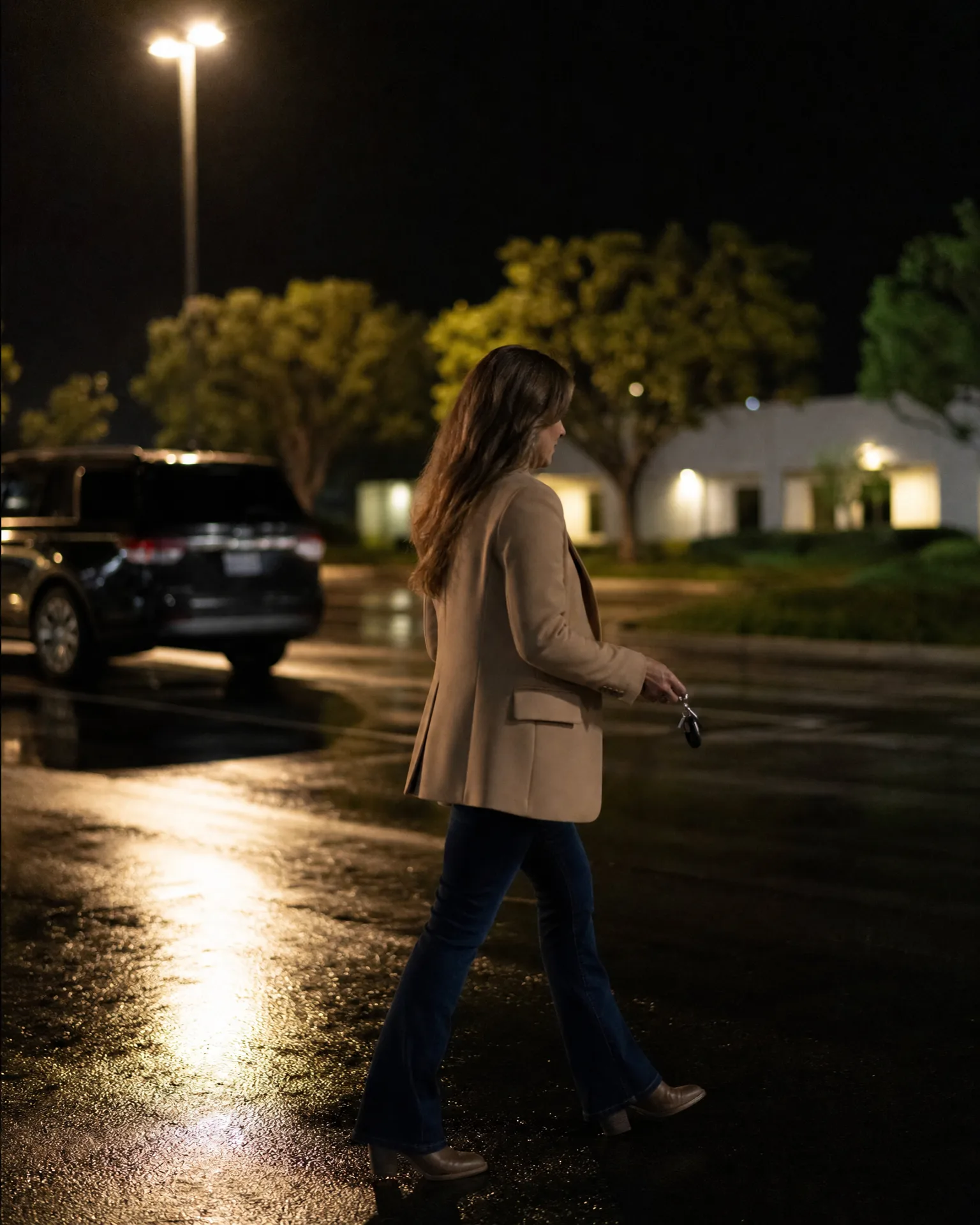
Line Up Coverage Before Your License Comes Back
Get Back on the RoadHow to Coordinate SR-22 and Education Enrollment Without Adding Weeks
File SR-22 and contact your alcohol education provider the same week, ideally the same day. Do not wait for SR-22 confirmation before scheduling intake. The education provider does not need proof of SR-22 to book your intake appointment, and intake appointments are the bottleneck, not SR-22 processing.
When you call the education provider, ask two specific questions: how far out is the next available intake appointment, and how long after intake does enrollment verification typically post to DMV? Most providers answer both honestly. If intake is 3 weeks out and verification takes another 2 weeks, you now know your restoration hearing cannot be scheduled for at least 5 weeks — regardless of when your SR-22 posts.
If you're a full-time student living on campus without a vehicle, ask your insurance agent specifically about non-owner SR-22 policies. These policies satisfy Vermont's SR-22 filing requirement without requiring you to own or register a car. Rates typically run $30-$60/month depending on your age and county, significantly less than standard auto policies college students don't need.

What Vermont's Restoration Hearing Actually Evaluates
The restoration hearing is not automatic approval. A DMV hearing officer reviews your SR-22 filing status, education program enrollment verification, court compliance documentation, and any subsequent violations or incidents since your DUI conviction. The hearing is your opportunity to demonstrate you've met statutory requirements and can safely resume driving.
College students often assume the hearing is a formality if SR-22 and education enrollment are verified. It's not. The hearing officer has discretion to deny restoration or impose additional conditions — restricted license with mileage limitations, ignition interlock device requirement, or delayed restoration timeline — if your record shows risk factors beyond the original DUI.
Common denial reasons for student applicants: subsequent alcohol-related incidents on campus (even non-driving), incomplete education program attendance after enrollment, gaps in SR-22 coverage between filing and hearing date, or outstanding court fees related to the original conviction. Verify every component is complete and current before your scheduled hearing date.
How Long You'll Maintain SR-22 After Reinstatement
Vermont requires 3 years of continuous SR-22 filing from the date your license is restored, not from the date of conviction or the date you first filed SR-22. If your suspension lasted 6 months and you filed SR-22 2 months into the suspension, your 3-year clock starts on the day DMV issues your restored license, not the day your carrier first filed.
This distinction matters for students planning around graduation, relocation, or vehicle ownership changes. A student suspended junior year and restored senior year will carry SR-22 filing obligations for 3 years post-graduation, regardless of where they move or whether they own a vehicle. Vermont's SR-22 requirement follows the driver, not the vehicle or the state of residence.
If you move out of state during your SR-22 filing period, contact your insurance carrier immediately. Some states recognize Vermont's SR-22 filing and allow you to transfer coverage. Others require you to maintain a Vermont-based policy or file equivalent documentation in your new state. Letting your Vermont SR-22 lapse because you moved will trigger a notice to Vermont DMV, which can result in re-suspension of your Vermont driving privileges even if you no longer live there.
Frequently Asked Questions
Can I get my Vermont license back before completing my alcohol education program?
No. Vermont DMV will not schedule a restoration hearing until your education provider submits enrollment verification, and the hearing officer will not approve restoration until you've completed the full program. Enrollment verification only confirms you've started — completion is required before restoration approval.
Does Vermont require SR-22 if I don't own a car?
Yes. Vermont's SR-22 requirement applies to the driver, not the vehicle. If you don't own a car, you'll need a non-owner SR-22 policy, which provides liability coverage when you drive vehicles you don't own and satisfies the state's filing requirement.
What happens if I miss an alcohol education class after I'm already enrolled?
Your education provider will notify Vermont DMV of non-compliance, which can delay or cancel your restoration hearing. If your hearing was already scheduled, it will be removed from the calendar. Most providers allow one makeup session, but repeated absences typically require re-enrollment from the beginning.
Can I switch insurance carriers during my SR-22 filing period in Vermont?
Yes, but you must ensure continuous coverage with zero gap between policies. Your old carrier files an SR-22 cancellation notice with DMV the day your policy ends. Your new carrier must file a new SR-22 the same day or earlier. Any gap — even one day — triggers a lapse notice and extends your suspension.
Do I need SR-22 if I move out of Vermont before my 3-year filing period ends?
Yes. Your SR-22 filing obligation to Vermont DMV continues for the full 3 years regardless of where you live. Some states allow you to transfer SR-22 filing to your new state, but you must maintain compliance with Vermont's requirement until the 3-year period expires or your Vermont license will be re-suspended.
How much does SR-22 insurance cost for college students in Vermont?
Non-owner SR-22 policies for students typically cost $30-$80/month depending on age, county, and the details of your DUI conviction. If you own a vehicle, expect $120-$250/month for liability coverage with SR-22 filing. Rates decrease as you age and as time passes from your conviction date without new violations.
Related Articles

Vermont DUI Reinstatement: Court vs DMV Timeline
5/3/2026

MA DUI Reinstatement for Students: SR-22 Filing Timing
5/3/2026

Vermont FTA Suspension: SR-22 Timing for Students
5/3/2026

Vermont DUI Reinstatement for Single Parents: SR-22 Filing
5/3/2026

Vermont DUI Reinstatement for Single Parents
5/3/2026

RI DUI Reinstatement for Students: Court & DMV Timing
5/3/2026