
Rhode Island DUI Reinstatement for Students: Court and DMV Timing
Free to compare
Why Your Court Clearance Must Post to DMV Before SR-22 Filing
Rhode Island operates a dual-track DUI reinstatement system split between Traffic Tribunal or Superior Court and the DMV Operator Control Unit. Your court handles the criminal conviction, education program requirements, and payment of court fines. The DMV handles license reinstatement, SR-22 verification, and ignition interlock device coordination. These agencies do not share systems in real time.
Most college students facing their first DUI suspension assume filing SR-22 and paying the $30 DMV reinstatement fee starts the clock. It does not. The DMV Operator Control Unit will not process your SR-22 certificate or reinstatement application until your court clearance appears in their database. That court-to-DMV transmission can take 30-45 days after your final court appearance, and the DMV provides no tracking system to confirm when it posts.
If you file SR-22 before court clearance posts, your carrier submits the certificate to a DMV system that has no open reinstatement case for you. The SR-22 sits unprocessed. You pay premiums. You wait. Nothing happens until you call the Operator Control Unit, discover the court paperwork never posted, and restart the entire sequence.

The Three-Entity Sequence Rhode Island Requires
Rhode Island DUI reinstatement follows this mandatory order: court clearance submission, DMV database update, SR-22 filing and ignition interlock installation, then reinstatement application processing. Each step depends on the prior step completing. Skipping ahead or filing simultaneously does not accelerate the timeline.
Your court — Traffic Tribunal for most first-offense DUIs under RIGL § 31-27-2, Superior Court for refusals or higher-BAC cases — must send formal clearance documentation to the DMV Operator Control Unit confirming you completed all sentencing requirements: fines paid, DUI education program enrollment verified, community service hours logged if ordered. That clearance is sent by the court clerk, not by you, and Rhode Island does not provide a tracking portal college students can check to confirm transmission.
Once court clearance posts to the DMV system, the Operator Control Unit opens a reinstatement case file. Only then will they accept SR-22 certificate filing. Only then will they process payment of the $30 base reinstatement fee. If your suspension involved multiple concurrent violations — uninsured driving under RIGL § 31-47 plus DUI, for example — Rhode Island charges a separate reinstatement fee for each cause, meaning you may owe more than $30 total.
Ignition interlock device installation must occur before hardship license issuance or full reinstatement for most DUI cases. Rhode Island law requires the IID provider to submit installation verification directly to the DMV. That verification must appear in the DMV database alongside your court clearance and SR-22 filing before reinstatement is granted. These three submissions — court clearance, SR-22, IID verification — operate as parallel requirements with no single coordinating entity managing the timeline for you.

How College Students Lose 30-45 Days Filing in the Wrong Order
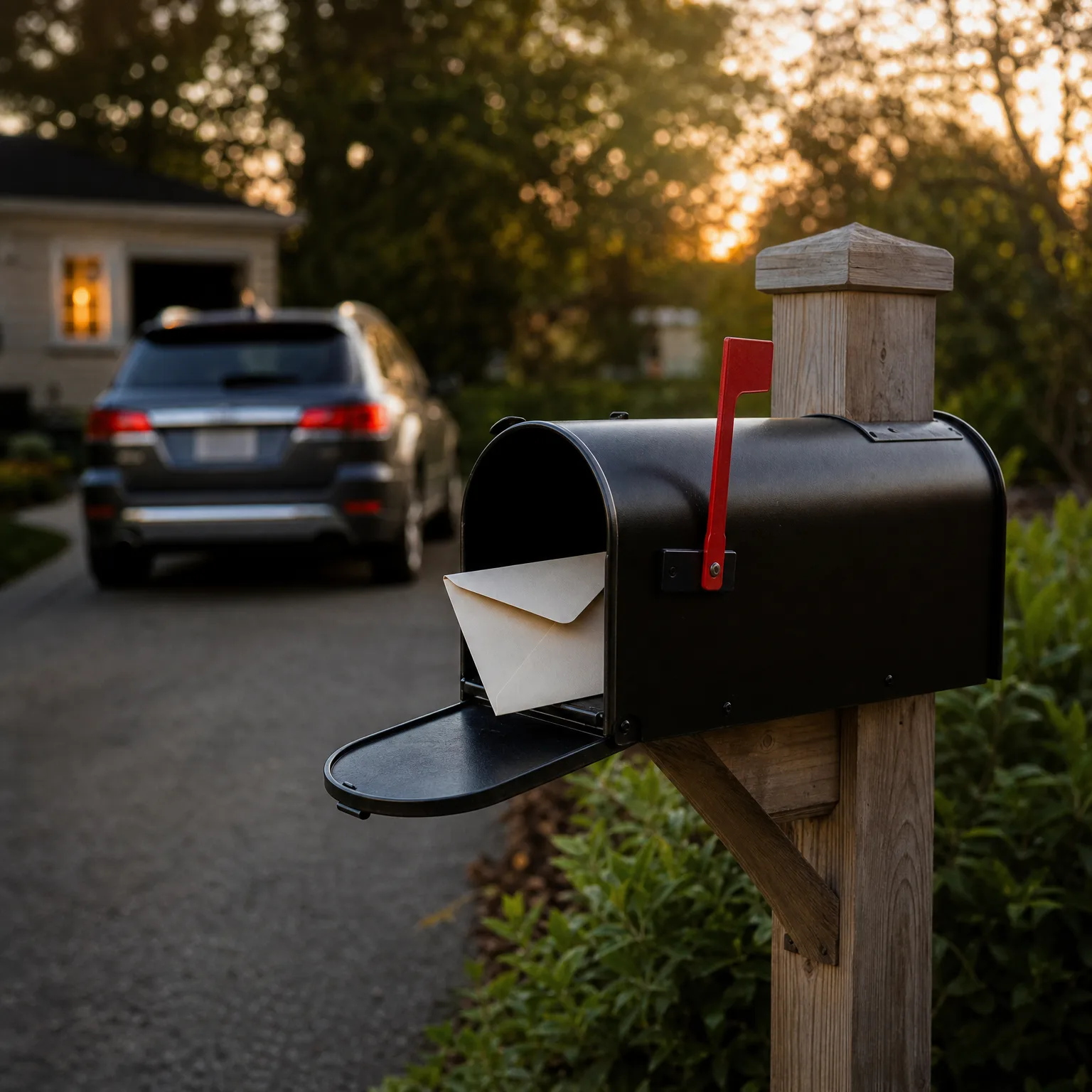
You finish your last DUI education class on a Friday. Your court appearance is scheduled for the following Tuesday. You assume Tuesday is the starting point and file SR-22 insurance that same day. The DMV has not received court clearance yet. Your SR-22 certificate arrives at the Operator Control Unit with no matching reinstatement case.
The DMV does not call you to explain the issue. Your carrier does not know the filing was rejected or pending. You wait three weeks assuming processing is underway. You call the Operator Control Unit to check status. A clerk tells you no reinstatement case exists because court clearance has not posted. You are now 21 days behind where you thought you were, and the SR-22 you already paid for has been sitting in limbo the entire time.
Rhode Island college students frequently lose a full month of reinstatement processing time this way because the Traffic Tribunal and DMV operate separate databases with no shared timeline visibility. The court processes your case, files clearance paperwork, and assumes their responsibility ends. The DMV waits for that paperwork to arrive through internal channels you cannot see or track. No agency tells you to wait 30-45 days after court before filing SR-22.
The correct sequence: attend your final court appearance, confirm with the clerk that clearance will be sent to DMV, wait 30-45 days, call the DMV Operator Control Unit at 401-462-5842 to confirm court clearance posted, then file SR-22 and schedule ignition interlock installation. Filing SR-22 the same week as your court date guarantees wasted time and carrier premiums with no reinstatement progress.

Line Up Coverage Before Your License Comes Back
Get Back on the RoadHardship License Petitions and the Court-DMV Coordination Gap
Rhode Island allows Hardship License petitions for DUI suspensions under RIGL § 31-11-18.1, but eligibility and approval go through the court — Traffic Tribunal or Superior Court depending on your case — not the DMV. Most first-offense DUI cases require a 30-day hard suspension before hardship eligibility begins. That 30-day period starts from the date of conviction, not the date of arrest or the date you file for hardship.
College students petition for hardship licenses to maintain internships, part-time jobs, or class schedules during suspension. Rhode Island courts grant hardship licenses with strict route and time restrictions: home to work, home to school, home to medical appointments, and sometimes home to DUI program classes. Deviation from approved routes or approved hours can trigger immediate hardship license revocation with no second chance.
The hardship license petition requires proof of employment or hardship necessity, proof of SR-22 insurance, and confirmation of ignition interlock device installation. You cannot petition for hardship relief until all three documents exist. You cannot file SR-22 until court clearance posts to DMV. This creates a circular dependency most college students discover only after their petition is denied for incomplete documentation.
Once the court grants a hardship license, that approval must be transmitted to the DMV Operator Control Unit for the physical license to be issued. The transmission delay between court approval and DMV issuance is typically 7-14 days. Students assume court approval means they can drive immediately. It does not. Driving on a hardship license before the DMV issues the physical credential is driving under suspension and can result in additional criminal charges, extension of your original suspension, and forfeiture of hardship eligibility.

SR-22 Filing Duration and the Post-Reinstatement Requirement
Rhode Island requires 3 years of continuous SR-22 filing following DUI conviction under RIGL § 31-47 and related statutes. That 3-year period begins on the date your carrier files the SR-22 certificate with the DMV, not the date of conviction, not the date of arrest, not the date your license is reinstated.
College students frequently misunderstand this timeline. You complete your suspension. You reinstate your license. You assume SR-22 filing ends when reinstatement is granted. It does not. The 3-year SR-22 requirement continues post-reinstatement, meaning you must maintain high-risk auto insurance rates for three full years from the filing date even after you regain full driving privileges.
If your SR-22 certificate lapses at any point during the 3-year period — because you cancel your policy, switch carriers without confirming SR-22 transfer, or miss a payment and the carrier cancels coverage — Rhode Island law requires your carrier to notify the DMV within 10 days. The DMV will suspend your license again immediately upon receiving lapse notification. You must refile SR-22, pay a new reinstatement fee, and restart the process.
For students who do not own a vehicle or who rely on family vehicles covered under someone else's policy, non-owner SR-22 insurance satisfies Rhode Island's filing requirement. Non-owner policies provide liability coverage when you drive a vehicle you do not own and attach the SR-22 certificate to that policy. Premiums are typically lower than standard auto policies because the carrier assumes less risk. Most Rhode Island students suspended for DUI and living on campus without a car maintain non-owner SR-22 policies for the full 3-year filing period to avoid the cost of insuring a vehicle they do not drive regularly.
What to Do After Court Clearance, Before Reinstatement
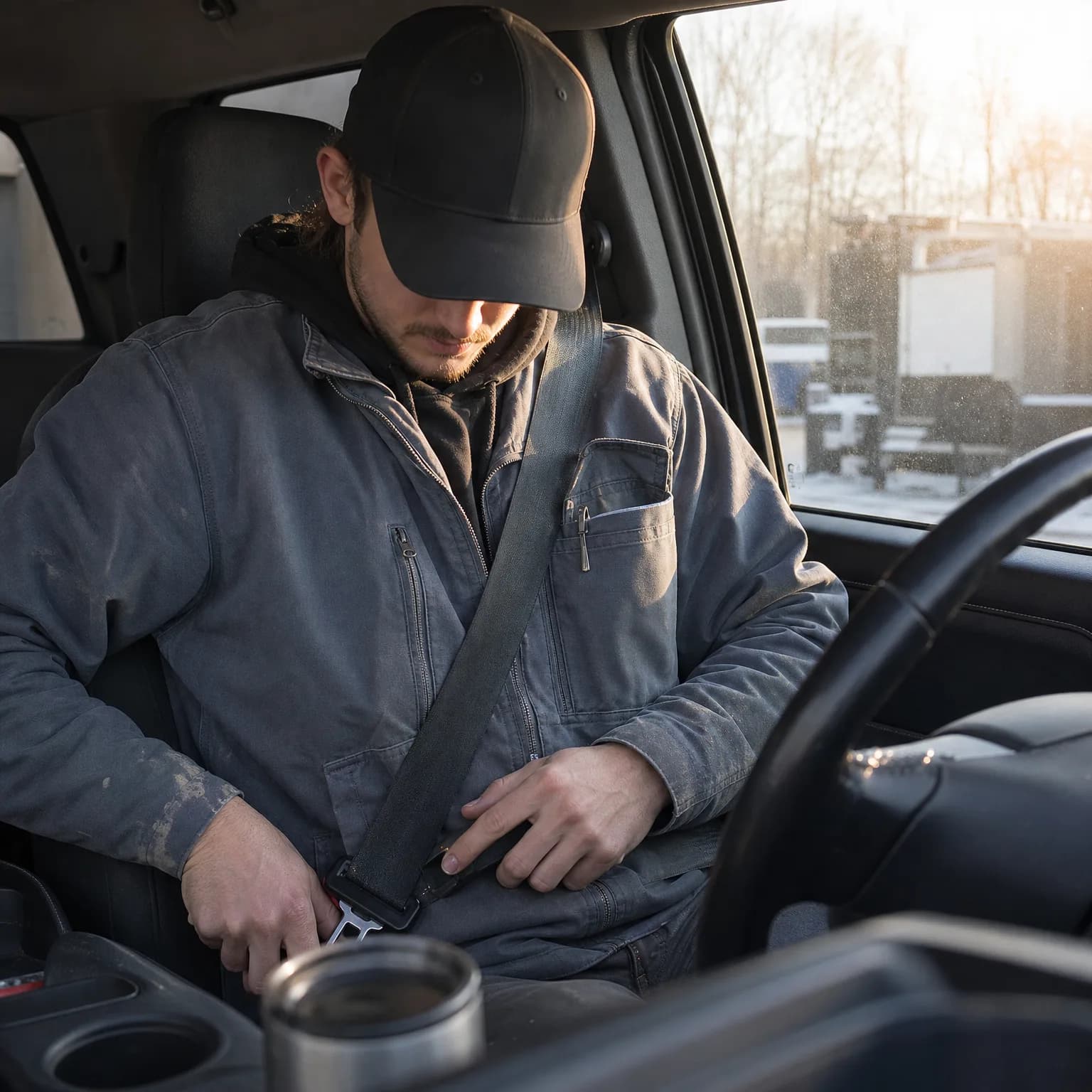
Call the Rhode Island DMV Operator Control Unit at 401-462-5842 between 30-45 days after your final court appearance. Ask the clerk to confirm whether court clearance has posted to your driver record. Do not assume the court transmitted clearance on time. Do not file SR-22 until you receive verbal confirmation from the Operator Control Unit that clearance is in their system.
Once court clearance is confirmed, contact an SR-22 carrier and request SR-22 certificate filing. Rhode Island accepts electronic SR-22 filing, meaning most carriers can submit the certificate to the DMV within 24-48 hours of policy purchase. Verify with your carrier that they will file the SR-22 electronically and provide you with a copy of the filed certificate for your records.
Schedule ignition interlock device installation immediately after SR-22 filing. Rhode Island requires IID installation before hardship license issuance and before full reinstatement for most DUI cases. Installation takes 1-2 hours at an approved provider location. The provider submits installation verification to the DMV electronically. Confirm with the provider that verification was sent and ask for a copy of the installation receipt.
Pay the $30 DMV reinstatement fee in person at a Rhode Island DMV branch or by mail to the Operator Control Unit. If your suspension involved multiple violations, confirm the total reinstatement fee amount before paying. Bring copies of your SR-22 certificate, IID installation receipt, and court clearance documentation to the DMV branch. The clerk will verify all three requirements are met in the DMV system before processing reinstatement.
Frequently Asked Questions
Can I file SR-22 the same day as my Rhode Island court appearance for DUI?
You can file SR-22 the same day, but the Rhode Island DMV Operator Control Unit will not process it until court clearance posts to their database 30-45 days later. Filing early does not accelerate your reinstatement timeline and may result in wasted carrier premiums while the SR-22 sits unprocessed.
How do I confirm my Rhode Island court clearance posted to DMV?
Call the DMV Operator Control Unit at 401-462-5842 and ask a clerk to check whether court clearance appears in your driver record. Rhode Island does not provide an online portal for students to verify clearance status themselves.
Does Rhode Island allow hardship licenses for college students suspended for DUI?
Yes, Rhode Island allows Hardship License petitions under RIGL § 31-11-18.1, but most first-offense DUI cases require a 30-day hard suspension before hardship eligibility begins. The petition goes through Traffic Tribunal or Superior Court and requires proof of SR-22 insurance, ignition interlock installation, and employment or school enrollment documentation.
Can I drive in Rhode Island immediately after the court grants my hardship license?
No. Court approval of your hardship license must be transmitted to the DMV Operator Control Unit before the physical license is issued, which takes 7-14 days. Driving before the DMV issues the hardship license is driving under suspension and can result in additional criminal charges.
How long does Rhode Island require SR-22 filing after a DUI reinstatement?
Rhode Island requires 3 years of continuous SR-22 filing from the date your carrier files the certificate, not from your conviction or reinstatement date. The filing requirement continues post-reinstatement, meaning you maintain high-risk insurance rates for three full years even after regaining full driving privileges.
What happens if my SR-22 lapses during the 3-year filing period in Rhode Island?
Your carrier must notify the DMV within 10 days of policy cancellation or lapse. The DMV will suspend your license again immediately, and you must refile SR-22, pay a new reinstatement fee, and restart the reinstatement process.
Do I need to own a car to file SR-22 in Rhode Island after a DUI?
No. Non-owner SR-22 insurance satisfies Rhode Island's filing requirement for students who do not own a vehicle. Non-owner policies provide liability coverage when you drive a vehicle you do not own and attach the required SR-22 certificate at lower premiums than standard auto insurance.
Related Articles

RI DUI Reinstatement: Court & DMV Clearance Timing
5/3/2026
RI DUI Reinstatement Costs: Fees, SR-22, Interlock
5/3/2026

RI DUI SR-22 Timing for College Students | Filing Guide
5/3/2026

RI CDL DUI Suspension: SR-22 Timing & Court Clearance
5/3/2026
RI DUI Reinstatement for Rideshare: Court & DMV Timing
5/3/2026

RI Lapse Suspension: Court & DMV Timing for Students
5/3/2026