
New York CDL DUI Reinstatement: SR-22 Timing and Lapse Documentation
Free to compare
Does New York Require SR-22 Filing After a DUI for CDL Holders?
New York does not mandate SR-22 filing for standard DUI license suspensions—the state uses different insurance verification mechanisms. However, if your DUI occurred while operating a commercial vehicle or if you are reinstating a commercial driver's license after any alcohol-related suspension, the New York DMV requires proof of continuous insurance coverage for the entire suspension period plus documentation of any coverage lapses.
This creates a procedural gap most CDL holders miss: you don't file SR-22 in the traditional sense, but you must provide a certified insurance history from every carrier that covered you during suspension, including lapses longer than 30 days. If you let coverage lapse for more than 30 consecutive days at any point during your suspension, DMV will flag your application and extend your reinstatement timeline by 60-90 days while they verify the gap was not tied to additional violations.
The confusion stems from how other states handle DUI reinstatement. States like California, Florida, and Illinois require SR-22 filing immediately after conviction. New York requires insurance maintenance without the SR-22 certificate—but the documentation burden is heavier because DMV cross-references your carrier history against their internal violation database to confirm you didn't drive uninsured during suspension.
When to Request Insurance Certification for New York CDL Reinstatement
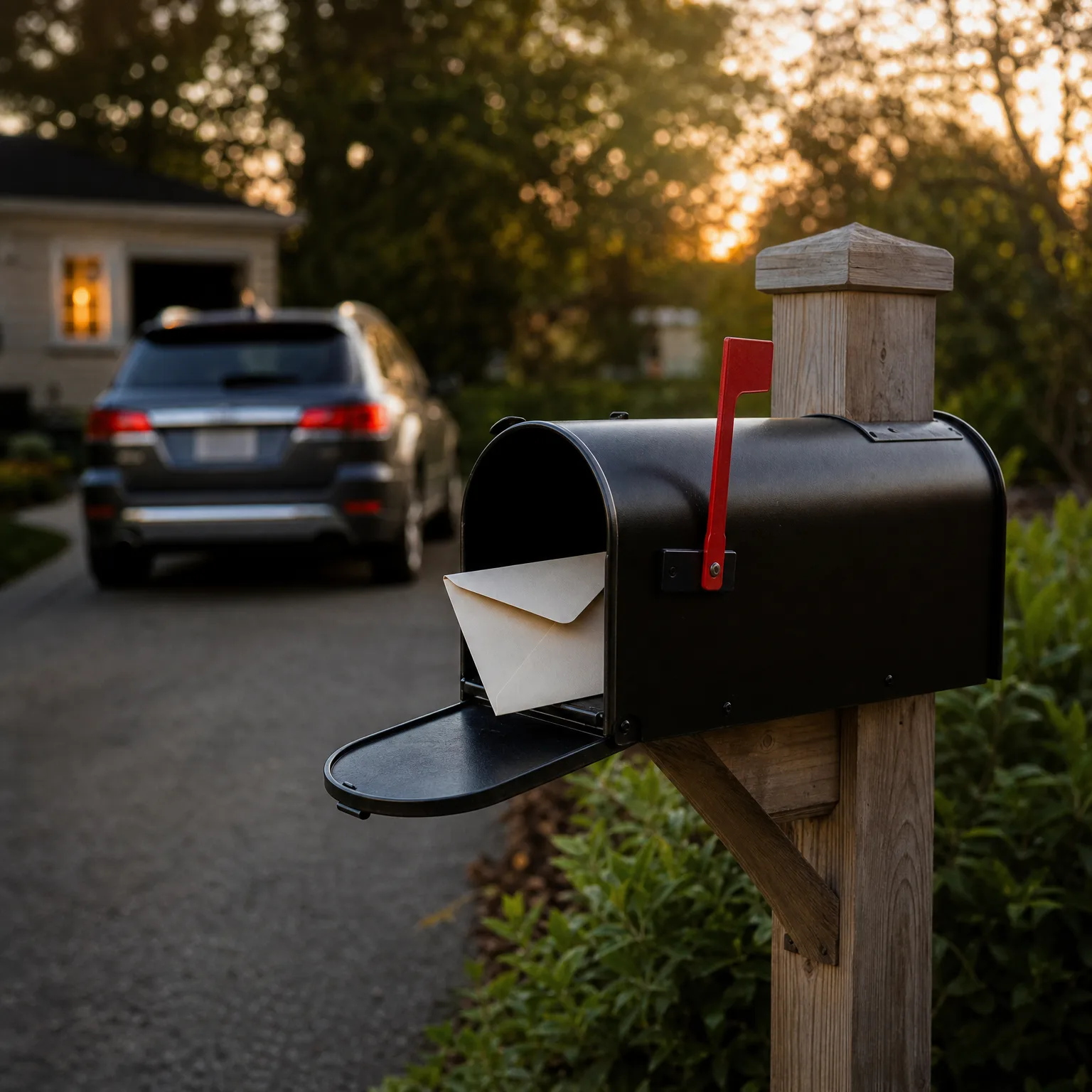
Request your insurance certification from your carrier 30-45 days before your eligibility date. New York DMV will not process your CDL reinstatement application until you submit a complete insurance history covering the full suspension period, and carriers typically need 10-15 business days to generate the certified letter.
Your eligibility date depends on the severity of your DUI conviction. A first-offense DUI in a personal vehicle triggers a six-month revocation for your standard license and a one-year disqualification for your CDL. A first-offense DUI in a commercial vehicle triggers a one-year CDL disqualification. A second DUI—regardless of vehicle type—results in lifetime CDL disqualification with possible waiver after 10 years. The insurance certification must cover whichever period is longer.
Most CDL holders delay reinstatement because they assume the six-month personal-license revocation period satisfies the commercial disqualification. It does not. DMV tracks these timelines separately. If your personal license is restored after six months but your commercial disqualification runs 12 months, you cannot apply for CDL reinstatement until the commercial period ends—and your insurance certification must cover all 12 months, not just the six-month personal revocation.

How to Document Coverage Lapses During Suspension
If your insurance lapsed for more than 30 consecutive days during suspension, you must submit a FS-6 affidavit along with your reinstatement application explaining the gap. The FS-6 form requires you to state under penalty of perjury that you did not operate any motor vehicle during the lapse period and to provide documentation of why the lapse occurred.
Acceptable documentation includes: proof of vehicle sale or transfer, proof of incarceration, proof of out-of-state residence during the lapse, or proof of active military deployment. DMV will not accept financial hardship, confusion about requirements, or carrier non-renewal as valid explanations for a lapse. If you cannot document the reason, DMV treats the lapse as presumptive evidence of uninsured operation and will deny your reinstatement application.
The 30-day threshold is strict. A lapse of 29 days does not require an affidavit. A lapse of 31 days does. Most carriers will terminate your policy automatically after 30 days of non-payment, which means if you missed a payment during suspension and your policy canceled, you likely triggered the affidavit requirement even if you never drove. Request your policy cancellation notice from your carrier—it must show the exact cancellation date and reason. If the cancellation was for non-payment and occurred mid-suspension, prepare the FS-6 before submitting your application.

Line Up Coverage Before Your License Comes Back
Get Back on the RoadCDL Reinstatement Application Sequence in New York
New York requires you to complete four steps in a specific order: satisfy your criminal sentence and probation conditions, complete the Drinking Driver Program, pay the $100 civil penalty and $50 re-application fee, and submit your insurance certification. You cannot skip ahead or submit documents out of sequence—DMV will reject your application and reset your processing timeline.
The Drinking Driver Program must be completed through a state-approved provider, and your provider must submit completion verification directly to DMV. Do not rely on receiving a certificate to carry to DMV yourself—most providers submit electronically, but the transmission can take 7-10 business days to post to your DMV record. If you apply for reinstatement before the completion posts, DMV will deny your application for insufficient documentation.
After all four steps are complete, submit your application in person at a DMV office that processes commercial licenses—not all offices handle CDL transactions. Bring your insurance certification letter, proof of DDP completion, receipts showing payment of civil penalty and re-application fee, and two forms of identification. If your personal license is still revoked, you cannot reinstate your CDL until the personal license is restored first. DMV will not issue a commercial credential to someone whose standard driving privileges are suspended.

What Happens If You Need to Drive During CDL Disqualification
New York does not issue restricted or conditional licenses that permit commercial driving during a DUI disqualification period. If your livelihood depends on operating a commercial vehicle, you cannot legally drive commercially until your full disqualification period ends and your CDL is reinstated.
You may be eligible for a conditional license that permits personal driving to and from work, medical appointments, and DDP classes, but this license does not authorize operation of a commercial motor vehicle. Applying for a conditional license requires completing at least the first phase of the Drinking Driver Program and paying a $75 conditional license fee. The conditional license is valid only for the remainder of your revocation period and expires automatically when your eligibility date arrives.
If you operate a commercial vehicle on a conditional license or during an active disqualification, New York treats it as aggravated unlicensed operation in the first degree, a class E felony carrying up to four years in prison. This is not a traffic infraction—it is a criminal charge that will appear on background checks and disqualify you from most commercial driving positions permanently. Employers who hire drivers to operate CMVs are required to verify active CDL status through the FMCSA Clearinghouse, and any disqualification appears immediately in that database.

How to Find Insurance That Covers You During New York CDL Suspension
Most standard auto carriers will not insure CDL holders with active DUI suspensions, which creates a compliance problem: you need continuous coverage to satisfy DMV's reinstatement requirements, but few carriers will write a policy while you are prohibited from driving. Your best option is a non-owner policy that maintains liability coverage without insuring a specific vehicle.
Non-owner policies cost approximately $35-$85/month for suspended CDL holders in New York, depending on your county and violation history. These policies satisfy DMV's insurance requirement during suspension even though you are not driving, and they prevent the coverage lapse that triggers the FS-6 affidavit requirement. You can purchase non-owner coverage immediately after your suspension begins and maintain it through your entire disqualification period.
When shopping for coverage, confirm the carrier is licensed in New York and willing to provide the insurance certification letter DMV requires. Not all carriers that sell non-owner policies will generate the certification, and switching carriers mid-suspension creates additional documentation burden because you will need certified letters from each carrier that covered you during the suspension period. Staying with one carrier for the entire disqualification simplifies your reinstatement application and reduces the risk of documentation errors that delay processing.
Frequently Asked Questions
Can I reinstate my CDL in New York if I still owe fines from my DUI case?
No. New York DMV will not process your CDL reinstatement application until you pay all court-ordered fines, the $100 civil penalty, and the $50 re-application fee. Outstanding fines from your criminal case will block reinstatement even if your disqualification period has ended. Request a payment status letter from the court that handled your case and submit it with your DMV application to prove all financial obligations are satisfied.
Does New York require an ignition interlock device for CDL reinstatement after DUI?
New York requires ignition interlock installation for at least 12 months after DUI conviction if your BAC was 0.08% or higher, but the device cannot be installed on a commercial vehicle. You must install the interlock on a personal vehicle and complete the monitoring period before DMV will reinstate your CDL. If you do not own a personal vehicle, you cannot satisfy the interlock requirement and will face extended disqualification until you acquire one or petition the court for alternative compliance.
What happens if I move to another state during my New York CDL disqualification?
Your New York CDL disqualification follows you. Federal law requires all states to honor out-of-state commercial disqualifications, which means you cannot apply for a CDL in your new state until your New York disqualification period ends. You must complete your Drinking Driver Program through a New York-approved provider or through an Interstate Compact state that New York recognizes, and you must submit your reinstatement application to New York DMV even if you now live elsewhere.
Can I work as a commercial driver in New York with an out-of-state CDL after a DUI?
No. If your New York license is suspended or revoked for DUI, New York law prohibits you from operating a commercial vehicle in the state regardless of whether you hold an active CDL from another state. Employers who hire you to drive commercially in New York while you have an active New York suspension face penalties, and FMCSA Clearinghouse rules require employers to verify your driving record in all states where you have held a license.
How long does New York DMV take to process a CDL reinstatement application after DUI?
New York DMV typically processes CDL reinstatement applications within 4-6 weeks if all documentation is complete and accurate. If you are missing documents, have coverage lapses requiring an FS-6 affidavit, or submit your application before your Drinking Driver Program completion posts to DMV records, processing time extends to 8-12 weeks. Submitting an incomplete application does not hold your place in line—DMV will reject it and you must reapply from the beginning.
Does a DUI on my personal license affect my CDL even if I wasn't driving a commercial vehicle?
Yes. Federal Motor Carrier Safety Administration rules disqualify your CDL for any alcohol-related conviction, regardless of the vehicle type you were operating. A DUI in your personal car triggers a one-year CDL disqualification for a first offense and lifetime disqualification for a second offense. New York DMV enforces this automatically—you do not receive separate notice for the commercial disqualification; it occurs when your personal license is suspended.
Can I get a waiver to reinstate my New York CDL early after a DUI?
No. New York does not offer early reinstatement or hardship waivers for commercial driver's licenses after DUI convictions. The one-year disqualification for a first offense and lifetime disqualification for a second offense are federally mandated minimums that states cannot waive. You must complete the full disqualification period, satisfy all reinstatement requirements, and wait for your eligibility date before applying.
Related Articles
NY CDL DUI Reinstatement: Court & SR-22 Timing Guide
5/3/2026
NY CDL Lapse Suspension: IIES Reporting, No SR-22
5/3/2026
CDL DUI Reinstatement CA: SR-22 Timing & Lapse Gaps
5/3/2026
NY DUI Reinstatement: SR-22 Timing & Lapse-Gap Docs
5/3/2026
NY Child Support Suspension: SR-22 & Insurance Gaps
5/3/2026
IL CDL DUI Reinstatement: SR-22 Timing & Gap Docs
5/3/2026