
New York CDL DUI Reinstatement: Real Cost Stack Breakdown
Free to compare
Why New York CDL DUI Reinstatement Costs More Than Standard License Restoration
New York assesses a $750 Driver Responsibility Assessment for alcohol-related violations on top of the standard $50 license application fee. CDL holders pay this same DRA as standard license holders, but you also lose your commercial driving privilege separately and must retest for commercial endorsements after reinstatement. The hazmat, tanker, or passenger endorsements you held before suspension do not automatically restore when you regain your base CDL.
The DMV will not process your CDL application until your DRA is paid in full or you've enrolled in the three-year installment plan and made the first payment. If you choose installments and miss a payment by more than 30 days, the DMV suspends your license again and you restart the entire DRA payment clock. Most Buffalo and Rochester drivers who choose installments don't realize a single missed payment adds 12-18 months to their total timeline.
Your base license and your commercial privilege operate on parallel tracks. You can reinstate your Class D license and drive personal vehicles while your CDL application is still pending, but you cannot drive commercially until the CDL is reissued and all endorsements are retested and approved.
The Four-Layer Cost Stack: Filing Fees, Penalties, Testing, and SR-22 Markup
New York's reinstatement cost structure for CDL DUI cases breaks into four components. First: the $50 license application fee paid when you apply to reinstate. Second: the $750 Driver Responsibility Assessment paid to the DMV's separate collections unit. Third: commercial skills retest fees, which vary by endorsement type—$10 for each knowledge test, $40 for the skills test if your CDL has been revoked for more than two years, and $5-$15 per endorsement depending on type. Fourth: SR-22 insurance premium increases, which typically add $80-$150/month over your previous commercial auto rate for the three-year filing period.
The DRA is the largest single expense and the one that catches most drivers off guard. It's not a reinstatement fee—it's a civil penalty assessed separately and paid to a different DMV address than your application fee. The DMV will not schedule your road test or process your CDL application until payment confirmation posts to their system, which can take 7-10 business days after you submit payment.
If you're reinstating a CDL with hazmat endorsement, add TSA background check costs of $86.50 and fingerprinting fees of $91.50. These are federal requirements and cannot be waived or reduced. The hazmat endorsement application will not be processed until TSA clears your background, which takes 30-60 days after fingerprinting.
What the $750 Driver Responsibility Assessment Actually Covers and How Installments Work
The Driver Responsibility Assessment is a three-year civil penalty triggered automatically when you're convicted of DWI, DWAI, or refusal to submit to a chemical test. It's assessed by the DMV, not the court, and the conviction itself triggers the charge—you don't receive a separate hearing or opportunity to contest it.
You can pay the full $750 upfront or enroll in a three-year installment plan with $260 down and $155 every six months for three years. The installment plan costs $1,015 total—$265 more than paying upfront—but spreads the expense over 36 months. The first installment is due within 30 days of conviction. If you miss an installment payment by more than 30 days, the DMV suspends your license immediately and cancels the installment agreement. You must then pay the remaining balance in full before reinstatement.
Most Syracuse and Albany drivers who choose installments don't realize the suspension triggered by a missed DRA payment is processed faster than reinstatement. Your suspension posts to the system within 48 hours of the missed deadline. Your reinstatement after paying the balance in full takes 7-10 business days to process. That gap creates a window where you've paid but still can't legally drive.
Commercial Endorsement Retest Requirements After DUI Suspension
New York does not automatically restore your commercial endorsements when you reinstate your CDL after a DUI suspension. You must retake the knowledge test for each endorsement you previously held—hazmat, tanker, doubles/triples, passenger, or school bus. Each knowledge test costs $10 and must be passed before the DMV will reissue that endorsement on your new CDL.
If your CDL was revoked for more than two years, you must also retake the commercial skills test, which costs $40 and requires scheduling with a CDL examiner. The skills test includes pre-trip inspection, basic vehicle control, and on-road driving. You cannot use a personal vehicle for this test—you must provide a commercial vehicle that matches the class and endorsement type you're applying for, which means renting or borrowing a suitable truck.
Hazmat endorsement applicants face additional federal requirements. You must submit fingerprints and pass a TSA background check before the DMV will schedule your hazmat knowledge test. The background check costs $86.50, fingerprinting costs $91.50, and processing takes 30-60 days. If you're reinstating a CDL for work that requires hazmat endorsement, build this timeline into your reinstatement plan—you cannot legally drive hazmat loads until TSA clears you and the endorsement prints on your physical license.

Line Up Coverage Before Your License Comes Back
Get Back on the Road
SR-22 Insurance for Commercial Drivers: Carrier Availability and Premium Impact
New York requires SR-22 filing for three years after any alcohol-related driving conviction. If you're reinstating a CDL, you need commercial auto insurance with SR-22 endorsement, not standard personal auto SR-22. Most national carriers do not write commercial policies for drivers with recent DUI convictions, which limits your options to non-standard commercial insurers.
Commercial SR-22 premiums after DUI typically range from $250-$450/month in New York, compared to $120-$180/month for clean-record commercial drivers. The SR-22 filing fee itself is $25-$50 one-time, but the premium increase over three years is where the real cost accumulates. Expect to pay $4,500-$11,880 more over the filing period than you would with a clean record.
If you're not currently driving commercially but need to maintain your CDL for future employment, ask your carrier about non-owner commercial SR-22 policies. These cover liability when you drive a vehicle you don't own—typically used by drivers who lease trucks or work as independent contractors. Non-owner commercial SR-22 premiums run $150-$280/month, which is less than insuring a vehicle you own but still significantly higher than standard non-owner SR-22 for personal licenses.
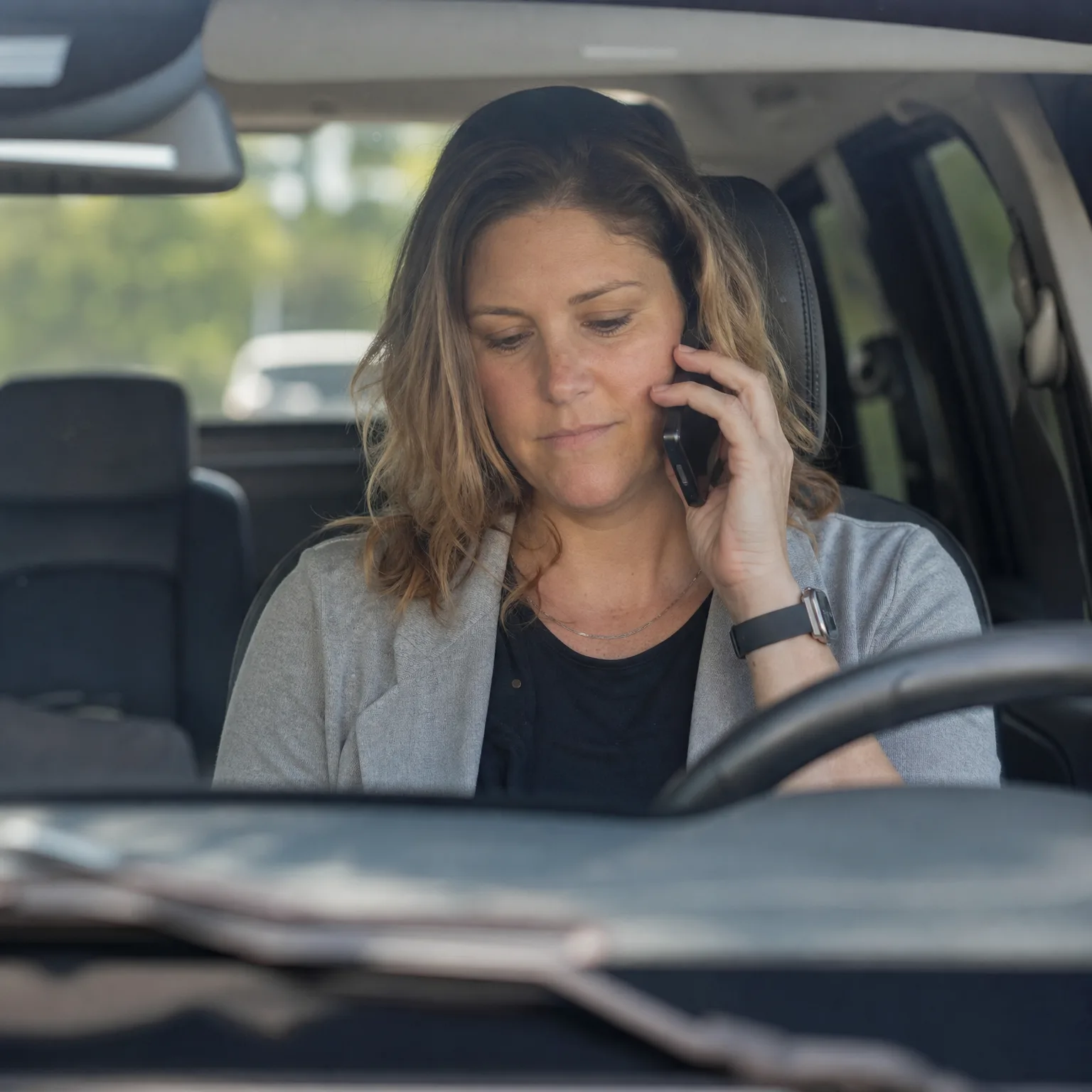
Timeline and Sequencing: What Must Happen Before You Can Apply for CDL Reinstatement
You cannot apply for CDL reinstatement until your suspension period ends and you've satisfied all court-ordered requirements. For a first-offense DWI in New York, the minimum revocation period is six months. For refusal to submit to a chemical test, the minimum is one year. Aggravated DWI or second-offense cases carry longer revocation periods set by the court.
Before the DMV will process your application, you must complete the Drinking Driver Program, pay all court fines and surcharges, and either pay the Driver Responsibility Assessment in full or make the first installment payment. The DDP completion certificate must be submitted directly to the DMV by the program provider—you cannot hand-deliver it with your application.
Once your suspension ends and these requirements are met, you can apply for reinstatement. The DMV processes the application and schedules your retest appointments. From application submission to receiving your new CDL with endorsements, expect 30-60 days if no complications arise. If you're applying for hazmat endorsement, add 30-60 days for TSA processing. This timeline assumes you pass all tests on the first attempt and all payments clear without delays.
Your SR-22 insurance must be active and filed with the DMV before they will issue your new license. The carrier files the SR-22 electronically, but it can take 3-5 business days to post to the DMV system. Do not schedule your DMV appointment until you've confirmed with your carrier that the SR-22 has been transmitted and you have the filing confirmation number.
What Happens If You Miss a DRA Payment or Let SR-22 Lapse During the Filing Period
Missing a Driver Responsibility Assessment installment payment triggers automatic suspension. The DMV does not send a grace-period notice—your license is suspended 30 days after the missed due date. If this happens after you've already reinstated your CDL, you lose both your commercial and standard driving privileges immediately.
Reinstating after a DRA suspension requires paying the remaining balance in full. The DMV will not accept a new installment plan if you've already defaulted once. Most drivers who miss a payment owe $500-$650 remaining, depending on how many installments they completed before defaulting. You must pay this balance, then wait 7-10 business days for the payment to post before the DMV will process your reinstatement application.
SR-22 lapses are equally serious. If your carrier cancels your policy or you switch carriers without maintaining continuous SR-22 coverage, the DMV receives an electronic lapse notice within 24 hours and suspends your license. The suspension remains in effect until you file a new SR-22 and maintain it for 30 consecutive days without lapse. That 30-day waiting period cannot be waived—even if the lapse was due to carrier error or administrative mistake, you cannot drive for 30 days after filing the new SR-22.
During the three-year SR-22 filing period, treat policy renewals and carrier switches as high-risk administrative events. Confirm with your new carrier that they will file SR-22 before your old policy expires. A one-day coverage gap is enough to trigger suspension.
Frequently Asked Questions
Do I need commercial auto insurance to reinstate a CDL in New York if I'm not currently driving commercially?
No, you can reinstate your CDL with a non-owner SR-22 policy if you're not currently operating commercial vehicles. The DMV requires proof of SR-22 filing but does not specify commercial coverage unless you're actively driving for work. Non-owner commercial SR-22 policies cost $150-$280/month and satisfy the filing requirement while keeping your CDL active for future employment.
Can I drive with a Class D license while my CDL application is pending after DUI suspension?
Yes, once you've reinstated your standard Class D license, you can drive personal vehicles while your CDL application is being processed. Your commercial driving privilege is revoked separately from your base license, so you can regain personal driving ability first. You cannot drive commercially until the CDL is reissued and all endorsements are retested.
What happens if I can't afford the $750 Driver Responsibility Assessment upfront?
You can enroll in a three-year installment plan with $260 down and $155 every six months. The total cost is $1,015—$265 more than paying upfront—but it spreads payments over 36 months. If you miss an installment by more than 30 days, the DMV suspends your license and cancels the plan, requiring you to pay the remaining balance in full before reinstatement.
How long does TSA background check take for hazmat endorsement reinstatement in New York?
TSA background checks for hazmat endorsement typically take 30-60 days after fingerprinting. You must submit fingerprints and pay the $86.50 background check fee plus $91.50 fingerprinting fee before the DMV will schedule your hazmat knowledge test. The endorsement will not print on your license until TSA clears you.
Does New York reset the SR-22 filing period if I get another violation during the three years?
Yes, any new alcohol-related or serious traffic violation during the SR-22 filing period restarts the three-year clock from the date of the new conviction. The DMV does not credit time already served—you begin a new three-year filing requirement from the second conviction date. This extends your high-risk premium period and delays eligibility for standard insurance rates.
Can I take the CDL skills test in a rental truck after DUI reinstatement?
Yes, you can rent a commercial vehicle for your skills test, but the rental company must allow it and you must provide proof of insurance that covers the vehicle during the test. Not all rental companies permit skills testing in their trucks. Some drivers borrow vehicles from employers or CDL schools that specifically offer truck rental for testing purposes.
What's the fastest way to complete New York CDL reinstatement after a DUI suspension ends?
Complete the Drinking Driver Program before your suspension ends, pay the Driver Responsibility Assessment in full or make the first installment, and secure SR-22 insurance 7-10 days before your eligibility date so the filing posts to DMV records. Apply for reinstatement the day you're eligible, then schedule endorsement retests immediately. This timeline compresses the process to 30-45 days if no complications arise.
Related Articles
NY CDL Child Support Suspension: Reinstatement Costs
5/3/2026
NY DUI Reinstatement Costs for Students: Real Fees
5/3/2026

NY CDL Unpaid Ticket Suspension: Real Reinstatement Cost
5/3/2026
NJ CDL DUI Reinstatement Costs: Fees, FS-1 & Timeline
5/3/2026
NY DUI Reinstatement Costs: Real Total for Parents
5/3/2026
North Dakota CDL DUI Reinstatement Costs | Full Stack
5/3/2026