
NY CDL Unpaid Ticket Suspension: Real Cost to Reinstate
Free to compare
The actual reinstatement cost stack for CDL holders with unpaid ticket suspensions in New York
New York's base reinstatement fee is $50, but that number is functionally irrelevant for CDL holders facing unpaid ticket suspensions. The true cost breaks into four separate line items: the scofflaw program clearance fee (varies by county, typically $70–$250 depending on ticket count and jurisdiction), the DMV suspension termination fee ($50), the carrier verification setup charge your insurer bills to enter your policy into the IIES system ($25–$75 depending on carrier and whether you need a non-owner policy), and the premium markup for maintaining continuous coverage during the clearance period (often $140–$220/month for drivers with recent violations).
Most CDL reinstatement guides stop at the $50 DMV fee because they are written for general-audience drivers, not commercial license holders navigating federal disqualification thresholds. If your unpaid tickets triggered a scofflaw suspension under Vehicle and Traffic Law §510(4), you must clear every outstanding ticket with the issuing court before DMV will process your reinstatement—and courts charge administrative fees that stack independently of the DMV reinstatement fee.
The carrier verification setup charge exists because New York uses the Insurance Information and Enforcement System (IIES), which requires your insurer to report your policy electronically to DMV. Some carriers bundle this into policy activation; others bill it as a separate filing fee. Non-owner policies for drivers without a personal vehicle typically carry higher setup fees ($50–$75) because underwriters classify them as higher-risk products.
CDL holders face an additional failure mode most private-vehicle drivers never encounter: if your unpaid tickets included commercial vehicle violations (overweight, logbook violations, FMCSA-reportable offenses), your suspension may trigger parallel federal disqualification proceedings under 49 CFR Part 383. DMV reinstatement clears your state driving privilege but does not automatically lift federal CDL disqualifications—those require separate FMCSA review and employer notification.

Why NY doesn't use SR-22 filings and what that means for your reinstatement timeline
New York does not use SR-22 certificates. Financial responsibility verification is handled entirely through the IIES system, where carriers report policy issuance, cancellations, and lapses directly to DMV in real time. This distinction matters because unpaid ticket suspensions in New York do not require SR-22 filing—DMV only requires proof that you have active coverage meeting minimum liability limits ($25,000 bodily injury per person, $50,000 per accident, $10,000 property damage) reported electronically by a licensed carrier.
For CDL holders, this creates a procedural advantage and a timing risk. The advantage: you do not pay for SR-22 filing fees or the 3-year compliance period most high-risk states impose. The risk: IIES verification is carrier-dependent, and if your insurer delays entering your policy into the system, DMV will not process your reinstatement even if you have paid all fees and cleared all tickets. Most carriers enter policies into IIES within 24–72 hours, but some non-standard insurers serving suspended-license drivers take 5–10 business days.
This timing gap is invisible to most drivers until they arrive at DMV for reinstatement and discover their policy has not yet posted to the IIES database. The DMV clerk cannot override this—verification is automated. If you are reinstating under time pressure (employer deadline, DOT medical card expiration, pending job offer), confirm with your carrier that your policy is IIES-active before scheduling your DMV appointment.


How scofflaw clearance fees vary by jurisdiction and ticket count in New York
New York courts impose administrative fees to clear scofflaw holds, and these fees are set at the county or municipal level—not statewide. A single unpaid speeding ticket in Nassau County may carry a $100 scofflaw clearance fee plus the original fine and surcharge. Three unpaid parking tickets in New York City may trigger a $150 administrative hold fee on top of the ticket amounts. Traffic violations bureau tickets (TVB) carry different fee structures than locally prosecuted tickets.
CDL holders with commercial vehicle violations face higher clearance costs because commercial tickets are prosecuted under stricter procedural rules and often carry mandatory surcharges. A single overweight violation can result in a fine plus a Driver Responsibility Assessment (DRA) administered by DMV, which is billed separately and must be paid in full or on an approved payment plan before reinstatement.
The procedural trap: paying the ticket fine does not automatically clear the scofflaw hold. You must contact the issuing court, confirm the total clearance amount including administrative fees, pay that amount, and request that the court notify DMV of the clearance. Some courts transmit clearance notices to DMV electronically within 48 hours; others mail paper notices that take 7–14 business days to post to your driving record. DMV will not process your reinstatement until the clearance posts, regardless of when you paid.
Non-owner policy costs for CDL holders without a personal vehicle
If you do not own a personal vehicle but need continuous coverage to satisfy DMV's IIES verification requirement, a non-owner liability policy is the correct product. Non-owner policies provide the state-minimum liability coverage DMV requires without insuring a specific vehicle. For CDL holders with recent violations or a suspended-license history, non-owner policies typically cost $140–$220/month depending on your violation severity, age, and county.
Non-owner policies are priced higher than standard liability policies because insurers assume you are driving borrowed or rental vehicles without the underwriting control a titled-vehicle policy provides. CDL holders pay an additional premium because commercial driver status signals higher mileage and professional driving exposure even when the non-owner policy only covers personal use.
Not all carriers write non-owner policies for drivers with active or recently cleared suspensions. Carriers that do specialize in non-standard or high-risk markets: Progressive, The General, Direct Auto, and Bristol West write non-owner policies in New York for suspended-license drivers. National carriers (State Farm, Geico, Allstate) typically decline non-owner applications from drivers with suspensions cleared within the past 12 months.
The cost stack for a non-owner policy during reinstatement: first month's premium ($140–$220), carrier setup fee to enter your policy into IIES ($25–$75), and any down payment the carrier requires (some require two months up front for high-risk applicants). Total first-payment cost: $305–$515 before you add the $50 DMV reinstatement fee and court clearance fees.

Line Up Coverage Before Your License Comes Back
Get Back on the Road
Federal CDL disqualification thresholds and how unpaid ticket suspensions trigger them
CDL holders are subject to federal disqualification rules under 49 CFR Part 383 in addition to state suspension rules. If your unpaid tickets included serious traffic violations as defined by FMCSA—speeding 15+ mph over the limit, reckless driving, improper lane change, following too closely, or any violation committed in a commercial vehicle—your state suspension may trigger federal disqualification proceedings.
Federal disqualifications are administered by your state CDL unit but governed by FMCSA rules. A state scofflaw suspension for unpaid tickets does not automatically disqualify your CDL, but if the underlying violations meet FMCSA's serious-violation threshold and you accumulate two serious violations within three years, you face a 60-day CDL disqualification. Three serious violations within three years results in a 120-day disqualification.
The timing trap most CDL holders miss: your state reinstatement clears your privilege to drive a personal vehicle, but it does not lift a federal CDL disqualification. You must apply separately to your state's CDL unit to reinstate your commercial driving privilege, and that application requires proof that you have cleared the underlying violations and completed any federally mandated programs. Most states process CDL reinstatements 10–20 business days after your base license reinstatement posts.
If your employer runs a continuous MVR monitoring program (most large carriers do), your suspension and reinstatement will appear on your record and may trigger an internal review even after you are legally reinstated. Some employers impose waiting periods or require additional driver training after a suspension clears before allowing you to return to commercial driving assignments.
What happens if you miss a payment on a scofflaw installment plan
Many New York courts allow drivers to pay scofflaw clearance fees and ticket fines on installment plans, particularly when the total amount owed exceeds $500. These plans typically require an initial down payment (20–30% of the total) and monthly payments over 3–12 months depending on the court and the amount owed.
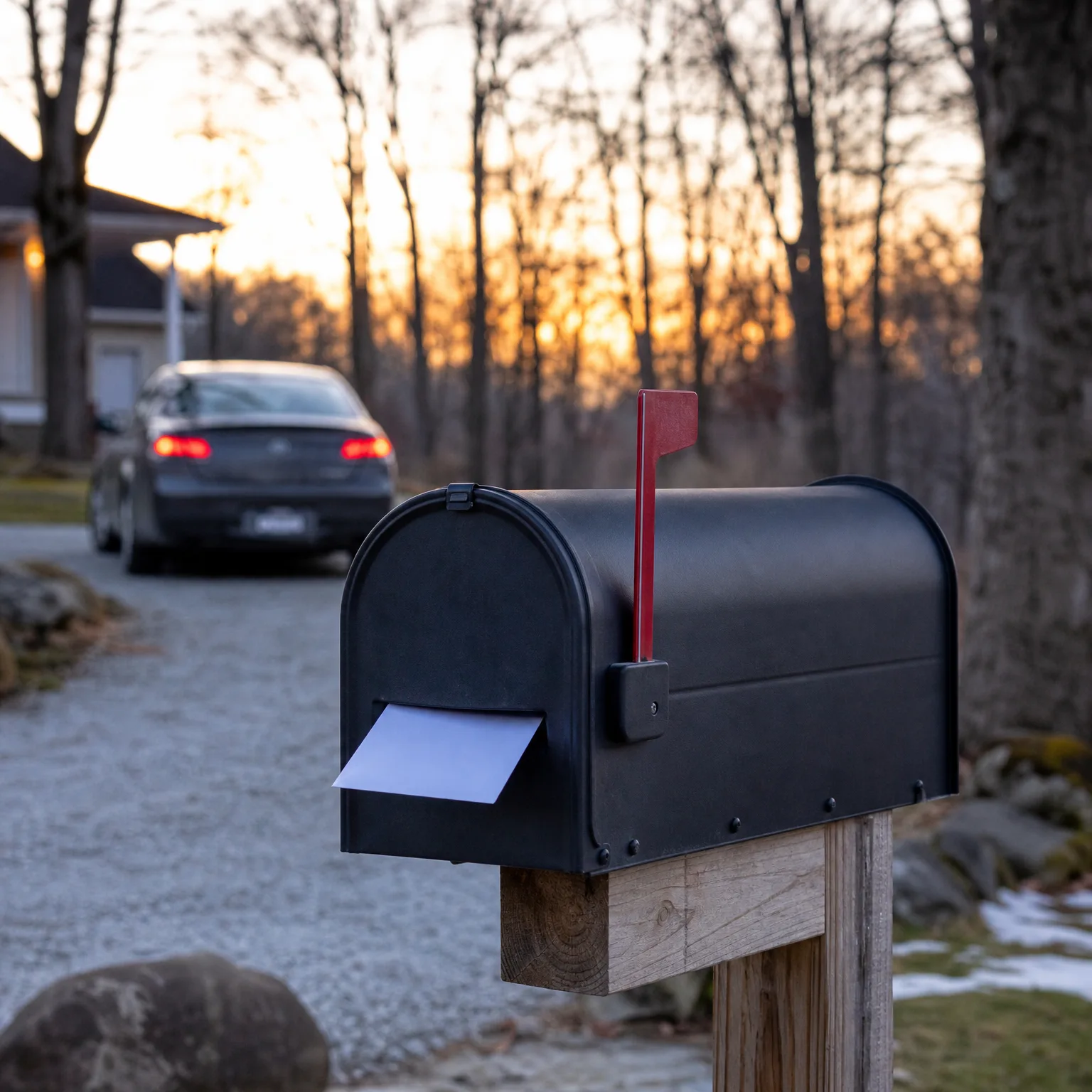
Missing a single installment payment voids the plan and reinstates the scofflaw hold immediately. The court does not automatically notify you when this happens—you discover it when you attempt to reinstate at DMV and find that your clearance notice has been withdrawn. Reinstating the hold requires paying the full remaining balance or negotiating a new payment plan, which some courts will not approve for drivers who have already defaulted once.
CDL holders under employer pressure to reinstate quickly should avoid installment plans if possible. The failure mode is too high-risk when your job depends on reinstating by a specific date. If the total clearance cost is unaffordable as a lump sum, some drivers use personal loans or carrier-financed premium payment plans to avoid the court installment structure entirely.
How to calculate your total out-of-pocket cost before you start the reinstatement process
Before you pay any fee or contact any court, calculate your total reinstatement cost stack: (1) contact every court that issued an unpaid ticket and request the total clearance amount including administrative fees—write down the exact amount and the payment method each court accepts, (2) add the $50 DMV suspension termination fee, (3) request a quote from at least two carriers for a non-owner liability policy (if you do not own a vehicle) or standard liability policy (if you do)—confirm the first-month premium, setup fee, and any down payment required, and (4) add any federal CDL reinstatement application fees if your suspension involved commercial vehicle violations.
Most CDL holders reinstating from unpaid ticket suspensions in New York face total out-of-pocket costs between $450 and $1,200 depending on ticket count, jurisdiction, and whether they need a non-owner policy. Drivers with commercial vehicle violations or multiple serious violations can see total costs exceed $1,500 when federal disqualification proceedings are involved.
Do not start paying fees until you know the total and have confirmed that all courts will transmit clearance notices to DMV electronically. Paying one court and waiting for DMV to update before paying the next extends your timeline unnecessarily—clear all holds simultaneously and schedule your DMV reinstatement appointment for 7–10 business days after the last payment posts.
Frequently Asked Questions
Do I need SR-22 insurance to reinstate my CDL after an unpaid ticket suspension in New York?
No. New York does not use SR-22 filings. DMV verifies your insurance electronically through the IIES system, which your carrier updates directly. You need active liability coverage meeting state minimums ($25,000/$50,000/$10,000), but no SR-22 form or filing fee is required for unpaid ticket suspensions.
How long does it take for NY courts to notify DMV after I pay scofflaw clearance fees?
Electronic clearance notices typically post to your DMV record within 48–72 hours. Paper clearance notices mailed by smaller courts can take 7–14 business days to process. Confirm with the court clerk whether they transmit electronically or by mail before scheduling your DMV reinstatement appointment.
Can I reinstate my regular license first and then reinstate my CDL separately?
Yes. Your base driver license reinstatement and your CDL reinstatement are separate processes. DMV processes your regular license reinstatement first; your state CDL unit then reviews federal disqualification status and processes your commercial driving privilege separately, typically 10–20 business days later if no federal holds exist.
What happens if my carrier hasn't entered my policy into IIES by my DMV appointment?
DMV will not process your reinstatement until IIES shows active coverage. The clerk cannot override the system. If your policy has not posted, reschedule your appointment and confirm with your carrier that the policy is IIES-active before returning to DMV.
Will my employer see my suspension and reinstatement on my MVR?
Yes. Suspensions and reinstatements appear on your New York motor vehicle record and are visible to employers running MVR checks. Most commercial carriers run continuous monitoring, so your suspension and clearance will trigger an internal review even after you are legally reinstated.
Do I have to pay all unpaid tickets at once or can I pay them over time?
Many courts allow installment plans, but missing a single payment voids the plan and reinstates the scofflaw hold immediately. CDL holders under time pressure to reinstate should pay all clearance fees as lump sums if possible to avoid installment-default risks that extend your suspension.
How much does a non-owner policy cost for a CDL holder with a recent suspension in New York?
Non-owner liability policies for CDL holders with suspended-license histories typically cost $140–$220/month. First-payment costs including setup fees and down payments range from $305–$515 depending on carrier, violation severity, and county.
Related Articles

NY CDL Warrant Suspension: Real Reinstatement Costs
5/3/2026

NY Unpaid Tickets Suspension: Real Reinstatement Costs
5/3/2026

NY CDL Lapse Suspension: Real Reinstatement Costs
5/3/2026

NY CDL Child Support Suspension: Reinstatement Costs
5/3/2026
NY Unpaid Tickets Suspension: Real Reinstatement Costs
5/3/2026

NY CDL DUI Reinstatement Costs: Real Fee Breakdown
5/3/2026