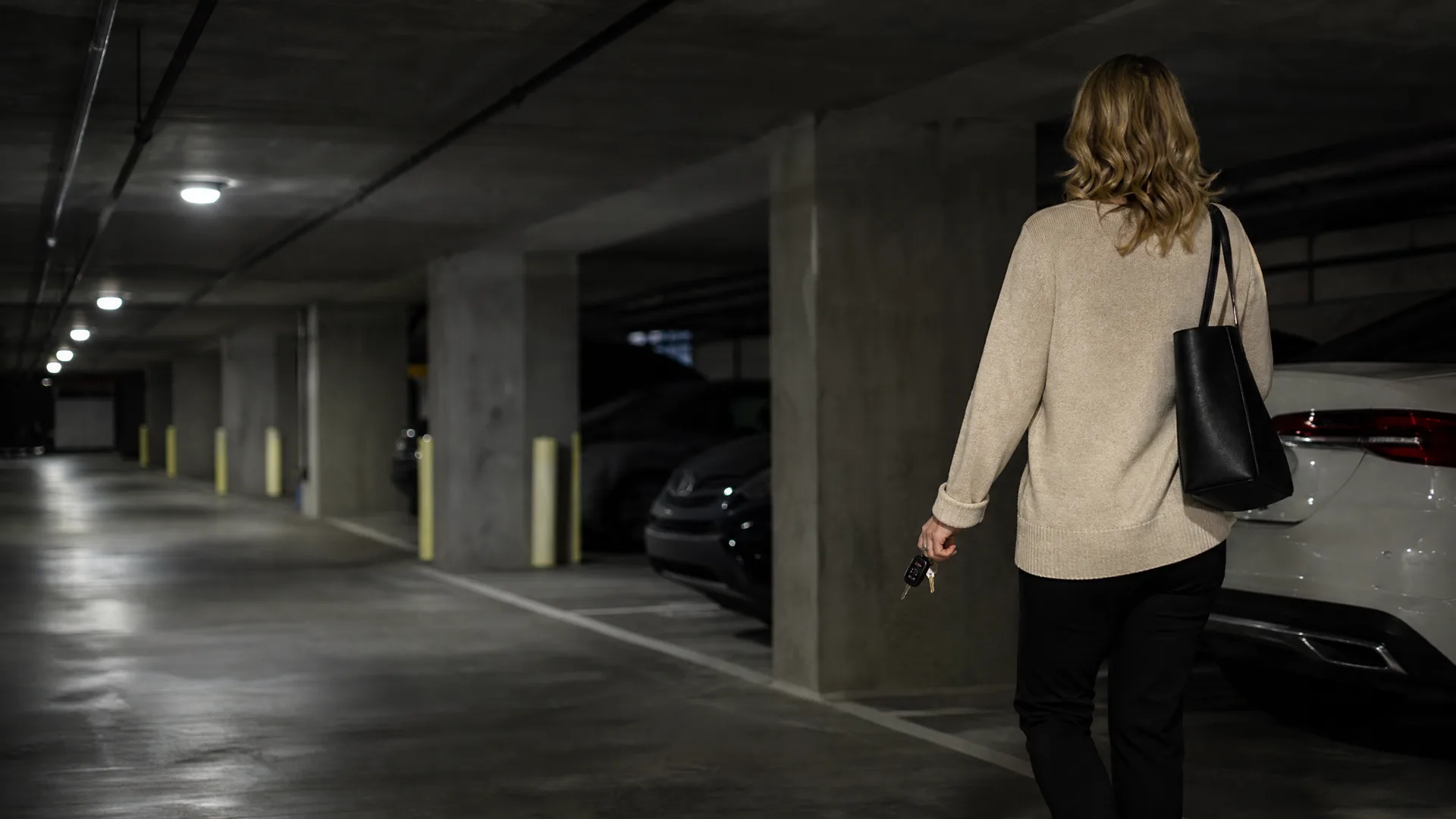
Iowa DUI Reinstatement for Single Parents: TRL Timing & SR-22 Filing
Free to compare
When Does the 30-Day Hard Suspension End for Iowa DUI Offenders
Iowa imposes a mandatory 30-day hard suspension on first-offense OWI (Operating While Intoxicated) convictions during which no driving is permitted. This period begins on the date your revocation notice takes effect, not your arrest date or conviction date.
The Iowa DOT will not accept a Temporary Restricted License (TRL) application until you have served the full 30 days. Submitting early gets rejected automatically. Mark day 31 on your calendar—that is your first eligible application date.
For second and subsequent OWI offenses, the hard suspension period is longer and eligibility for TRL changes. Iowa Code § 321J.4 governs these timelines.

Why SR-22 Must Be Filed Before You Submit Your TRL Application
Iowa DOT requires proof of financial responsibility—an SR-22 certificate of insurance—before processing any TRL application tied to an OWI revocation. The SR-22 filing must show active in the Iowa DOT Motor Vehicle Division database before your application moves to review status.
Most single parents lose two to three weeks here because they gather employment verification, ignition interlock device installation confirmation, and court completion certificates first, then file the TRL application, then call an agent about SR-22. That sequence is backwards. The SR-22 filing takes 3-7 business days to transmit from your insurer to Iowa DOT. If you file your TRL application on day 31 without SR-22 already active, your paperwork sits in pending status until the SR-22 posts.
Call an SR-22 insurer on day 25 of your hard suspension. File the SR-22 immediately. By day 31, it will be active in the state system and your TRL application can process on submission. Iowa requires SR-22 for 2 years from your conviction date, so this filing obligation extends beyond reinstatement.


What Documentation Iowa DOT Requires for Single-Parent TRL Applications
Iowa TRL applications require a completed application form, an SR-22 certificate showing active coverage, proof of ignition interlock device installation (for OWI-related revocations), and a statement of need documenting employment, education, or medical necessity. Single parents should frame their statement around childcare transportation, employment commutes necessary to maintain custody, medical appointments for dependents, and school drop-off obligations.
Employer affidavits carry the most weight. A letter on company letterhead stating your work hours, location, and that no public transit serves the route strengthens the application significantly. Iowa does not use a standardized affidavit form—your employer writes it directly.
For ignition interlock confirmation, Iowa DOT accepts only installation receipts from state-approved vendors. The device must be installed before you apply for the TRL. Installing the device after applying delays processing until you submit the vendor confirmation as a supplemental document. Approved vendors submit installation notices electronically to Iowa DOT, but you should retain a copy of your installation receipt as backup documentation.
How Iowa Defines Approved Purposes Under the Temporary Restricted License
Iowa's TRL allows driving for employment, education, medical treatment, and court or DOT-approved essential purposes. Unlike some states with fixed route restrictions (home to work only), Iowa evaluates each applicant's documented need individually and approves specific purposes rather than blanket categories.
Single parents can request approval for multiple routes: work commute, daycare drop-off and pickup, children's school transportation, grocery shopping for dependents, and medical appointments for dependents. Each purpose must be documented separately in your statement of need. List specific addresses, typical travel times, and frequency (daily, weekly, as-needed).
Iowa does not impose statewide time-of-day restrictions on TRL driving. Instead, your approved hours match your documented purposes. If you work second shift and daycare pickup happens at 10 p.m., those hours can be approved if documented. Do not assume standard daytime-only restrictions apply—request the hours you actually need.

Line Up Coverage Before Your License Comes Back
Get Back on the Road
What Happens If Your SR-22 Coverage Lapses During the TRL Period
Iowa operates an electronic insurance verification system. When your insurer cancels your SR-22 policy or files an SR-26 cancellation notice, Iowa DOT receives that notice within 24-48 hours and issues an immediate notice of revocation for your TRL. There is no grace period.
Most single parents lose their TRL this way during the first six months because high-risk premiums strain budgets and a missed payment triggers automatic cancellation. Insurers are required to notify Iowa DOT of lapses. The state does not wait for you to cure the lapse—the TRL is revoked on the lapse date, not when you reinstate coverage.
If your TRL is revoked for lapse, you must refile SR-22, wait for the new certificate to post to Iowa DOT, and reapply for the TRL from scratch. The original TRL does not automatically reinstate when you fix the insurance. Budget SR-22 premiums carefully. A six-month policy paid in full avoids mid-term lapse risk if your financial situation is unstable.

How Iowa's Ignition Interlock Requirement Affects TRL Eligibility Timing
Iowa requires ignition interlock devices for the entire TRL period on OWI-related revocations. The device must be installed before you submit your TRL application. Installation takes 1-3 business days after you schedule with an approved vendor, and vendors typically require 5-10 days advance notice for appointments.
The interlock installation adds $75-$150 upfront, plus $60-$90 monthly monitoring fees. These costs run parallel to your SR-22 insurance premiums, not instead of them. Single parents budgeting for reinstatement need to plan for both expenses simultaneously—ignition interlock fees and high-risk SR-22 premiums.
Iowa DOT will not remove the interlock requirement until your full revocation period ends and you complete reinstatement. Even after your TRL expires and you reinstate your full license, the interlock stays installed until Iowa DOT issues a removal notice. Removing the device early triggers a new violation and extends your revocation period.
What Iowa Reinstatement Costs Single Parents Should Budget For
Iowa's base reinstatement fee is $20, but OWI-related revocations add a $200 civil penalty fee under Iowa Code § 321J.17, bringing total reinstatement fees to $220. These fees are due when you apply for full license reinstatement after your revocation period ends—not during the TRL application process.
SR-22 filing fees range from $15-$35 as a one-time charge, but the actual cost burden is the premium increase. Single parents with an OWI on record typically see monthly premiums between $140-$240 for minimum liability coverage with SR-22 endorsement, compared to $65-$95 for clean-record drivers in Iowa. This premium increase lasts for the entire 2-year SR-22 filing period.
Ignition interlock costs add $60-$90 monthly for monitoring, calibration, and data reporting fees. Over a 1-year TRL period, total interlock costs run $720-$1,080. Court-ordered Drinking Driver Program (DDP) enrollment adds another $250-$400 depending on the provider. Total first-year cost for TRL and reinstatement typically reaches $2,500-$3,800 when premiums, device fees, reinstatement fees, and DDP costs are combined.
Frequently Asked Questions
Can I drive my kids to school during Iowa's 30-day hard suspension after a DUI
No. Iowa's mandatory 30-day hard suspension on first-offense OWI convictions prohibits all driving, including childcare transportation, employment commutes, and medical trips. The Temporary Restricted License (TRL) becomes available only after you complete the full 30 days. Driving during the hard suspension period adds a new charge and extends your revocation.
Do I need SR-22 insurance if I don't own a car after an Iowa DUI suspension
Yes. Iowa requires SR-22 proof of financial responsibility for OWI reinstatement and TRL eligibility regardless of vehicle ownership. Single parents without a vehicle should file a non-owner SR-22 policy, which provides liability coverage when driving borrowed or rental vehicles and satisfies Iowa DOT's filing requirement at lower cost than standard policies.
How long does Iowa DOT take to approve a TRL application after I submit it
Iowa DOT typically processes TRL applications within 10-15 business days after all required documentation—including active SR-22 filing and ignition interlock installation confirmation—is received. Applications missing SR-22 or IID proof sit in pending status until you submit the missing documents, which restarts the processing clock.
What happens if I can't afford ignition interlock device fees during my Iowa TRL period
Iowa does not waive ignition interlock requirements for financial hardship on OWI-related TRL cases. If you cannot maintain the device and monitoring fees, your TRL will be revoked when payments lapse or the device is removed without Iowa DOT authorization. Some counties offer indigent IID assistance programs—contact your county's substance abuse services office to check local eligibility.
Can I apply for Iowa's Temporary Restricted License before my 30-day hard suspension ends
No. Iowa DOT will not accept TRL applications until the mandatory 30-day hard suspension is fully served. Applications submitted early are rejected automatically. You should prepare all required documentation—SR-22 filing, employer affidavit, ignition interlock installation confirmation—during the hard suspension period so you can apply on day 31.
Does Iowa require the Drinking Driver Program before I can get a TRL or only for full reinstatement
Iowa requires completion of a state-approved Drinking Driver Program (DDP) for full license reinstatement after OWI revocation, not for TRL eligibility. You can apply for and receive a TRL before completing DDP, but your full license will not be reinstated until you finish the program and submit proof to Iowa DOT.
Related Articles

Iowa Unpaid Tickets TRL: SR-22 Filing Order Parents Miss
5/3/2026

Iowa Child Support Suspension: TRL and Reinstatement
5/3/2026

Iowa DUI TRL for Students: SR-22 Filing & Lapse Gaps
5/3/2026

Iowa Child Support TRL for Rideshare Drivers | SR-22 Guide
5/3/2026
Iowa OWI Reinstatement for Rideshare: SR-22 & TRL Timing
5/3/2026

Iowa DUI Reinstatement for Rideshare: DMV Timing Gap
5/3/2026