
Iowa Child Support Suspension: TRL Access for Rideshare Drivers
Free to compare
Why Iowa Rideshare Drivers Can't Speed Up Child Support Reinstatement With SR-22
Iowa child support suspensions are administrative actions imposed by the Iowa DOT at the request of the Child Support Recovery Unit (CSRU). SR-22 insurance filing is not required for child support suspensions because these are compliance-based suspensions, not moving violations or financial responsibility cases.
Filing SR-22 will not reinstate your license or accelerate processing. Iowa DOT will not lift the suspension until CSRU issues a compliance notice confirming payment arrangements or arrears clearance. That notice must route through family court, then to CSRU, then to Iowa DOT Motor Vehicle Division—a process that takes 45-90 days even when you've already paid.
Most rideshare drivers assume making a lump-sum payment or setting up wage garnishment immediately clears their driving record. It does not. The administrative clearance process runs on its own timeline, independent of your payment date.

How Iowa's Temporary Restricted License (TRL) Works for Child Support Cases
Iowa offers a Temporary Restricted License (TRL) for drivers with suspended licenses who need to drive for work, school, or medical treatment. The TRL application is processed through the Iowa DOT Motor Vehicle Division, but your application will not be approved until your child support suspension is administratively cleared.
This creates a procedural gap most drivers miss: you can submit your TRL application while your suspension is still active, but Iowa DOT will hold your application in pending status until CSRU notifies them that you've satisfied compliance requirements. If you submit your TRL application before the compliance notice reaches Iowa DOT, you'll wait weeks for a denial or a request for updated documentation.
For rideshare drivers specifically, this means you cannot restart gig work on platforms like Uber or Lyft until both your compliance notice clears and your TRL is approved. Most platforms require a valid driver's license and will deactivate your account when your state driving record shows an active suspension, regardless of whether you've applied for a restricted license.


The Three-Entity Coordination Problem Iowa Drivers Face
Iowa's child support reinstatement process requires coordination between three separate agencies: the family court that issued the original support order, the Child Support Recovery Unit (CSRU) that enforces compliance, and the Iowa DOT Motor Vehicle Division that controls your license status. None of these agencies automatically notifies the others when you take action.
When you make a payment or set up a payment plan, family court updates its records. CSRU must then verify compliance, issue a clearance letter, and send it to Iowa DOT. Iowa DOT processes the clearance and lifts the suspension flag on your driving record. Each step adds processing days, and no single point of contact can tell you where your case currently sits in the queue.
Rideshare drivers are especially vulnerable to this gap because platforms run automated weekly or monthly background checks that pull your current DMV status. Even if you've paid your arrears in full, your license will show as suspended until Iowa DOT receives and processes the CSRU compliance notice. During that window—typically 30-60 days—you cannot drive for income.
What Documentation Iowa DOT Requires for TRL Applications After Child Support Suspension
Iowa's TRL application for child support cases requires an SR-22 filing, proof of employment or income need, and CSRU compliance documentation. The SR-22 requirement may seem contradictory given that child support suspensions are not insurance-related, but Iowa Code requires proof of financial responsibility for all TRL applicants regardless of suspension cause.
Your TRL application must include a statement of need that documents your work schedule, employer contact information, and the specific hours and routes you'll need to drive. For rideshare drivers, this is more complicated than for W-2 employees because gig platforms don't issue traditional employment verification letters. You'll need to provide driver dashboard screenshots showing your active status, earnings summaries, and a written explanation of your need to drive for income.
CSRU compliance documentation varies by case. If you've entered a payment plan, you'll need a copy of the signed agreement and proof of the first payment. If you've paid arrears in full, you'll need a receipt and a clearance letter from CSRU. Iowa DOT will not accept verbal confirmation or bank statements showing payment—only official CSRU documentation clears the suspension flag.

Line Up Coverage Before Your License Comes Back
Get Back on the Road
How Long Iowa TRL Approval Takes and What Delays It
Iowa DOT does not publish a standard TRL processing timeline, but most applications take 14-30 days once all required documentation is submitted and your child support suspension is administratively cleared. If you submit your TRL application before CSRU compliance documentation reaches Iowa DOT, your application will sit in pending status until clearance arrives.
The most common delay is submitting your TRL application immediately after making a payment or signing a payment plan, before family court and CSRU have processed the compliance notice. Iowa DOT cannot approve your TRL while your license status still shows an active child support suspension, even if you attach proof of payment to your application.
Rideshare drivers often delay reinstatement further by treating SR-22 filing as optional or secondary. Iowa requires SR-22 for all TRL applicants, and your application will be denied without it. File SR-22 with a licensed carrier before submitting your TRL application, not after.
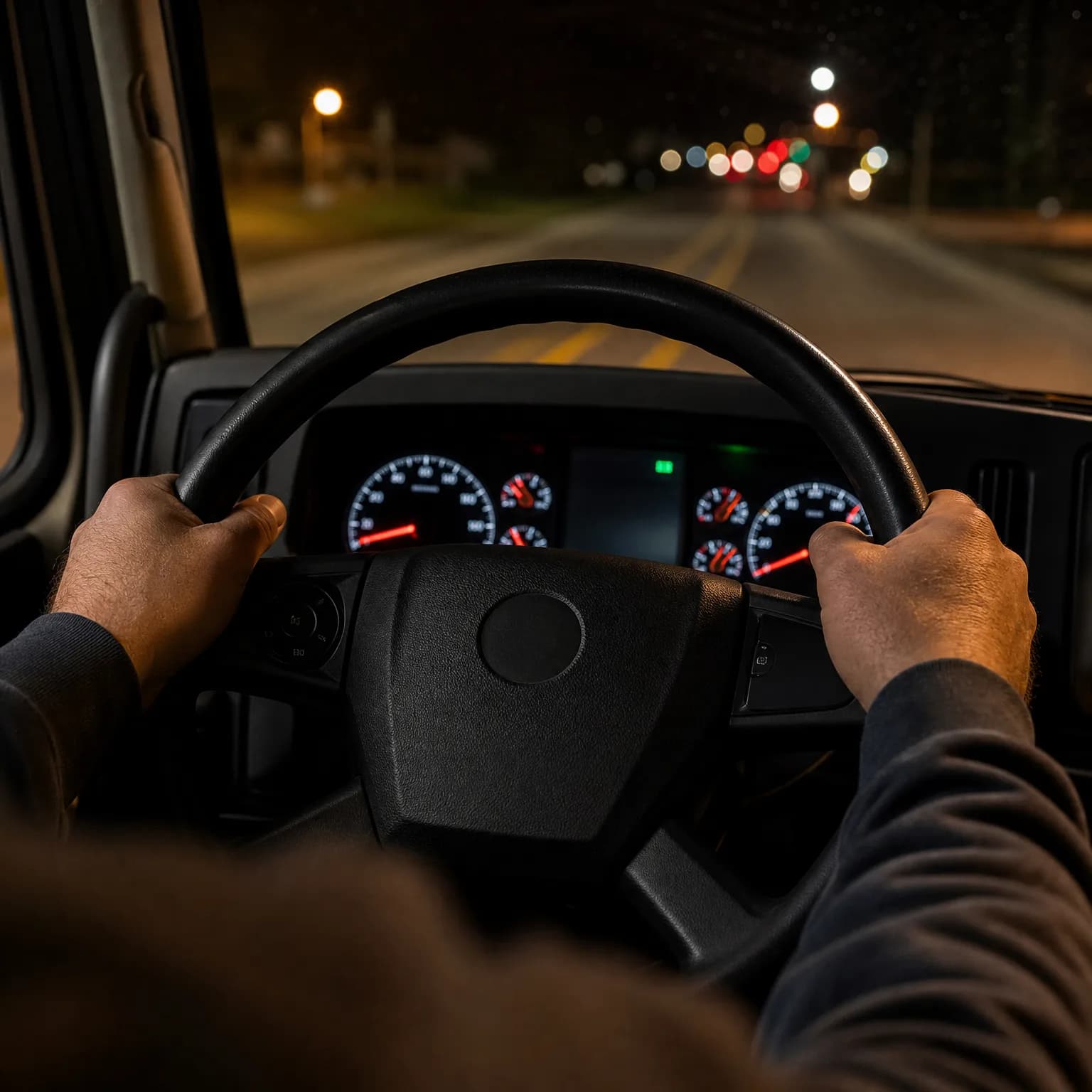
SR-22 Filing Strategy for Iowa Rideshare Drivers Without a Personal Vehicle
Most rideshare drivers do not own the vehicle they drive for gig work. Uber and Lyft allow drivers to use rental vehicles, lease vehicles, or vehicles owned by other drivers on the platform. If you do not own a vehicle, you need a non-owner SR-22 policy, not a standard auto insurance policy with SR-22 endorsement.
A non-owner policy provides liability coverage when you drive a vehicle you do not own. It satisfies Iowa's SR-22 filing requirement for TRL applications and costs significantly less than a standard policy because it does not include collision or comprehensive coverage. Monthly premiums for non-owner SR-22 policies in Iowa typically range from $40-$80/month, depending on your driving history and the carrier.
File your non-owner SR-22 policy before submitting your TRL application. Iowa DOT requires active SR-22 coverage at the time of application, and your carrier must electronically file the SR-22 certificate with Iowa DOT Motor Vehicle Division. Do not rely on paper certificates or confirmation emails—Iowa's system processes electronic filings only.
What Happens If You Drive for Rideshare Platforms on a Suspended License in Iowa
Driving on a suspended license in Iowa is a simple misdemeanor for first offense, punishable by up to 30 days in jail and a fine of $65-$625 under Iowa Code § 321.218. Rideshare platforms run background checks that flag active suspensions, and most will deactivate your driver account when your state DMV record shows a suspension.
Even if you continue driving after deactivation by switching platforms or using another driver's account, Iowa law enforcement can charge you with driving under suspension during any traffic stop or accident investigation. A second conviction within one year is a serious misdemeanor, carrying up to one year in jail and a fine of $315-$1,875.
Rideshare platforms also reserve the right to permanently ban drivers who operate on suspended licenses, and conviction for driving under suspension creates a permanent criminal record that complicates future gig work, employment background checks, and insurance eligibility.
Frequently Asked Questions
Can I get a TRL in Iowa if I still owe child support but have a payment plan?
Yes, but only after CSRU verifies your payment plan and issues a compliance notice to Iowa DOT. Making your first payment does not automatically clear your suspension. You must wait for family court and CSRU to process compliance documentation before Iowa DOT will approve your TRL application.
Do Uber and Lyft accept Iowa's Temporary Restricted License for rideshare driving?
No. Uber and Lyft require a full, unrestricted driver's license in all states. A TRL is restricted to court-approved purposes like employment, school, or medical treatment, and rideshare platforms do not accept restricted licenses for driver activation or reactivation.
How much does SR-22 insurance cost in Iowa for a non-owner policy?
Non-owner SR-22 policies in Iowa typically cost $40-$80 per month, depending on your driving history and the carrier. This is significantly less than a standard auto insurance policy with SR-22 endorsement because non-owner policies provide liability coverage only, without collision or comprehensive coverage.
Will Iowa DOT notify me when my child support suspension is lifted?
Iowa DOT does not automatically notify drivers when a suspension is lifted. You must check your driving record online through the Iowa DOT website or call the Motor Vehicle Division directly to confirm your license status after CSRU issues a compliance notice.
Can I apply for a TRL in Iowa before paying my child support arrears?
No. Iowa DOT will not approve a TRL application while your child support suspension is still active. You must establish a payment plan or pay arrears in full, wait for CSRU to issue a compliance notice, and wait for Iowa DOT to process that notice before your TRL application can be approved.
What happens if my SR-22 lapses while I'm on a TRL in Iowa?
Iowa DOT will revoke your TRL and re-suspend your license. Carriers are required to notify Iowa DOT electronically when an SR-22 policy is canceled or lapses, and Iowa DOT processes those cancellations immediately. You must maintain continuous SR-22 coverage for the entire duration of your TRL period.
Related Articles
Iowa Child Support Reinstatement Costs for Rideshare Drivers
5/3/2026

Iowa Child Support Suspension: TRL and Reinstatement
5/3/2026

Iowa Child Support Suspension: TRL & SR-22 Rules
5/3/2026
Iowa TRL for Rideshare Drivers: SR-22 & Unpaid Tickets
5/3/2026

Iowa Unpaid Tickets TRL: SR-22 Filing Order Parents Miss
5/3/2026

IA License Suspended for Child Support: Reinstatement
4/29/2026