
Reinstating Your DUI License in Anchorage: SR-22, Interlock & Court
Free to compare
Why Alaska Sequences Interlock Before SR-22 Filing
Alaska DMV will reject your SR-22 filing if you submit it before installing an ignition interlock device on any vehicle you drive. The state requires IID installation verification from a state-certified provider before processing your certificate of insurance, even if you don't own a car.
This creates a three-party coordination problem: your court order sets your requirements, your IID provider must submit installation confirmation to DMV, and only then can your insurance carrier file SR-22 on your behalf. Missing this sequence extends your suspension by the time it takes to resubmit correctly.
Anchorage drivers reinstating after DUI typically face 90 days minimum suspension for first offense, 1 year for second offense. Your ignition interlock requirement runs 6 months minimum for first offense, 12 months for second, 36 months for third. The SR-22 requirement runs 3 years from reinstatement date regardless of offense count.

The Exact Reinstatement Sequence Alaska DMV Requires
Complete your court-ordered alcohol treatment or assessment first. Alaska DMV will not process reinstatement until your court file shows compliance with all sentencing conditions. Most Anchorage courts use the CourtView online portal where you can verify your compliance status appears as satisfied.
Schedule ignition interlock installation with an Alaska-certified provider within 7 days of your eligibility date. Certified providers in Anchorage include LifeSafer, Intoxalock, and Smart Start. Installation costs $70–$150 plus monthly monitoring fees of $60–$90. Your provider submits electronic installation verification directly to Alaska DMV within 24 hours.
Contact an SR-22 carrier only after your IID provider confirms DMV submission. Your carrier files SR-22 electronically with Alaska DMV, typically processing within 1–3 business days. Progressive, The General, and Bristol West write high-risk policies in Alaska with SR-22 filing. Monthly premiums after DUI in Anchorage typically run $180–$280 for liability-only coverage.
Pay your reinstatement fee at any Alaska DMV office or online through the DMV portal. First-offense DUI reinstatement costs $500. Second offense costs $1,000. Third offense costs $1,500. Alaska DMV issues your reinstated license same-day if all documentation shows verified in their system.
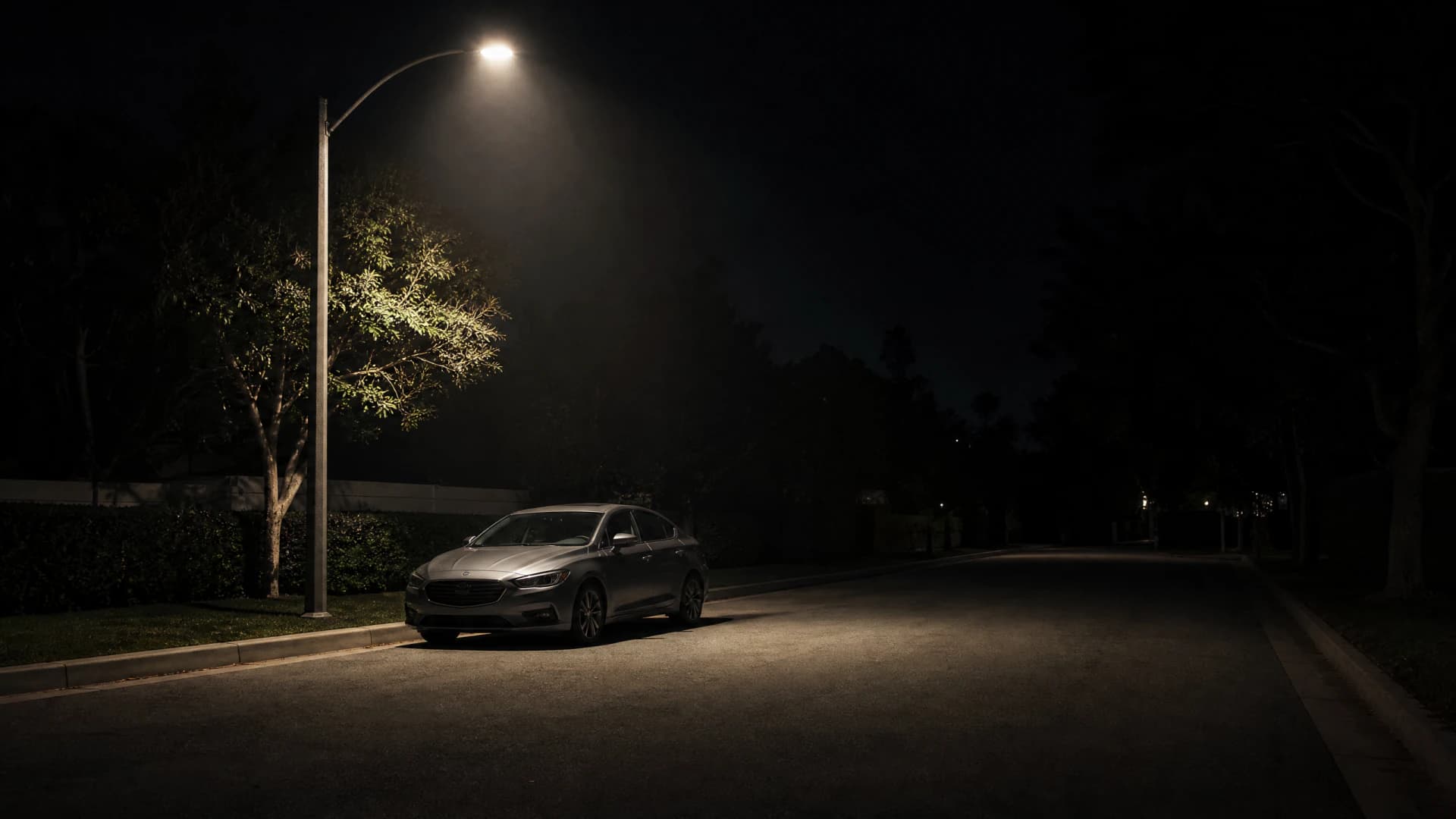

What Happens If You File Out of Sequence
Alaska DMV's electronic SR-22 system automatically flags filings submitted without corresponding IID verification on file. Your carrier receives a rejection notice, your filing date resets, and you remain suspended until you resubmit after installing the device.
This reset matters because Alaska calculates your 3-year SR-22 requirement from the date DMV accepts your filing, not the date your carrier submitted it. A rejection can extend your total SR-22 period by weeks or months depending on how long it takes you to install the interlock and refile.
Some Anchorage drivers attempt to use non-owner SR-22 policies to satisfy the requirement without installing an interlock on a vehicle. Alaska DMV rejects this approach for DUI suspensions. You must show active IID installation on at least one vehicle, even if you arrange to use a family member's car as your primary vehicle during the interlock period.
How Anchorage Court Orders Affect Your DMV Timeline
Your sentencing order sets your minimum suspension period, but it does not automatically trigger reinstatement. Alaska operates under dual suspension authority: the court imposes a criminal suspension and DMV imposes an administrative suspension. You must satisfy both before reinstatement.
Most Anchorage DUI cases result in parallel suspensions that run concurrently, but if you refused breath testing at arrest, DMV adds a separate 90-day administrative suspension that may extend beyond your criminal suspension period. Check your DMV driving record online to confirm when both suspension periods actually end.
Your court may offer a limited license for work or medical purposes during suspension. Alaska calls this an ignition interlock limited license. You can apply 30 days into your suspension for first offense, 90 days for subsequent offenses. This allows restricted driving but still requires IID installation and SR-22 filing before DMV issues the limited license.

Line Up Coverage Before Your License Comes Back
Get Back on the Road
SR-22 Insurance Costs in Anchorage After DUI
Expect your premium to increase 80–140% after DUI conviction compared to your pre-suspension rate. Anchorage drivers with clean records pay approximately $90–$130/month for state minimum liability coverage. After DUI, the same coverage costs $180–$280/month with SR-22 filing.
Alaska requires minimum liability limits of 50/100/25: $50,000 per person for injury, $100,000 per accident, $25,000 for property damage. Most carriers require you to carry these exact minimums or higher when filing SR-22. Dropping to lower coverage is not permitted during your 3-year filing period.
Your rate improves gradually if you maintain continuous coverage and avoid new violations. Drivers typically see 10–15% annual rate reductions after year one, larger drops after year two once the DUI ages past the highest-impact window. Letting your policy lapse even one day during the 3-year SR-22 period resets your filing requirement to zero and triggers a new suspension.

What Triggers SR-22 Requirement Removal in Alaska
Alaska DMV removes your SR-22 requirement exactly 3 years from your reinstatement date if you maintain continuous coverage with no lapses. Your carrier submits an SR-26 form electronically to notify DMV your filing period has ended. You do not need to take any action.
Your insurance rate does not automatically drop when SR-22 filing ends. The DUI conviction remains on your Alaska driving record for 10 years and continues to affect your premium, though the impact decreases each year. Most carriers reduce rates 15–25% once SR-22 filing ends because they no longer monitor for lapses.
You can remove your ignition interlock device once you complete your court-ordered IID period, which may be shorter than your SR-22 period. First-offense DUI typically requires 6 months of interlock, but 3 years of SR-22. Your IID provider submits removal verification to Alaska DMV and you continue SR-22 filing without the device.
Non-Owner SR-22 Options for Anchorage Drivers Without Cars
Alaska allows non-owner SR-22 policies to satisfy reinstatement requirements for drivers who do not own a vehicle, but only if you still install an ignition interlock device on any vehicle you drive regularly. This creates a practical problem: you need regular access to a specific vehicle for IID installation even if you don't own it.
Non-owner policies in Anchorage cost $40–$80/month for state minimum liability coverage with SR-22 filing. This is roughly half the cost of an owner policy after DUI. The policy covers you when driving borrowed or rental vehicles but provides no coverage for a vehicle you own or one registered to someone in your household.
If you live with someone who owns a car, Alaska DMV may require you to install an interlock on their vehicle or exclude yourself as a driver on their policy. Most families choose the interlock option because excluding you prevents you from driving that vehicle legally during your entire SR-22 period.
Frequently Asked Questions
Can I get SR-22 insurance in Alaska before installing an ignition interlock device?
No. Alaska DMV rejects SR-22 filings submitted before your ignition interlock provider confirms installation. Your carrier cannot successfully file SR-22 until DMV shows IID installation verified in their system, even for non-owner policies.
How much does ignition interlock installation cost in Anchorage?
Installation costs $70–$150 depending on provider and vehicle type. Monthly monitoring and calibration fees run $60–$90. Most Anchorage drivers pay $500–$700 total for a 6-month first-offense interlock period.
Does Alaska SR-22 requirement end when my ignition interlock period ends?
No. Alaska requires 3 years of SR-22 filing from reinstatement date regardless of your interlock period length. First-offense DUI typically requires 6 months of interlock but 3 years of SR-22, so you continue filing after device removal.
What happens if my SR-22 policy lapses during my 3-year filing period in Alaska?
Alaska DMV suspends your license immediately when your carrier notifies them of policy cancellation or lapse. Your 3-year SR-22 requirement resets to zero and you must complete the full reinstatement process again, including paying another reinstatement fee.
Can I use a limited license in Alaska while my DUI suspension is active?
Yes. Alaska issues ignition interlock limited licenses for work, medical, or educational driving 30 days into your first-offense suspension or 90 days into subsequent suspensions. You must install IID and file SR-22 before DMV issues the limited license.
Related Articles

Alaska DUI Reinstatement: SR-22 Timing for Students
5/3/2026
Alaska DUI SR-22 Filing: IID Installation Timing
5/3/2026

Alaska DUI SR-22 for Rideshare: IID Filing Order
5/3/2026
Alaska CDL DUI Reinstatement Cost: Fees, IID, SR-22
5/3/2026

Alaska CDL DUI Reinstatement: SR-22 & FMCSA Timing
5/3/2026

Alaska DUI Reinstatement for Rideshare: Court-DMV Gap
5/3/2026