
WV Unpaid Tickets Suspension: SR-22 Timing for Rideshare Drivers
Free to compare
Does West Virginia require SR-22 filing after an unpaid tickets suspension?
No. West Virginia does not require SR-22 financial responsibility filing for suspensions triggered by unpaid traffic tickets or court fines. SR-22 is reserved for DUI revocations, uninsured motorist violations, and specific high-risk driving offenses under WV Code §17D. Unpaid ticket suspensions are administrative actions to compel payment, not insurance-compliance triggers.
Rideshare drivers often file SR-22 anyway because platform support scripts assume all suspensions require it. Uber and Lyft background check vendors flag any license suspension and request proof of financial responsibility without distinguishing suspension type. Drivers waste $300-$600 annually on unnecessary SR-22 premiums because they follow platform guidance instead of checking their state's actual reinstatement requirements.
Verify your suspension letter from WV DMV. If the notice cites unpaid fines, failure to appear, or court debt, SR-22 is not required. Your reinstatement path is clearance from the issuing court plus the $50 DMV reinstatement fee.

What rideshare platforms actually need after West Virginia reinstatement
Uber and Lyft require proof your license is fully reinstated and active—not SR-22 certificates. The confusion arises because platform background check vendors use templated suspension protocols that assume worst-case documentation. When your license shows as suspended in their system, support agents request SR-22 by default.
After you reinstate through WV DMV, platforms need three pieces of documentation: a current driver license status verification letter from WV DMV showing no active suspensions, proof of continuous liability insurance meeting state minimums ($25,000 bodily injury per person, $50,000 per accident, $25,000 property damage), and clearance confirmation from the court that issued the suspension trigger. The status verification letter is the critical document—order it directly from WV DMV after your reinstatement processes, typically available 3-5 business days after payment.
Platforms will not reactivate your account based on a reinstatement receipt alone. Their compliance teams wait for backend MVR updates, which lag DMV processing by 7-14 days in West Virginia. Request the verification letter immediately after reinstatement to submit proactively rather than waiting for their automated system to clear.

The three-entity coordination gap that delays rideshare reactivation
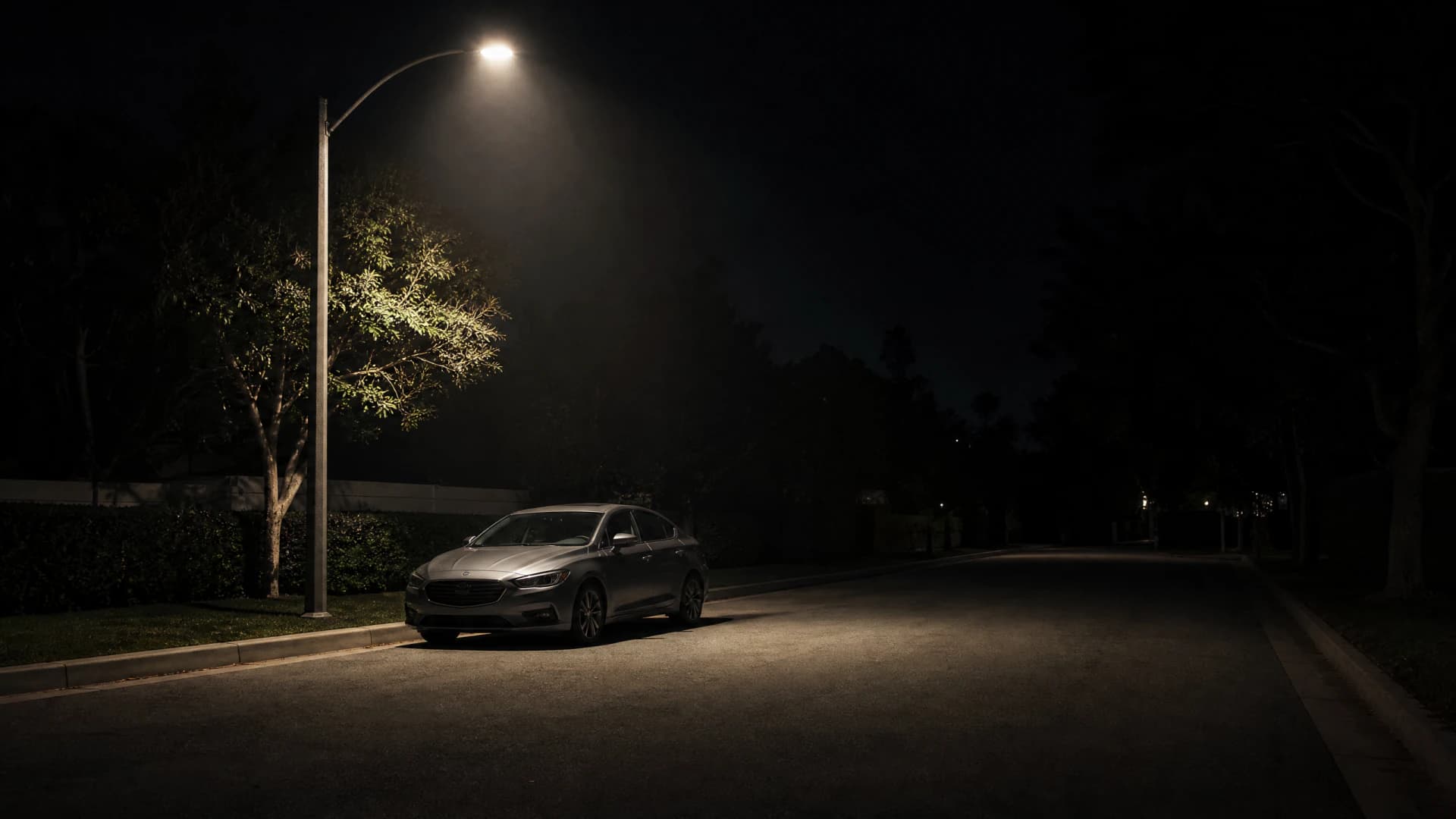
West Virginia unpaid ticket reinstatements require sequential actions across three separate systems: the court that issued the suspension order, WV DMV's reinstatement processing unit, and the rideshare platform's background check vendor. Each operates independently with no automatic notification between them.
Most rideshare drivers pay their court fines and assume reinstatement is automatic. It is not. The court issues a clearance notice to DMV, but you must separately file for reinstatement with WV DMV, pay the $50 reinstatement fee, and wait for DMV to process the clearance confirmation from the court. This creates a 15-30 day gap during which your license remains suspended in DMV records even though the underlying debt is resolved.
Rideshare platforms pull updated MVR data every 7-14 days. If you reinstate your license but the platform's vendor pulls data during the processing window, your account stays deactivated for another cycle. The failure mode: drivers reinstate successfully but wait 21-45 days for platform reactivation because they didn't coordinate documentation submission with the vendor's update schedule.
Step-by-step reinstatement process for WV unpaid tickets suspension
First, resolve the underlying debt with the court that issued the suspension. Pay all outstanding fines, court costs, and fees directly to the circuit court or magistrate court clerk. Request a written clearance letter confirming all obligations are satisfied. The court will notify WV DMV, but this transmission is not immediate—allow 5-10 business days.
Second, file for reinstatement with WV DMV once you have court clearance confirmation. Submit proof of payment, the court clearance letter, proof of current liability insurance, and the $50 reinstatement fee. WV DMV processes reinstatements within 7-10 business days if all documentation is complete. Processing delays occur when court clearance has not yet posted to DMV systems—calling ahead to confirm clearance visibility saves a rejected application.
Third, order a driver license status verification letter from WV DMV after reinstatement is complete. This letter confirms no active suspensions and is the document rideshare platforms accept for account reactivation. Submit this letter plus your current insurance declarations page to the platform's support team proactively. Do not wait for their automated compliance system to detect the reinstatement—manual submission cuts reactivation time from 21-30 days to 3-7 days.

Line Up Coverage Before Your License Comes Back
Get Back on the Road
Why rideshare drivers overpay for SR-22 when they don't need it
Platform support scripts treat all license suspensions identically. When drivers contact Uber or Lyft about suspended license status, tier-one support references SR-22 filing as a blanket requirement because DUI suspensions—which do require SR-22 in West Virginia—are the most common suspension type in their ticket queues. Agents do not verify suspension cause before advising documentation requirements.
Drivers follow this guidance, contact insurance carriers, and purchase SR-22 policies. Carriers have no incentive to correct the misunderstanding—SR-22 endorsements generate $15-$50 monthly fees and classify the driver as high-risk, raising base premiums by 30-60%. A driver paying $110/month for liability coverage pre-suspension jumps to $160-$190/month with unnecessary SR-22 filing.
The correction point: before purchasing SR-22, verify your suspension notice from WV DMV. If the letter cites "failure to pay fines," "court debt," or "failure to appear," SR-22 is not required for reinstatement or platform reactivation. Standard liability insurance meeting state minimums is sufficient. Request a reinstatement requirements summary from WV DMV directly at 304-558-3900 to confirm before changing your insurance policy.
How to maintain rideshare eligibility after West Virginia reinstatement
Continuous liability insurance is mandatory for all registered vehicles in West Virginia under WV Code §17A-3-14. WV DMV operates an electronic insurance verification system that matches active policies to registered vehicles in near real-time. A lapse triggers automatic registration suspension, which platforms detect within 7-14 days and results in immediate account deactivation.
Rideshare drivers who reinstate after unpaid ticket suspensions often let insurance lapse because they assume the reinstatement itself satisfies platform requirements. It does not. Platforms monitor your license status and insurance coverage continuously. A 24-hour lapse between policy cancellation and new policy activation shows as uninsured in WV's EIV system and triggers a new administrative suspension before you receive notification.
Set policy renewal reminders 10 days before expiration. If switching carriers, overlap coverage by at least 48 hours to account for electronic reporting lag between your old carrier's cancellation notice and your new carrier's activation notice reaching WV DMV. Most drivers who experience post-reinstatement deactivation trace the cause to a 1-3 day coverage gap they didn't realize existed.
When SR-22 actually is required in West Virginia
SR-22 financial responsibility filing is required in West Virginia for DUI or DWI revocations under WV Code §17C-5A, uninsured motorist violations, reckless driving convictions in some cases, and habitual offender revocations under WV Code §17B-3-6. These suspensions involve insurance compliance failures or high-risk driving behavior, not administrative debt.
If your suspension letter references alcohol, controlled substances, driving without insurance, or accumulation of serious violations, SR-22 is likely required. The suspension notice from WV DMV will explicitly state "proof of financial responsibility required" if SR-22 applies to your case. Unpaid ticket suspensions do not carry this language.
For DUI-related suspensions, West Virginia requires SR-22 filing for three years from the conviction date, measured from conviction not from filing date. The filing must remain continuous—a lapse restarts the three-year clock and triggers a new suspension. This is distinct from unpaid ticket suspensions, where reinstatement is a one-time process with no ongoing SR-22 obligation.
Frequently Asked Questions
Can I drive for Uber or Lyft while my West Virginia license is suspended for unpaid tickets?
No. Rideshare platforms deactivate accounts immediately when their background check vendors detect an active license suspension, regardless of cause. You must fully reinstate your WV license through DMV before account reactivation is possible.
How long does it take to reactivate a rideshare account after WV license reinstatement?
Automated reactivation takes 21-30 days because platforms pull updated MVR data every 7-14 days. Proactive submission of a WV DMV driver license status verification letter to platform support cuts this to 3-7 days in most cases.
Does West Virginia require continuous insurance coverage during a suspension for unpaid tickets?
Yes, if your vehicle remains registered. WV's electronic insurance verification system monitors all registered vehicles for continuous coverage. A lapse triggers automatic registration suspension even if your license suspension is already resolved.
What happens if I file SR-22 for an unpaid tickets suspension when it's not required?
You pay unnecessary premiums. SR-22 endorsement fees run $15-$50/month and classify you as high-risk, raising base rates 30-60%. For unpaid ticket suspensions in WV, standard liability insurance is sufficient for both reinstatement and rideshare reactivation.
Can I use a non-owner insurance policy to meet WV reinstatement requirements if I don't have a car?
Yes. Non-owner liability policies satisfy WV's financial responsibility requirements for license reinstatement when you don't own a vehicle. Rideshare platforms accept non-owner policies for driver reactivation as long as coverage meets state minimums.
Will my WV unpaid tickets suspension appear on background checks after reinstatement?
The suspension remains on your driving record for three years from the reinstatement date. Rideshare platforms see the historical suspension but approve drivers whose licenses are currently active and carry no outstanding violations or debt.
Related Articles
WV Unpaid Tickets Suspension for Rideshare: Cost Stack
5/3/2026
WV Child Support Suspension: SR-22 & Rideshare Docs
5/3/2026
WV Unpaid Ticket Suspension: DMV Clearance Timing
5/3/2026

Vermont Rideshare Reinstatement Costs: Unpaid Tickets
5/3/2026
WV Warrant Suspension: SR-22 Timing for Rideshare Drivers
5/3/2026

WV Rideshare SR-22 Reinstatement: True Cost Breakdown
5/3/2026