
Virginia Unpaid Tickets Suspension: Real Cost Stack for Single Parents
Free to compare
The Three-Entity Payment Sequence Virginia Doesn't Publish
Virginia's unpaid-ticket suspension creates a payment coordination problem across three separate entities: the court clerk's office where the original ticket was issued, the Virginia DMV for reinstatement fees, and your insurance carrier for proof-of-coverage filing. The $145 DMV reinstatement fee appears on every official notice, but that figure assumes your court balance is already zero in the statewide system. Most single parents pay the DMV fee first because it's the most visible, then discover DMV won't process reinstatement until the court clerk manually updates your account to show full payment—a step that takes 5 to 10 business days in most Virginia jurisdictions.
The correct sequence: pay the court clerk in full and request same-day electronic notification to DMV, wait for the court's payment confirmation to post in Virginia's central database, then pay the $145 DMV reinstatement fee, then file proof of insurance if your suspension letter indicated continuous coverage was required. Filing out of sequence doesn't void your payments, but it adds 2 to 3 weeks to your timeline because DMV processes reinstatement requests in the order received and rejects incomplete submissions without notification.
Virginia does not require SR-22 filing for unpaid-ticket suspensions unless the original ticket involved an uninsured-driving charge or you allowed your policy to lapse during the suspension period. If your suspension notice doesn't mention Form SR-22 or FR-44, you don't need high-risk insurance—standard liability coverage satisfies the proof-of-insurance requirement. Single parents often overpay for SR-22 policies they don't legally need because aggregator sites and some carriers push SR-22 messaging generically without checking the suspension trigger.

Court Payment Holds and the Manual Update Problem
Virginia courts operate independent case management systems that sync with DMV's central database on different schedules depending on the jurisdiction. When you pay your ticket balance at the clerk's window or online, the court marks your case paid in its local system immediately. That payment must then be transmitted to DMV's statewide compliance database before DMV will accept your reinstatement application. In Fairfax, Arlington, and Richmond, electronic updates typically post within 2 business days. In smaller jurisdictions like Roanoke County, Lynchburg, and rural circuit courts, the clerk may batch-transmit compliance updates weekly, creating a 7- to 10-day gap between your payment and DMV visibility.
Most single parents call DMV customer service during this gap and are told their court case still shows an outstanding balance. DMV phone representatives cannot see your payment receipt and cannot manually override the court's reporting—they can only process what the statewide database shows. If you paid the court but DMV still shows a balance after 10 business days, the court clerk did not submit the compliance update. You must contact the original court, reference your case number and payment confirmation, and request manual transmission of your compliance notice to DMV. This is not automatic in Virginia.
Bring your court payment receipt, case number, and DMV customer ID to every interaction. Courts will not research your case without a case number. DMV will not research your eligibility without a customer ID. Single parents coordinating childcare and work schedules around in-person visits waste the most time because Virginia agencies do not share documentation across systems—you are the courier.

The Actual Cost Stack: Court Balance, DMV Fee, and Insurance Markup
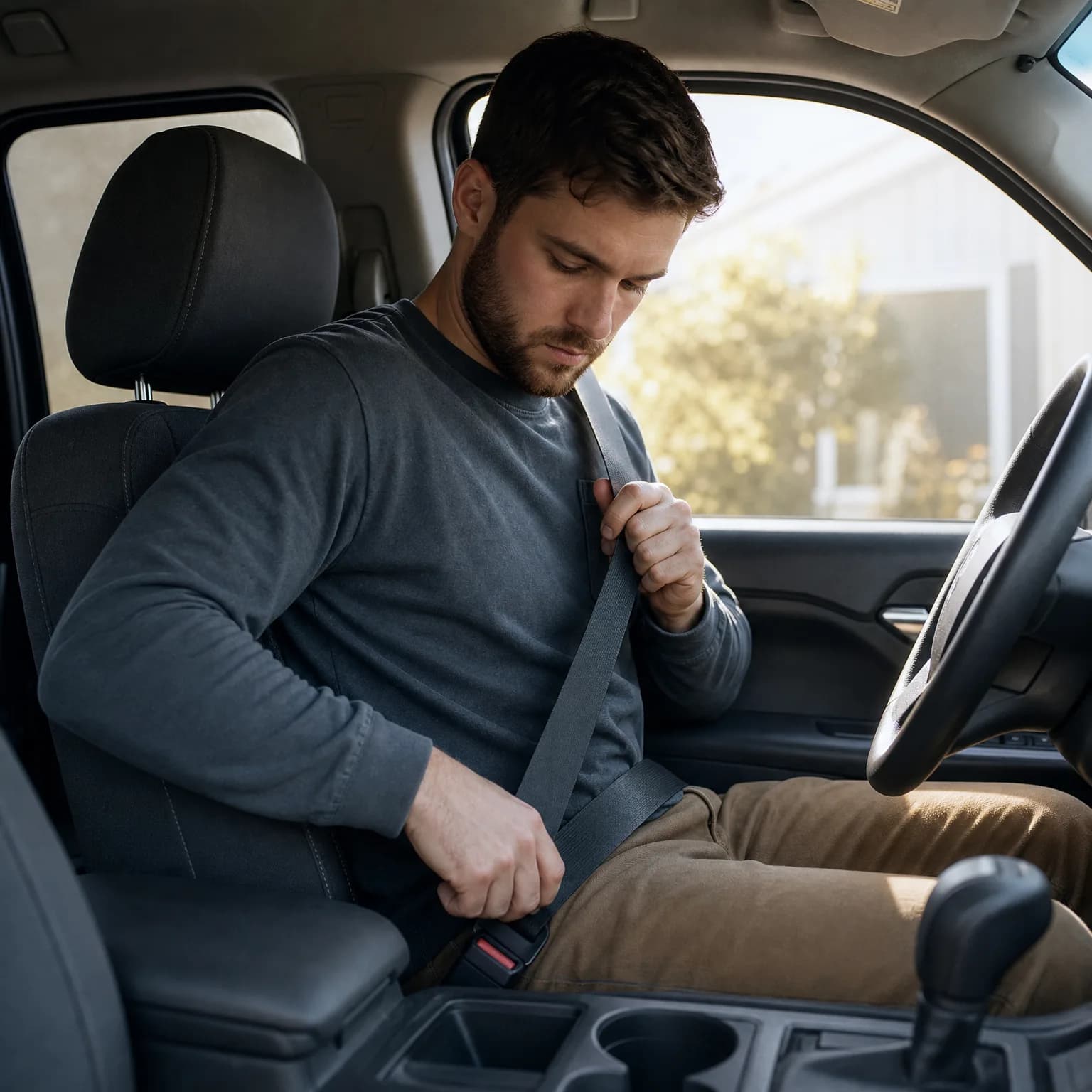
Your total reinstatement cost depends on how many tickets triggered the suspension, whether you maintained continuous insurance during the suspension, and whether your original violation involved uninsured driving. Start with the court balance: if you were suspended for one unpaid speeding ticket, you owe the original fine plus court costs plus late fees. A typical Virginia speeding ticket (15 mph over) costs $200 to $250 after court costs. If the ticket went unpaid for more than 90 days, add a $35 late penalty. If a failure-to-appear charge was added because you missed your court date, add another $96. A single-ticket suspension for one missed speeding ticket typically costs $300 to $400 to clear at the court level.
The DMV reinstatement fee is $145 for most unpaid-ticket suspensions under Virginia Code § 46.2-411. This is a flat administrative fee—it does not vary by how many tickets you owe or how long your license was suspended. If your suspension involved multiple separate violations processed as independent suspensions, you may owe $145 per suspension. The DMV reinstatement notice you received lists the exact fee amount. If your notice says $290, you have two suspensions on file. Pay the full amount listed—partial payments are not accepted.
Insurance costs depend on whether SR-22 filing is required. If your suspension did not involve uninsured driving and you maintained continuous coverage during the suspension, standard liability insurance in Virginia costs $85 to $140 per month for clean-record single parents. If SR-22 is required (check your suspension notice), expect $140 to $210 per month because you're classified as high-risk. If you don't currently own a vehicle, non-owner SR-22 policies cost $50 to $90 per month and satisfy Virginia's reinstatement requirement without insuring a specific car. Total first-month cost to reinstate after one unpaid ticket: $530 to $750 including court balance, DMV fee, and first month's insurance premium.
Restricted License Availability for Unpaid-Ticket Suspensions
Virginia allows restricted licenses for unpaid-ticket suspensions, but eligibility depends on whether you can demonstrate hardship and whether the court that issued the original ticket approves your petition. You must file a hardship petition in the circuit court where the ticket was issued—not the DMV, not a different court, not online. The petition requires proof of hardship (employer letter confirming your work schedule and stating that public transit is not a viable option, school enrollment documentation if you're a student, medical appointment schedules if you're managing a chronic condition), proof of insurance meeting Virginia's liability minimums (25/50/20), and payment of the full court balance before the hearing.
Virginia judges grant restricted licenses for unpaid-ticket cases more readily than for DUI cases because unpaid tickets are administrative failures, not criminal convictions. The restricted license allows travel to and from work, school, medical appointments, court-ordered obligations, and childcare locations during specific hours set by the judge in the court order. Most Virginia judges restrict hours to 5:00 AM to 10:00 PM on weekdays and prohibit recreational travel entirely. Ignition interlock is not required for unpaid-ticket restricted licenses.
The restricted license application fee varies by jurisdiction—most Virginia circuit courts charge $50 to $75 for petition processing. If your petition is denied, the fee is not refunded. If approved, the restricted license is valid until your full reinstatement is processed or until the court-ordered period expires, whichever comes first. Single parents coordinating school drop-off and pickup schedules must request those specific routes and times in the petition—Virginia judges will not approve vague route descriptions like "childcare as needed."

Line Up Coverage Before Your License Comes Back
Get Back on the Road
Why Paying the Court Doesn't Automatically Reinstate Your License
Paying your court balance clears the underlying violation, but it does not reinstate your driving privilege. Virginia separates the judicial process (paying fines and closing your court case) from the administrative process (reinstating your license through DMV). Courts have no authority to reinstate your license—they can only notify DMV that your case is resolved. DMV has no authority to waive court fines—it can only process reinstatement after the court confirms compliance.
This separation creates the coordination gap most single parents fall into. You pay the court, assume your license is automatically reinstated, and continue driving. Virginia law treats driving on a suspended license as a separate Class 1 misdemeanor under Virginia Code § 46.2-301, punishable by up to 12 months in jail and a $2,500 fine. If you're pulled over before DMV processes your reinstatement, the officer will see an active suspension in the statewide database regardless of whether you paid your court balance that morning. The payment receipt is not a valid defense to the new charge.
The only proof of reinstatement Virginia accepts is a new driver's license issued by DMV after your reinstatement fee is processed and your payment posts in the system. Do not drive until you receive the physical card or can produce a temporary license receipt from a DMV customer service center showing your privilege is restored. Single parents managing work and childcare without a valid license should explore Virginia's restricted license option before paying reinstatement fees—the restricted license allows limited legal driving during the reinstatement process.

What Happens If You Can't Pay the Full Court Balance Up Front
Virginia courts allow payment plans for outstanding fines, but enrolling in a payment plan does not lift your suspension. Your license remains suspended until the full balance is paid and the court transmits a zero-balance notice to DMV. Payment plans are useful if you need time to gather the full amount, but they extend your suspension period by months.
To request a payment plan, contact the clerk of the court where your ticket was issued and ask about installment options. Most Virginia courts require a minimum 25 percent down payment and monthly installments over 6 to 12 months. If you miss a payment, the court cancels the plan and the full balance becomes due immediately. While on a payment plan, you can apply for a restricted license—the court will evaluate your hardship petition even if your balance is not fully paid, but judges are less likely to approve petitions when payments are still outstanding.
If the court balance is legitimately unaffordable, some Virginia jurisdictions offer community service in lieu of fines under Virginia Code § 19.2-358.1. You must petition the court and demonstrate inability to pay. Community service does not clear the balance faster than earning the money and paying directly, but it converts a financial obligation into a time obligation, which helps single parents without savings or credit access. Once community service hours are completed and the court updates DMV, the $145 reinstatement fee is still required.
Insurance Filing Requirements After Reinstatement
If your suspension notice did not mention SR-22 or FR-44, you do not need to maintain high-risk insurance after reinstatement. Standard liability coverage satisfying Virginia's 25/50/20 minimums is sufficient. As of July 1, 2024, Virginia eliminated the Uninsured Motor Vehicle fee option—continuous insurance coverage is now mandatory for all registered vehicles. If you don't own a car, you're not required to carry insurance unless your suspension specifically required SR-22 filing.
If SR-22 was required, Virginia mandates continuous filing for 3 years from your reinstatement date. Your carrier electronically transmits your SR-22 certificate to DMV when you purchase the policy. If your SR-22 policy lapses or is canceled for non-payment during the 3-year period, your carrier notifies DMV within 24 hours and your license is immediately re-suspended. The new suspension requires another $145 reinstatement fee and restart of the 3-year SR-22 clock.
Single parents on tight budgets should compare non-owner SR-22 policies if they don't currently own a vehicle. Non-owner policies cost 40 to 60 percent less than standard SR-22 auto policies because they cover only your liability when driving a borrowed or rental vehicle. If you later purchase a car during the SR-22 period, notify your carrier immediately—the non-owner policy must be converted to a standard policy and the vehicle added. Failing to notify the carrier when you acquire a vehicle can void coverage and trigger an SR-22 lapse notification to DMV.
Frequently Asked Questions
Can I get a restricted license in Virginia while I'm still paying off my court fines in installments?
Yes, but judges are less likely to approve petitions when your balance is not fully paid. Virginia law does not prohibit restricted license petitions for drivers on payment plans, but most circuit court judges treat full payment as evidence of good faith. If you demonstrate genuine hardship and show consistent payment history, some judges will approve restricted licenses conditioned on continued compliance with the payment plan.
How long does it take for the court's payment confirmation to show up in DMV's system in Virginia?
In large jurisdictions like Fairfax and Arlington, electronic updates typically post within 2 business days. In smaller or rural circuit courts, clerks may batch-transmit compliance updates weekly, creating a 7- to 10-day gap. If your payment doesn't show in DMV's system after 10 business days, contact the court clerk and request manual transmission of your compliance notice.
Do I need SR-22 insurance to reinstate my Virginia license after an unpaid ticket suspension?
Not unless your suspension notice specifically mentions SR-22 or FR-44, or the original ticket involved uninsured driving. Unpaid speeding tickets, unpaid court costs, and failure-to-appear charges do not trigger SR-22 requirements. Standard liability coverage meeting Virginia's 25/50/20 minimums satisfies the proof-of-insurance requirement for most unpaid-ticket reinstatements.
What happens if I pay the DMV reinstatement fee before the court updates my case as paid?
DMV will reject your reinstatement application because their system still shows an outstanding court balance. Your $145 payment is not refunded—it sits in pending status until the court transmits the compliance update, then DMV processes it. This adds 2 to 3 weeks to your timeline because DMV processes applications in the order received.
Can I drive in Virginia immediately after paying my court balance and reinstatement fee?
No. You cannot legally drive until DMV processes your reinstatement and issues a new driver's license showing your privilege is restored. Driving on a suspended license before reinstatement posts is a separate Class 1 misdemeanor punishable by up to 12 months in jail and a $2,500 fine, even if you have payment receipts from both the court and DMV.
How much does a restricted license cost in Virginia for unpaid ticket cases?
Most Virginia circuit courts charge $50 to $75 for hardship petition processing. This fee is separate from the court balance, the $145 DMV reinstatement fee, and insurance costs. If the judge denies your petition, the fee is not refunded. Budget $600 to $800 total for restricted license processing including petition fee, partial court payment, and first month's insurance.
Does Virginia allow community service instead of paying court fines for unpaid ticket suspensions?
Yes, under Virginia Code § 19.2-358.1, but you must petition the court and demonstrate genuine inability to pay. Community service does not clear your balance faster than earning and paying directly, but it converts a financial obligation into a time obligation. Once community service hours are completed and the court updates DMV, the $145 DMV reinstatement fee is still required.
Related Articles
VA Unpaid Ticket Suspension: Real Reinstatement Costs
5/3/2026
VA Unpaid Ticket Suspension: Court Clearance Timing
5/3/2026

VA Unpaid Tickets Suspension: SR-22 Timing Guide
5/3/2026

VA CDL Unpaid Ticket Suspension Reinstatement Costs
5/3/2026

VA Unpaid Ticket Suspension: Court & DMV Clearance Steps
5/3/2026

VA Child Support Suspension: Full Reinstatement Costs
5/3/2026