
Virginia Unpaid Tickets Suspension for Rideshare: SR-22 Timing
Free to compare
Why Uber and Lyft Flag Your License After You Pay Court Fines
You paid your outstanding tickets through Virginia's General District Court. The clerk handed you a receipt. Your case status shows closed. But when you log into your rideshare driver app, your account is still suspended for an invalid license.
Virginia courts do not automatically notify DMV when you satisfy unpaid fines. The court closes its case file. DMV maintains a separate administrative suspension until you or the court clerk submits proof of compliance to DMV's debt collection unit. Most drivers assume payment clears both systems simultaneously. It does not.
Rideshare platforms run continuous background checks that pull directly from DMV records, not court records. Uber and Lyft see your license as suspended until DMV updates its database. That update requires manual submission of your court clearance documentation to DMV, which triggers a processing window of 14-30 business days before your driving privilege is reinstated and the platforms receive the updated status.
The Court Clearance Documentation DMV Actually Needs
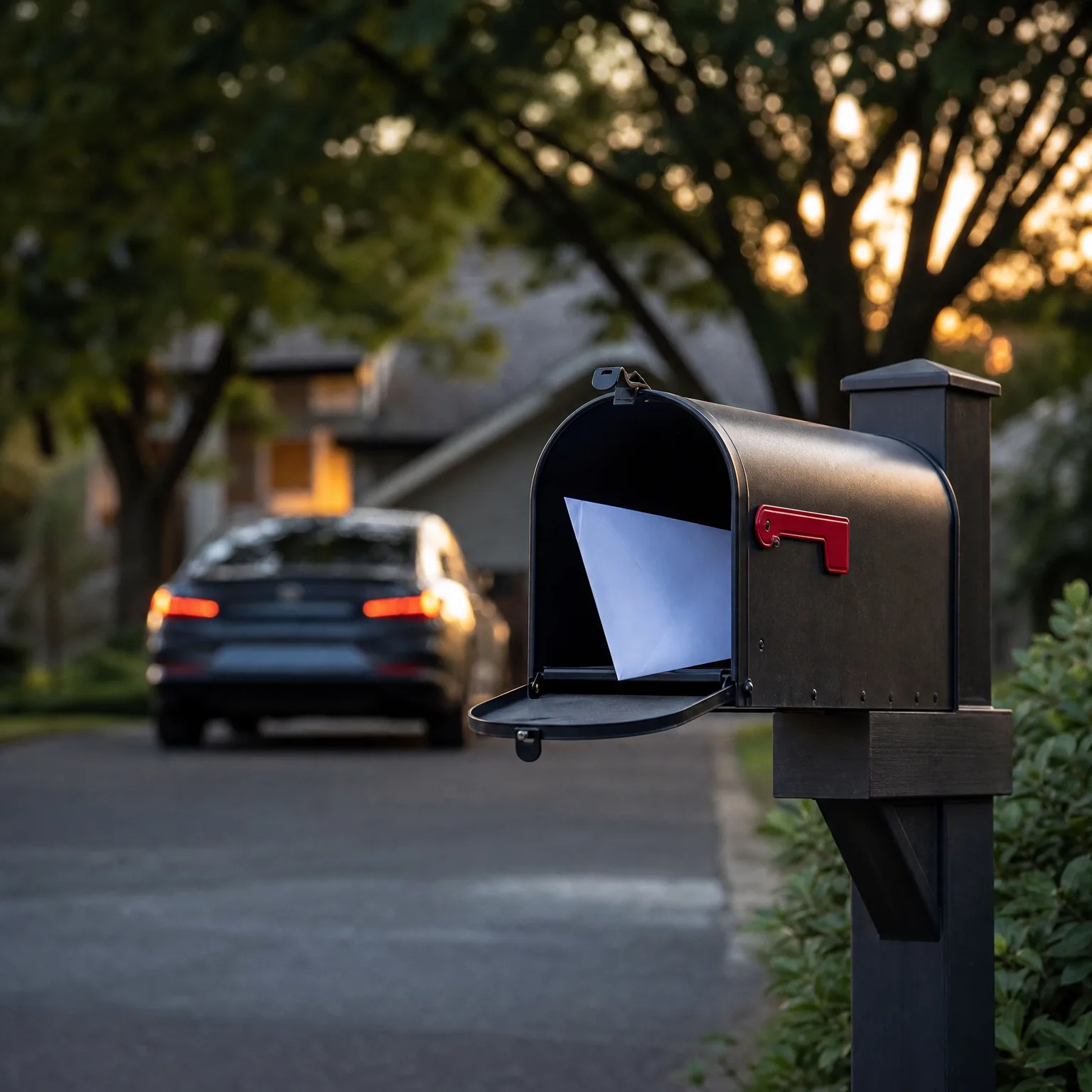
Virginia DMV requires a signed court order or certified letter from the clerk of court confirming all fines, court costs, and fees are paid in full. A payment receipt alone will not lift the suspension. The documentation must include your full name as it appears on your license, your driver's license number, your case number, and the clerk's official seal or signature.
Most General District Courts in Virginia will provide this letter upon request at the clerk's window after you complete payment. Some courts automatically generate it. Others require you to request it explicitly and return 3-5 business days later to pick it up. The variability depends on which county or city court handled your case. Arlington, Fairfax, and Virginia Beach courts typically provide same-day letters. Rural jurisdictions often require a follow-up visit.
You submit this documentation to Virginia DMV's Customer Service Center by mail, in person at a DMV office, or through your attorney if one is handling reinstatement. Email submission is not accepted for debt-related suspensions. Faxing is accepted at some DMV offices but confirmation of receipt is inconsistent. In-person submission at a DMV customer service center provides immediate confirmation that your documents entered the system, but does not accelerate the processing timeline.


DMV Processing Timeline and the Rideshare Reactivation Gap
Virginia DMV's debt collection unit processes court clearance submissions within 14-30 business days from the date DMV receives the documentation. This is administrative processing time, not a penalty period. Your reinstatement eligibility begins the day DMV logs your submission, but your license status in the state database does not update until processing completes.
Rideshare platforms receive license status updates through the National Driver Register and state-level data feeds that refresh every 24-72 hours after DMV updates its records. Even after DMV completes processing, a 2-5 day lag exists before Uber or Lyft systems reflect the change. Drivers routinely report paying fines on a Monday, submitting court documentation to DMV by Wednesday, and remaining unable to drive for the platform until the third or fourth week.
You cannot bypass this timeline by calling DMV or the rideshare platform. DMV will confirm receipt of your documentation and provide an estimated clearance date, but cannot manually override the processing queue. Rideshare support teams cannot override automated license verification failures. The gap is structural, not discretionary.
SR-22 Filing Is Not Required for Unpaid Tickets Suspensions
Virginia does not require SR-22 or FR-44 certificates for license suspensions triggered solely by unpaid court fines or failure to pay traffic tickets. SR-22 is required for DUI convictions, uninsured driving violations, and certain reckless driving convictions. FR-44 is required for DUI offenses. Unpaid fines fall under administrative debt suspensions, which have different reinstatement pathways.
If you receive advice to file SR-22 for an unpaid tickets suspension, verify the actual suspension reason with DMV before purchasing coverage. Some suspensions combine multiple triggers. A driver suspended for unpaid tickets who also has a prior uninsured motorist violation on record may face dual suspension types, one of which does require SR-22. The court clearance lifts the debt suspension, but the uninsured violation suspension remains active until SR-22 is filed.
Virginia DMV's reinstatement fee for unpaid fines suspensions is $145, payable after DMV processes your court clearance. No SR-22 filing fee applies. No insurance policy upgrade is required. You pay the base reinstatement fee and resume driving once DMV updates your license status.

Line Up Coverage Before Your License Comes Back
Get Back on the Road
What Happens If You Drive for Rideshare During the Processing Gap
Virginia law prohibits operating a motor vehicle while your license is under administrative suspension, even if you have paid all fines and submitted court documentation to DMV. The suspension remains legally active until DMV completes processing and updates your record. Driving during this period is a Class 1 misdemeanor under Virginia Code § 46.2-301, punishable by up to 12 months in jail and a $2,500 fine.
Rideshare platforms deactivate driver accounts when their automated systems detect an invalid license. Attempting to bypass this by driving before your account reactivates violates the platform's terms of service and Virginia's motor vehicle code simultaneously. If you are stopped by law enforcement during a rideshare trip while your license shows suspended in DMV's system, the officer will cite you for driving on a suspended license regardless of whether you have proof of court payment in the vehicle.
Some drivers attempt to continue personal driving or use other gig platforms during the gap. The legal risk is identical. Your license status is suspended in the state database until DMV processing completes. Court payment receipts are not legal authorization to drive. The reinstatement date DMV provides after processing is the first day you are legally permitted to operate a vehicle in Virginia.

Restricted License Options During Unpaid Fines Suspensions
Virginia does allow restricted licenses for drivers suspended due to unpaid fines, but the application process requires court petition, not DMV application. You file a petition with the General District Court that issued the original suspension. The judge reviews your hardship documentation and may grant a restricted license allowing travel to work, medical appointments, and other court-approved purposes.
The restricted license application requires proof of financial hardship, an employer letter confirming your work schedule and location, proof of insurance, and payment of a petition filing fee that varies by jurisdiction. Most Virginia courts require you to demonstrate that loss of driving privilege creates substantial hardship beyond inconvenience. Rideshare driving as your sole income source is a legitimate hardship argument, but acceptance depends on the individual judge.
Restricted licenses issued for unpaid fines suspensions carry the same SR-22 and FR-44 exemption as full reinstatement: you do not need high-risk insurance filing unless another violation on your record independently requires it. The court defines the restricted license terms, including permitted routes, times, and purposes. Violating those restrictions results in immediate revocation and potential contempt charges.
How to Accelerate Reinstatement and Platform Reactivation
Pay all outstanding fines, court costs, and fees in full at the court clerk's office and request the official clearance letter the same day. Do not leave the courthouse without this documentation. If the clerk cannot provide it immediately, ask for the exact date it will be ready and return to pick it up in person rather than waiting for mail.
Submit the court clearance letter to Virginia DMV in person at a customer service center. Bring your driver's license, the sealed court letter, and payment for the $145 reinstatement fee. The DMV representative will date-stamp your submission and provide a receipt showing your documentation entered the processing queue. This receipt is not authorization to drive, but it provides proof of submission if processing delays occur.
Once DMV completes processing and updates your license status, contact your rideshare platform's driver support team and request a manual background check refresh. Most platforms run automated checks every 24-72 hours, but support teams can trigger an immediate re-verification if you provide proof of reinstatement. Upload a copy of your DMV reinstatement notice or updated license record to the platform's document portal to expedite reactivation.
Frequently Asked Questions
How long does it take Virginia DMV to lift a suspension after I pay court fines?
Virginia DMV processes court clearance documentation within 14-30 business days after receiving the submission. Processing time begins when DMV logs your court letter, not when you pay fines at court. Your license remains suspended until DMV completes processing and updates the state database.
Can I drive for Uber while waiting for DMV to process my reinstatement?
No. Virginia law prohibits driving on a suspended license even after you pay fines and submit documentation. Your suspension remains legally active until DMV completes processing. Driving during this period is a Class 1 misdemeanor punishable by up to 12 months in jail and $2,500 fine.
Do I need SR-22 insurance to reinstate my license after unpaid tickets in Virginia?
No. Virginia does not require SR-22 or FR-44 filing for suspensions caused solely by unpaid court fines. SR-22 is required for DUI, uninsured driving, and certain reckless driving convictions. You pay the $145 reinstatement fee and maintain standard liability insurance.
Will Uber automatically reactivate my account once DMV reinstates my license?
Not immediately. Rideshare platforms receive license status updates through data feeds that refresh every 24-72 hours after DMV updates its records. After reinstatement, contact driver support and request a manual background check refresh to accelerate reactivation.
Can I get a restricted license to drive for rideshare while my unpaid fines suspension is being processed?
Virginia allows restricted licenses for unpaid fines suspensions, but you must petition the court, not DMV. The judge defines permitted routes and purposes. Rideshare driving as your sole income is a valid hardship argument, but approval depends on the individual judge and your documented financial need.
What documents does Virginia DMV need to lift an unpaid tickets suspension?
DMV requires a signed court order or certified letter from the clerk of court confirming all fines and fees are paid in full. The letter must include your name as it appears on your license, driver's license number, case number, and the clerk's official seal. Payment receipts alone will not lift the suspension.
How much does it cost to reinstate a Virginia license after unpaid fines?
Virginia DMV charges a $145 reinstatement fee for unpaid fines suspensions. You pay this fee after DMV processes your court clearance documentation. No SR-22 filing fee applies unless another violation on your record independently requires SR-22.
Related Articles

VA Rideshare Drivers: Unpaid Tickets Reinstatement
5/3/2026

VA Child Support Suspension: Rideshare Reinstatement
5/3/2026

WV Unpaid Ticket Suspension: DMV Clearance Timing
5/3/2026

VT Unpaid Tickets: Court Clearance + DMV for Rideshare
5/3/2026

VA Failure-to-Appear Reinstatement Costs for Rideshare
5/3/2026

VA Lapse Suspension: Court & DMV Timing for Rideshare
5/3/2026