
Vermont Unpaid Tickets: Court Clearance + DMV Timing for Rideshare
Free to compare
Why Vermont's Court-to-DMV Clearance Gap Blocks Rideshare Reactivation
You paid the Burlington Municipal Court tickets, received the stamped clearance, and submitted your Uber or Lyft reactivation request. Three weeks later, Vermont DMV still shows your license as suspended and the rideshare platform rejected your background check update. The problem is not your payment—it's Vermont's non-integrated court and DMV systems.
Vermont courts process ticket payments and issue clearances independently of DMV suspension records. Paying the court does not trigger automatic DMV notification. Most drivers assume the court forwards clearance data electronically. They don't. You must submit proof of clearance to Vermont DMV separately, which adds 15 to 30 business days to your reinstatement timeline after court processing completes.
Rideshare platforms verify active driving privileges through continuous DMV monitoring. If DMV records still show suspension after you clear court debt, the platform's automated compliance system flags you as ineligible. Manual appeals to Uber or Lyft support rarely override DMV data—the suspension must clear at the state level before platform reactivation proceeds.

Vermont's Dual-Track Clearance Process for Unpaid Ticket Suspensions
Vermont suspends driving privileges for unpaid traffic tickets under 23 V.S.A. § 2502, which authorizes DMV to suspend until the court certifies payment or resolution. The statute does not require courts to notify DMV automatically. This creates two separate clearance steps most drivers miss.
First, you pay outstanding fines and fees at the court that issued the citation—Burlington, Montpelier, Rutland, or the relevant municipal or district court. The court issues a payment receipt or dismissal order. This clears your court obligation but does not touch your DMV suspension record.
Second, you submit proof of payment or court clearance to Vermont DMV Enforcement and Safety Division along with the $71 reinstatement fee. DMV reviews the documentation, cross-references the court case number, and processes the reinstatement. Processing takes 15 to 30 business days from the date DMV receives complete documentation. If you mail court receipts without the reinstatement fee, DMV returns the packet unprocessed and the clock resets.
Rideshare drivers who skip the second step remain suspended on DMV records indefinitely, even after full court compliance. Uber and Lyft background checks pull DMV status daily—court clearance alone does not update that record.

Civil Suspension License Option During the Clearance Window
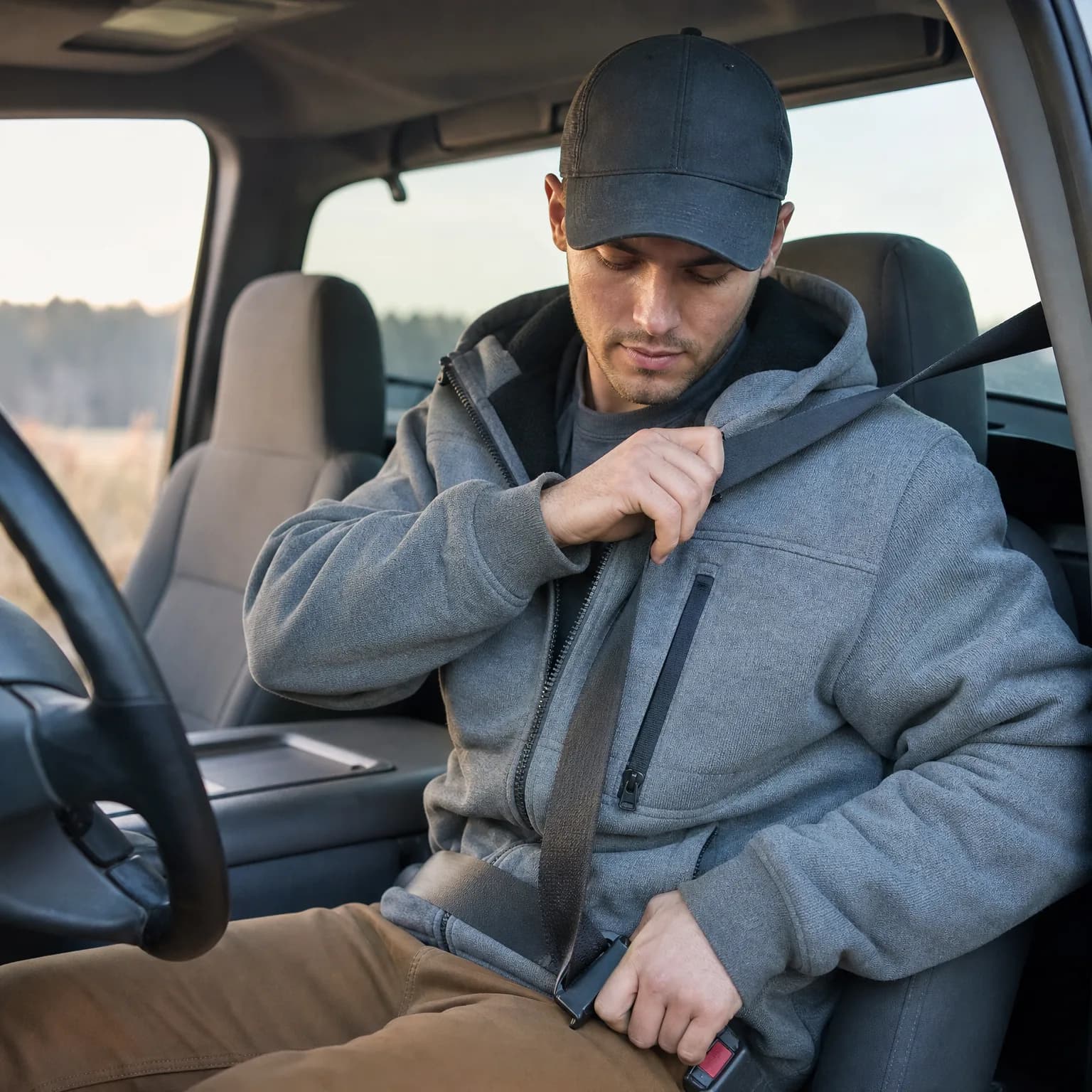
Vermont offers a Civil Suspension License for drivers facing suspension due to unpaid tickets, but eligibility depends on court petition approval and documented hardship. The license is court-granted, not DMV-issued, which adds procedural steps most rideshare drivers don't anticipate.
You petition the Vermont Superior Court, Civil Division, with proof of employment hardship—typically a letter from your rideshare platform or a screenshot of weekly earnings history. The court evaluates whether full suspension creates undue economic hardship and whether granting limited driving privileges serves public interest. Courts typically approve petitions for rideshare drivers who demonstrate consistent platform earnings as primary income, but approval is not automatic.
If granted, the Civil Suspension License restricts driving to employment-related routes and hours defined in the court order. Rideshare driving qualifies as employment, but the court may impose geographic boundaries—for example, Chittenden County only, or a radius from your registered address. Violating route or time restrictions triggers immediate revocation and adds points to your record, which can complicate future platform approval even after full reinstatement.
The Civil Suspension License does not eliminate the requirement to clear court debt and pay DMV reinstatement fees. It allows you to drive legally during the clearance process, but full unrestricted reinstatement still requires completing both court payment and DMV submission steps.

Line Up Coverage Before Your License Comes Back
Get Back on the RoadWhat Rideshare Platforms Need to Reactivate Your Account
Uber and Lyft reactivation after Vermont suspension requires three platform-verified data points: active driver's license status on DMV records, current auto insurance proof, and clean background check reflecting the cleared violation. The sequence matters because platforms pull DMV data continuously but only refresh background checks after you request manual review.
Once Vermont DMV processes your reinstatement and updates your license status to active, log into your rideshare driver portal and submit a background check review request. Attach the DMV reinstatement receipt and court clearance documentation. Platforms batch these requests and typically respond within 5 to 10 business days, though Burlington and Montpelier drivers report delays during high-volume periods in winter and early spring.
Insurance proof must show continuous coverage with no lapse during the suspension period. If your personal auto policy lapsed because you stopped driving during suspension, rideshare platforms flag the coverage gap even if you now hold an active policy. Non-owner liability insurance can fill that gap retroactively in some cases, but coverage must be active before the platform runs the final compliance check.
Drivers using a Civil Suspension License during the clearance window must upload the court order to the platform alongside license verification. Uber and Lyft accept restricted licenses for platform driving in Vermont, but the court order must explicitly list rideshare or employment driving as an approved purpose. If the order restricts you to commuting to a fixed worksite, the platform will reject reactivation until full unrestricted reinstatement completes.
Insurance Requirements During Vermont Unpaid Ticket Suspension
Vermont does not require SR-22 filing for unpaid ticket suspensions. The suspension is purely administrative—DMV holds your license until you satisfy court debt, but the state does not mandate proof of financial responsibility beyond standard liability minimums.
However, rideshare platforms require continuous insurance coverage as a platform eligibility condition separate from state law. If you let your personal auto policy lapse during suspension, Uber and Lyft flag the coverage gap when you attempt reactivation. The gap shows on your insurance history report and remains visible for three years.
Drivers who do not own a vehicle during suspension can maintain continuous coverage through a non-owner liability policy. Non-owner policies satisfy rideshare platform insurance requirements and prevent coverage gaps from appearing on your driving record. Vermont minimum liability limits are $25,000 bodily injury per person, $50,000 per accident, and $10,000 property damage. Non-owner policies typically cost $25 to $50 per month in Vermont, significantly less than maintaining full coverage on an owned vehicle you are not driving.
If you hold a Civil Suspension License and drive for rideshare during the clearance period, verify your personal auto policy or non-owner policy covers employment driving. Standard personal policies exclude commercial use, and rideshare driving qualifies as commercial in most cases. Rideshare endorsement coverage or a commercial policy may be required depending on your carrier's classification rules.

Timeline Expectations for Full Reinstatement and Platform Reactivation
Count 45 to 60 days from the date you pay court fines to the date your rideshare account reactivates, assuming no documentation errors or processing delays. The timeline breaks into four sequential windows: court processing (3 to 7 business days), DMV review and reinstatement (15 to 30 business days), background check refresh (5 to 10 business days), and platform compliance verification (2 to 5 business days).
Most delays occur in the DMV review window. Vermont DMV Enforcement and Safety Division processes reinstatements in submission order, and volume spikes during tax refund season (February through April) and summer months extend processing to the upper end of the range. Mailing documentation instead of submitting in person at the Montpelier DMV office adds another 5 to 10 business days for postal delivery and intake.
Drivers who petition for a Civil Suspension License add court hearing scheduling time to the front of the timeline—typically 14 to 30 days from petition filing to hearing date, depending on county court docket volume. Chittenden County Superior Court processes these petitions faster than rural counties due to higher petition volume and dedicated docket slots.
Once DMV updates your license status to active, request the rideshare background check review the same day. Platforms prioritize reactivation requests that include both DMV reinstatement proof and court clearance documentation in a single submission. Splitting the submission across multiple support tickets extends the review window and increases the risk of your request sitting in a lower-priority queue.
Frequently Asked Questions
Does paying my Burlington court tickets automatically reinstate my Vermont license?
No. Paying court fines clears your court obligation but does not notify Vermont DMV. You must submit proof of payment and the $71 reinstatement fee to DMV separately. DMV processes reinstatement 15 to 30 business days after receiving complete documentation.
Can I drive for Uber in Vermont with a Civil Suspension License?
Yes, if the court order explicitly lists rideshare or employment driving as an approved purpose. Upload the court order to your Uber driver portal alongside license verification. If the order restricts you to commuting to a fixed worksite, Uber will reject reactivation until full unrestricted reinstatement completes.
Do I need SR-22 insurance to reinstate my Vermont license after unpaid tickets?
No. Vermont does not require SR-22 filing for unpaid ticket suspensions. The suspension is administrative only. However, rideshare platforms require continuous insurance coverage, so any lapse during suspension may delay platform reactivation even after DMV reinstatement.
How long does Vermont DMV take to process reinstatement after I pay court fines?
Vermont DMV takes 15 to 30 business days to process reinstatement after receiving proof of court payment and the $71 reinstatement fee. Volume spikes during February through April and summer months extend processing to the upper end of the range.
Will Lyft reactivate my account before DMV updates my license status?
No. Lyft verifies active driving privileges through continuous DMV monitoring. Court clearance alone does not update DMV records. Your license status must show active on Vermont DMV systems before Lyft's compliance system approves reactivation.
What happens if I drive for rideshare in Vermont while my license is suspended for unpaid tickets?
Driving on a suspended license in Vermont is a criminal offense under 23 V.S.A. § 674, punishable by fines up to $500 and potential jail time for repeat offenses. It also triggers immediate deactivation from rideshare platforms and adds violations that complicate future background checks.
Related Articles

Vermont Failure-to-Appear Suspension for Rideshare
5/3/2026
Vermont Rideshare Unpaid Ticket Suspension: SR-22 & Timing
5/3/2026

Vermont DUI Rideshare Reinstatement: Court-DMV Gap
5/3/2026

VT Rideshare Lapse Reinstatement: Court to DMV Timing
5/3/2026

Vermont Failure-to-Appear SR-22 for Rideshare Drivers
5/3/2026

MA Unpaid Tickets: Rideshare Clearance & RMV Timing
5/3/2026