
SC Unpaid Ticket Suspension for Single Parents: SR-22 Timing
Free to compare
Does South Carolina Require SR-22 Filing for Unpaid Ticket Suspensions?
No. South Carolina does not require SR-22 filing for license suspensions caused by unpaid traffic tickets, failure to pay court fines, or failure to appear in court. These are administrative suspensions, not moving violation suspensions. The DMV suspends your license to compel payment, not because you are considered a high-risk driver.
SR-22 filing is required in South Carolina only after specific violations: DUI/DWI, driving without insurance, at-fault accidents without proof of coverage, habitual offender designation, and certain reckless driving convictions. If your suspension letter from the SC DMV does not explicitly state "proof of financial responsibility required," you do not need SR-22.
The confusion happens because many single parents search for "suspended license insurance" and find SR-22 information first. Carriers selling SR-22 policies rarely clarify that your suspension type doesn't require it. Filing SR-22 when you don't need it costs $25–$50 for the filing fee plus $500–$800 annually in non-standard auto premiums for three years, and it does not speed up your reinstatement.
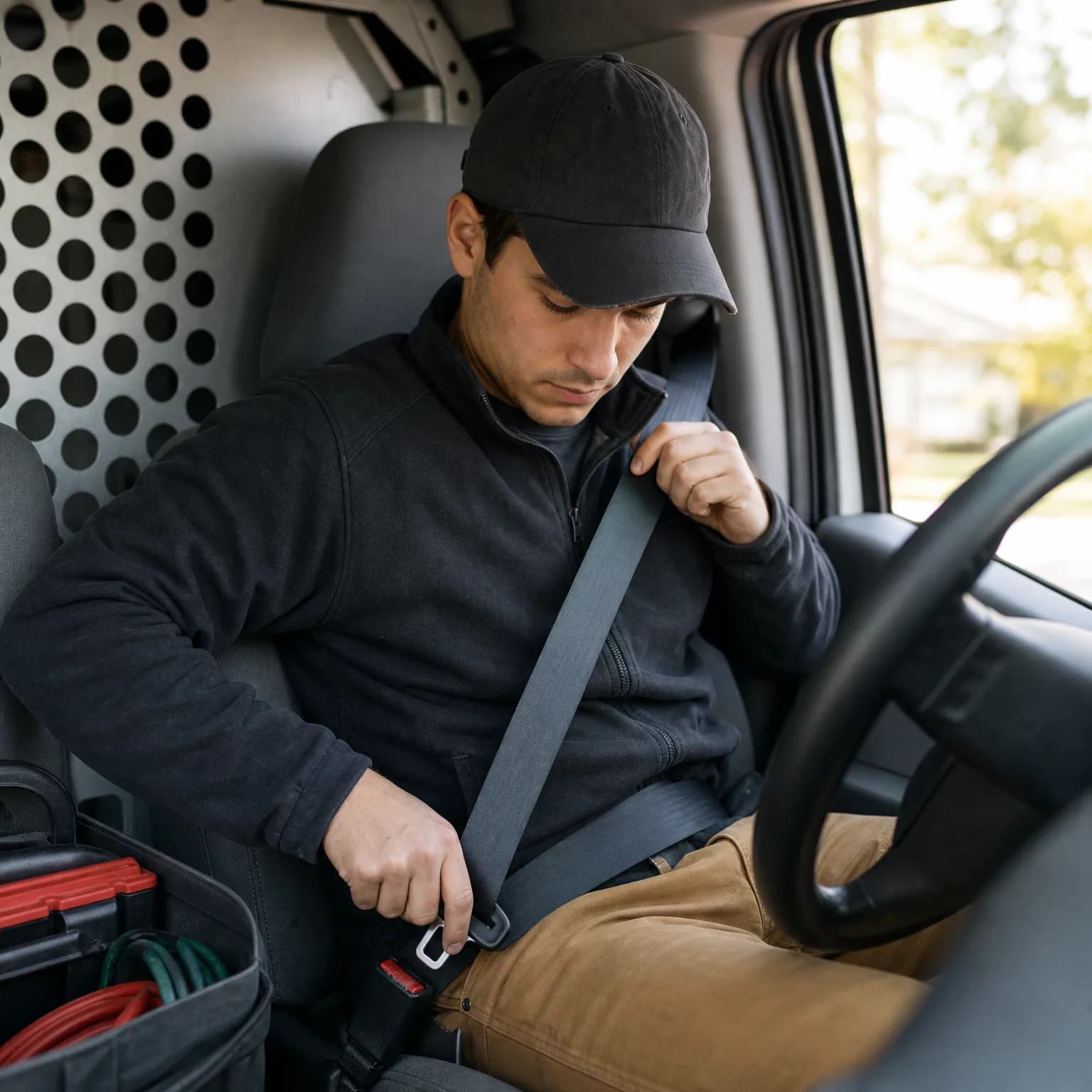
How South Carolina's Ticket Suspension Process Works for Single Parents
South Carolina courts report unpaid traffic tickets and outstanding fines to the DMV after 30 days past the payment deadline. The DMV then issues a suspension notice giving you 30 additional days to resolve the debt before your license is suspended. If you miss that deadline, your license suspends automatically on the effective date listed in the notice.
For single parents, this timeline creates specific hardship. Missing one court date because childcare fell through or missing one payment deadline during an emergency can trigger suspension within 60 days. The suspension remains in effect until you pay the full ticket balance plus court costs and late fees, which typically add 25–40% to the original fine amount.
South Carolina does not offer payment plans through the DMV for reinstatement. You must resolve the debt with the issuing court first. Some municipal and magistrate courts offer payment arrangements, but you must request them before the DMV suspension takes effect. Once suspended, most courts require full payment to issue the clearance document.


The Separate Documentation Submission Step Single Parents Miss
Paying your ticket balance does not automatically reinstate your license in South Carolina. This is the gap that costs single parents the most time. You must obtain a Certificate of Satisfaction from the court that issued the ticket, then submit that certificate to the SC DMV along with your $100 reinstatement fee.
Most courts take 7–14 business days to process payment and issue the certificate. The DMV then takes another 5–10 business days to process your reinstatement after receiving the certificate and fee. If you pay the ticket and assume your license is automatically reinstated, you will continue driving suspended without realizing it, which creates a new criminal charge if you are stopped.
Single parents often pay the ticket online or by phone, assume reinstatement is automatic, and only discover the documentation gap when pulled over weeks later or when trying to renew vehicle registration. The court does not mail the Certificate of Satisfaction automatically. You must request it in person or by certified mail, and you must submit it to the DMV separately from your payment confirmation.
South Carolina's Route-Specific Provisional License for Single Parents
South Carolina offers a Route-Restricted Provisional License during unpaid ticket suspensions, but only if you meet specific eligibility criteria. This license allows driving to and from work, medical appointments, childcare facilities, and court-ordered obligations along documented routes.
You are eligible only if your suspension is administrative (unpaid tickets, failure to appear, or child support arrears) and you have not been convicted of DUI, reckless driving, or leaving the scene of an accident within the past five years. You must provide employer verification on company letterhead, proof of childcare enrollment or custody documentation, and a notarized route map showing each approved destination.
The provisional license costs $100 plus a $25 application processing fee, and approval takes 10–15 business days after the DMV receives your complete application packet. The license does not replace reinstatement. You still must clear your ticket debt and pay the full reinstatement fee to restore your unrestricted license. Driving outside your approved routes voids the provisional license immediately and triggers a new charge for driving under suspension.
Line Up Coverage Before Your License Comes Back
Get Back on the Road
What Happens If You File SR-22 Without Needing It
Filing SR-22 when South Carolina does not require it for your suspension type creates two problems. First, you pay $500–$800 annually in elevated premiums for a minimum three-year filing period because SR-22 policies are priced as high-risk coverage. Standard carriers (State Farm, Allstate, Nationwide) either refuse to write SR-22 policies or charge non-standard rates. You are moved to the non-standard market unnecessarily.
Second, filing SR-22 does not satisfy or replace the Certificate of Satisfaction requirement for ticket-based suspensions. The DMV will not process your reinstatement based on SR-22 filing alone. You still must clear the ticket debt, obtain the court certificate, and submit it with your reinstatement fee. The SR-22 adds cost but provides no reinstatement benefit for administrative suspensions.
If you already filed SR-22 and later discovered it was not required, contact your carrier immediately to cancel the SR-22 endorsement and request a refund or policy recalculation. Most carriers will adjust your premium retroactively if the SR-22 was filed in error, but you must request this within 60 days of the original filing date.

How Long Lapse Gaps Extend Your Suspended Period
South Carolina does not require you to maintain auto insurance while your license is suspended for unpaid tickets unless you own a registered vehicle. If you let your policy lapse during suspension, the DMV does not extend your suspension period or add SR-22 requirements retroactively. This is different from DUI and violation-based suspensions.
However, if you own a vehicle registered in your name, that vehicle's registration requires active insurance under South Carolina law. If your insurance lapses while the vehicle is registered, the DMV will issue a separate insurance lapse suspension on top of your existing ticket suspension. At that point, you must file SR-22 for three years to reinstate, even though your original suspension did not require it.
Single parents who stop driving during suspension often cancel their insurance to save money without realizing the vehicle registration remains active. The insurance lapse creates a second suspension layer that converts an administrative suspension into one requiring SR-22. To avoid this, either maintain insurance on the registered vehicle or surrender your license plates and registration to the DMV before canceling your policy.
What Insurance You Actually Need During Ticket Suspension
If you do not own a registered vehicle, you do not need auto insurance during an unpaid ticket suspension in South Carolina. Your reinstatement process requires clearing the ticket debt, submitting the Certificate of Satisfaction, and paying the $100 reinstatement fee. Insurance is not part of that checklist.
If you own a vehicle but are not driving it, maintain liability coverage at South Carolina's minimum limits: $25,000 bodily injury per person, $50,000 bodily injury per accident, and $25,000 property damage. This prevents the insurance lapse suspension layer from triggering. You do not need comprehensive or collision coverage while the vehicle is parked, but liability must remain active as long as the vehicle is registered.
If you need to drive before full reinstatement and qualify for the Route-Restricted Provisional License, you must carry liability coverage that meets state minimums. The DMV checks insurance status before issuing the provisional license, and your carrier must verify coverage is active on the application date. Non-owner liability policies satisfy this requirement if you do not own a vehicle but need the provisional license for work or childcare transportation.
Frequently Asked Questions
Can I get my South Carolina license back without paying the full ticket amount?
No. South Carolina requires full payment of the ticket balance plus court costs and late fees before issuing a Certificate of Satisfaction. Some municipal and magistrate courts offer payment plans, but you must request them before the DMV suspension takes effect. Once suspended, most courts require full payment to clear the suspension.
How long does it take to reinstate my license after paying a ticket in South Carolina?
Approximately 12–24 business days total. The court takes 7–14 days to issue your Certificate of Satisfaction after receiving payment, then the DMV takes 5–10 days to process your reinstatement after you submit the certificate and $100 reinstatement fee. Reinstatement is not automatic when you pay the ticket.
Does paying my ticket online automatically reinstate my South Carolina license?
No. You must request a Certificate of Satisfaction from the court after payment, then submit that certificate to the SC DMV along with a $100 reinstatement fee. The court does not send the certificate automatically, and the DMV does not process reinstatement based on payment confirmation alone.
Can I drive in South Carolina while my license is suspended for unpaid tickets?
Not without a Route-Restricted Provisional License. Driving on a suspended license is a criminal offense in South Carolina. The provisional license allows driving to work, medical appointments, and childcare along documented routes, but you must apply separately and meet specific eligibility requirements.
What happens if I let my car insurance lapse during a ticket suspension in South Carolina?
If you own a registered vehicle and your insurance lapses, the DMV issues a separate insurance lapse suspension. That second suspension requires SR-22 filing for three years, even though your original ticket suspension did not. To avoid this, maintain liability coverage or surrender your plates before canceling insurance.
Do I need SR-22 insurance to get a provisional license in South Carolina?
No. The Route-Restricted Provisional License for unpaid ticket suspensions requires proof of liability insurance at state minimums, but not SR-22 filing. You only need SR-22 if your suspension was caused by DUI, uninsured driving, or certain reckless driving convictions.
Can I clear a South Carolina ticket suspension if I moved to another state?
Yes, but you must still resolve the debt with the South Carolina court and submit the Certificate of Satisfaction to the SC DMV. Most states participate in the Driver License Compact, which means your new state will not issue you a license until South Carolina clears your suspension record.
Related Articles
SC Unpaid Tickets Suspension: Route License Timing
5/3/2026
SC Child Support Suspension Costs & Reinstatement
5/3/2026

SC Unpaid Tickets: Real Reinstatement Costs for Parents
5/3/2026
SC Child Support Suspension: SR-22 & Reinstatement
5/3/2026
SC DUI SR-22 Filing Timeline for Single Parents
5/3/2026

SC Warrant Suspension Costs: Court, DMV, SR-22 Fees
5/3/2026