
PA Unpaid Tickets Suspension: SR-22 Timing for Single Parents
Free to compare
Why Pennsylvania Suspends Licenses for Unpaid Tickets Without Requiring SR-22
Pennsylvania suspends driving privileges for unpaid traffic tickets under 75 Pa.C.S. § 1533, which gives PennDOT authority to suspend licenses when drivers fail to respond to citations or satisfy court-ordered fines. This is an indefinite administrative suspension—it lasts until you resolve the underlying obligation, not for a fixed period like DUI suspensions.
Unlike DUI, reckless driving, or uninsured motorist violations, unpaid ticket suspensions do not trigger SR-22 filing requirements. No financial responsibility certification is mandated by statute for this suspension type. You need proof of current auto insurance to reinstate your license, but you do not need to file SR-22 with PennDOT.
The suspension mechanism works through county courts, not PennDOT directly. When you miss a payment deadline or fail to appear for a ticket hearing, the court notifies PennDOT electronically. PennDOT then imposes the suspension and sends a notice to your address on file. Because county courts handle thousands of cases monthly, the notification and suspension timeline varies by county—some process within two weeks, others take 30-45 days from the court order to the PennDOT suspension posting.
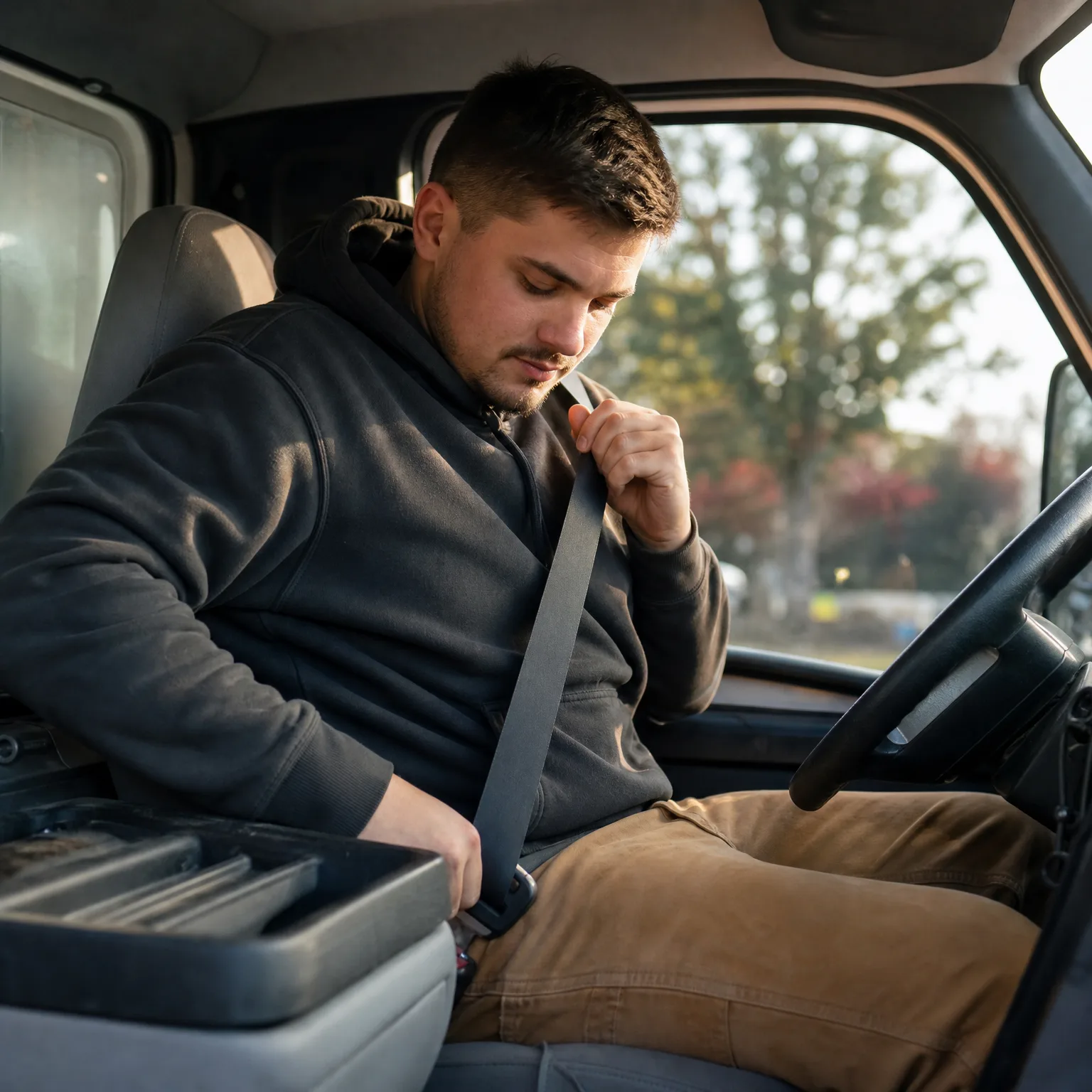
The Court-to-PennDOT Clearance Gap Most Single Parents Miss
Paying your court fines does not automatically lift your suspension. The county court must send a clearance notice to PennDOT, and PennDOT must process that clearance and update your driving record before you can reinstate. This administrative handoff takes 30-45 days in most Pennsylvania counties, and there is no universal statewide timeline.
Most single parents make the same sequencing mistake: they pay the court in full, assume their suspension is resolved, and attempt to reinstate at a PennDOT Driver License Center the same week. The clerk runs their record, sees the suspension still active, and denies reinstatement. They leave without understanding that the court payment has not yet posted to PennDOT's system.
You cannot bypass this gap by showing a court receipt at the Driver License Center. PennDOT's reinstatement system requires electronic clearance from the court—manual overrides are not permitted for unpaid ticket suspensions. If you attempt reinstatement before the court clearance posts, you waste the $50 restoration fee and must return once the system updates.
The county variability is significant. Philadelphia County courts process clearances faster than rural counties with part-time clerks. If your tickets originated in multiple counties, each court must send separate clearance notices, and PennDOT will not process your reinstatement until all clearances are received. Multi-county suspensions can extend the gap to 60-90 days.

How to Verify Court Clearance Posted to PennDOT Before Paying the Restoration Fee
Before paying the $50 restoration fee or visiting a Driver License Center, verify your suspension status using PennDOT's online Driver License Restoration Requirements tool at dmv.pa.gov. Log in with your driver's license number and date of birth. The system displays active suspensions, required actions, and clearance status for each court case.
Wait until the system shows zero active suspensions before attempting reinstatement. If the court clearance has not posted yet, the system will still list the unpaid ticket suspension as active, even if you paid the court weeks earlier. Calling the court does not speed up the electronic transmission—courts send batch clearance files to PennDOT on varying schedules, and individual case priority is not available.
If 45 days have passed since you paid the court and the suspension still shows active in PennDOT's system, contact the court clerk's office that handled your case. Request confirmation that they submitted the clearance notice to PennDOT. If the court confirms submission but PennDOT's system has not updated, contact PennDOT's Bureau of Driver Licensing at 717-391-6190. Provide your driver's license number and the court case number. PennDOT can manually verify receipt of the court clearance and escalate processing if the electronic file was delayed or corrupted.
Single parents juggling childcare and work schedules cannot afford multiple trips to a Driver License Center or wasted restoration fees. The online verification step eliminates guesswork and ensures you reinstate on the first attempt.
What Proof of Insurance You Need for Reinstatement After Unpaid Tickets
Pennsylvania requires proof of current auto insurance at reinstatement, but not SR-22 filing for unpaid ticket suspensions. You must present a valid insurance card showing coverage that meets Pennsylvania's minimum liability requirements: $15,000 bodily injury per person, $30,000 bodily injury per accident, and $5,000 property damage. Your policy must be active on the day you reinstate.
If you do not currently own a vehicle, you need a non-owner auto insurance policy. Non-owner policies provide the liability coverage required by law without insuring a specific vehicle. This is the correct solution for single parents who sold their car during suspension, rely on public transit or rideshares, or borrow vehicles from family members. Standard policies require a listed vehicle—non-owner policies do not.
Your insurance carrier does not need to notify PennDOT when you purchase a policy for unpaid ticket reinstatement. SR-22 is a specific filing mechanism used for high-risk suspensions—DUI, uninsured motorist violations, and certain reckless driving cases. Unpaid tickets do not fall into that category. You simply present your insurance card at the Driver License Center when you pay the restoration fee.
If your previous policy lapsed during suspension, do not reinstate that policy without shopping first. Carriers treat lapsed policies as new business and may charge higher rates than a fresh quote from a competitor. Single parents on tight budgets benefit from comparing at least three quotes before selecting coverage—monthly premium differences of $30-$50 are common for identical liability limits.

Line Up Coverage Before Your License Comes Back
Get Back on the Road
Why Pennsylvania Offers No Hardship License for Unpaid Ticket Suspensions
Pennsylvania's Occupational Limited License program, governed by 75 Pa.C.S. § 1553, is not available for unpaid ticket suspensions. The OLL petition process applies only to DUI convictions, and even then, eligibility depends on serving a mandatory hard suspension period first. Administrative suspensions for unpaid fines, points accumulation, or uninsured violations do not qualify for OLL relief.
This creates a harsh reality for single parents who need to drive to work, school drop-offs, or medical appointments. Unlike states that offer hardship licenses for financial hardship or family support obligations, Pennsylvania draws a bright line: pay the court in full, wait for clearance to post, then reinstate. There is no intermediate step allowing restricted driving during the suspension.
The Ignition Interlock Limited License, which some drivers confuse with the OLL, is also DUI-specific and administered by PennDOT for drivers with alcohol-related suspensions. It requires installation of an ignition interlock device before filing for restricted privileges. Unpaid ticket suspensions do not trigger IID requirements and are not eligible for IILL.
If you cannot afford to pay the full court fine immediately, contact the court clerk's office to request a payment plan. Many Pennsylvania county courts allow installment agreements for traffic fines, though approval is not guaranteed. Once you enter a payment plan and make the first payment, some counties will issue a partial clearance to PennDOT, which may lift the suspension before the full balance is paid. This varies by county—Philadelphia and Allegheny counties have formalized payment-plan clearance procedures, while smaller counties handle requests case-by-case.

How Long You Must Maintain Insurance After Reinstating from Unpaid Tickets
Pennsylvania does not impose a mandatory SR-22 filing period after reinstating from unpaid ticket suspensions. Once your license is reinstated, you must maintain continuous auto insurance as required by 75 Pa.C.S. § 1786, but you are not subject to the 3-year SR-22 monitoring period that applies to DUI and uninsured motorist violations.
If your insurance lapses after reinstatement, PennDOT will suspend your registration and license again—but this triggers a new suspension under the financial responsibility statute, not a continuation of the unpaid ticket suspension. The new suspension carries its own restoration fee and reinstatement process. Carriers report policy cancellations to PennDOT electronically through the Financial Responsibility Reporting system, typically within 10 days of cancellation.
Single parents who reinstate and then struggle with premium payments face a recurring suspension cycle. The solution is not cheaper coverage that barely meets minimums—minimum liability policies from non-standard carriers often cancel for missed payments faster than standard carriers. The solution is budgeting for continuous coverage and setting up automatic payments to prevent lapses.
If you cannot afford your current premium, shop for a new policy before your current policy cancels. Switching carriers mid-term is legal and does not penalize you. Do not wait until you receive a cancellation notice—once the carrier reports the lapse to PennDOT, the suspension process begins, and you lose negotiating time. Proactive shopping preserves your driving privileges and avoids the $50 restoration fee repeating every 6-12 months.
What Single Parents Should Do Right Now
Log into PennDOT's Driver License Restoration Requirements tool at dmv.pa.gov and verify your suspension status. If unpaid tickets are listed, note the court case numbers and counties. Contact each court clerk's office to confirm the total balance due and ask whether payment plans are available.
Once you pay the court, wait 30-45 days before attempting reinstatement. Check the online tool weekly to confirm the court clearance posted to PennDOT. Do not visit a Driver License Center or pay the restoration fee until the system shows zero active suspensions. If 45 days pass without clearance posting, call the court first, then PennDOT's Bureau of Driver Licensing.
Shop for auto insurance quotes before reinstatement day. If you do not own a vehicle, request non-owner policy quotes from at least three carriers. Compare monthly premiums and payment plan options. Set up automatic payments to prevent future lapses. Bring your insurance card, driver's license, and $50 cash or card to the Driver License Center on reinstatement day. The process takes 15-30 minutes once clearance is verified.
Frequently Asked Questions
Do I need SR-22 insurance to reinstate my license after unpaid tickets in Pennsylvania?
No. Pennsylvania does not require SR-22 filing for unpaid ticket suspensions. You need proof of current auto insurance that meets state minimums, but SR-22 is only required for DUI, uninsured motorist violations, and certain reckless driving suspensions.
How long does it take for court payment to show up on my PennDOT record?
Court clearances typically post to PennDOT within 30-45 days after you pay your fines in full. County courts send batch clearance files electronically, and processing times vary by county. You cannot reinstate until the clearance posts, even if you paid the court weeks earlier.
Can I get a hardship license in Pennsylvania while my license is suspended for unpaid tickets?
No. Pennsylvania's Occupational Limited License is available only for DUI suspensions after serving a mandatory hard suspension period. Unpaid ticket suspensions do not qualify for OLL or any other form of restricted driving privileges.
What happens if I try to reinstate before the court clearance posts to PennDOT?
The Driver License Center will deny your reinstatement because PennDOT's system still shows the suspension as active. You will waste the $50 restoration fee and must return once the court clearance processes. Always verify clearance status online at dmv.pa.gov before visiting a Driver License Center.
Can I set up a payment plan with the court to lift my suspension before paying in full?
Some Pennsylvania county courts allow installment payment plans and may issue partial clearance to PennDOT after the first payment, which can lift the suspension before the full balance is paid. Approval varies by county—contact the court clerk's office that handled your case to request a payment plan.
Do I need non-owner insurance if I sold my car during the suspension?
Yes. Pennsylvania requires proof of auto insurance at reinstatement regardless of whether you own a vehicle. Non-owner policies provide the liability coverage required by law without insuring a specific vehicle. This is the correct solution if you no longer own a car or rely on borrowed vehicles.
How long do I have to keep insurance after I reinstate from unpaid tickets?
Pennsylvania requires continuous auto insurance as long as you hold a driver's license, but there is no SR-22 monitoring period for unpaid ticket suspensions. If your insurance lapses after reinstatement, PennDOT will suspend your license again under the financial responsibility statute, which triggers a new suspension and restoration fee.
Related Articles
PA Unpaid Tickets Suspension Cost Stack for Parents
5/3/2026

PA Unpaid Tickets Reinstatement: Court & DMV Timing
5/3/2026

PA Unpaid Tickets: SR-22 Timing for College Students
5/3/2026

PA Child Support Suspension: SR-22 & Reinstatement
5/3/2026

PA CDL Unpaid Tickets: SR-22 Filing & Reinstatement
5/3/2026
PA FTA Warrant Suspension Costs for Single Parents
5/3/2026