
Oregon Unpaid Tickets Suspension: SR-22 Timing for Single Parents
Free to compare
Does Oregon Require SR-22 Filing for Unpaid Tickets Suspension?
No. Oregon does not require SR-22 financial responsibility filing for license suspensions caused by unpaid traffic tickets, missed court appearances, or failure to pay fines. The suspension is purely administrative—the DMV suspends your license to compel payment, not because you're considered a high-risk driver requiring proof of insurance.
SR-22 filing is required in Oregon only for suspensions tied to driving behavior that triggers insurance risk concerns: DUII convictions, reckless driving, implied consent violations (refusing or failing a BAC test), habitual traffic offender status, or uninsured driving. Unpaid tickets fall outside this category. You owe the court money, but you don't owe the state proof of continuous liability coverage.
The confusion arises because Oregon DMV's reinstatement process requires proof of insurance at the time you reinstate—but that's standard liability coverage, not SR-22. Single parents often call carriers asking for SR-22 quotes because they assume all suspensions require it, then pay higher premiums for a filing they don't legally need. If your suspension letter from Oregon DMV does not explicitly state "SR-22 required," you don't need it.
What Oregon Actually Requires to Reinstate After Unpaid Tickets
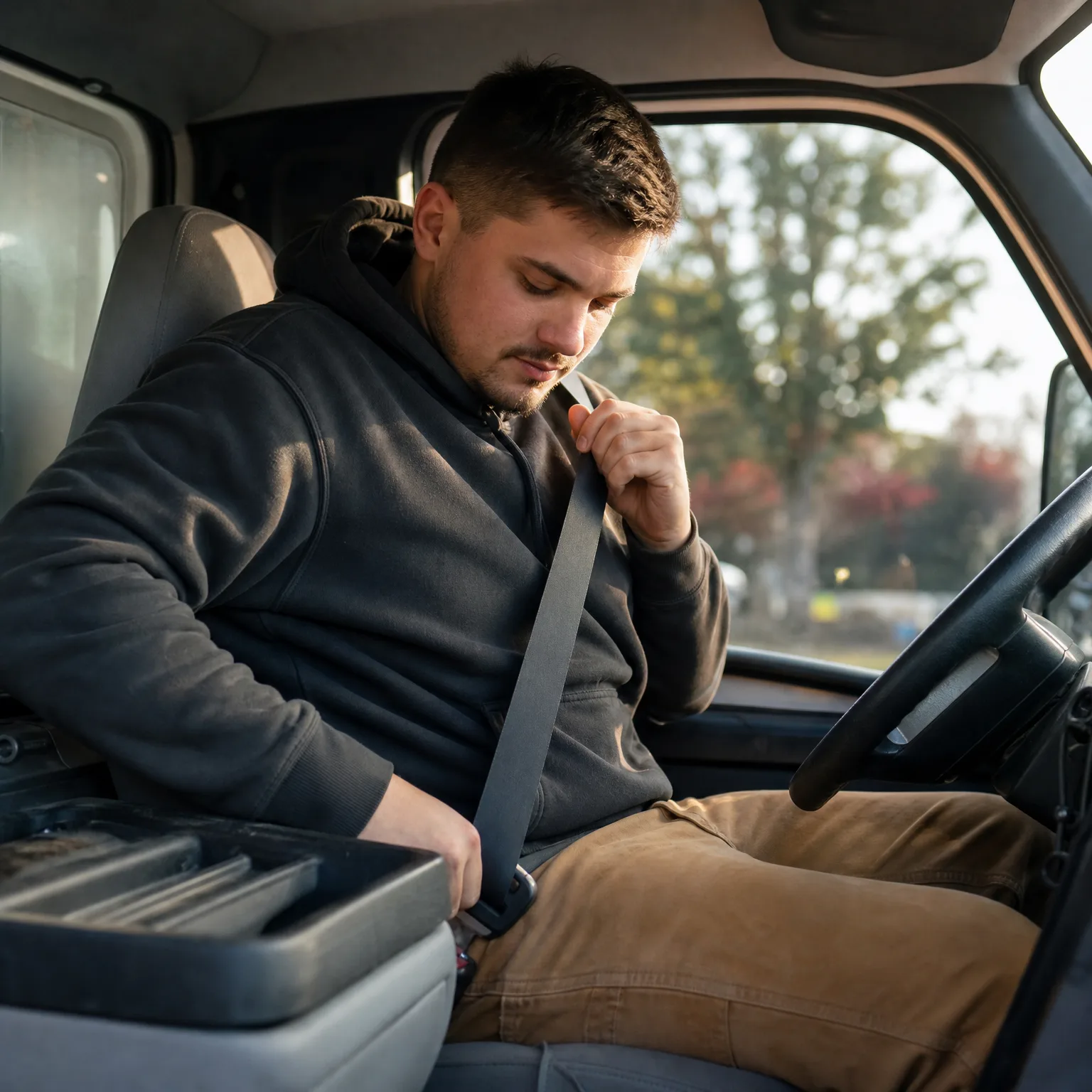
Oregon requires three items to reinstate a license suspended for unpaid tickets: proof you paid the court in full or entered a payment plan the court approved, a $75 reinstatement fee paid to Oregon DMV, and proof of current auto liability insurance if you plan to drive immediately after reinstatement.
The proof-of-payment requirement is the sticking point for most single parents. Oregon courts do not automatically notify DMV when you pay a ticket or fine after suspension. You must obtain a clearance document from the court—sometimes called a compliance letter or clearance notice—showing the debt is resolved. Without this document, DMV will not process your reinstatement even if you've already paid the fine weeks earlier.
The $75 reinstatement fee is separate from any court fines or fees. It's paid directly to Oregon DMV, either online at oregondmv.com, by mail, or in person at a DMV field office. The fee is non-refundable and must be paid before your driving privileges are restored. If you're on a court-approved payment plan for the original tickets, you can still reinstate—but the court must confirm to DMV that the plan is active and you're current on payments.
The insurance requirement at reinstatement is standard liability coverage meeting Oregon's minimum limits: $25,000 bodily injury per person, $50,000 bodily injury per accident, $20,000 property damage. You do not need SR-22 unless your suspension letter specifically states otherwise. Most single parents discover this only after calling multiple carriers and being quoted SR-22 rates 40-60% higher than standard liability.

Why Single Parents Face Longer Reinstatement Timelines in Oregon
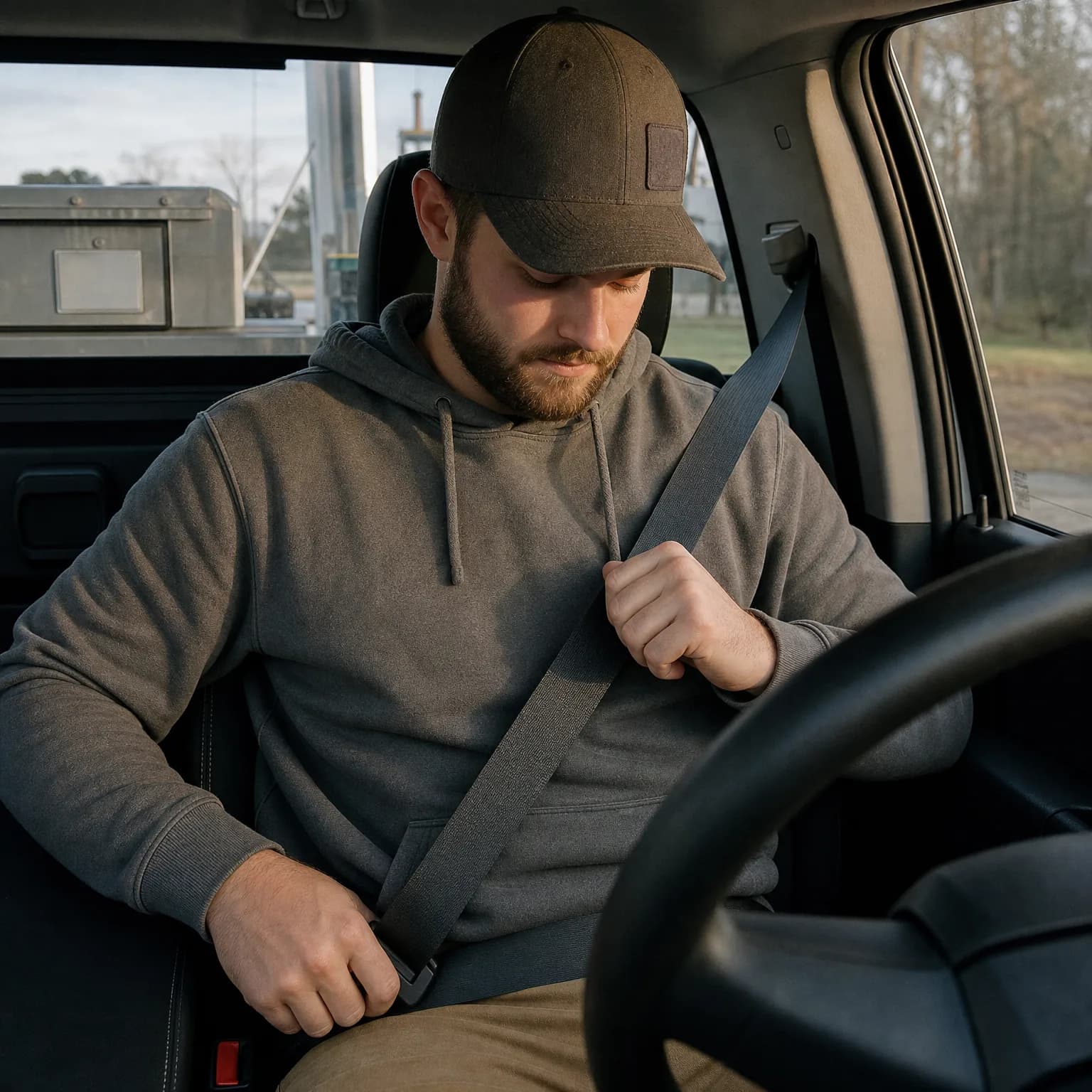
Single parents navigating Oregon's unpaid tickets reinstatement process face coordination delays between three entities—the court, Oregon DMV, and their insurance carrier—that stretch timelines 30-60 days beyond what the statute technically allows. The court processes your payment but doesn't immediately notify DMV. DMV won't schedule reinstatement until the court clearance posts to their system. Your carrier won't issue proof of insurance until you confirm reinstatement timing.
Oregon courts operate on manual reporting timelines. When you pay a ticket or fine after suspension, the court clerk must generate a clearance notice and transmit it to Oregon DMV's Driver and Motor Vehicle Services Division. This transmission is not instant. Circuit courts in Multnomah, Lane, and Washington counties typically process clearances within 5-10 business days. Rural counties with smaller clerk staffs can take 15-20 business days. If you pay the fine on a Friday afternoon, the clearance may not reach DMV until three weeks later.
DMV won't accept your reinstatement fee or process your application until the court clearance appears in their system. If you call DMV on day 8 after paying the fine and the clearance hasn't posted yet, they'll tell you to wait. If you call on day 12 and it still hasn't posted, they'll tell you to contact the court. The court will confirm they sent it. DMV will confirm they haven't received it. You're stuck in a coordination gap neither agency owns.
Single parents managing work schedules, childcare, and limited transportation options can't afford to wait indefinitely for clearances to post. The optimal path: pay the fine, request a stamped proof-of-payment receipt from the court clerk the same day, and bring that receipt to DMV in person along with your $75 reinstatement fee. DMV field offices in Portland, Eugene, and Salem can often process reinstatements on the spot if you present court documentation directly—bypassing the electronic clearance lag entirely.

Line Up Coverage Before Your License Comes Back
Get Back on the RoadInsurance Lapse Documentation Requirements After Suspension
Oregon requires continuous liability insurance for registered vehicles under ORS 806.010. If your vehicle registration was suspended due to insurance lapse during the period your license was suspended for unpaid tickets, you face a separate reinstatement process for the vehicle registration itself—independent of your driver license reinstatement.
Oregon DMV suspends vehicle registration when your insurance carrier reports a policy cancellation or lapse to the state's electronic insurance verification system. This is not the same as a driver license suspension. You can have a valid driver license but suspended vehicle registration, or vice versa. Single parents who let insurance lapse during a license suspension—reasoning they couldn't drive anyway—discover at reinstatement that they now owe two separate reinstatement fees: $75 for the driver license and an additional registration reinstatement fee for the vehicle.
To reinstate suspended vehicle registration in Oregon, you must provide proof of current insurance, pay the registration reinstatement fee, and maintain continuous coverage going forward. The registration reinstatement fee is separate from the $75 driver license reinstatement fee and must be verified against current Oregon DMV fee schedules, as it has changed over time. If you don't currently own a vehicle, you don't face this requirement—but if you plan to register a vehicle after reinstating your license, be prepared to show continuous coverage from the reinstatement date forward.
Oregon uses an electronic insurance reporting system where carriers notify DMV of policy cancellations in near-real-time. There is an administrative processing lag between when your carrier reports a lapse and when DMV issues a suspension notice to you, but Oregon statute does not establish a formal consumer-facing grace period. The safest approach: maintain continuous liability coverage from the moment you reinstate your driver license, even if you don't plan to drive immediately, to avoid triggering a separate vehicle registration suspension down the line.

Hardship Permit Options for Single Parents During Suspension
Oregon offers a Hardship Permit that allows limited driving during suspension for essential purposes: employment, medical appointments, school, and essential household needs. The permit is available to drivers suspended for unpaid tickets, but eligibility and restrictions vary based on the specific suspension type and your driving history.
To apply for an Oregon Hardship Permit, you must submit an application to Oregon DMV's Driver and Motor Vehicle Services Division, provide proof of essential need—typically a letter from your employer confirming work schedule and location, medical appointment documentation, or school enrollment verification—and show proof of SR-22 insurance if your suspension also involves a DUII or other high-risk trigger. For unpaid tickets suspensions alone, SR-22 is not required for the hardship permit unless your driving record includes additional violations that independently trigger financial responsibility filing.
The hardship permit restricts you to driving only for the purposes stated in your application, during the hours necessary for those purposes, and on routes DMV approves based on your stated need. Violating these restrictions—driving outside approved hours, using the vehicle for personal errands not listed in your application, or allowing another person to drive using your permit—results in immediate hardship permit revocation and extends your underlying suspension period.
Single parents juggling childcare drop-offs, multiple job sites, and medical appointments for dependents must document each purpose separately in the hardship application. Oregon DMV evaluates hardship permits on a case-by-case basis. The more specific your documentation—employer letterhead confirming shift times, daycare address and operating hours, pediatrician appointment schedules—the stronger your application. Generic statements like "need to drive for work" or "need to take kids to school" are insufficient. DMV needs verifiable proof that no alternative transportation exists for these specific trips at these specific times.

What to Do About Insurance Before and After Reinstatement
If your license is currently suspended for unpaid tickets and you don't own a vehicle, you don't need insurance until you reinstate. Once you're ready to reinstate, you'll need proof of liability coverage meeting Oregon's minimums to complete the process—but you don't need SR-22 for an unpaid tickets suspension.
If you own a vehicle and plan to drive immediately after reinstatement, purchase standard auto liability coverage before you pay the reinstatement fee. Oregon DMV will ask for proof of insurance at the time you reinstate. Most carriers can issue proof of insurance electronically within minutes of binding the policy, but allowing 24-48 hours ensures you avoid delays at the DMV counter.
If you don't currently own a vehicle but plan to drive a borrowed or household vehicle after reinstatement, consider a non-owner liability policy. Non-owner policies provide the liability coverage Oregon requires without insuring a specific vehicle. They're typically 30-50% less expensive than standard policies because they cover only your liability when driving vehicles you don't own—not physical damage to any vehicle. Single parents who rely on a partner's vehicle, a family member's car, or occasional borrowed transportation find non-owner policies the most cost-effective path to reinstatement.
After reinstatement, maintain continuous coverage. Oregon's electronic insurance verification system monitors all active policies. If your carrier reports a lapse or cancellation, DMV may suspend your vehicle registration even if your driver license remains valid. Set up automatic payments or calendar reminders for renewal dates to avoid triggering a new administrative suspension cycle.
Frequently Asked Questions
Do I need SR-22 to reinstate my Oregon license after unpaid tickets?
No. Oregon does not require SR-22 filing for suspensions caused by unpaid tickets, missed court dates, or failure to pay fines. SR-22 is required only for DUII convictions, reckless driving, habitual offender status, or uninsured driving. You need standard liability coverage to reinstate, but not SR-22 unless your suspension letter explicitly states otherwise.
How long does it take for Oregon DMV to process a court clearance after I pay my tickets?
Oregon courts typically transmit payment clearances to DMV within 5-20 business days, depending on county clerk staffing. Urban counties like Multnomah and Lane process faster than rural counties. You can bypass this delay by bringing a stamped proof-of-payment receipt from the court directly to a DMV field office when you pay your reinstatement fee.
Can I get a hardship permit in Oregon if I'm suspended for unpaid tickets?
Yes. Oregon issues Hardship Permits for unpaid tickets suspensions if you can prove essential need—employment, medical appointments, school, or essential household responsibilities. You must submit an application to Oregon DMV with documentation of your need, and you'll be restricted to approved routes and hours. SR-22 is not required unless your suspension also involves DUII or another high-risk trigger.
What happens if my insurance lapses after I reinstate my Oregon license?
Oregon DMV will suspend your vehicle registration if your carrier reports a lapse, even if your driver license remains valid. You'll owe a separate registration reinstatement fee and must provide proof of current insurance to restore registration. Oregon's electronic verification system monitors policies continuously, so maintain coverage without gaps after reinstatement.
Do I need insurance while my Oregon license is suspended for unpaid tickets?
You don't need insurance during the suspension period if you're not driving and don't own a registered vehicle. You will need proof of liability coverage when you reinstate—Oregon DMV requires it at the time you pay the $75 reinstatement fee. If you own a vehicle and it remains registered, you must maintain continuous coverage to avoid a separate vehicle registration suspension.
Can I drive in Oregon with a hardship permit if I have childcare responsibilities?
Yes, if you document childcare drop-off and pick-up as an essential household need in your hardship permit application. Include daycare name, address, operating hours, and your child's enrollment confirmation. Oregon DMV evaluates each case individually—the more specific your documentation, the stronger your application. Driving outside approved hours or purposes results in immediate permit revocation.
How much does it cost to reinstate an Oregon license suspended for unpaid tickets?
Oregon charges a $75 driver license reinstatement fee for unpaid tickets suspensions, paid directly to DMV. This is separate from any court fines or fees you owe. If your vehicle registration was also suspended due to insurance lapse, you'll owe an additional registration reinstatement fee—verify the current amount with Oregon DMV, as fee schedules change periodically.
Related Articles

Oregon Unpaid Ticket Suspension: SR-22 & College Timing
5/3/2026
Oregon Unpaid Tickets Suspension: Full Cost Stack
5/3/2026
Oregon Child Support Suspension: Reinstatement Costs
5/3/2026

Oregon Child Support Suspension Reinstatement Costs
5/3/2026

Oregon Unpaid Ticket Suspensions: SR-22 for Rideshare
5/3/2026
Oregon FTA Warrant Suspension: SR-22 Timing for Students
5/3/2026