
Oklahoma Rideshare SR-22 Filing After Unpaid Tickets Suspension
Free to compare
Why Unpaid Tickets Don't Trigger SR-22 Requirements in Oklahoma
Oklahoma suspends licenses for unpaid traffic tickets through a purely administrative process managed by the Department of Public Safety. The suspension is a compliance tool to force payment, not a judgment about your driving risk. SR-22 filing is not required to reinstate your license after an unpaid-ticket suspension in Oklahoma.
SR-22 is reserved for violations that demonstrate financial irresponsibility or high-risk driving behavior: DUI convictions, uninsured motorist violations under 47 O.S. § 7-606, or certain repeat moving violations. Unpaid tickets fall outside this category. The state assumes you can resolve the suspension by paying the fines and the $125 reinstatement fee to DPS. No insurance filing is legally mandated.
The confusion arises because rideshare platforms like Uber and Lyft conduct their own driver eligibility reviews. Their background check systems flag any suspension, regardless of cause. When you attempt to reactivate your driver account using a Modified Driver License—Oklahoma's restricted license available during certain suspensions—many rideshare HR systems reject the documentation automatically. The platform's compliance team assumes all suspensions carry SR-22 requirements, even though Oklahoma law makes no such requirement for unpaid tickets.

How Oklahoma's Modified Driver License Works for Rideshare Drivers
Oklahoma offers a Modified Driver License for drivers suspended due to unpaid fines, but eligibility depends on completing specific steps with both the court and DPS. You must first pay all outstanding fines and court costs, or arrange a payment plan approved by the court that issued the original tickets. The court then issues a clearance notice to DPS.
Once DPS receives court clearance, you can apply for a Modified Driver License through either the district court that handled your case or directly through DPS, depending on the nature of your suspension. The application requires proof of employment or essential travel need, which rideshare driving satisfies. However, the Modified Driver License comes with route and time restrictions defined by the court or DPS. Typical restrictions limit driving to work-related purposes during specific hours tied to your documented employment schedule.
Rideshare platforms reject Modified Driver Licenses for one structural reason: the route and time restrictions conflict with the platforms' 24/7 on-demand service model. Uber and Lyft require drivers to be available across service zones without geographic or time-of-day limitations. A Modified Driver License that restricts you to driving Monday through Friday, 6 AM to 6 PM, within a specific county, does not meet platform requirements. Even if you could technically complete rideshare trips within those boundaries, the platforms' automated compliance systems flag the restriction and suspend your account.

The Timing Gap Between Court Clearance and DPS Reinstatement
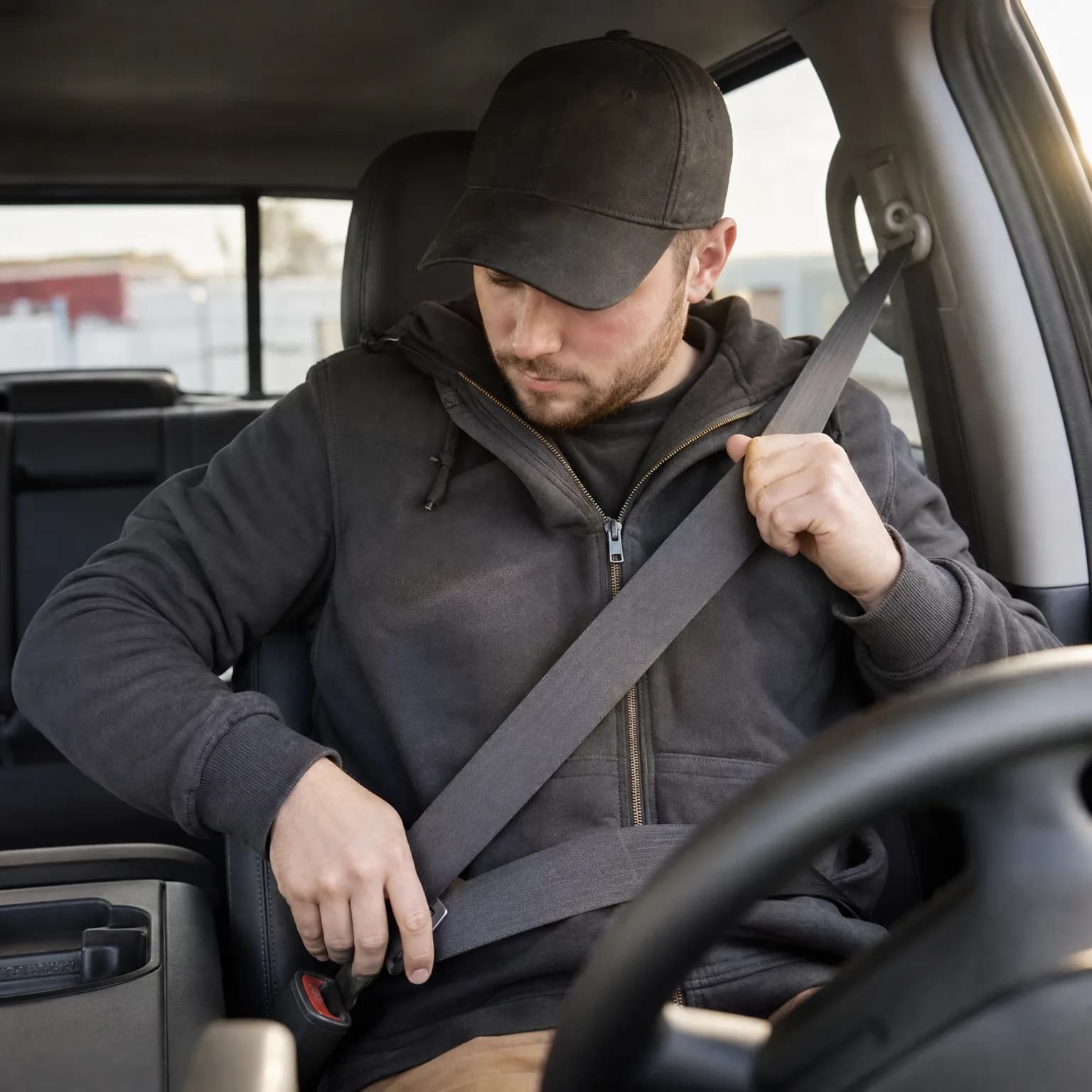
Oklahoma's reinstatement process after unpaid-ticket suspensions requires coordination between three separate entities: the court, DPS, and your insurance carrier. The most common delay occurs when drivers pay court fines but do not confirm that the court has transmitted clearance to DPS. Courts are required to notify DPS when a driver satisfies outstanding obligations, but this notification is not instantaneous. Depending on the court's administrative backlog, clearance can take 14 to 30 days to post to your DPS driving record.
If you attempt to reinstate your license before court clearance appears in the DPS system, your application will be rejected. DPS cannot process reinstatement until their records show compliance with the underlying suspension cause. Many drivers pay their fines, wait a week, visit a DPS office, and are turned away because the court clearance has not yet posted. The rejection does not refund your reinstatement fee or application time.
You can avoid this delay by requesting a clearance confirmation letter from the court clerk at the time you make your final payment. This letter serves as proof that your obligation is satisfied. When you visit DPS to apply for reinstatement or a Modified Driver License, present the clearance letter alongside your application. DPS can verify the clearance directly with the court if the electronic record has not yet updated. This reduces the gap from weeks to days in most counties.
Why Rideshare Platforms Reject Modified License Documentation
Rideshare platforms conduct ongoing driver eligibility monitoring through third-party background check providers. These systems pull motor vehicle records from state DMVs on a rolling basis, typically every 90 days. When a suspension appears on your record, the platform's compliance team flags your account and requests updated documentation. If you submit a Modified Driver License as proof of reinstatement, the background check system often categorizes it as a restricted license and triggers an automatic disqualification.
The platform's reasoning is risk mitigation. Modified Driver Licenses carry legal restrictions that limit when, where, and why you can drive. Uber and Lyft's business model depends on drivers being available across the entire service area at all hours. Even if your Modified Driver License allows work-related driving, the platform cannot verify that every trip you accept will fall within your court-approved route and time restrictions. The mismatch creates liability exposure for the platform.
This creates a structural problem: Oklahoma does not require SR-22 for unpaid-ticket suspensions, so you cannot satisfy the platform's de facto SR-22 expectation even if you wanted to. The platform assumes all suspensions carry SR-22 requirements because that is true in many other states and for other suspension types. But Oklahoma's legal framework does not align with the platform's assumption. You are caught between a state that does not require SR-22 and a platform that will not accept documentation without it.

Line Up Coverage Before Your License Comes Back
Get Back on the Road
What Full Reinstatement Requires for Rideshare Driving
The only way to resume rideshare driving in Oklahoma after an unpaid-ticket suspension is to achieve full license reinstatement, not Modified Driver License status. Full reinstatement removes all restrictions from your driving privileges and satisfies rideshare platform eligibility requirements. The process begins with paying all outstanding fines and court costs in full. Payment plans do not qualify for full reinstatement—only complete satisfaction of the debt.
Once the court clears your record with DPS, you must pay the $125 reinstatement fee directly to DPS. This fee is separate from any court fines or costs. You can pay online through the Oklahoma DPS website if your suspension is eligible for online processing, or in person at a DPS Driver License Services office. Bring proof of payment for court fines, a valid form of identification, and proof of current Oklahoma liability insurance that meets the state's minimum coverage requirements: $25,000 per person for bodily injury, $50,000 per accident for bodily injury, and $25,000 per accident for property damage.
DPS will process your reinstatement application and issue a new unrestricted license once all requirements are satisfied. The entire process from final court payment to new license in hand typically takes 30 to 45 days, assuming no additional holds or administrative delays. Once your license shows unrestricted status on your motor vehicle record, rideshare platforms will clear your account for driving within one to two background check cycles.
Insurance Requirements After Unpaid-Ticket Reinstatement
Oklahoma does not require SR-22 filing for unpaid-ticket suspensions, but you must still maintain continuous liability coverage that meets state minimums to keep your reinstated license valid. Letting your insurance lapse after reinstatement triggers a new suspension under Oklahoma's Uninsured Vehicle Identification System. Insurers electronically report policy cancellations and lapses to the Oklahoma Insurance Department, which notifies the Oklahoma Tax Commission. The Tax Commission can suspend your vehicle registration, and repeat lapses may require SR-22 filing as a condition of future reinstatement.
Rideshare platforms require higher liability limits than Oklahoma's state minimums. Uber and Lyft mandate $50,000 per person, $100,000 per accident for bodily injury, and $25,000 per accident for property damage as the minimum personal auto policy limits for active drivers. The platform provides commercial coverage that layers on top of your personal policy during active trips, but your personal policy must meet these thresholds before the platform's coverage activates. If your personal policy falls below these limits, the platform will deactivate your account.
If you do not currently own a vehicle, you can satisfy both state and platform requirements with a non-owner liability policy. This policy provides the required liability coverage without insuring a specific vehicle. Rates for non-owner policies in Oklahoma typically range from $40 to $70 per month for drivers with clean records. Drivers reinstating after a suspension may see rates 20 to 40 percent higher due to the suspension appearing on their motor vehicle record, but the increase is temporary and decreases as the suspension ages beyond three years.
How Long the Suspension Stays on Your Record
Oklahoma maintains suspension records on your motor vehicle record for three years from the date of reinstatement, not the date of suspension. This means the unpaid-ticket suspension will appear on background checks conducted by rideshare platforms, insurance carriers, and employers for three full years after you pay the reinstatement fee and restore your license. The suspension does not disappear once you reinstate—it remains as a historical event on your driving record.
Insurance carriers use this three-year window to assess risk and set premiums. Even though the suspension is resolved, its presence on your record signals a higher claims probability in the carrier's underwriting model. You will likely pay higher-than-average premiums for liability coverage during this period. Rates typically return to baseline once the suspension ages past the three-year mark and no longer appears in the carrier's underwriting query.
Rideshare platforms conduct periodic background checks that pull your motor vehicle record every 90 days. The suspension will appear on these checks for the full three-year period. However, as long as your license status shows unrestricted and valid at the time of each check, the historical suspension does not disqualify you from continued platform eligibility. The platform's concern is current license status, not past suspensions that have been fully resolved.
Frequently Asked Questions
Can I file SR-22 voluntarily in Oklahoma to speed up rideshare account reactivation?
You can file SR-22 voluntarily, but it will not change your rideshare eligibility timeline. Platforms reject Modified Driver License documentation regardless of SR-22 status because the route and time restrictions conflict with on-demand service requirements. Full unrestricted license reinstatement is the only documentation rideshare platforms accept after suspension.
How long does it take to get a Modified Driver License in Oklahoma after paying court fines?
Court clearance typically posts to DPS records within 14 to 30 days after final payment. Once clearance posts, you can apply for a Modified Driver License through the court or DPS. Processing time for the application itself is typically 7 to 14 business days, assuming you provide all required documentation at submission.
Will Uber or Lyft notify me if my account is flagged due to a suspension?
Yes, both platforms send email notifications when background checks detect a suspension or other disqualifying event. The notification usually includes a request to upload updated documentation. If you submit a Modified Driver License, expect a follow-up message stating the documentation does not meet platform requirements.
Do I need to notify my insurance carrier about the unpaid-ticket suspension?
Your carrier will discover the suspension when they run your motor vehicle record at your next policy renewal. Oklahoma insurers pull records routinely, and suspensions appear immediately. Most carriers will increase your premium at renewal to reflect the higher risk profile, but they cannot cancel mid-term unless you lapse coverage or misrepresent information on your application.
Can I drive for food delivery apps with a Modified Driver License in Oklahoma?
Food delivery platforms like DoorDash and Grubhub typically have less restrictive driver requirements than rideshare platforms, but policies vary by platform and market. Some accept Modified Driver Licenses as long as route restrictions do not conflict with delivery zones. Contact the platform's driver support team directly to confirm eligibility before activating your account.
What happens if I get pulled over while driving on a Modified Driver License outside my approved route?
Violating the route or time restrictions on your Modified Driver License is a criminal offense in Oklahoma. Law enforcement can charge you with driving while suspended, which carries penalties including additional fines, extended suspension periods, and potential jail time for repeat offenses. The violation will also revoke your Modified Driver License immediately.
Related Articles
OK Unpaid Ticket Suspension: Rideshare Cost Breakdown
5/3/2026
OK Unpaid Ticket Suspensions: SR-22 Timing for Students
5/3/2026
Oklahoma Lapse SR-22 Filing for Rideshare Drivers
5/3/2026
OK Rideshare SR-22 Cost After Lapse: Real Fee Stack
5/3/2026
Reinstating Unpaid Tickets Suspension in Oklahoma
5/3/2026
Utah Rideshare SR-22 After Unpaid Ticket Suspension
5/3/2026