
Ohio CDL Reinstatement After Unpaid Tickets: Full Cost Breakdown
Free to compare
Ohio Processes Personal License and CDL Reinstatements on Separate Tracks
The Ohio Bureau of Motor Vehicles runs personal driver's license reinstatements and commercial driver's license reinstatements through different processing queues. Your personal license can show active in the system while your CDL remains suspended because the CDL reinstatement requires additional federal compliance verification that the personal reinstatement process does not trigger. Most CDL holders assume paying the reinstatement fee and filing SR-22 clears both licenses simultaneously—it does not.
When unpaid tickets suspend your Ohio license, the suspension applies to your entire driving record. The BMV posts the suspension to both your Class D personal license and your Class A/B CDL. Clearing the suspension requires satisfying the underlying obligation—paying the tickets or resolving the court case—then paying the reinstatement fee and filing proof of financial responsibility. The personal license reinstatement posts within 3-5 business days after the BMV receives confirmation. The CDL reinstatement posts 15-30 days later because the BMV must submit your clearance to the Federal Motor Carrier Safety Administration's Commercial Driver's License Information System, wait for FMCSA acknowledgment, and then post the CDL reinstatement internally.
This delay is invisible to most drivers because the BMV does not notify you when your CDL reinstatement posts separately from your personal license reinstatement. Your employer's background check or MVR pull will show the CDL suspension active even after your personal license shows clear. Carriers interpret this as non-compliance and delay dispatch assignments until the CDL record updates. The cost of this gap is not a fee—it is lost dispatch weeks during peak freight periods.
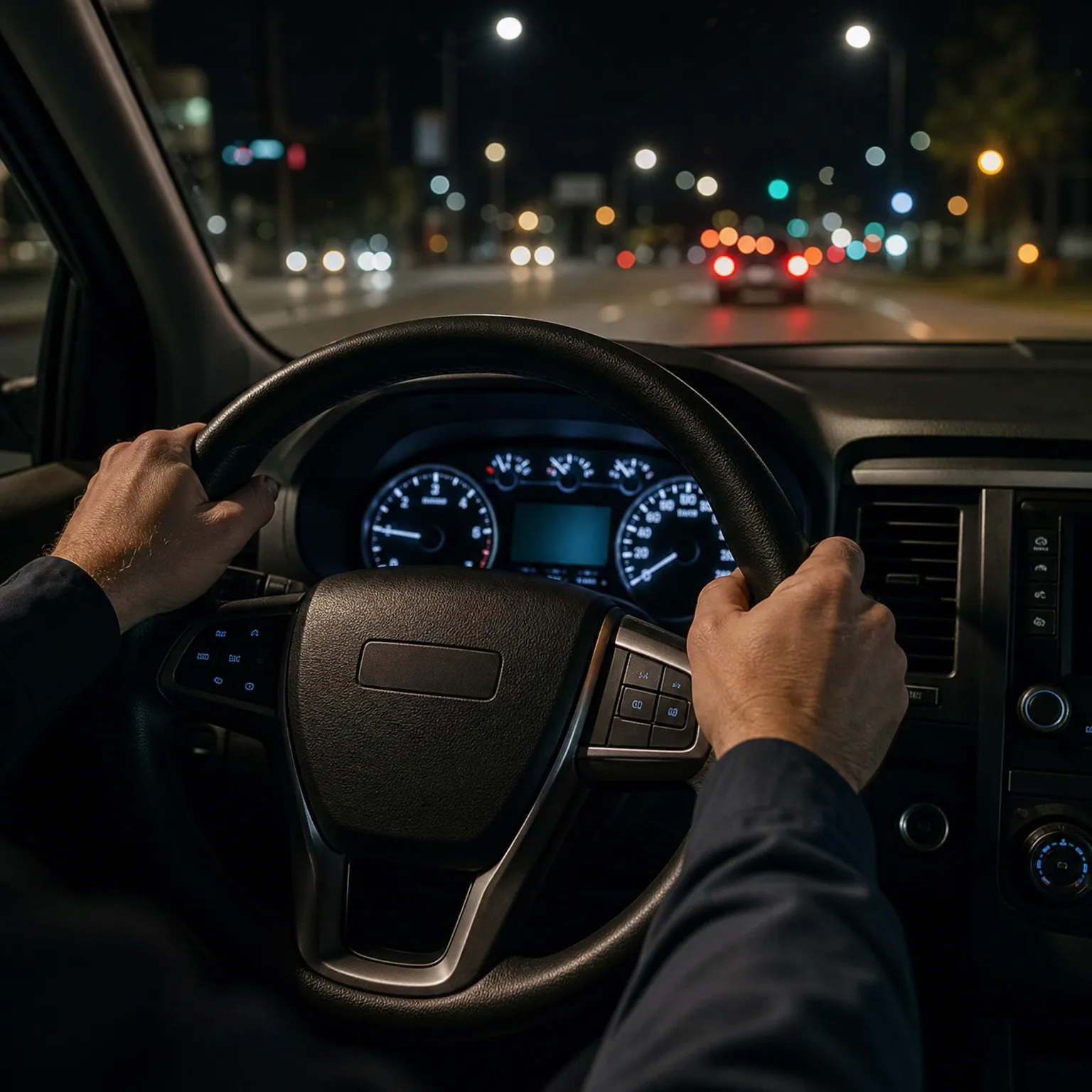
Ohio Unpaid Ticket Suspension Costs for CDL Holders Break Into Four Categories
Reinstatement costs after unpaid ticket suspension in Ohio include court fines, BMV reinstatement fees, SR-22 filing fees, and commercial-driver insurance markup. Court fines vary by ticket type and jurisdiction—speeding tickets in Ohio municipal courts range from $150 to $500 depending on speed over limit, while failure-to-appear bench warrants add $100-$300 in additional court costs. The BMV reinstatement fee for unpaid ticket suspension is $50 if no other suspensions exist on your record. If the unpaid tickets triggered a separate suspension—such as accumulating 12 points within 24 months—the reinstatement fee increases to $475.
Ohio does not require SR-22 filing for unpaid ticket suspensions specifically, but many CDL holders carry other violations on their record that do trigger SR-22 requirements. If your suspension history includes DUI/OVI, reckless operation, uninsured operation, or multiple at-fault accidents, Ohio law requires maintaining SR-22 for three years from the reinstatement date. The SR-22 filing fee is $15-$50 depending on carrier. The commercial driver insurance markup is where most CDL holders underestimate total cost. Carriers categorize commercial drivers as high-risk after any suspension, regardless of cause. Monthly premiums for a CDL holder with a suspension on record range from $220-$400/month, compared to $110-$180/month for clean-record commercial drivers. Over the three-year SR-22 filing period, this markup adds $3,960-$7,920 to total reinstatement cost.
Employment verification documentation costs appear when your carrier or employer requires certified MVR abstracts or court disposition letters to prove reinstatement. Ohio BMV charges $5 for a standard MVR and $10 for a certified abstract. Courts charge $5-$25 per certified disposition depending on jurisdiction. Most CDL holders need three to five copies across multiple background check requests during the first year post-reinstatement.


Why SR-22 Premiums Jump Higher for CDL Holders Than Personal-License Drivers
Commercial driver's license holders pay higher SR-22 premiums than personal-license drivers because insurers evaluate CDL holders under commercial underwriting standards even when the policy covers personal driving only. A personal-use SR-22 policy for a CDL holder costs $180-$320/month in Ohio after suspension, compared to $90-$160/month for a Class D driver with identical violation history. The difference reflects the insurer's exposure to commercial driving risk—CDL holders are statistically more likely to return to commercial driving during the policy term, and insurers price the policy to account for that likelihood.
Carriers apply this markup even when the CDL holder signs an affidavit stating they will not drive commercially during the SR-22 filing period. The underwriting category follows the license class on your BMV record, not your stated driving intent. Some CDL holders attempt to downgrade their license to Class D to avoid the commercial markup, but Ohio law prohibits voluntary CDL downgrades while a suspension is active on your record. You must complete full reinstatement of the CDL before requesting a downgrade to a personal license class.
Non-owner SR-22 policies do not eliminate the CDL markup in Ohio. If you do not own a vehicle and need SR-22 only to satisfy reinstatement requirements, non-owner policies provide the required proof of financial responsibility at lower premiums than vehicle-based policies—but the CDL underwriting category still applies. Non-owner SR-22 for CDL holders in Ohio typically costs $140-$220/month, compared to $60-$110/month for non-CDL drivers.
Ohio CDL Holders Cannot File SR-22 Until Court Clearance Posts to BMV
The Ohio BMV will not accept SR-22 filing until the underlying suspension cause is resolved and posted to your driving record. For unpaid ticket suspensions, this means the court must confirm payment or case resolution and transmit that confirmation to the BMV. Courts in Ohio transmit disposition updates to the BMV electronically, but processing time varies by court system. Franklin County Municipal Court posts clearances within 2-5 business days. Cuyahoga County posts within 5-10 business days. Smaller municipal and county courts without integrated electronic systems mail paper disposition forms, which post to the BMV 10-21 days after the court processes payment.
If you pay your tickets and immediately purchase SR-22 coverage, the insurance carrier files the SR-22 with the BMV within 24-48 hours. The BMV rejects the filing if your suspension status still shows active because the court clearance has not posted yet. The rejection does not notify you directly—it appears only in your BMV record as a failed filing attempt. Your carrier does not automatically refile once the clearance posts. You must contact the carrier, confirm the clearance has posted, and request manual refiling. This adds 3-7 days to your reinstatement timeline and often triggers a second filing fee from the carrier.
The workaround is to confirm clearance posting before purchasing SR-22. Call the BMV's reinstatement unit at 614-752-7600 and verify your suspension status shows resolved before contacting an insurance carrier. Once the BMV confirms clearance, you can file SR-22 the same day and avoid rejection delays.

Line Up Coverage Before Your License Comes Back
Get Back on the Road
Employment Reinstatement Documentation Costs Add $150-$400 to Total
Most trucking carriers and fleet employers require three documents to reinstate a CDL holder to active dispatch status after suspension: a certified MVR showing active CDL status, a court disposition letter confirming case resolution, and proof of SR-22 filing if required. The Ohio BMV charges $10 for a certified MVR abstract. Courts charge $5-$25 per certified disposition depending on jurisdiction. SR-22 proof comes from your insurance carrier at no additional cost—it is the SR-22 certificate already filed with the BMV.
Employers often require updated background checks through third-party consumer reporting agencies during the reinstatement period. These checks pull your MVR, federal FMCSA records, and criminal background through systems like DAC, HireRight, or Tenstreet. You do not pay these fees directly—the employer pays the agency—but the agency charges you $40-$75 to dispute inaccurate suspension dates or failed reinstatement postings that appear on the report. Disputes are common because FMCSA records update 15-30 days behind Ohio BMV records, creating a window where your Ohio record shows clear but your federal PSP report still shows suspension active.
Some carriers require bonding or additional liability coverage before reinstating a suspended driver. Performance bonds for commercial drivers with suspension history range from $500-$1,500 annually in Ohio. This is not legally required for reinstatement—it is an employer-imposed condition to mitigate their insurance liability. If your carrier requires bonding, that cost is employer-specific and negotiable, but refusal typically results in termination or indefinite suspension from dispatch.
Realistic Total Cost Range for Ohio CDL Unpaid Ticket Reinstatement
A CDL holder reinstating after unpaid ticket suspension in Ohio should budget $1,200-$3,400 in first-year costs. This assumes one unpaid ticket ($150-$500 in fines and court costs), BMV reinstatement fee ($50 if no other suspensions, $475 if points-related suspension exists), SR-22 filing fee ($15-$50), and the first year of elevated SR-22 insurance premiums ($2,640-$4,800 annually, or $220-$400/month). Add $50-$150 for certified MVR abstracts, court disposition letters, and background check dispute fees.
If the suspension involved multiple tickets or a failure-to-appear warrant, add $300-$800 to the court cost total. If your employer requires bonding, add $500-$1,500 annually. If you do not own a vehicle and need non-owner SR-22, reduce the annual insurance cost to $1,680-$2,640 ($140-$220/month). The three-year SR-22 filing period multiplies these annual insurance costs—total insurance cost over the full filing period ranges from $5,040-$14,400 depending on driving record, age, county, and carrier.
These figures reflect current Ohio BMV and court fee schedules as of 2025 and typical SR-22 premium ranges for commercial drivers. Individual costs vary by county, court jurisdiction, number of violations on record, and carrier underwriting criteria. Verify current reinstatement fees with the Ohio BMV reinstatement unit before budgeting.
How to Minimize Reinstatement Costs and Timeline Delays
Pay tickets in full as soon as suspension notice arrives. Ohio courts do not negotiate ticket fines after suspension is issued, but paying immediately prevents additional bench warrant fees and late penalties that increase total court costs by $100-$300. Confirm court clearance posting to the BMV before purchasing SR-22 coverage. This eliminates rejection delays and duplicate filing fees. Request a certified MVR from the Ohio BMV only after your CDL reinstatement posts—pulling it early wastes the $10 fee because the document will not reflect your cleared status.
Shop SR-22 coverage across at least three carriers that write commercial driver policies. Premium variance for CDL holders with suspension history ranges from $80-$120/month between carriers in the same county. Carriers that specialize in non-standard commercial auto—such as The General, National General, Bristol West, and Acceptance Insurance—typically offer lower SR-22 rates for CDL holders than standard carriers like State Farm or Progressive. Non-owner SR-22 is the lowest-cost option if you do not own a vehicle and do not plan to drive commercially during the filing period. Verify your employer allows non-owner coverage before purchasing—some carriers require drivers to maintain vehicle-based policies regardless of personal ownership.
If your employer requires bonding or additional liability coverage, negotiate the amount and term before agreeing. Performance bonds for commercial drivers are employer-imposed, not state-required, and the cost is often negotiable based on your reinstatement timeline and violation history. Some carriers waive bonding requirements after six months of clean driving post-reinstatement.
Frequently Asked Questions
Does Ohio require SR-22 for unpaid ticket suspensions?
Ohio does not require SR-22 for unpaid ticket suspensions specifically. SR-22 is required only if your record includes DUI/OVI, reckless operation, uninsured driving, or multiple at-fault accidents. If unpaid tickets are your only violation, you pay the reinstatement fee and resolve the court case without SR-22 filing.
How long does Ohio CDL reinstatement take after paying tickets?
Personal license reinstatement posts 3-5 business days after the BMV receives court clearance confirmation. CDL reinstatement posts 15-30 days later because the BMV must submit clearance to FMCSA and wait for federal acknowledgment before updating your commercial driving record. Your personal license will show clear before your CDL does.
Can I downgrade my CDL to avoid higher SR-22 premiums in Ohio?
No. Ohio law prohibits voluntary CDL downgrades while a suspension is active on your record. You must complete full CDL reinstatement before requesting a downgrade to Class D. Even after reinstatement, downgrading does not retroactively lower SR-22 premiums already locked in at the commercial rate.
What happens if I file SR-22 before Ohio court clearance posts?
The BMV rejects the SR-22 filing if your suspension status still shows active. The rejection does not notify you directly—it appears only in your BMV record. Your carrier will not automatically refile once clearance posts. You must contact them to request manual refiling, which adds 3-7 days and often triggers a second filing fee.
Do trucking companies require bonding after CDL suspension in Ohio?
Some carriers require performance bonds ranging from $500-$1,500 annually before reinstating suspended drivers to active dispatch. This is not a state reinstatement requirement—it is an employer-imposed condition to reduce their insurance liability. The amount and term are negotiable, and some carriers waive bonding after six months of clean driving.
How much does non-owner SR-22 cost for Ohio CDL holders?
Non-owner SR-22 for CDL holders in Ohio typically costs $140-$220/month, compared to $60-$110/month for non-CDL drivers. The CDL underwriting category applies even to non-owner policies because insurers evaluate risk based on your license class, not vehicle ownership. This is still lower than vehicle-based SR-22 policies, which cost $220-$400/month for commercial drivers.
Can I drive commercially while my personal license shows clear but CDL still shows suspended?
No. Operating a commercial vehicle requires an active CDL. Even if your personal license reinstatement posts before your CDL reinstatement, driving commercially with a suspended CDL violates federal and Ohio law and triggers automatic termination from most carriers. Wait until your CDL record updates in FMCSA systems before accepting dispatch.
Related Articles

Ohio CDL Reinstatement After Unpaid Tickets: Court & BMV
5/3/2026
Ohio CDL Unpaid Ticket Suspension: SR-22 & Lapse Gaps
5/3/2026

Ohio CDL Reinstatement Costs After Insurance Lapse
5/3/2026
Ohio CDL Child Support Suspension: Real Reinstatement Costs
5/3/2026

Ohio CDL Child Support Reinstatement Timeline
5/3/2026
Ohio CDL Failure-to-Appear Reinstatement Costs & Fees
5/3/2026