
North Dakota Unpaid Ticket Suspensions: SR-22 Timing for Rideshare
Free to compare
North Dakota Administrative Suspensions Do Not Require SR-22 Filing
North Dakota treats unpaid traffic ticket suspensions as administrative holds, not high-risk violations. The state does not require SR-22 filing to clear these suspensions or reinstate your license. You need proof of payment from the court and standard liability insurance that meets North Dakota's minimum coverage requirements: 25/50/25 liability limits ($25,000 bodily injury per person, $50,000 per accident, $25,000 property damage).
Rideshare drivers filing SR-22 for unpaid ticket suspensions add $50-$100 per month in premiums for three years — approximately $1,800 to $3,600 total — for a filing the state never required. Carriers charge SR-22 administrative fees and classify you as high-risk when your suspension was purely administrative. This happens because most online resources default to SR-22 messaging for any suspension type, and rideshare driver support teams repeat the same generic advice without checking North Dakota's actual reinstatement requirements.
The distinction matters immediately. If you paid your tickets this week and your rideshare account is deactivated, filing SR-22 delays reactivation and costs more than reinstating with standard insurance. North Dakota's Driver License Division processes administrative reinstatements within 5-7 business days once payment clears and proof of insurance posts to their system. SR-22 filings add no speed advantage and create a three-year compliance period you never needed to enter.
What North Dakota Actually Requires to Reinstate After Unpaid Tickets
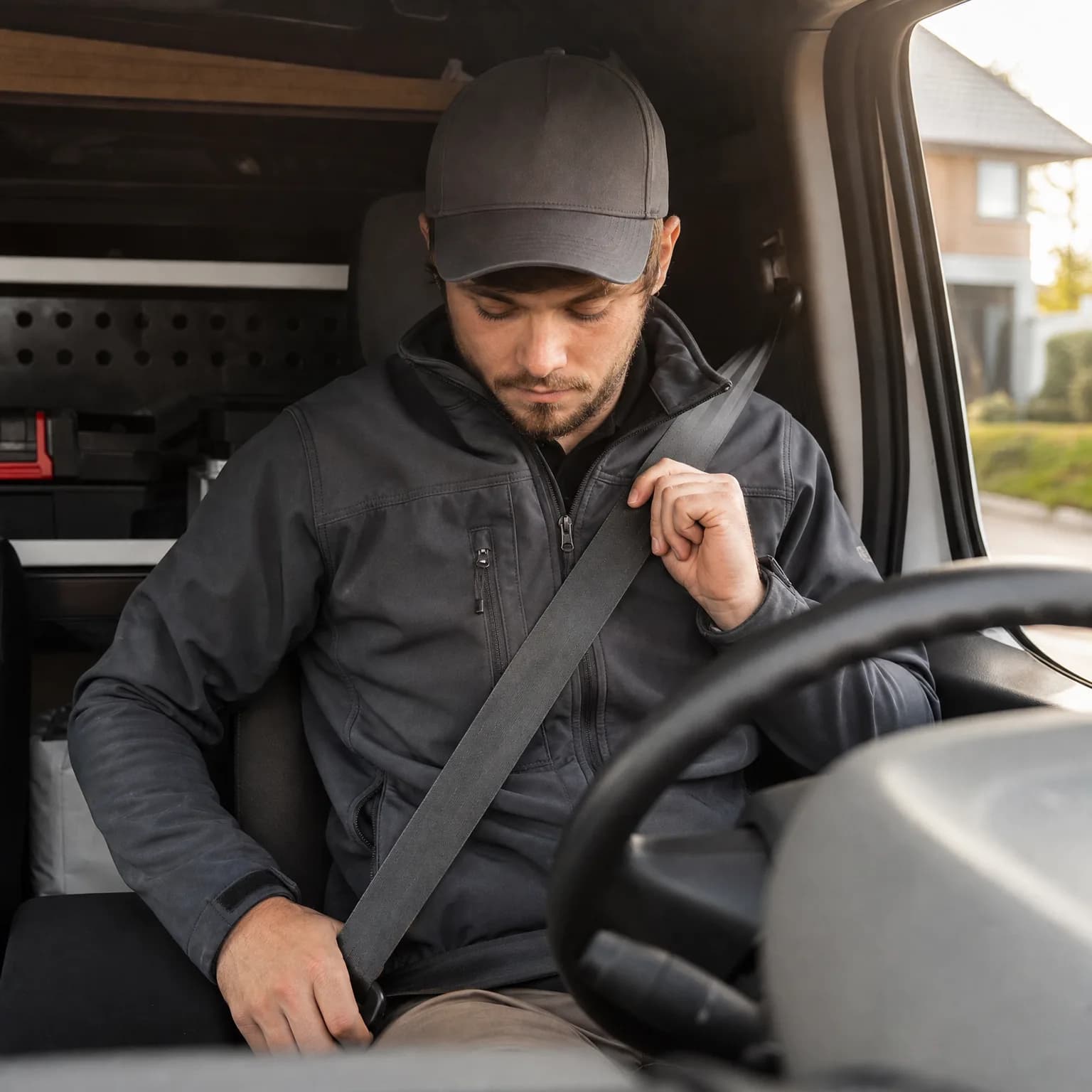
North Dakota requires three documents to lift an unpaid ticket suspension: court clearance showing all fines and fees paid in full, a $25 reinstatement fee paid to the North Dakota Department of Transportation, and proof of liability insurance meeting state minimums. The court clearance must come from the issuing court — municipal court for city violations, district court for county violations. Payment receipts alone do not satisfy this requirement. The court must file electronic clearance with the Driver License Division.
Your insurance proof must show continuous coverage from the suspension date forward with no lapses longer than 30 days. North Dakota runs an electronic verification system that cross-checks your policy against carrier filings. If your policy lapsed during suspension, you need a new policy that starts before you submit reinstatement paperwork. The policy must list you as a named driver, not just a household member on someone else's policy. Non-owner policies qualify if you do not own a vehicle.
Rideshare platforms require commercial or rideshare endorsements that standard policies exclude. Most North Dakota drivers carry a personal policy for reinstatement, then add a separate rideshare rider or switch to a rideshare-friendly carrier after reinstatement clears. Filing SR-22 does not replace this requirement. Uber and Lyft check your license status independently and require platform-specific coverage regardless of your SR-22 filing status.

When North Dakota Does Require SR-22 Filing
North Dakota mandates SR-22 filing for conviction-based suspensions and insurance-related violations. DUI convictions, reckless driving convictions, driving without insurance citations, and accumulation of 12 or more points in a 12-month period trigger SR-22 requirements. The state also requires SR-22 if your license was previously suspended for DUI or uninsured driving within the past seven years, even if your current suspension stems from unpaid tickets.
Unpaid ticket suspensions do not appear on this list. North Dakota Statutes Section 39-06-42 specifies SR-22 requirements for high-risk violations only. Administrative holds for unpaid fines, failure to appear, or child support arrears do not trigger financial responsibility filing requirements unless the underlying ticket was for driving without insurance.
Check your suspension notice carefully. The notice states the suspension reason and lists required steps for reinstatement. If the notice does not mention Form SR-22 or financial responsibility filing, you do not need it. If you are uncertain whether your suspension qualifies as administrative or conviction-based, contact the Driver License Division at 701-328-2600 before purchasing SR-22 coverage. Carriers cannot refund SR-22 filings once submitted to the state.
Line Up Coverage Before Your License Comes Back
Get Back on the RoadHow Lapse Documentation Affects Rideshare Reinstatement
North Dakota forgives insurance lapses up to 30 days during suspension if you reinstate with continuous coverage afterward. Lapses longer than 30 days require additional documentation. You must submit a signed affidavit explaining the lapse period and proof of coverage for at least 30 consecutive days before reinstatement. The affidavit does not require notarization but must include your full legal name, driver's license number, lapse start and end dates, and reason for the lapse.
Rideshare drivers who let personal policies lapse during suspension create a second documentation problem. Uber and Lyft background check systems flag lapses longer than 60 days and may require platform-specific reinstatement reviews even after your license clears. This review process adds 10-14 days to reactivation timelines and sometimes requires supervisor approval that automated systems cannot grant.
The cleanest path: maintain your personal policy during suspension, pay your tickets within 30 days of the suspension effective date, and submit reinstatement paperwork immediately after court clearance posts. North Dakota does not prorate insurance premiums for suspended drivers. You pay the same monthly rate whether you drive or not. Canceling your policy to save $80-$120 per month during a 60-day suspension creates a lapse gap that costs you two extra weeks of lost rideshare income when you reinstate.
Finding Insurance That Works for North Dakota Rideshare Reinstatement
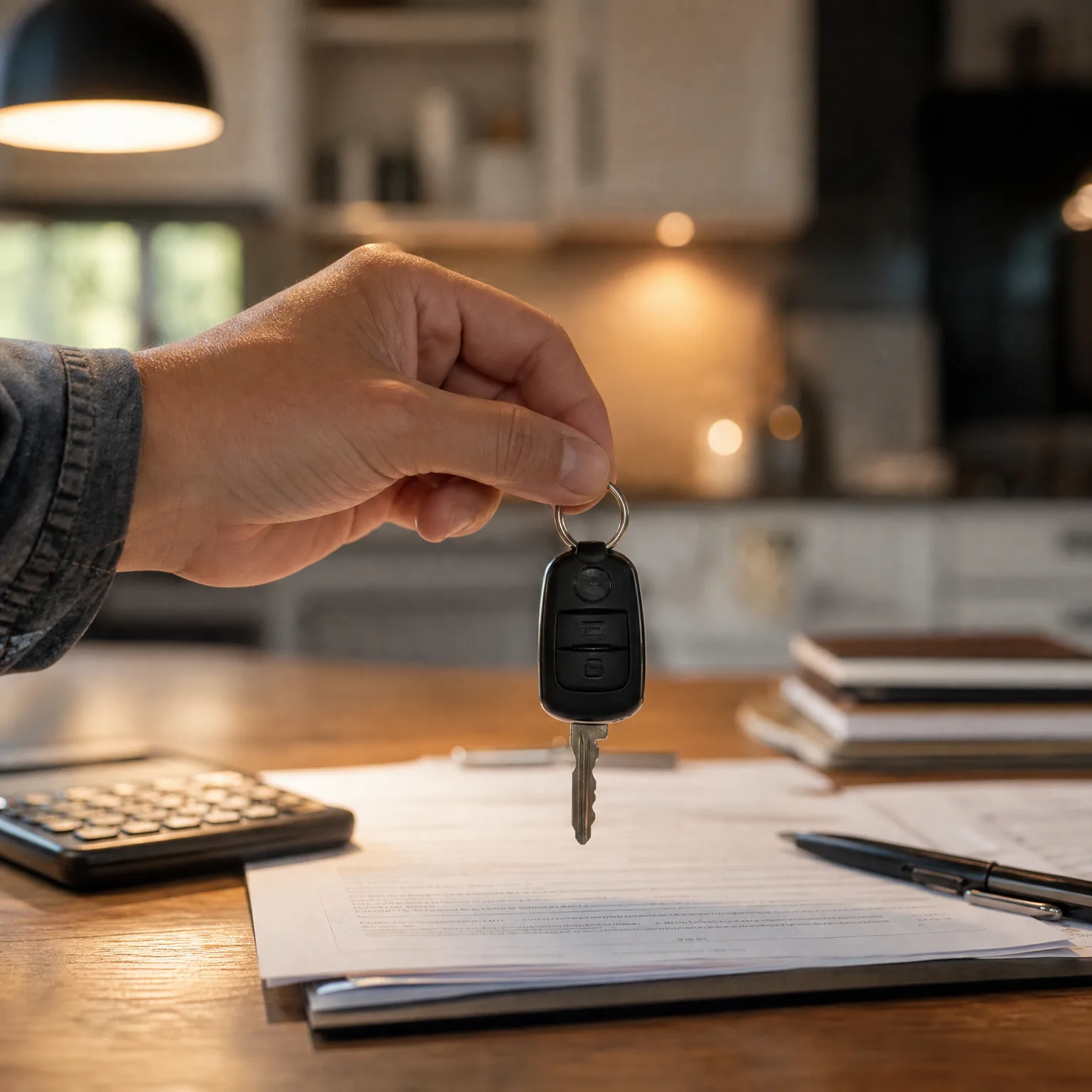
North Dakota rideshare drivers need liability insurance that satisfies state minimums and a carrier willing to write policies for drivers with recent suspensions. Not all carriers accept suspended license reinstatements immediately. Progressive, The General, and National General write policies for drivers reinstating after administrative suspensions without SR-22 upcharges. State Farm and Farmers typically require a 30-day waiting period after reinstatement before issuing new policies to previously suspended drivers.
Non-owner policies cost $30-$50 per month in North Dakota and satisfy reinstatement requirements if you do not own a vehicle. These policies provide liability coverage when you drive borrowed or rented vehicles but do not cover a car you own or regularly use. Rideshare drivers who lease vehicles through Uber or Lyft rental programs qualify for non-owner policies because the lease company owns the vehicle, not the driver.
Compare quotes from at least three carriers before purchasing. Rates for reinstating drivers vary by $40-$80 per month between carriers for identical coverage. Ask each carrier whether they report to North Dakota's electronic verification system in real time or batch-file overnight. Real-time reporting carriers post your proof of insurance to the Driver License Division within 2-4 hours. Batch-file carriers take 24-48 hours, which delays reinstatement processing if you submit paperwork the same day you purchase coverage.
Frequently Asked Questions
Do I need SR-22 to drive for Uber or Lyft in North Dakota after a suspension?
No, North Dakota does not require SR-22 for unpaid ticket suspensions. You need standard liability insurance meeting state minimums and a clear license to reactivate your rideshare account. Uber and Lyft require platform-specific endorsements separately, but SR-22 filing is not part of that requirement unless your suspension was DUI-related or for driving without insurance.
How long does North Dakota take to process reinstatement after I pay my tickets?
North Dakota's Driver License Division processes administrative reinstatements in 5-7 business days after court clearance and proof of insurance post to their system. Court clearance timing varies by jurisdiction — municipal courts in Fargo and Bismarck file electronically within 2-3 business days, while smaller county courts may take 7-10 days to update records.
Can I reinstate my North Dakota license with a non-owner policy?
Yes, non-owner policies satisfy North Dakota's reinstatement insurance requirements if you do not own a vehicle. The policy must meet 25/50/25 liability minimums and list you as the named insured. Rideshare drivers leasing through Uber or Lyft rental programs qualify for non-owner policies because the lease company owns the vehicle.
What happens if my insurance lapsed during my North Dakota suspension?
North Dakota allows lapses up to 30 days without additional documentation. Lapses longer than 30 days require a signed affidavit explaining the gap and proof of at least 30 consecutive days of coverage before reinstatement. Lapses longer than 60 days may trigger rideshare platform background check holds that delay reactivation by 10-14 days.
Will North Dakota require SR-22 if I had a DUI suspension years ago but this suspension is for unpaid tickets?
North Dakota may require SR-22 if your previous DUI suspension occurred within the past seven years, even if your current suspension is administrative. Check your suspension notice — if it lists Form SR-22 or financial responsibility filing as a reinstatement requirement, the state is applying the prior violation history. Contact the Driver License Division at 701-328-2600 to confirm before purchasing coverage.
Which North Dakota insurance carriers write policies for rideshare drivers reinstating after suspension?
Progressive, The General, and National General write policies for drivers reinstating after administrative suspensions without SR-22 requirements. State Farm and Farmers typically require a 30-day post-reinstatement waiting period. Rates vary by $40-$80 per month between carriers for identical coverage, so compare quotes from at least three before purchasing.
Related Articles

ND Rideshare Suspension Costs: Tickets to SR-22
5/3/2026

ND Child Support Suspension: Rideshare SR-22 & Fees
5/3/2026

ND Rideshare Reinstatement Costs After Lapse
5/3/2026
ND Rideshare SR-22 After Insurance Lapse Suspension
5/3/2026

North Dakota Unpaid Ticket Suspension & SR-22 Lapses
5/3/2026
ND Unpaid Tickets Suspension: SR-22 & Lapse Rules
5/3/2026