
NC CDL Holders: SR-22 Timing After Unpaid Ticket Suspension
Free to compare
Why Unpaid Ticket Suspensions Hit CDL Holders Twice
Unpaid ticket suspensions in North Carolina revoke both your personal Class C license and your commercial driving privileges simultaneously under a single NCDMV action. The suspension order doesn't distinguish between the two. Your CDL endorsement is administratively suspended when your base license is suspended, even if the underlying violation occurred in your personal vehicle and had nothing to do with commercial operation.
North Carolina does not require SR-22 filing for unpaid ticket suspensions. The reinstatement fee for this trigger is $50, paid directly to NCDMV after you resolve the outstanding court obligations. Most CDL holders assume they need SR-22 because they've confused unpaid ticket suspension with DWI or uninsured motorist revocations, which do carry SR-22 requirements.
The confusion creates a procedural trap: CDL holders file SR-22 through their personal auto carrier thinking it will accelerate reinstatement, but NCDMV processes SR-22 filings and court clearance documents on separate administrative tracks. Filing SR-22 before your court clearance posts to NCDMV adds 15-30 days to your timeline because the SR-22 processing system flags your record as "pending compliance review" and holds reinstatement until both tracks resolve.
The Three-Entity Coordination Gap North Carolina Doesn't Explain
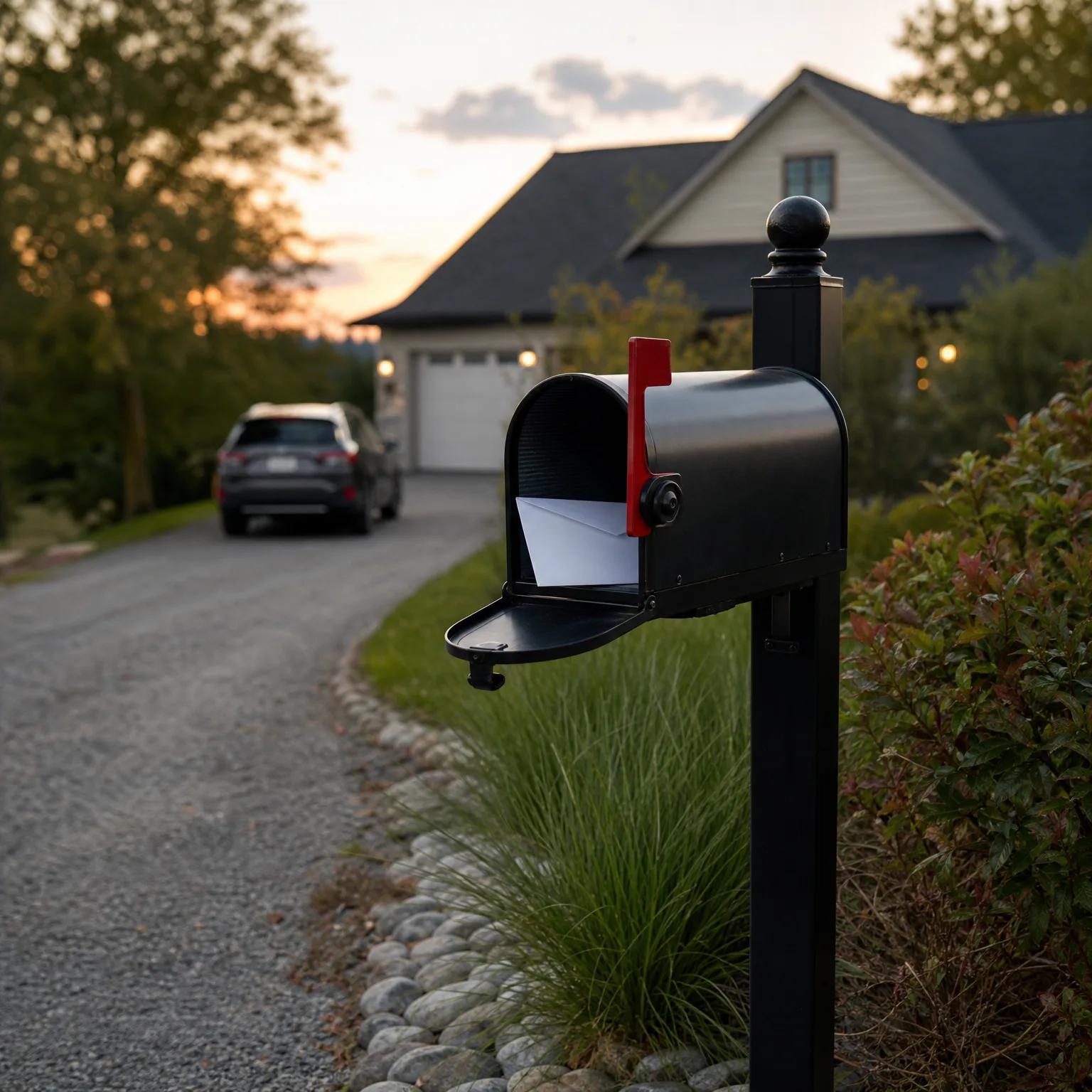
Reinstating after unpaid ticket suspension requires clearing three separate entities in a specific sequence: the court where the ticket was issued, the clerk of court who processes payment and issues the clearance certificate, and NCDMV's License & Theft Bureau in Raleigh. Each operates independently. None automatically notifies the next.
You pay the outstanding fine and court costs at the clerk of court. The clerk issues a clearance certificate, but that certificate does not transmit electronically to NCDMV in real time. The court mails or faxes the clearance to NCDMV's centralized processing center, which manually enters it into your driving record. This manual step introduces a 7-14 day lag between payment and NCDMV record update.
Most CDL holders assume paying the ticket instantly clears the suspension and rush to file SR-22 the same day. NCDMV's system shows your suspension still active because the court clearance hasn't posted yet. The SR-22 filing triggers a compliance review hold, and now you're waiting for both the court clearance to post and the SR-22 review to close. The two processes don't coordinate. You've added a second timeline when only one was required.


When SR-22 Is Actually Required for CDL Holders in North Carolina
SR-22 filing is mandatory for North Carolina DWI convictions, civil revocations under G.S. 20-16.5, uninsured motorist violations under G.S. 20-309, and habitual offender designations. Unpaid ticket suspensions fall under G.S. 20-24.1, which governs failure to pay fines and costs. That statute does not impose a financial responsibility filing requirement.
If your unpaid ticket suspension occurred while you also had an active DWI revocation or insurance lapse revocation, you may need SR-22 for the underlying violation. The unpaid ticket suspension itself does not create the SR-22 requirement. Check your NCDMV suspension notice carefully. It will list the statutory basis for suspension. G.S. 20-24.1 does not require SR-22. G.S. 20-16.5, 20-17, or 20-309 do.
CDL holders cannot use an SR-22 filing to operate commercial vehicles. SR-22 satisfies financial responsibility requirements for personal Class C license reinstatement only. Your CDL reinstatement follows the same fee schedule and court clearance process as your Class C license, but SR-22 does not substitute for proof of commercial vehicle insurance or employer-provided coverage.
The Correct Reinstatement Sequence for Unpaid Ticket CDL Suspensions
Pay the outstanding fine and court costs at the clerk of court in the county where the ticket was issued. Request a printed clearance certificate immediately. Do not leave the clerk's office without this document. The certificate includes a case number, payment confirmation, and the clerk's signature. You will need this if NCDMV's record does not update within the expected timeframe.
Wait 10-14 business days after payment before contacting NCDMV. During this window, the court transmits the clearance to NCDMV and the record is manually updated. You can check your driving record status online via myNCDMV.gov or by calling the License & Theft Bureau at 919-715-7000. Do not pay the $50 reinstatement fee until your record shows the suspension cleared.
Once the suspension clears, pay the $50 reinstatement fee via myNCDMV.gov or in person at any NCDMV driver license office. Your Class C license and CDL privileges reinstate simultaneously. There is no separate CDL reinstatement fee. If you need to reinstate immediately and the court clearance has not posted after 14 days, bring the printed clearance certificate to an NCDMV office in person. The examiner can manually verify clearance and process reinstatement on the spot, though this adds 1-2 hours to your visit.

Line Up Coverage Before Your License Comes Back
Get Back on the Road
What Happens If You File SR-22 When You Don't Need It
Filing SR-22 when your suspension does not require it creates a compliance hold on your NCDMV record. The system flags your file for manual review because it detects an SR-22 filing without a corresponding financial responsibility violation. The compliance review adds 15-30 days to your reinstatement timeline while an examiner verifies whether SR-22 was actually required.
You cannot cancel the SR-22 filing retroactively without notifying NCDMV. If you filed SR-22 in error, contact your carrier immediately and request cancellation. The carrier will submit an SR-26 form to NCDMV notifying them of the cancellation. NCDMV requires 10 days to process the SR-26 and remove the compliance hold. During this period, your reinstatement remains on hold even if the court clearance and reinstatement fee have been processed.
The SR-22 filing itself costs $25-$50 depending on your carrier, and maintaining the filing increases your personal auto insurance premium by an average of $40-$80 per month in North Carolina. If you filed SR-22 in error and then cancel within the first 30 days, most carriers will refund the filing fee but not the prorated premium increase for the coverage period. You've paid for SR-22 protection you never needed and delayed reinstatement in the process.

Non-Owner SR-22 and CDL Reinstatement: When It Makes Sense
If your unpaid ticket suspension occurred alongside a DWI or insurance lapse revocation that does require SR-22, and you no longer own a personal vehicle, a non-owner SR-22 policy satisfies the financial responsibility requirement without insuring a specific car. Non-owner policies provide liability coverage when you drive a borrowed or rented vehicle and meet NCDMV's SR-22 mandate.
Non-owner SR-22 policies in North Carolina typically cost $30-$60 per month for minimum liability limits of 30/60/25. The SR-22 filing fee is included in most quotes. Non-owner coverage does not apply to commercial vehicles. Your employer's commercial auto policy covers CDL operation. The non-owner policy exists solely to reinstate your personal Class C license when SR-22 is required.
CDL holders who drive company vehicles exclusively and no longer maintain a personal car often assume they don't need any personal auto insurance. North Carolina requires continuous financial responsibility for all licensed drivers, even those who don't own vehicles. If you let your non-owner policy lapse after reinstatement and SR-22 filing is still required, NCDMV will suspend your license again under G.S. 20-309 for failure to maintain required coverage.
Limited Driving Privilege Availability for Unpaid Ticket Suspensions
North Carolina does not grant Limited Driving Privileges for unpaid ticket suspensions under G.S. 20-24.1. LDPs are available for DWI revocations, certain points-based suspensions, and habitual offender designations, but not for failure to pay fines and costs. The statute provides no court discretion to issue an LDP until the underlying ticket obligation is satisfied.
If your CDL suspension includes both an unpaid ticket component and a separate DWI or points-based revocation, you may petition for an LDP to address the DWI or points trigger. The LDP will not lift the unpaid ticket suspension. Both suspensions must clear independently. Pay the outstanding ticket first, then petition for LDP on the remaining revocation if you meet the statutory waiting period and eligibility requirements.
CDL holders cannot operate commercial vehicles under an LDP. G.S. 20-179.3 explicitly restricts LDPs to non-commercial Class C operation. The privilege allows limited personal driving for work commutes, medical appointments, and court-ordered obligations, but your employer cannot authorize commercial operation under an LDP. Full CDL reinstatement requires clearing the suspension entirely and paying the reinstatement fee.
Frequently Asked Questions
Do I need SR-22 to reinstate my CDL after an unpaid ticket suspension in North Carolina?
No. Unpaid ticket suspensions under G.S. 20-24.1 do not require SR-22 filing. You pay the outstanding fine and court costs, wait for the court clearance to post to NCDMV, then pay the $50 reinstatement fee. SR-22 is only required for DWI, insurance lapse, and habitual offender revocations.
How long does it take for the court to notify NCDMV after I pay my ticket?
Courts mail or fax clearance documents to NCDMV's centralized processing center, which manually updates your record. This process typically takes 7-14 business days. You can check your record status online via myNCDMV.gov or by calling the License & Theft Bureau.
Can I get a Limited Driving Privilege while my CDL is suspended for unpaid tickets?
No. North Carolina does not issue Limited Driving Privileges for unpaid ticket suspensions under G.S. 20-24.1. You must pay the outstanding fine and complete reinstatement before any driving privileges are restored.
Will filing SR-22 speed up my CDL reinstatement if I'm suspended for unpaid tickets?
No. Filing SR-22 when it's not required triggers a compliance review hold at NCDMV, which adds 15-30 days to your reinstatement timeline. The system flags your record for manual review because SR-22 is not required for unpaid ticket suspensions.
Does my employer's commercial insurance satisfy SR-22 requirements for personal license reinstatement?
No. SR-22 filings must be issued on a personal auto or non-owner policy in your name. Your employer's commercial policy covers CDL operation but does not satisfy NCDMV's SR-22 requirement for personal Class C license reinstatement.
What happens if I pay my ticket but NCDMV says my suspension is still active?
Bring your printed court clearance certificate to an NCDMV driver license office in person. The examiner can manually verify the clearance and process reinstatement immediately, though this adds 1-2 hours to your visit compared to online reinstatement.
Related Articles

NC Unpaid Tickets Suspension: College Student Guide
5/3/2026
NC Unpaid Tickets Suspension: SR-22 & Reinstatement Facts
5/3/2026

NC Unpaid Tickets: Real Reinstatement Costs
5/3/2026

NC CDL Unpaid Tickets Reinstatement: True Cost Stack
5/3/2026

NC CDL Reinstatement: Unpaid Ticket Court-DMV Gap
5/3/2026

NC Child Support Suspension: CDL SR-22 & Coverage Gaps
5/3/2026