
NH Rideshare Drivers: Clearing Unpaid Ticket Suspensions
Free to compare
Why Your Rideshare App Still Shows Suspended After Paying Court Fines
New Hampshire operates a dual-clearance system for unpaid ticket suspensions. Paying your court fines satisfies the judicial side of your case, but the Division of Motor Vehicles maintains a separate administrative suspension record that does not automatically update when you pay.
The court records your payment internally but does not transmit clearance proof to DMV without a manual request from you. Most rideshare drivers assume payment alone lifts the suspension and wait for their app to reactivate—only to discover their license status hasn't changed in the state's records.
Your rideshare platform (Uber, Lyft, DoorDash) pulls license status directly from DMV databases, not court systems. Until DMV receives court clearance documentation and processes your reinstatement request, your profile remains flagged as suspended regardless of what you've paid to the court.
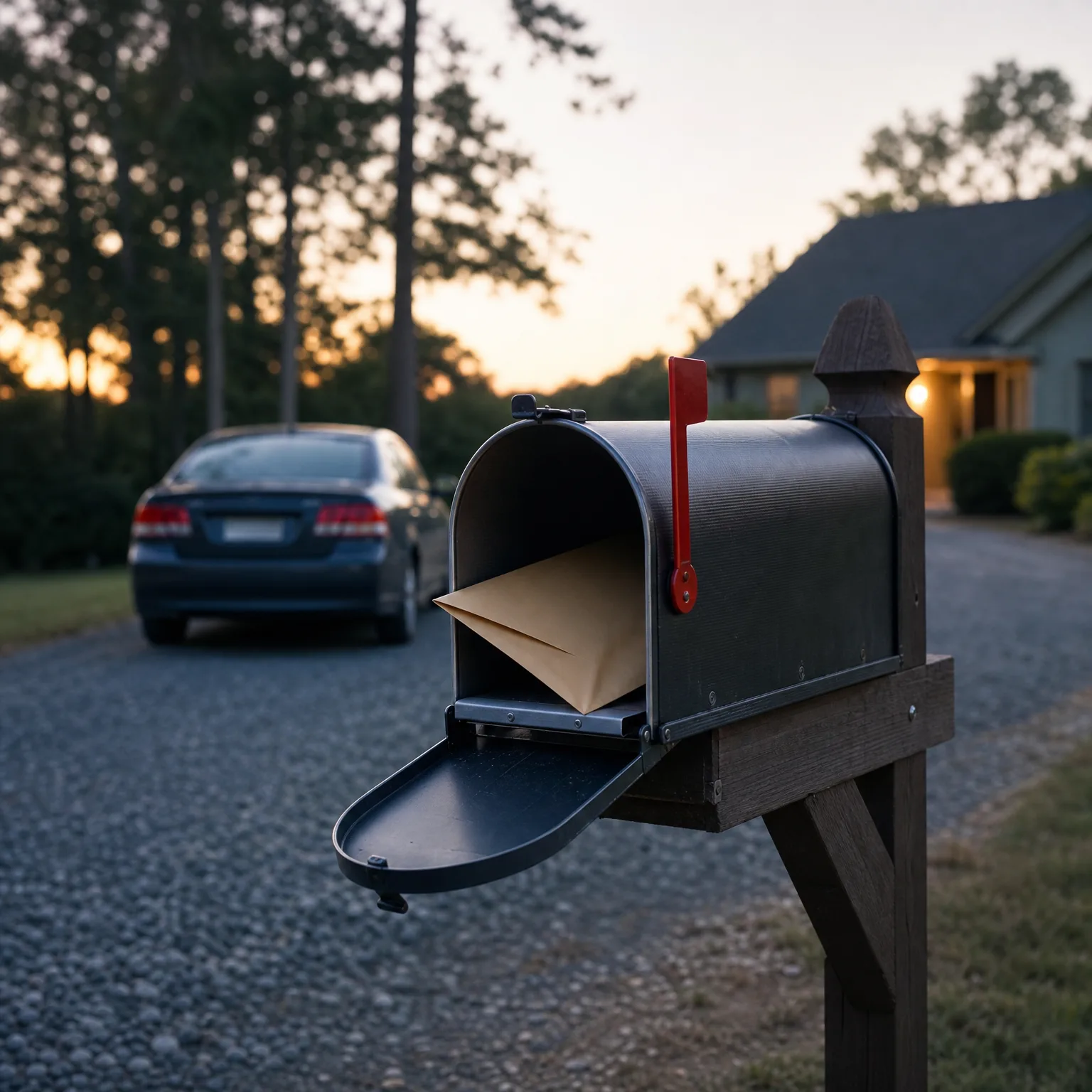
The Two-Document Verification Process NH DMV Requires
To clear an unpaid ticket suspension in New Hampshire, you must submit two separate documents to the DMV: proof of court payment and proof of ticket disposition.
Proof of payment is typically a court receipt stamped "Paid in Full" with your case number, ticket reference, and payment date. This document confirms you satisfied the financial obligation but does not confirm the underlying violation was resolved. Proof of disposition is a separate court document—usually called a "Disposition Notice" or "Court Clearance Letter"—that shows the ticket was adjudicated (guilty plea, found responsible, or dismissed) and all court-ordered conditions were met.
You must request both documents from the court clerk at the time of payment or immediately after. Courts do not mail these automatically. If you paid online or by phone, call the court clerk within 24 hours and request both documents be mailed or made available for pickup. Do not assume digital payment confirmation satisfies DMV requirements—it does not.
Once you have both documents, submit them to the NH Division of Motor Vehicles with a reinstatement application (Form DSMV 505) and the $100 reinstatement fee. Processing typically takes 7–10 business days after DMV receives complete documentation, but this period extends if you submit incomplete paperwork.

How Timing Affects Your Rideshare Earnings Window
The gap between court payment and DMV clearance directly determines how long you're offline. If you pay your tickets today but wait three days to request court clearance documents, then another five days to submit them to DMV, then another ten days for DMV processing, you've lost nearly three weeks of rideshare income.
Rideshare platforms run license verification checks on varying schedules. Uber typically checks weekly; Lyft checks every 3–5 days; DoorDash checks approximately every 10 days. Even after DMV updates your license status to active, your app may not reflect the change until the next scheduled background check cycle completes.
To minimize offline time: request court clearance documents at the moment of payment, submit them to DMV the same day or next business day, and contact your rideshare platform's driver support 48 hours after DMV confirms reinstatement to request a manual verification refresh. Most platforms will expedite the background check refresh if you provide proof of reinstatement—but you must initiate the request.

Line Up Coverage Before Your License Comes Back
Get Back on the RoadWhat Happens If You Drive for Rideshare Before DMV Reinstatement Posts
Driving while your license remains administratively suspended—even after paying court fines—is a separate violation in New Hampshire under RSA 263:64. If stopped during a rideshare trip, you face a misdemeanor charge for driving after suspension, which carries potential fines up to $1,000 and up to one year additional license suspension.
Your rideshare platform's insurance coverage also becomes void if your license was suspended at the time of a trip. If you're involved in an accident while driving with a suspended license, the platform's commercial liability policy will deny the claim, leaving you personally liable for damages and injuries. This exposure applies even if the accident was not your fault.
Wait until you receive written confirmation from NH DMV that your reinstatement processed and your license status changed to active before accepting rideshare requests. Verbal confirmation from a DMV clerk is not sufficient—you need the stamped reinstatement notice or online portal confirmation showing your license number and active status date.

Do You Need SR-22 Filing to Reinstate After Unpaid Tickets
New Hampshire does not require SR-22 financial responsibility filing for suspensions triggered solely by unpaid traffic tickets. SR-22 requirements in NH apply to specific triggering events: DUI/DWI convictions, at-fault uninsured accidents, reckless driving convictions, and habitual offender designations under RSA 262:23.
If your suspension resulted only from failure to pay fines or failure to appear in court for traffic violations, your reinstatement process involves court clearance, DMV paperwork, and the $100 reinstatement fee—but no insurance filing requirement. You do not need to contact an insurance carrier or purchase a non-owner policy unless you want coverage for personal liability reasons.
However, if your unpaid tickets included violations that independently trigger SR-22 requirements (reckless driving, accumulation of 12 or more points within 12 months, or driving without valid insurance), the SR-22 filing requirement applies separately from the unpaid ticket suspension. Check your suspension notice carefully—it will explicitly state "SR-22 required" if filing is mandatory for your case.

How to Verify Your License Status Updated Before Going Back Online
After submitting reinstatement documents and paying the fee, track your license status through NH DMV's online portal at nh.gov/safety/divisions/dmv. Log in with your driver's license number and last four digits of your Social Security number to view current status.
Your status will change from "Suspended" to "Active" once DMV processes your reinstatement. This update typically appears 7–10 business days after submission, but processing times vary by DMV workload and whether you submitted complete documentation. If your status has not updated within 15 business days, call NH DMV Driver Services at 603-227-4020 to confirm receipt and processing status.
Once your online status shows active, download or screenshot the status page showing your license number, active status, and update date. Submit this proof to your rideshare platform through the app's document upload section or driver support portal to request immediate background check refresh. Most platforms reactivate your account within 24–48 hours of receiving DMV-verified active status proof.
Frequently Asked Questions
How long does it take NH DMV to process reinstatement after paying court fines?
NH DMV typically processes reinstatement applications within 7–10 business days after receiving court clearance documents and the $100 reinstatement fee. Processing time extends if you submit incomplete documentation or if DMV is experiencing high application volume. You can track status through the online portal at nh.gov/safety/divisions/dmv.
Can I drive for Uber while waiting for DMV to process my reinstatement?
No. Driving while your license remains administratively suspended—even after paying court fines—is a misdemeanor violation under RSA 263:64 in New Hampshire. Your rideshare platform's insurance coverage also becomes void if you drive with a suspended license, leaving you personally liable for any accident damages. Wait for written DMV confirmation that your license status changed to active before accepting trips.
Will the court automatically notify DMV when I pay my tickets?
No. New Hampshire courts do not automatically forward payment or disposition records to the Division of Motor Vehicles. You must manually request court clearance documents from the clerk and submit them to DMV with a reinstatement application. Most rideshare drivers lose additional weeks of income because they assume payment alone lifts the suspension.
What documents does NH DMV require to clear an unpaid ticket suspension?
NH DMV requires proof of court payment (receipt stamped "Paid in Full"), proof of ticket disposition (court clearance letter showing the violation was adjudicated), completed reinstatement application (Form DSMV 505), and the $100 reinstatement fee. Submit all four items together—incomplete submissions delay processing and extend your offline period.
How do I get my rideshare app to reactivate after DMV reinstates my license?
After DMV updates your license status to active, download proof from the online portal showing your license number and active status date. Submit this document through your rideshare app's driver support portal and request a manual background check refresh. Most platforms reactivate your account within 24–48 hours of receiving DMV-verified proof, but you must initiate the request—automatic updates can take 1–2 weeks depending on the platform's verification cycle.
Do I need SR-22 insurance to reinstate my license after unpaid tickets in New Hampshire?
No, if your suspension was triggered solely by unpaid traffic fines or failure to appear in court. SR-22 filing in New Hampshire is required only for DUI/DWI convictions, at-fault uninsured accidents, reckless driving, or habitual offender designations. Check your suspension notice—it will explicitly state "SR-22 required" if filing is mandatory for your specific case.
Related Articles
NH Unpaid Ticket Suspension: Court vs DMV Timeline
5/3/2026

NH Rideshare Unpaid Tickets Suspension: True Cost
5/3/2026

NH Unpaid Ticket Suspension: Court Clearance & DMV Timing
5/3/2026
NH Rideshare Reinstatement: Court to DMV Timing
5/3/2026
NH Rideshare SR-22 After Unpaid Tickets: Filing Order
5/3/2026

NH CDL Unpaid Ticket Suspension: Court to DMV Timing
5/3/2026