
Nevada Unpaid Ticket Suspension: SR-22 Timing for Single Parents
Free to compare
Why Paying Your Tickets Doesn't Automatically Lift Your Nevada Suspension
Nevada operates a three-agency suspension process for unpaid tickets: municipal or justice court issues the suspension order, Nevada DMV enforces it by flagging your license, and you must request court clearance documentation separately after payment to submit to DMV. Payment alone does not trigger automatic reinstatement.
The gap exists because Nevada courts are not required to electronically notify DMV when a fine is paid. Some urban courts in Las Vegas and Reno have implemented electronic reporting systems, but most rural jurisdictions still operate on manual request workflows. You pay the court, the court updates its own records, and your DMV suspension remains active until you request written proof of payment compliance and physically or electronically submit it to DMV.
Single parents face compounded friction because this process requires coordinating childcare around court hours, DMV appointments, and potentially multiple trips if documentation is incomplete. The court will not proactively tell you that payment is insufficient for reinstatement. You must ask for the clearance letter by name.
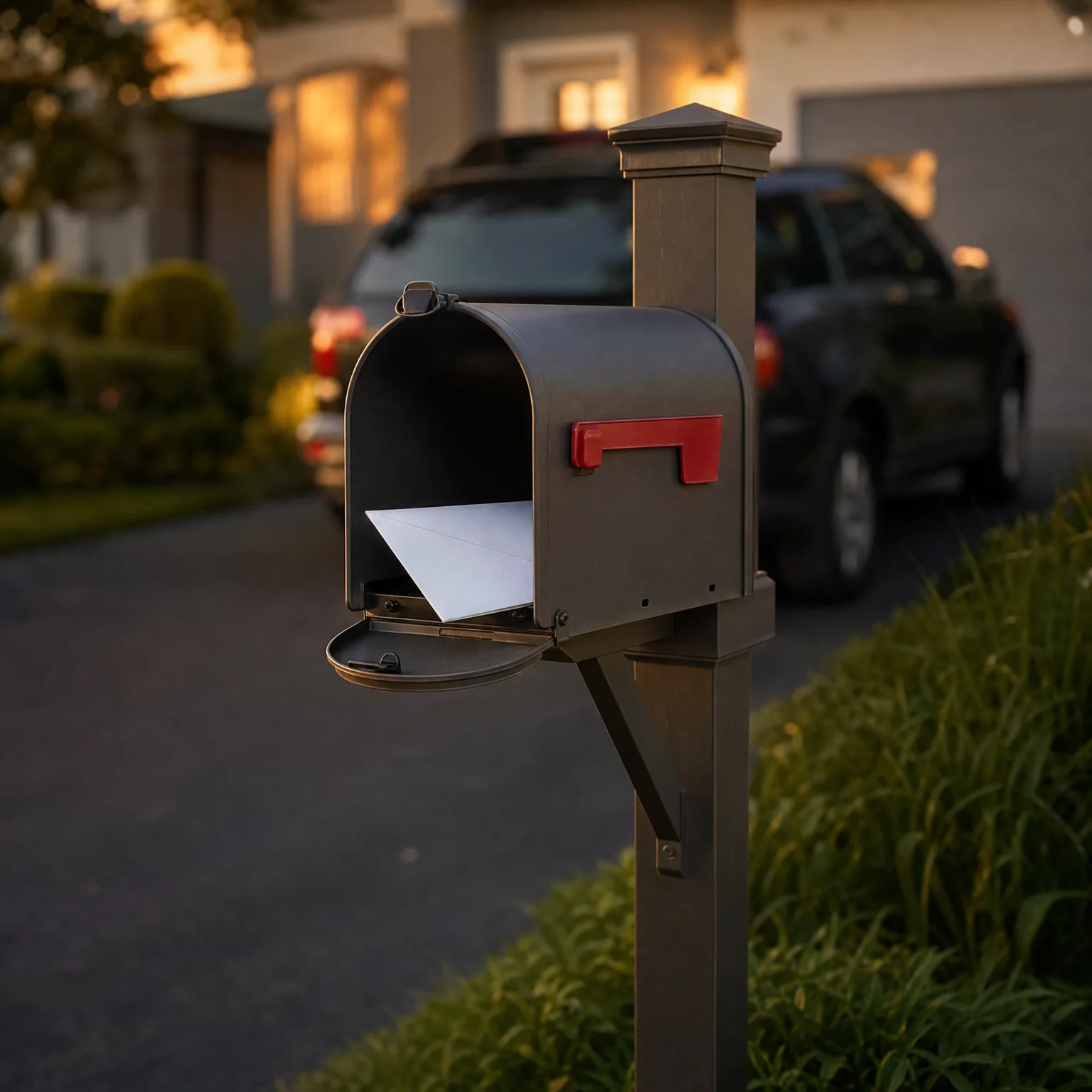
What Documentation You Need from Court Before DMV Will Process Reinstatement
Request a Certificate of Compliance or Clearance Letter from the court that issued the suspension order. This document must state your case number, the original citation numbers, confirmation that all fines and fees are paid in full, and confirmation that the court requests DMV lift the suspension hold.
Nevada DMV will not accept a payment receipt, a case dismissal notice, or a zero-balance account printout as proof of compliance. The court must explicitly state that the suspension condition has been resolved and that reinstatement may proceed. If your suspension involved multiple tickets across different jurisdictions, you need separate clearance letters from each court.
Most Nevada courts require you to submit a written request for the clearance letter even after full payment. Some courts charge a processing fee for the document. Processing time varies by jurisdiction—urban courts typically turn around requests within 5 business days, rural courts may take 10-15 business days. Do not wait until the day you plan to reinstate to request this document.


SR-22 Filing Is Not Required for Unpaid Ticket Suspensions in Nevada
Nevada does not require SR-22 filing to reinstate a license suspended solely for unpaid traffic fines, failure to appear in court, or unpaid parking tickets. SR-22 is a certificate of financial responsibility mandated for specific violation types: DUI, reckless driving, driving without insurance, at-fault accidents without insurance, and excessive points accumulation.
If your suspension stemmed only from unpaid fines with no underlying moving violations requiring SR-22, you do not need high-risk insurance to reinstate. You will need proof of current liability insurance that meets Nevada's minimum requirements—$25,000 bodily injury per person, $50,000 per accident, $20,000 property damage per accident—but your carrier does not need to file SR-22 with the state.
Confusion arises because many drivers suspended for unpaid tickets also have underlying violations on their record that independently trigger SR-22 requirements. If your original ticket was for reckless driving, uninsured driving, or DUI, and you failed to pay the fine, you now face two separate reinstatement conditions: resolving the unpaid fine administrative hold and fulfilling the SR-22 filing requirement tied to the violation itself. Check your DMV suspension notice carefully—it will specify whether SR-22 is required as a condition of reinstatement separate from the unpaid fine hold.

Line Up Coverage Before Your License Comes Back
Get Back on the RoadHow to Verify Whether Your Case Requires SR-22 Before You Buy Coverage
Call Nevada DMV Driver's License Services at 775-684-4368 or visit a DMV office with your driver's license number and ask for a compliance requirements list for your specific suspension. The DMV agent will tell you whether SR-22 filing appears as a reinstatement condition on your record.
If SR-22 is not listed, you can reinstate with standard liability insurance once you submit court clearance and pay the $35 reinstatement fee. If SR-22 is listed, you must obtain SR-22 coverage before DMV will process your reinstatement application—standard insurance will not satisfy the requirement even if the policy limits exceed Nevada minimums.
Many single parents waste money purchasing SR-22 policies unnecessarily because a court clerk or an insurance agent assumed SR-22 was required without checking the DMV record. SR-22 coverage costs 20-40% more than standard liability insurance in Nevada. Do not file SR-22 unless DMV explicitly confirms it is a condition of your reinstatement.

Nevada Reinstatement Timeline When You Coordinate All Three Steps Yourself
The fastest path from payment to reinstatement takes 7-10 business days if you submit all requests immediately and follow up proactively. Pay all outstanding fines and fees in full on day one. Submit a written request for the court clearance letter on the same day or the next business day—do not wait for the court to contact you.
Once you receive the clearance letter, submit it to Nevada DMV electronically through the DMV online portal if your account allows document uploads, or deliver it in person to a DMV office. DMV processes clearance submissions within 3-5 business days. Once the suspension hold is lifted in the system, you can pay the $35 reinstatement fee online or in person and your license will be reinstated immediately.
Delays occur when drivers assume payment alone completes the process, when courts take longer than expected to issue clearance letters, or when DMV rejects incomplete documentation and the driver must return to court for corrected paperwork. Single parents should build buffer time into work and childcare schedules—assume 14 days minimum from payment to reinstatement to avoid gaps in transportation access.
If you need to drive before reinstatement is complete, Nevada does not offer a restricted or hardship license for unpaid ticket suspensions. The only legal pathway is full reinstatement after all conditions are satisfied.

What Happens If You Start Driving Before DMV Processes Your Clearance
Driving on a suspended license in Nevada is a misdemeanor punishable by up to 6 months in jail and fines up to $1,000 for a first offense under NRS 483.560. Subsequent offenses within 5 years carry mandatory minimum jail sentences. Even if you have submitted court clearance to DMV and paid your reinstatement fee, you cannot legally drive until the DMV system shows your license as active and valid.
Single parents face compounded risk because a driving-on-suspended conviction creates new SR-22 filing requirements even if your original suspension did not require SR-22. If you are convicted of driving on a suspended license, Nevada DMV will mandate SR-22 filing for 3 years from the conviction date as a condition of reinstatement. This transforms a simple administrative suspension into a multi-year high-risk insurance obligation.
Verify your license status online at dmvnv.com or by calling 775-684-4368 before driving. Do not rely on timeline estimates or assume that submission equals clearance. The DMV system is the only authoritative source for your current license status.
Frequently Asked Questions
Do I need insurance while my Nevada license is suspended for unpaid tickets?
Nevada does not require you to maintain insurance while your license is suspended for unpaid tickets. You will need proof of current liability insurance that meets state minimums when you apply for reinstatement, but you are not legally required to keep coverage active during the suspension period itself unless you own a registered vehicle.
Can I get a hardship license in Nevada while my suspension is pending for unpaid fines?
Nevada does not issue restricted or hardship licenses for suspensions caused solely by unpaid traffic fines or failure to appear in court. Hardship licenses are available for DUI suspensions and certain medical suspensions, but administrative suspensions for unpaid fines require full reinstatement after all conditions are satisfied.
How much does it cost to reinstate a Nevada license suspended for unpaid tickets?
Nevada charges a $35 base reinstatement fee for administrative suspensions. You must also pay all outstanding fines, court fees, and any applicable late penalties before DMV will process reinstatement. Total cost varies by the number of tickets and the jurisdiction that issued them.
Will Nevada DMV notify me when my court clearance is processed?
Nevada DMV does not proactively notify you when your clearance is processed and your suspension is lifted. You must check your license status online at dmvnv.com or call 775-684-4368 to verify that the suspension hold has been removed before you pay the reinstatement fee and resume driving.
What if I paid my tickets years ago but never reinstated my Nevada license?
If you paid the fines but never submitted court clearance to DMV, your license remains suspended indefinitely. Nevada does not automatically lift suspension holds after a certain period. You must request clearance documentation from the original court and submit it to DMV along with the reinstatement fee, even if the tickets were paid years ago.
Can I reinstate my Nevada license online after submitting court clearance?
If DMV has processed your court clearance and lifted the suspension hold, you can pay the $35 reinstatement fee online through the Nevada DMV eServices portal. However, you cannot upload court clearance documents through the portal—you must submit those in person or by mail first, then wait for DMV to process them before the online reinstatement option becomes available.
Related Articles
Nevada Unpaid Tickets: Court & DMV Clearance Timing
5/3/2026

Nevada Unpaid Tickets Suspension Reinstatement Costs
5/3/2026

Nevada Unpaid Tickets: Court Clearance & DMV Timing
5/3/2026

Nevada Rideshare Reinstatement: Unpaid Tickets Cost
5/3/2026

Nevada Rideshare Ticket Suspension: Court & DMV Timing
5/3/2026

Nevada CDL Reinstatement After Unpaid Ticket Suspension
5/3/2026