
Nevada Unpaid Ticket Suspensions: SR-22 Timing for College Students
Free to compare
Does Nevada Require SR-22 for Unpaid Ticket Suspensions?
No. Nevada does not require SR-22 filing to reinstate a license suspended for unpaid tickets or fines. SR-22 is a certificate of financial responsibility that Nevada mandates for specific high-risk violations—DUI convictions, uninsured driving citations, at-fault accidents without insurance, and repeated moving violations that accumulate points beyond statutory thresholds.
Unpaid parking tickets, traffic fines, and court fees trigger administrative suspensions under a separate enforcement mechanism. The Nevada DMV suspends your driving privilege until you satisfy the outstanding balance and the court notifies DMV of compliance. No insurance filing is required because the suspension is not based on risk behavior—it is a collections enforcement tool.
Many college students waste money on SR-22 policies because insurance comparison sites default to high-risk product recommendations for any suspension query. Verify your suspension reason before purchasing coverage. Check your DMV suspension notice or contact Nevada DMV Driver Services at (775) 684-4368. If the notice cites unpaid fines or failure to appear in court, SR-22 is not part of your reinstatement path.

The Court Clearance Gap Most College Students Miss
Paying your ticket balance does not automatically lift your suspension. Nevada operates a bifurcated process: you pay the court, and the court separately notifies DMV of compliance. This notification step is not instantaneous, and it is not automatic in all jurisdictions.
Justice courts and municipal courts in Nevada submit compliance notices to DMV electronically, but processing timelines vary. Most clearances post within 7-10 business days, but delays of 30-45 days occur during high-volume periods or when clerks manually process older cases. If you pay your balance on a Friday afternoon before a holiday weekend, expect the longer end of that range.
College students who need their license reinstated quickly—before returning to campus out of state or starting a work-study position—run into this gap. Paying the fine feels like closure, but DMV will reject your reinstatement application until the court clearance appears in their system. Call the court that issued your ticket 3-5 business days after payment to confirm they submitted the clearance notice. Do not assume it happened.

What Documentation You Need to Reinstate After Unpaid Tickets
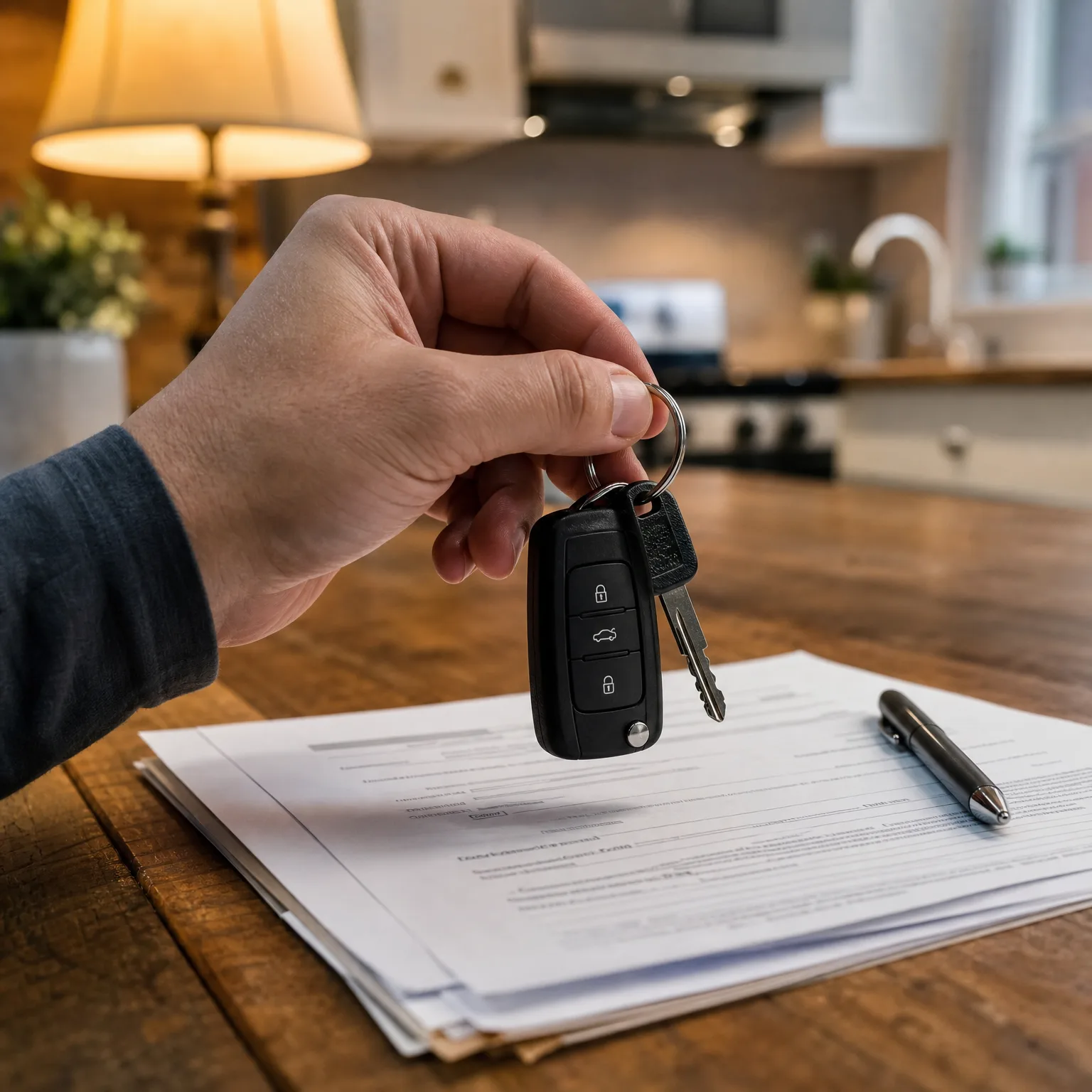
Nevada requires three items to reinstate your license after an unpaid-ticket suspension: proof of payment from the court, current vehicle registration if you own a car, and payment of the $35 reinstatement fee to Nevada DMV. You do not need proof of insurance unless your suspension also involved an uninsured driving citation or insurance lapse—check your suspension notice carefully.
Proof of payment is a receipt or case disposition showing zero balance owed. Most Nevada courts provide a stamped receipt at the payment window or email a confirmation if you pay online. Save this receipt. DMV does not require it in most cases because the court's electronic clearance notice serves as official verification, but clerks may request it if the clearance has not yet posted or if your case involved multiple jurisdictions.
If you sold your car during the suspension period or never owned one, Nevada does not require you to show current registration for reinstatement. Non-owner insurance policies exist for drivers in this situation, but they are not mandatory unless you were suspended specifically for driving uninsured. The $35 reinstatement fee is the same whether you own a vehicle or not.
Restricted License Eligibility While Your Ticket Case Is Open
Nevada does not issue restricted licenses for unpaid-ticket suspensions. The state's restricted license program—governed by NRS 483.490—applies to DUI suspensions, point-accumulation suspensions, and certain medical revocations. Unpaid fines and failure-to-appear cases do not qualify because the remedy is administrative: pay the balance and the suspension lifts.
College students searching for hardship license options after a ticket-related suspension will find no pathway through Nevada DMV. The suspension remains in full effect until you satisfy the court obligation. If you need limited driving privileges for school or work, your only option is to resolve the outstanding balance immediately and wait for court clearance to post.
Some students confuse this with the restricted license available after DUI convictions. That program requires ignition interlock device installation, SR-22 filing, proof of enrollment in a DUI education program, and a $35 application fee. None of those requirements apply to ticket suspensions, and applying for a restricted license when you are not eligible wastes time and money.

Line Up Coverage Before Your License Comes Back
Get Back on the Road
When Out-of-State College Students Face Dual Suspensions
Nevada participates in the Driver License Compact and the Non-Resident Violator Compact. If you hold an out-of-state license but received a Nevada traffic ticket—while visiting family in Las Vegas, driving through Reno on a road trip, or attending UNLV—Nevada can suspend your Nevada driving privileges even though you do not hold a Nevada license.
Your home state may also suspend your license once Nevada reports the unpaid ticket through the interstate compact system. Most states honor Nevada's suspension notices, which means you face two separate suspensions: one in Nevada and one in your home state. Paying the Nevada ticket resolves the Nevada suspension, but your home state's DMV operates on its own timeline and may require a separate reinstatement fee or clearance process.
College students who ignore Nevada tickets because they live in California, Arizona, or Oregon discover this when they try to renew their home-state license or when a background check for an internship flags a suspended driving record. Resolve Nevada tickets promptly even if you no longer live in Nevada. The suspension follows you across state lines.

Insurance After Reinstatement: What College Students Actually Need
Once your license is reinstated, Nevada requires you to carry minimum liability coverage if you own or regularly drive a vehicle: $25,000 bodily injury per person, $50,000 bodily injury per accident, and $20,000 property damage. These minimums apply to all Nevada drivers regardless of suspension history.
If you do not own a car—common for college students living on campus or relying on roommates for rides—you are not required to carry insurance. Nevada does not mandate continuous coverage for non-vehicle-owners. However, if you borrow cars frequently or rent vehicles, a non-owner liability policy provides coverage when you drive cars you do not own. Non-owner policies cost significantly less than standard auto insurance because they exclude collision and comprehensive coverage.
SR-22 filing is not part of this equation unless your original suspension involved DUI, uninsured driving, or another high-risk violation that explicitly requires SR-22. Unpaid tickets alone do not trigger SR-22 requirements. If an insurance agent tells you otherwise, ask them to cite the Nevada statute that mandates SR-22 for your specific suspension type. Most cannot, because the requirement does not exist.
What Happens If You Drive on a Suspended License in Nevada
Driving on a suspended license in Nevada is a misdemeanor under NRS 483.560. First-time offenders face fines up to $1,000 and potential jail time up to six months. Repeat offenses escalate penalties and may result in vehicle impoundment.
College students who assume a ticket-related suspension is minor—"just a paperwork issue"—discover that law enforcement treats all suspensions seriously during traffic stops. If you are pulled over for any reason and the officer discovers your license is suspended, you will be cited or arrested on the spot. Your car may be towed, and you will face additional fines and court dates on top of your original unpaid ticket.
The reinstatement process after a driving-on-suspended charge is more complex because you now have a second violation on record. Nevada may require SR-22 filing at that point, even though your original suspension did not. Resolve your unpaid ticket suspension before driving. The risk is not worth the convenience.
Frequently Asked Questions
How long does it take for Nevada DMV to process court clearance after I pay my ticket?
Most Nevada justice and municipal courts submit electronic clearance notices to DMV within 7-10 business days of payment. Delays of 30-45 days occur during high-volume periods or when clerks manually process older cases. Call the court 3-5 business days after payment to confirm they submitted the clearance.
Can I get a restricted license in Nevada while my unpaid ticket suspension is active?
No. Nevada does not issue restricted licenses for unpaid-ticket suspensions. The state's restricted license program applies only to DUI, point-accumulation, and certain medical revocations. The only way to lift an unpaid-ticket suspension is to pay the balance and wait for court clearance to post to DMV.
Do I need SR-22 insurance to reinstate my Nevada license after unpaid parking tickets?
No. Nevada does not require SR-22 filing for unpaid-ticket suspensions. SR-22 applies to DUI convictions, uninsured driving citations, at-fault accidents without insurance, and point-accumulation suspensions. Unpaid fines trigger administrative suspensions that lift once you satisfy the court balance—no insurance filing is involved.
What happens if I paid my Nevada ticket but my home state still shows my license suspended?
Nevada reports suspensions to your home state through the Driver License Compact. Paying the Nevada ticket resolves the Nevada suspension, but your home state processes clearances on its own timeline and may require a separate reinstatement fee. Contact your home-state DMV to confirm what they need to lift the suspension on their end.
Will a Nevada unpaid-ticket suspension affect my car insurance rates after reinstatement?
Not typically. Insurance carriers raise rates for high-risk violations like DUI, reckless driving, or at-fault accidents. Unpaid tickets are administrative suspensions, not moving violations, and most carriers do not consider them when calculating premiums. Your rates depend on your driving record and claims history, not administrative suspensions.
Can I reinstate my Nevada license online after paying an unpaid ticket?
Sometimes. Nevada DMV eServices allows online reinstatement fee payment for qualifying suspensions, but the system does not handle all case types. If your suspension involved multiple jurisdictions, court holds, or other complexities, DMV will redirect you to in-person service. Check dmvnv.com or call (775) 684-4368 to confirm your case qualifies for online processing.
Related Articles

Nevada Rideshare SR-22 for Unpaid Ticket Suspensions
5/3/2026

Nevada Unpaid Tickets Suspension: Full Cost Breakdown
5/3/2026
Nevada Unpaid Ticket Suspension: SR-22 & Reinstatement
5/3/2026

NM Unpaid Ticket Suspension: SR-22 Timing for Students
5/3/2026

Nevada Child Support Suspension: SR-22 After College
5/3/2026

NH Unpaid Ticket Suspension: SR-22 Timing for Students
5/3/2026