
Clearing Unpaid Tickets in Nebraska: Court vs DMV Timelines
Free to compare
Why Court Clearance Doesn't Automatically Restore Your License
Nebraska operates two parallel record systems for unpaid ticket suspensions. When you pay your fines and satisfy court requirements, the court clerk updates the court's database. Nebraska DMV maintains a separate suspension database that does not automatically sync with court records.
Most drivers assume paying the ticket closes the loop. It doesn't. The court issues a clearance notice, but you must submit that clearance to DMV separately. Until DMV receives verification and processes the clearance, your suspension remains active in their system even though the court shows you paid weeks ago.
This gap hits single parents hardest. You arrange childcare, take time off work to pay fines at the courthouse, then discover two weeks later your license is still suspended because no one told you about the DMV step. The court assumes you know. DMV assumes the court notified you. Neither follows up.
The DMV Verification Process: What Actually Happens
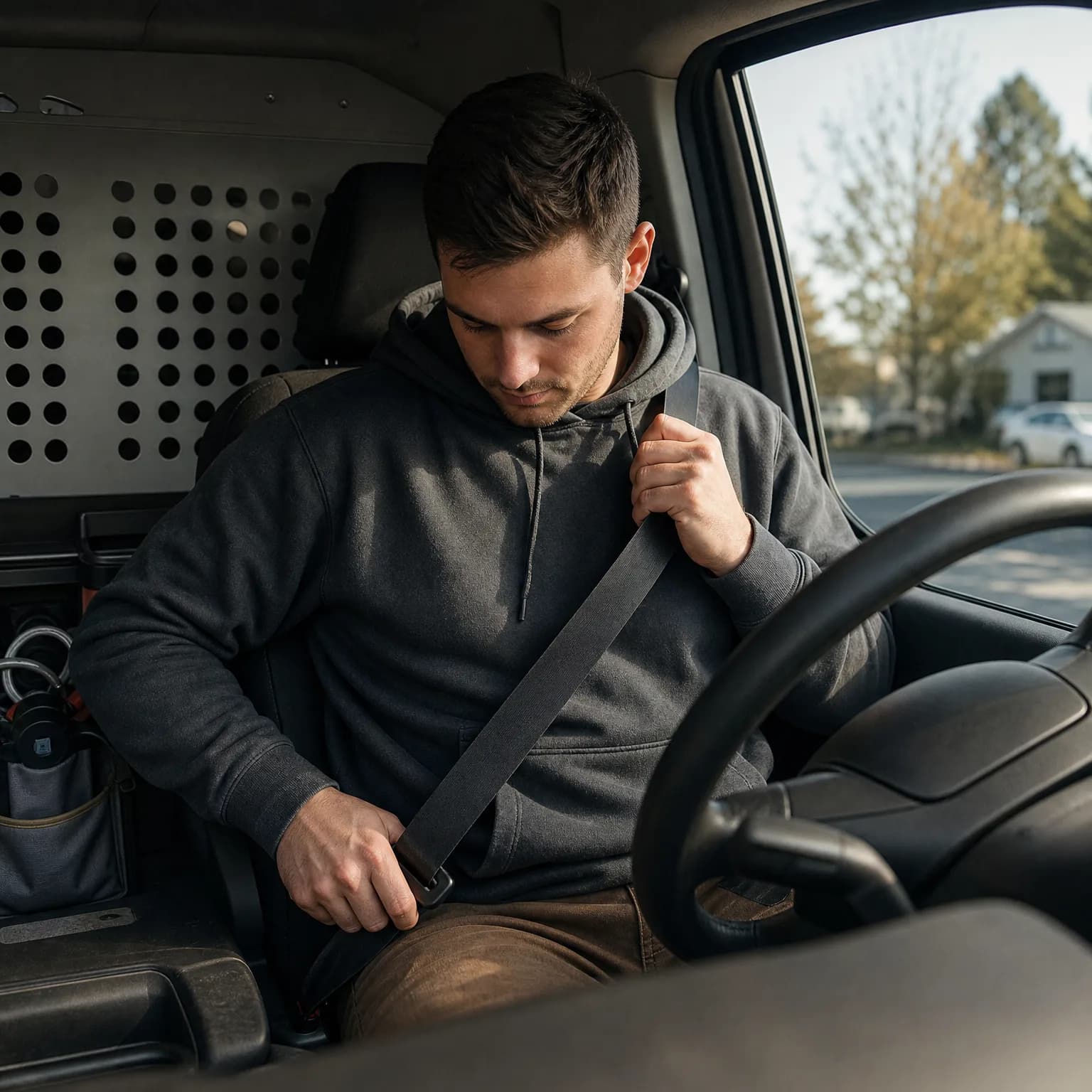
After you pay your tickets and court fees, request a court clearance letter from the clerk. Most Nebraska county courts issue this document the same day if all fines and fees are paid in full. The letter must include your full name, date of birth, driver's license number, case number, and a statement that all financial obligations are satisfied.
Take that clearance letter to any Nebraska DMV office or mail it to DMV Driver and Vehicle Records at PO Box 94789, Lincoln, NE 68509-4789. Include a copy of your driver's license or state ID. DMV logs the clearance manually and queues your record for processing. Processing time runs 10-15 business days from the date DMV receives your letter, not from the date you paid the court.
During that processing window, your license remains suspended. You cannot legally drive. If you're pulled over, the officer's system still shows an active suspension. Explaining that you paid the ticket two weeks ago does not matter. The suspension lifts only when DMV posts the clearance to their database and updates your driving record.
Nebraska charges a $125 reinstatement fee after DMV processes the clearance. You cannot pay this fee until DMV confirms the clearance is posted. Attempting to pay early delays your reinstatement further because the payment sits unprocessed until the clearance appears in the system.

Employment Driving Permit Eligibility While Waiting for Clearance
Nebraska offers an Employment Driving Permit for drivers with active suspensions who need to drive for work, school, medical appointments, or other qualifying purposes. The permit costs $50 and allows restricted driving during the suspension period.
For unpaid ticket suspensions, you may apply for the permit immediately after paying your fines. You do not need to wait for DMV to process the court clearance. The permit application requires proof of employment or another qualifying need, proof of SR-22 insurance if required for your suspension type, and payment of the $50 fee.
Unpaid ticket suspensions typically do not require SR-22 filing. If your suspension was triggered solely by failure to pay traffic fines, you can apply for the Employment Driving Permit with standard liability insurance. The DMV application form will specify whether SR-22 is required based on your suspension reason.
The permit restricts you to driving during hours necessary for your qualifying purpose. If you work 8 a.m. to 5 p.m., your permit allows driving to and from work during those hours only. Driving outside permitted hours violates the permit terms and triggers immediate revocation plus additional penalties.

Line Up Coverage Before Your License Comes Back
Get Back on the RoadChild Care and School Routes: What the Permit Covers
Single parents need to know whether the Employment Driving Permit covers childcare drop-off and school pickup. Nebraska defines qualifying purposes broadly: employment, school attendance, medical treatment, and court-ordered obligations. Childcare transportation is allowed if it is necessary to maintain employment.
When you apply for the permit, submit documentation showing your work schedule and your child's school or daycare hours. The permit specifies approved routes and times. DMV does not issue open-ended permits. Your approved hours must align with the documented need.
If your employer changes your shift or your child's school schedule changes, you must notify DMV and request a permit modification. Driving outside the originally approved hours violates the permit even if the new route is still work-related. Most drivers don't realize this. They assume the permit covers any work or school trip. It doesn't. The hours and routes approved at application define your legal driving window.

Insurance Requirements During and After Suspension
Nebraska requires continuous liability insurance on all registered vehicles. If your vehicle registration is active, you must maintain insurance even during suspension. Letting your policy lapse adds a separate insurance lapse suspension on top of your unpaid ticket suspension, extending your total suspension period and adding another reinstatement fee.
If you do not own a vehicle, you are not required to carry insurance while suspended. However, if you plan to apply for an Employment Driving Permit, you must show proof of insurance to obtain the permit. Most drivers in this situation purchase a non-owner liability policy, which covers you when driving a vehicle you don't own.
After your suspension is lifted and you pay the reinstatement fee, verify your insurance is active before driving. Nebraska uses an electronic insurance verification system. If your carrier reports a lapse, DMV can suspend your registration and driving privileges again within days. Maintaining continuous coverage prevents re-suspension.
SR-22 filing is not required for unpaid ticket suspensions in Nebraska. If DMV or a court official tells you SR-22 is required, ask for the specific statute or order requiring it. Unpaid fines alone do not trigger SR-22 filing requirements under Nebraska law.

What Happens If You Drive Before Reinstatement Posts
Driving on a suspended license in Nebraska is a Class III misdemeanor for a first offense. Penalties include up to 3 months in jail, a fine up to $500, and extension of your suspension period by an additional 60 days minimum. If you're pulled over during the 10-15 day processing window after you paid your tickets but before DMV posts the clearance, you will be cited for driving under suspension.
Explaining to the officer that you paid the court does not matter. The officer's system shows an active suspension. The court clearance letter in your glove box does not change that. You will receive a citation. You will appear in court again. Your suspension will extend.
This is why the Employment Driving Permit exists. If you cannot wait 10-15 business days without driving, apply for the permit immediately after paying your fines. The permit costs $50. A driving under suspension citation costs significantly more in fines, legal fees, and lost work time for additional court appearances.
Frequently Asked Questions
How long after I pay my tickets does my Nebraska license get reinstated?
Your license does not automatically reinstate when you pay your tickets. After you submit the court clearance letter to Nebraska DMV, processing takes 10-15 business days. Once DMV posts the clearance, you must pay a $125 reinstatement fee before your driving privileges are restored.
Can I drive in Nebraska while waiting for DMV to process my court clearance?
No. Your suspension remains active until DMV posts the clearance to their system and you pay the reinstatement fee. Driving during the processing window is driving under suspension, a Class III misdemeanor. Apply for an Employment Driving Permit if you need to drive before reinstatement.
Do I need SR-22 insurance to reinstate my license after unpaid tickets in Nebraska?
No. Unpaid ticket suspensions do not require SR-22 filing in Nebraska. You need proof of liability insurance if you own a vehicle or if you apply for an Employment Driving Permit, but SR-22 filing is not required unless your suspension involved DUI, multiple violations, or uninsured driving.
Does the Employment Driving Permit in Nebraska cover taking my kids to school?
Yes, if childcare or school transportation is necessary to maintain employment. You must document your work schedule and your child's school hours when applying. The permit specifies approved routes and times. Driving outside those hours violates the permit and triggers revocation.
What if my employer changes my shift after I get the Employment Driving Permit?
You must notify Nebraska DMV and request a permit modification. Your approved driving hours are tied to the schedule you documented at application. Driving during new shift hours without updating the permit violates the permit terms even if the trip is still work-related.
Can I pay the reinstatement fee before DMV processes my clearance?
No. Nebraska DMV will not accept the reinstatement fee until the court clearance is posted to their system. Attempting to pay early delays your reinstatement because the payment sits unprocessed. Wait for DMV to confirm the clearance is posted, then pay the $125 fee.
Related Articles

Nebraska Unpaid Ticket Suspension: Court Clearance Timing
5/3/2026

Nebraska Warrant Clearance: Court to DMV Timeline
5/3/2026

NE CDL Unpaid Ticket Suspension: Court & DMV Timing
5/3/2026

Nebraska Warrant Clearance to DMV Reinstatement Timeline
5/3/2026
Nebraska Rideshare Ticket Clearance: DMV Timing Guide
5/3/2026

Child Support Clearance & Nebraska License Reinstatement
5/3/2026