
Missouri Unpaid Tickets Suspension: SR-22 Timing for Students
Free to compare
Why Paying Your Tickets Doesn't Automatically Reinstate Your Missouri License
You paid the tickets. The court confirmed payment. Your license is still suspended because Missouri's Department of Revenue operates on a separate timeline from the circuit court that issued the original citation. The court does not automatically notify DOR when you satisfy a judgment—you or the court clerk must submit clearance documentation to DOR's Driver License Bureau, and DOR won't process reinstatement until that clearance posts to their system.
Most college students in Columbia, Kansas City, or Springfield pay tickets immediately after receiving a suspension notice, then wait for their license to reactivate. It doesn't. The suspension remains active until DOR receives proof of payment and you submit a reinstatement application with the $20 base reinstatement fee. That gap between court payment and DOR clearance typically runs 30 to 45 days when court clerks handle submission, longer if you must request and submit the clearance yourself.
This timing creates a trap for students reinstating mid-semester. Missouri allows Limited Driving Privilege petitions for employment, school, medical appointments, and court-approved purposes—but if you wait for automatic reinstatement that never comes, you lose the LDP window when you need it most. The circuit court that granted the original suspension has jurisdiction over your LDP petition, but only while the underlying suspension is active and before full reinstatement processes.
How Unpaid Ticket Suspensions Work in Missouri's Dual-Track System
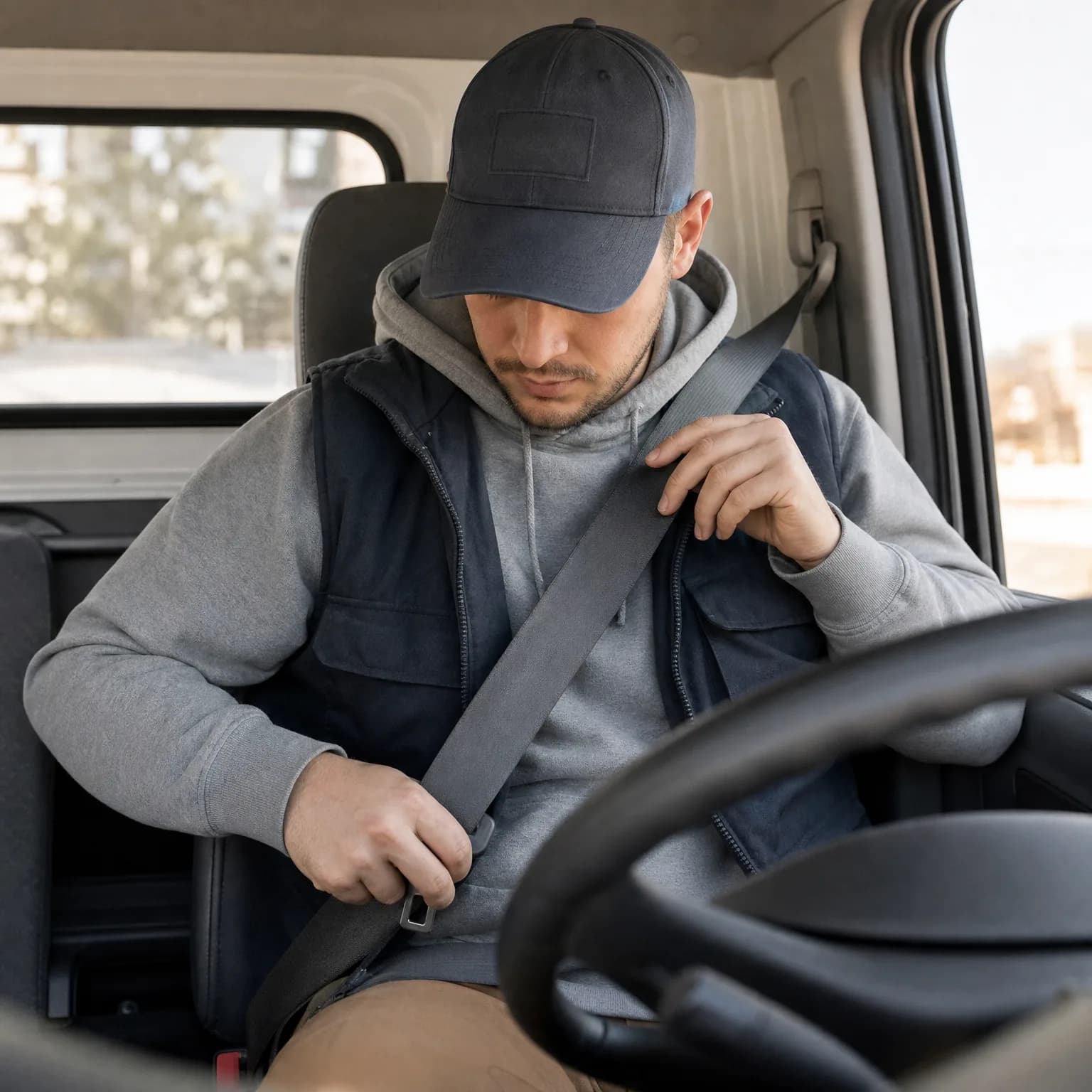
Missouri operates a clear dual-track suspension framework. The Department of Revenue handles administrative actions—points accumulation under RSMo 302.304, insurance lapse registration suspensions under RSMo 303.025, and SR-22 compliance failures. Circuit courts handle judicial suspensions—failure to appear, failure to pay fines or court costs, and contempt-related license sanctions. Unpaid traffic tickets fall into the judicial category.
When you fail to pay a traffic citation or miss a payment plan deadline, the circuit court where the ticket was issued notifies DOR to suspend your driving privilege. DOR executes the suspension but has no authority to lift it unilaterally. Only the originating court can issue clearance. This is why paying the ticket at a different courthouse or online through a state portal doesn't always trigger immediate reinstatement—the clearance must route from the correct court to DOR's system, and not all courts use electronic reporting.
Unpaid ticket suspensions do not require SR-22 filing. The data layer confirms sr22_required is false for this trigger. You do not need proof of financial responsibility, ignition interlock device installation, or SATOP completion. The reinstatement requirement is narrow: satisfy the underlying court judgment, obtain court clearance, submit DOR's reinstatement application, and pay the $20 reinstatement fee. Students often waste weeks calling insurance carriers about SR-22 policies they don't need because aggregator content conflates all suspension types.

The Limited Driving Privilege Window College Students Miss
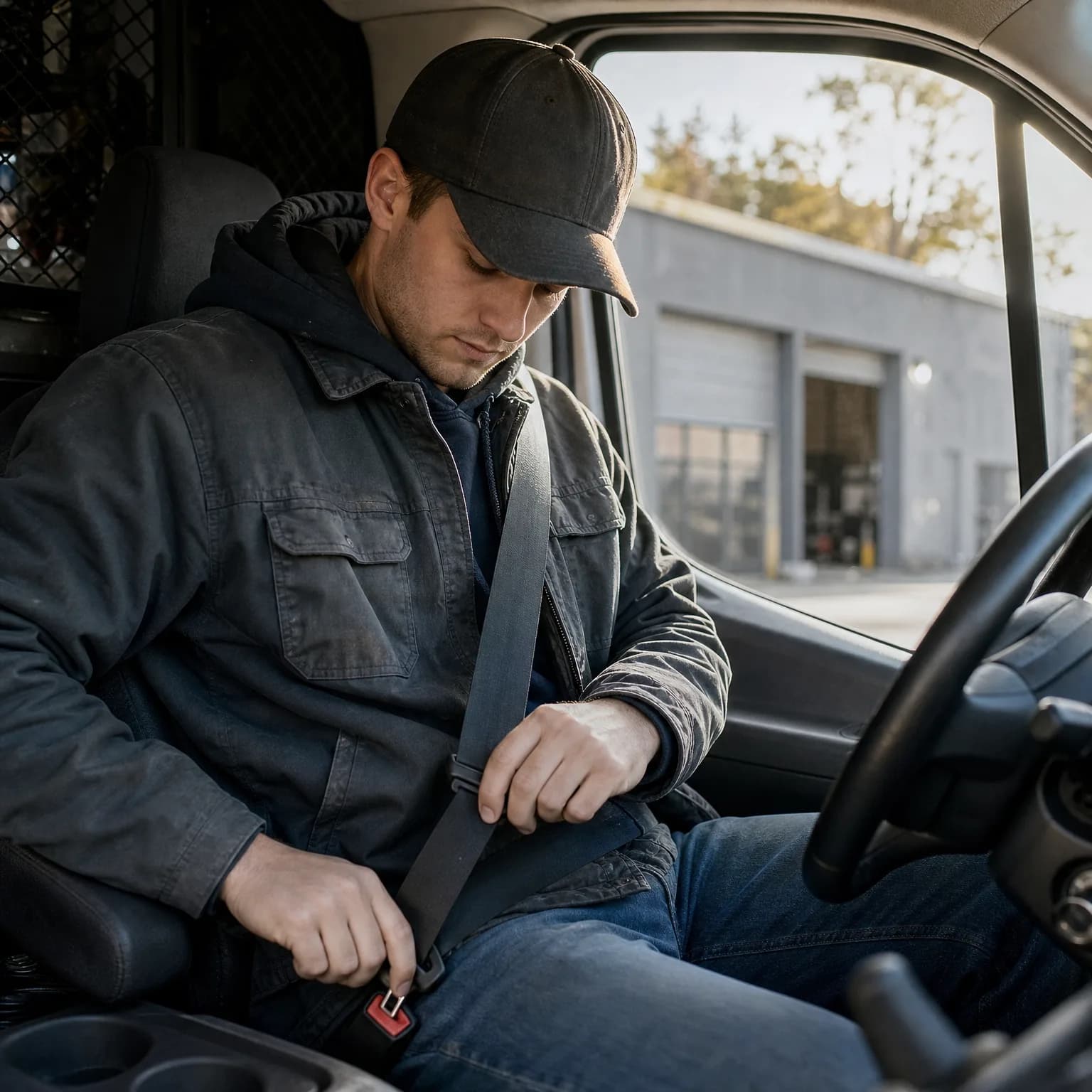
Missouri's Limited Driving Privilege allows restricted driving during suspension for court-approved purposes. You petition the circuit court in the county where you reside—not where the ticket was issued, not where you attend school if those are different counties. The court sets specific hours, days, and routes. For first-offense situations and non-DWI triggers like unpaid tickets, courts have broad discretion to grant LDPs without mandatory waiting periods or ignition interlock requirements.
The problem: most students don't know LDP exists until they've already paid the tickets and started the reinstatement process. By the time they learn about it, court clearance is posting to DOR and the suspension is weeks from lifting. Courts generally will not grant an LDP for a suspension that's about to end—there's no judicial efficiency in processing a petition for 10 days of restricted driving. The LDP window is front-loaded, immediately after suspension notification and before you satisfy the court judgment.
For a student at Mizzou needing to drive to clinical rotations in Springfield, or a UMKC student commuting to an internship in Overland Park, that timing matters. If you file the LDP petition within the first week of suspension and before paying the tickets, the court can grant privilege for the entire 30-45 day clearance period. If you pay first and petition second, the court may deny on grounds the suspension will lift before the petition hearing date. Missouri courts require a petition to the circuit court, proof of the qualifying need—employment letter, class schedule, medical appointment documentation—and in some cases proof of current liability insurance even though SR-22 is not required. Processing time varies by county; rural circuit courts often schedule hearings within 10 to 14 days, urban courts like St. Louis County can run 21 to 30 days.
What Documentation Missouri DOR Actually Requires for Reinstatement
Missouri DOR requires three items to reinstate a license suspended for unpaid tickets: the court's written clearance or satisfaction of judgment, a completed reinstatement application available at dor.mo.gov or any Missouri license office, and the $20 reinstatement fee. The court clearance must come from the specific circuit court that issued the original suspension order. If you had unpaid tickets in multiple counties, you need separate clearances from each.
The reinstatement application asks whether you maintained continuous liability insurance during the suspension. Missouri does not suspend vehicle registration for unpaid tickets the way it does for insurance lapses, but the state does expect continuous coverage if you owned a vehicle during suspension. If you let your policy lapse because you weren't driving, reinstatement still processes—you're not penalized for canceling insurance while suspended for a non-insurance-related trigger. But you will need an active policy before you drive again, and you should purchase it before submitting the reinstatement application to avoid the gap between license reactivation and coverage start date.
DOR offers online reinstatement eligibility checks and payment processing for straightforward suspension cases. Unpaid ticket suspensions qualify if all underlying court judgments show satisfied in DOR's system. If the online portal shows your suspension is not yet eligible for reinstatement, the most common reason is court clearance has not posted. Call the circuit court clerk—not DOR—to confirm they submitted the clearance and ask for the submission date. DOR processing from court submission typically takes 5 to 10 business days.

Line Up Coverage Before Your License Comes Back
Get Back on the Road
Why Students Assume SR-22 Is Required When It's Not
SR-22 confusion stems from aggregator content and insurance agent scripts. Most online guides treat SR-22 as a universal reinstatement requirement because it applies to the highest-volume suspension triggers—DWI under RSMo 302.525, uninsured accidents, and repeat moving violations. Students Google "Missouri license suspension reinstatement" and every result mentions SR-22 filing, proof of financial responsibility, and high-risk insurance.
Unpaid ticket suspensions do not fit that category. Missouri Revised Statutes Chapter 302 governs driver licensing and suspensions. SR-22 requirements appear in sections tied to financial responsibility after accidents, chemical test refusals under implied consent law (RSMo 577.041), and DWI administrative actions. Failure to pay court fines is a compliance issue, not a financial responsibility issue. The court wants payment. DOR executes the suspension as leverage. Once you pay and clearance posts, reinstatement requires no ongoing monitoring or proof of insurance filing.
If an agent tells you SR-22 is mandatory for your unpaid ticket suspension, ask them to cite the specific Missouri statute. They won't find one. Some agents recommend SR-22 anyway as a precaution or because their commission structure rewards it. You do not need it. You need standard liability coverage that meets Missouri's minimum requirements—$25,000 bodily injury per person, $50,000 per accident, $25,000 property damage—but you do not need the SR-22 certificate filed with DOR.

How to Coordinate Reinstatement Timing Around a College Schedule
Start the reinstatement process the day you receive the suspension notice, not the day before you need to drive again. If the suspension notice arrives mid-semester and you need driving privileges for work or clinical requirements, file the Limited Driving Privilege petition immediately. Gather your documentation—class schedule showing required attendance, employer letter confirming work address and hours, medical appointment records if applicable—and submit the petition to the circuit court in your county of residence. Missouri allows petitions for school-related driving, and courts routinely approve them for students with legitimate enrollment and commute needs.
Pay the underlying tickets within 48 hours of filing the LDP petition. The court will ask at the hearing whether you've satisfied the judgment. If you haven't, the petition will likely be denied or continued to a future date. Paying promptly keeps the petition moving. Request a receipt or proof of payment from the court clerk, and ask the clerk to confirm the clearance submission date to DOR. Write that date down. Add 10 business days and mark your calendar—that's your earliest realistic reinstatement date.
If you're a student without a car—living on campus in Columbia, Rolla, or Cape Girardeau, using campus transit or rideshares—you may not need reinstatement immediately. Missouri does not penalize you for leaving a suspension in place if you're not driving. But if you plan to drive during winter break, spring break, or after graduation, handle reinstatement before you need it. DOR processes straightforward online reinstatements in 1 to 3 business days once clearance posts, but if clearance hasn't posted or documentation is incomplete, you'll face delays that aggregators describe as "bureaucratic" when they're actually structural and avoidable with correct sequencing.
What Happens If You Drive on a Suspended License Before Reinstatement Clears
Missouri treats driving while suspended as a Class A misdemeanor under RSMo 302.321 for first offenses. Conviction carries up to one year in jail and a fine up to $2,000, though jail time is rare for first-offense cases with no aggravating factors. Courts typically impose fines between $300 and $500, probation, and an extension of the underlying suspension period. The conviction also adds points to your driving record once reinstated, which can trigger a secondary points-based suspension if you're close to the 8-point threshold within 18 months.
College students often rationalize short trips—driving to campus for an exam, to work for a single shift, to a pharmacy for medication—as low-risk because the suspension reason seems minor. Missouri law enforcement and prosecutors do not distinguish. A traffic stop for any reason during suspension triggers the charge. If you're stopped and cannot produce a valid license, the officer will check your status. Once suspension confirms, you'll be cited or arrested depending on county policy and whether you have prior violations.
The LDP exists specifically to prevent this situation. If you need to drive during suspension, petition the court. If you don't need to drive, wait for full reinstatement. Do not operate a vehicle on the assumption that payment alone cleared the suspension, or that DOR processing delays create a gray area where driving is permissible. They don't.
Frequently Asked Questions
Do I need SR-22 insurance to reinstate my Missouri license after unpaid ticket suspension?
No. Unpaid ticket suspensions in Missouri do not require SR-22 filing. You need court clearance showing you paid the fines, a completed reinstatement application, and the $20 reinstatement fee. SR-22 is required only for DWI, uninsured accidents, and specific financial responsibility triggers under Missouri Revised Statutes Chapter 302.
How long does it take Missouri DOR to process reinstatement after I pay my tickets?
Reinstatement processing takes 5 to 10 business days after the circuit court submits clearance to DOR. If you pay tickets but DOR shows your suspension is still active, the court likely has not submitted clearance yet. Contact the court clerk to confirm submission, then allow 10 business days from that date.
Can I get a work permit in Missouri while my license is suspended for unpaid tickets?
Yes. Missouri calls it a Limited Driving Privilege, and you petition the circuit court in your county of residence. Courts routinely grant LDPs for employment, school, medical appointments, and other qualifying purposes. File the petition before or immediately after paying the tickets to maximize the restricted driving period.
What happens if I'm caught driving in Missouri before my suspension clears?
Driving while suspended is a Class A misdemeanor under RSMo 302.321, carrying up to one year in jail and fines up to $2,000. First-offense cases typically result in $300–$500 fines, probation, and extension of the suspension period. The conviction also adds points to your record once reinstated.
Do I need insurance during my Missouri suspension if I'm not driving?
Missouri does not require you to maintain insurance during suspension for unpaid tickets, and canceling your policy while suspended is not penalized. But you will need an active liability policy before driving again post-reinstatement. Purchase coverage before submitting your reinstatement application to avoid a gap between license reactivation and policy start date.
Can I reinstate my Missouri license online after unpaid ticket suspension?
Yes, if court clearance has posted to DOR's system. Missouri DOR offers online reinstatement eligibility checks and payment at dor.mo.gov. If the portal shows you're not yet eligible, the most common reason is court clearance has not posted—contact the court clerk to confirm submission and allow 5–10 business days for DOR processing.
Does paying tickets in one Missouri county clear suspensions from tickets in another county?
No. Each circuit court that issued a suspension order must submit separate clearance to DOR. If you had unpaid tickets in multiple counties, you need clearance from each court before DOR will process full reinstatement. Pay each court separately and confirm each clearance submission.
Related Articles

Missouri Unpaid Tickets: SR-22 Timing for Single Parents
5/3/2026

MO Unpaid Ticket Suspension: Court to DMV Timing
5/3/2026

MO Unpaid Ticket Suspension Cost for Students | Real Stack
5/3/2026

MO CDL Unpaid Tickets: SR-22 Timing & Lapse Docs
5/3/2026

Reinstate Missouri CDL After Unpaid Tickets: Timing Guide
5/3/2026
MO Rideshare Unpaid Tickets: Reinstatement Cost Stack
5/3/2026