Minnesota Unpaid Tickets & Rideshare: Court vs DMV Clearance Timing
Free to compare
Why Paying Your Ticket Doesn't Instantly Restore Your Rideshare Eligibility
You paid the ticket at Hennepin County court yesterday, but Uber still flags your account as suspended this morning. Minnesota Driver and Vehicle Services (DVS) suspends your license when unpaid tickets hit threshold, but court payment systems don't automatically update DVS records. The court posts your payment internally, marks your case resolved, and sends paper notification to DVS — a process that takes 7-14 business days in the Twin Cities metro and longer in greater Minnesota counties.
Rideshare platforms run daily background checks that pull from DVS license status, not court records. Until DVS receives court clearance documentation, processes it, and updates your license record, your account shows suspended even though you paid. Most drivers assume same-day clearance and schedule shifts accordingly, then lose income when the inspection fails.
This isn't a court error or DVS delay. The two systems operate independently by design. Court handles case resolution; DVS manages license eligibility. The gap is structural, and you can't eliminate it — but you can verify both sides manually to know exactly when you're clear to drive again.
How to Verify Court Clearance Posted to DVS
Call DVS Driver Services at 651-297-3298 and request a license status check by name and date of birth. Ask specifically whether court clearance for case number [your case number] shows posted to your record. DVS representatives can see pending documentation that hasn't processed yet — if they confirm receipt but not processing, ask for expected completion date.
Do not rely on the online DVS record check at dvs.dps.mn.gov. The public portal updates 24-48 hours after internal systems, which means you could be reinstated internally but still show suspended publicly. Phone verification accesses real-time data.
Request a certified driving record once DVS confirms clearance. Rideshare platforms often require official documentation before removing the suspension flag, even after background checks update. The certified record costs $9 and arrives by mail in 5-7 business days, or you can request an electronic version for immediate download at $9. Upload the certified record to your driver portal preemptively — it expedites reactivation review.
Court Clearance Submission: What Happens Behind the Scenes
When you pay a ticket in Minnesota, the court clerk marks your case closed and generates a Court Compliance Notice that gets mailed to DVS Driver Records Section at 445 Minnesota Street, Suite 190, Saint Paul, MN 55101. This is physical mail in most counties, not electronic transfer. Hennepin and Ramsey counties use batch electronic submission twice weekly, but smaller counties still mail paper notices.
DVS receives the notice, manually enters the clearance into your driver record, cross-references the suspension order to confirm it matches, and updates your license status. Processing time depends on mail transit (3-5 days statewide), DVS intake backlog (currently running 5-7 business days as of late 2024), and whether the court included complete case documentation. Missing information — wrong case number format, incomplete citation reference, illegible clerk signature — sends the notice back to court for correction, adding another 10-14 days.
You can short-circuit this by requesting a court clearance letter directly from the clerk when you pay. Ask for a stamped copy of the Court Compliance Notice showing payment satisfied and case closed. Take this document to a DVS exam station in person and request manual clearance posting. The exam station can't process it same-day, but handing the notice directly to DVS staff eliminates mail delays and ensures accurate entry.

Line Up Coverage Before Your License Comes Back
Get Back on the RoadRideshare Background Check Timing After DVS Updates
Uber and Lyft use Checkr for continuous background monitoring. Checkr pulls Minnesota driver records from DVS weekly for most drivers, but daily for drivers with recent violations or suspensions. Once DVS updates your status to valid, the next Checkr pull reflects the change — but platforms don't always reactivate immediately.
Uber requires manual review if your account was deactivated for suspension. You'll receive an email prompting you to upload proof of reinstatement. Submit your certified DVS record through the driver app under Account → Documents → Driving Record. Review typically completes within 24-48 hours, but can stretch to 5 business days during high-volume periods.
Lyft's process varies by market. Minneapolis drivers report automatic reactivation within 48 hours of DVS clearance posting in most cases, but St. Paul and suburban zones sometimes require support ticket escalation. If your account doesn't reactivate within 72 hours of confirmed DVS update, contact Lyft support through the app, reference your case number and DVS clearance date, and request manual review. Include a screenshot of your current DVS record showing valid status.
What Happens If You Drive Before Full Clearance
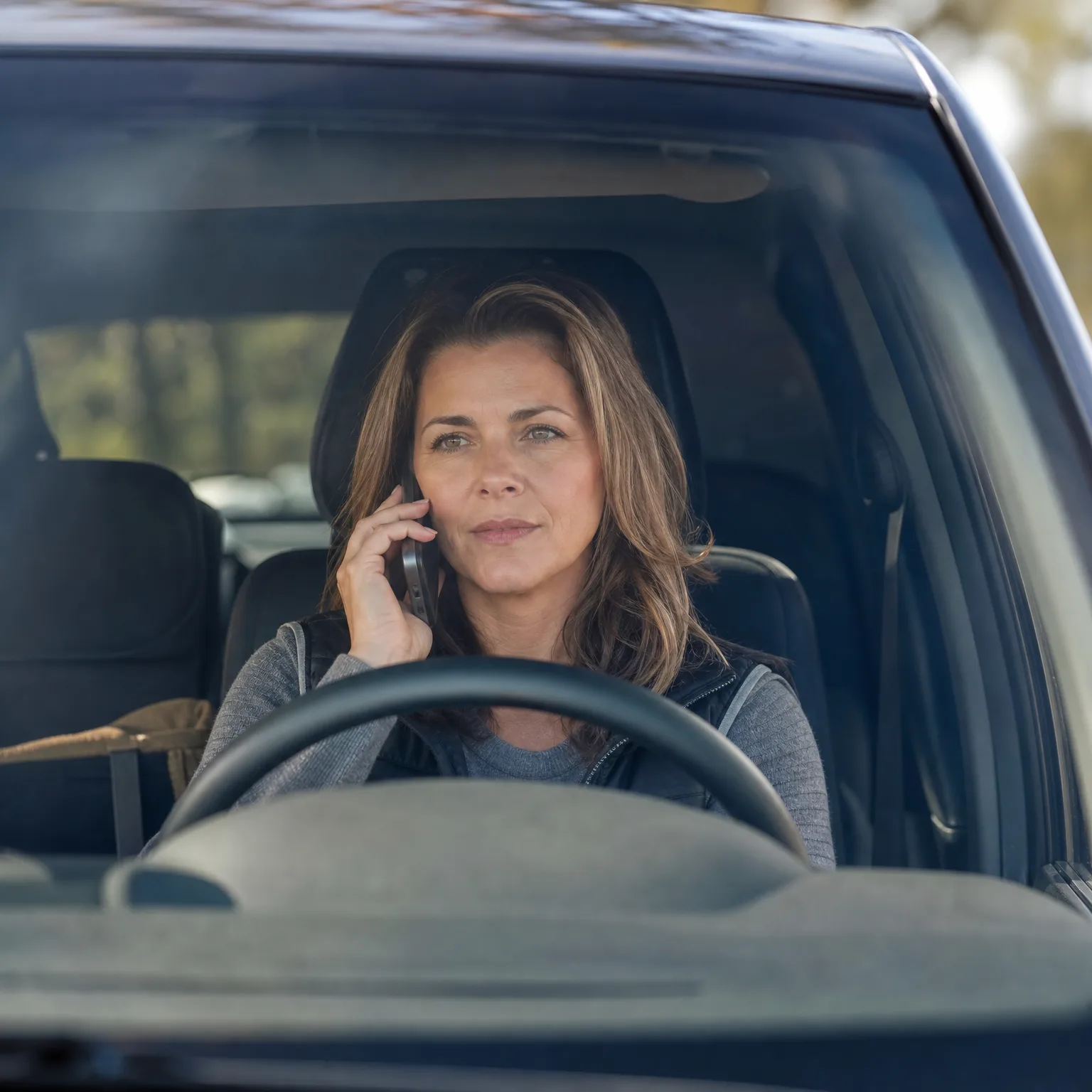
Driving on a suspended license in Minnesota is a misdemeanor under Minnesota Statutes § 171.24, punishable by up to 90 days in jail and $1,000 fine even if the underlying suspension was administrative (unpaid tickets) rather than violation-based (DUI). Rideshare platforms terminate drivers immediately upon discovery of driving-while-suspended incidents, with no reinstatement appeals process.
Minneapolis and St. Paul police run license checks during traffic stops and at rideshare enforcement zones near Mall of America, downtown Minneapolis bar districts, and MSP Airport. If DVS shows you suspended — even though you paid the ticket — you'll be cited for driving after suspension, your vehicle may be impounded under city ordinance, and your rideshare account will be permanently deactivated when the citation posts to background checks.
Wait for confirmed DVS clearance before accepting rides. The income gap is frustrating, but the permanent account loss and criminal record risk far outweigh a week of missed shifts. Use the waiting period to complete vehicle inspection requirements, update insurance documentation, and confirm your commercial rideshare endorsement is current — many drivers discover compliance gaps during reinstatement that would have triggered deactivation later.
Insurance and SR-22 Requirements for Unpaid Ticket Suspensions
Minnesota does not require SR-22 filing for unpaid ticket suspensions. SR-22 is mandated only for DWI convictions, uninsured motorist violations, at-fault accidents without insurance, and license reinstatement after revocation under Minnesota Statutes § 171.29. Administrative suspensions for unpaid fines fall under § 171.16, which carries reinstatement fees but no SR-22 obligation.
You must maintain continuous auto insurance while driving for Uber or Lyft regardless of suspension status. Rideshare platforms require personal auto liability coverage that meets Minnesota minimums ($30,000 bodily injury per person, $60,000 per accident, $10,000 property damage) plus rideshare endorsement or commercial policy. If your personal policy lapsed during suspension, reinstate it before reactivating your driver account — platforms verify active coverage during background checks.
If you no longer own a vehicle but plan to rent through Uber or Lyft's vehicle programs, you still need a non-owner auto policy to satisfy Minnesota financial responsibility law and platform requirements. Non-owner policies provide liability coverage when driving vehicles you don't own, cost approximately $30-$50/month in the Twin Cities metro, and satisfy both DVS reinstatement conditions and rideshare platform insurance verification.
Frequently Asked Questions
How long does it take for Minnesota courts to notify DVS after I pay a ticket?
Minnesota courts send clearance notices to DVS within 3-5 business days of payment, but DVS processing adds another 5-7 business days. Total timeline from payment to license reinstatement is typically 10-14 business days in Hennepin and Ramsey counties, longer in greater Minnesota counties that still use paper mail. You can expedite by hand-delivering a court clearance letter to a DVS exam station.
Can I drive for Uber while waiting for DVS to process my court clearance?
No. Driving on a suspended license in Minnesota is a misdemeanor under § 171.24 even if you've paid the underlying tickets. Rideshare platforms terminate drivers immediately upon discovering driving-while-suspended incidents, with no reinstatement option. Wait for confirmed DVS clearance before accepting rides.
Do I need SR-22 insurance to reinstate my license after unpaid ticket suspension in Minnesota?
No. Minnesota requires SR-22 filing only for DWI convictions, uninsured motorist violations, and revocations under § 171.29. Unpaid ticket suspensions fall under administrative § 171.16 and require reinstatement fees but no SR-22. You must maintain continuous auto insurance, but standard liability coverage satisfies DVS requirements.
How do I prove to Uber that my Minnesota license is reinstated?
Request a certified driving record from DVS at dvs.dps.mn.gov or by calling 651-297-3298. Upload the certified record through the Uber driver app under Account → Documents → Driving Record. Uber's review team processes reinstatement documentation within 24-48 hours, though high-volume periods can extend this to 5 business days.
What if my rideshare account doesn't reactivate after DVS shows my license valid?
Contact platform support immediately. Uber requires manual review and document upload for suspended drivers — check your email for reactivation instructions. Lyft typically auto-reactivates within 48 hours of DVS update in Minneapolis, but St. Paul and suburban zones sometimes need manual escalation. Submit a support ticket with your DVS clearance date and current license status screenshot.
Related Articles
MN Warrant Suspension: Court Clearance vs DVS Timing
5/3/2026
MN Unpaid Ticket Suspension: Court to DVS Timing Gap
5/3/2026
MN Child Support Suspension: Court vs DVS Timing Gap
5/3/2026

MN Unpaid Ticket Suspension: Court & DVS Clearance
5/3/2026
MN CDL Unpaid Ticket Suspension: Court vs DVS Timing
5/3/2026
MN Rideshare Reinstatement: Court & DVS Timing Guide
5/3/2026