
Michigan Court Clearance for Rideshare Drivers: Unpaid Tickets
Free to compare
Why paying the court doesn't automatically reinstate your rideshare driving privileges
Michigan's court system and Secretary of State operate on separate databases with no real-time sync. When you pay off unpaid tickets that triggered your suspension, the court marks your case closed in its own system. The Secretary of State won't know about it until the court submits a clearance notice — a manual process that happens in batches, not immediately.
Most rideshare drivers assume payment equals reinstatement. You settle your balance, wait a few days, then try to reactivate your Uber or Lyft account. The background check still shows suspended. You call SOS, and they tell you there's no clearance on file. The court has your payment, but SOS has no record you're compliant.
This creates a 15-30 day gap in most Michigan counties. Wayne County processes clearances twice monthly. Oakland County batches weekly. Washtenaw runs on a 10-14 day cycle. If you paid your tickets the day after the last batch went out, you're waiting until the next transmission cycle completes. For rideshare drivers, that's two to four weeks without income.
The $125 reinstatement fee to SOS comes after clearance posts, not when you pay the court. Paying that fee early doesn't accelerate anything — SOS won't process reinstatement until their system shows court compliance.

The separate verification step rideshare platforms require
Uber and Lyft run continuous background monitoring through third-party services like Checkr and Sterling. These services pull directly from SOS driving records, not court databases. Your rideshare account reactivation depends on what SOS shows, which depends on whether the court's clearance notice has posted.
Even after SOS processes your reinstatement, the background check provider may take another 3-7 business days to refresh your record. Uber's system checks weekly for most drivers. Lyft runs monitoring every 5-10 days depending on your market. You can request a manual re-check through the app, but approval isn't guaranteed and processing still takes 48-72 hours minimum.
Some drivers try to upload proof of payment directly to the rideshare platform. Court receipts don't override the automated background check. The platform's compliance team can't manually reinstate you — their system requires a clean SOS record before your account unlocks.


How to verify court clearance posted to Secretary of State records
You can check your Michigan driving record online through the SOS website. Log into the Michigan Online Services portal and request a driving record abstract. The fee is $8 for an unofficial copy, $11 for a certified version. The abstract shows all active suspensions, reinstatement requirements, and clearance status.
If your abstract still shows the unpaid tickets suspension active two weeks after you paid the court, contact the court clerk's office that handled your case. Ask them to confirm they've transmitted the clearance notice to SOS. Most clerks can tell you the last batch date and when the next transmission is scheduled.
You can also call the SOS Driver Programs and Services division at 517-322-1624. They can't see court payment records, but they can confirm whether a clearance notice has posted to your driver file. If it hasn't, they'll tell you to follow up with the court — SOS won't accept proof of payment directly from you.
Once clearance posts, you still need to pay the $125 reinstatement fee and satisfy any insurance filing requirements before SOS removes the suspension flag. The fee can be paid online, by mail, or at any SOS branch office.

Line Up Coverage Before Your License Comes Back
Get Back on the RoadWhether SR-22 filing is required for unpaid tickets suspension in Michigan
Michigan does not require SR-22 filing for unpaid tickets suspensions. SR-22 is triggered by specific violation categories — DUI/OWI convictions, reckless driving, uninsured operation, or court-ordered financial responsibility cases. Unpaid tickets are an administrative suspension, not a violation-based one.
If your suspension was purely for unpaid tickets with no underlying traffic violations requiring SR-22, you can reinstate with a standard auto insurance policy. Rideshare drivers need to maintain personal auto coverage plus rideshare endorsement or commercial rideshare coverage to stay compliant with Uber and Lyft's insurance requirements, but SR-22 isn't part of that unless your driving record includes a separate SR-22-triggering offense.
Some Michigan drivers have both an unpaid tickets suspension and a prior DUI or uninsured driving conviction on their record. If that's your situation, the SR-22 requirement comes from the DUI or uninsured offense, not the unpaid tickets. You'll need to maintain SR-22 for the full filing period — typically 3 years from reinstatement — even after the unpaid tickets suspension clears.
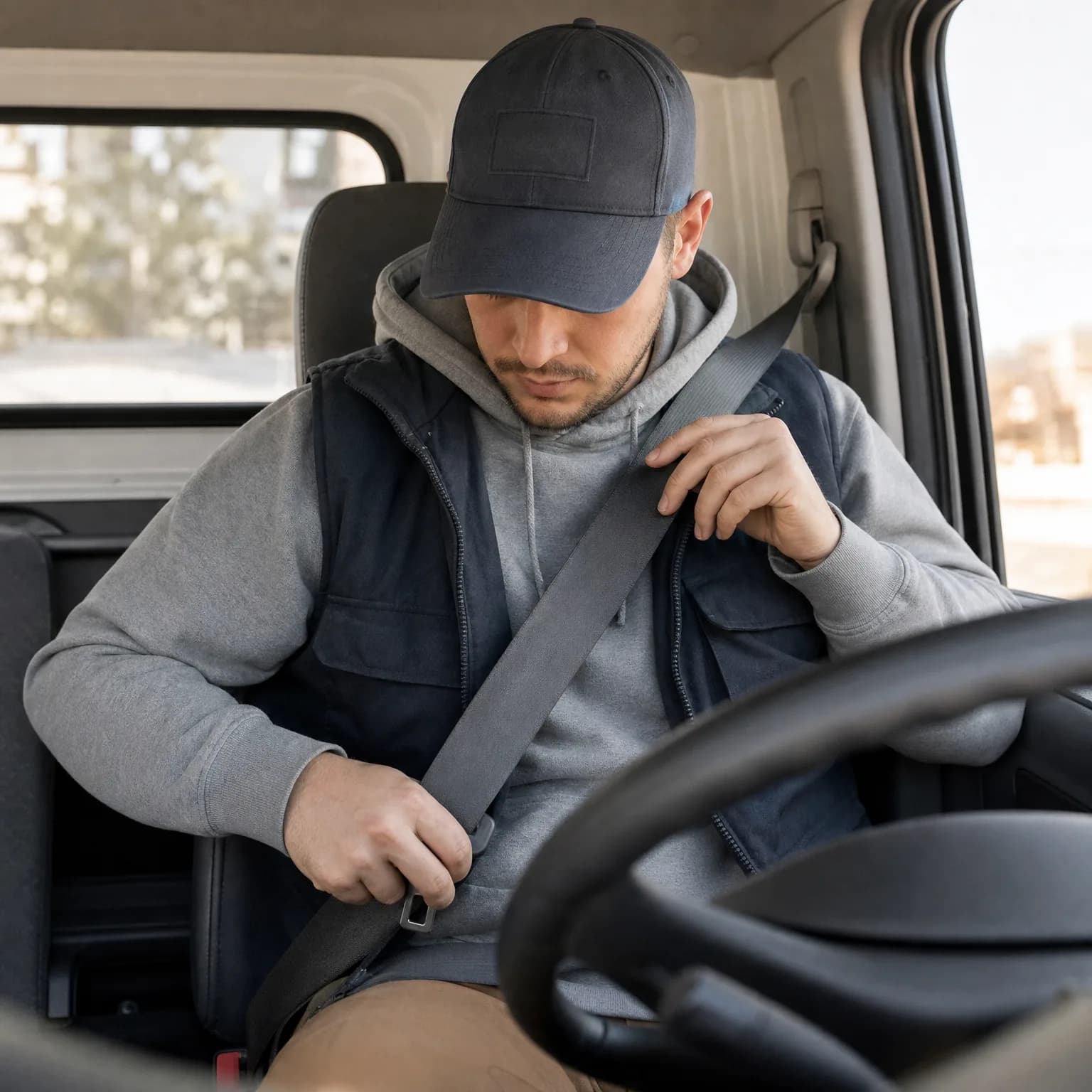
Rideshare insurance options after reinstatement
Once your license is reinstated, you need personal auto insurance that meets Michigan's no-fault requirements. Post-2020 reform, Michigan allows tiered Personal Injury Protection (PIP) coverage levels. You must select a PIP tier when you purchase your policy — unlimited, $500,000, $250,000, $100,000, or $50,000 — or opt out if you have qualifying health coverage through Medicare, Medicaid, TRICARE, or a self-funded employer plan.
Rideshare drivers also need either a rideshare endorsement added to their personal policy or a separate commercial rideshare policy. Personal auto policies don't cover you during Periods 1, 2, or 3 of rideshare activity. Period 1 is when the app is on but you haven't accepted a ride. Periods 2 and 3 are when you're en route to pick up a passenger or actively transporting one. Uber and Lyft provide some coverage during these periods, but gaps exist — particularly during Period 1.
Not all Michigan carriers offer rideshare endorsements. State Farm, Progressive, GEICO, and Allstate write rideshare coverage in Michigan. Liberty Mutual and Farmers offer it in select counties. If your regular carrier doesn't provide a rideshare endorsement, you'll need to switch carriers or purchase a separate commercial policy.
Expect monthly premiums to run $140-$220/month for personal auto plus rideshare endorsement in Detroit, Lansing, and Grand Rapids metro areas. Drivers in Flint, Saginaw, and other tier-two markets typically see $110-$180/month. These are approximate ranges — your actual rate depends on your driving history, vehicle, coverage selections, and PIP tier.
Timeline from court payment to rideshare account reactivation
Plan for 3-5 weeks total. Week one covers court clearance transmission to SOS. Week two is SOS reinstatement fee processing after clearance posts. Week three is the rideshare background check refresh cycle. Weeks four and five are buffer for administrative delays.
You can't compress this timeline by paying extra or escalating. The court-to-SOS transmission runs on a fixed batch schedule. SOS processing is first-in, first-out. Background check providers refresh on their own cycle. The only variable you control is how quickly you pay the reinstatement fee after clearance posts — do that same-day and you eliminate one potential delay.
Some drivers try to start the rideshare application process before reinstatement completes. Uber and Lyft will run the initial background check, see the suspension, and deny the application. You'll need to wait 30 days before reapplying in most markets. Starting early doesn't save time — it adds a mandatory waiting period.
Frequently Asked Questions
Can I drive for Uber or Lyft with a restricted license in Michigan after unpaid tickets suspension?
Michigan does not issue restricted licenses for unpaid tickets suspensions. Restricted licenses are available for some DUI/OWI and medical suspensions, but unpaid tickets cases require full reinstatement. Uber and Lyft also require a valid unrestricted driver's license — restricted licenses don't meet platform eligibility requirements even in states that issue them for administrative suspensions.
Will paying my reinstatement fee before court clearance posts speed up the process?
No. Michigan's Secretary of State won't process your reinstatement fee payment until court clearance appears in their system. You can pay early, but it sits in pending status until the clearance notice posts. Most drivers should wait until they confirm clearance posted to avoid tying up funds in a payment that can't be processed yet.
Does the rideshare platform notify me when my background check clears after reinstatement?
Yes, but timing varies. Uber sends an in-app notification and email when your background check updates and your account is reactivated. Lyft sends email notification only. Both can take 3-7 business days after your SOS record shows reinstated. You can check status in the app's Account or Hub section without waiting for the notification.
Can I request expedited court clearance transmission to Secretary of State for work purposes?
Michigan courts do not offer expedited clearance processing for employment reasons. Clearance notices are transmitted in batches on fixed schedules. Some court clerks can confirm your case is queued for the next batch, but they can't move it to an earlier transmission cycle. Financial hardship or employment impact doesn't change the processing timeline.
What happens if I start driving for a rideshare platform before my Michigan license is fully reinstated?
Driving on a suspended license in Michigan is a misdemeanor under MCL 257.904, carrying up to 93 days in jail and fines up to $500 for a first offense. Rideshare platforms also permanently deactivate drivers caught operating with a suspended license. The background check provider reports the violation to the platform, and reactivation isn't possible even after reinstatement — you're banned from the platform.
Related Articles
MI Rideshare Unpaid Ticket Suspension Reinstatement Costs
5/3/2026
Michigan Rideshare SR-22 After Unpaid Tickets Suspension
5/3/2026

Clearing Michigan Failure-to-Appear: Court + DMV Steps
5/3/2026

Michigan Rideshare Reinstatement After FTA Warrant
5/3/2026

Michigan DUI Reinstatement for Rideshare Drivers
5/3/2026

MI Child Support Reinstatement for Rideshare Drivers
5/3/2026