
Louisiana Rideshare Reinstatement Cost Stack: Unpaid Tickets
Free to compare
Why Louisiana requires SR-22 filing after unpaid ticket suspension for rideshare drivers
Louisiana treats unpaid moving violations resulting in suspension as a compliance failure requiring SR-22 certification when the driver operates commercially. Your rideshare activity triggers the SR-22 mandate—personal-use drivers with identical ticket suspensions typically reinstate without SR-22 filing. The Louisiana Office of Motor Vehicles distinguishes between administrative suspensions (unpaid fines alone) and suspension for unpaid moving violations tied to commercial driving privilege, which carries a three-year SR-22 requirement from your reinstatement date.
The reinstatement fee structure reflects this distinction. Personal drivers pay $270 total: $100 reinstatement fee plus $170 in processing and clearance charges. Rideshare drivers pay identical upfront fees but absorb an additional three-year SR-22 filing obligation your carrier bills monthly. Most drivers budget for the $270 state charge and discover the SR-22 requirement only when Uber or Lyft flags incomplete documentation during reactivation review.
This separation creates confusion at reinstatement. You satisfy the OMV's immediate requirements by paying the $270 and submitting proof of ticket clearance. Your license is valid again. But your rideshare platform account remains deactivated until you upload SR-22 proof, which requires carrier activation and a separate monthly premium you were not told to expect.
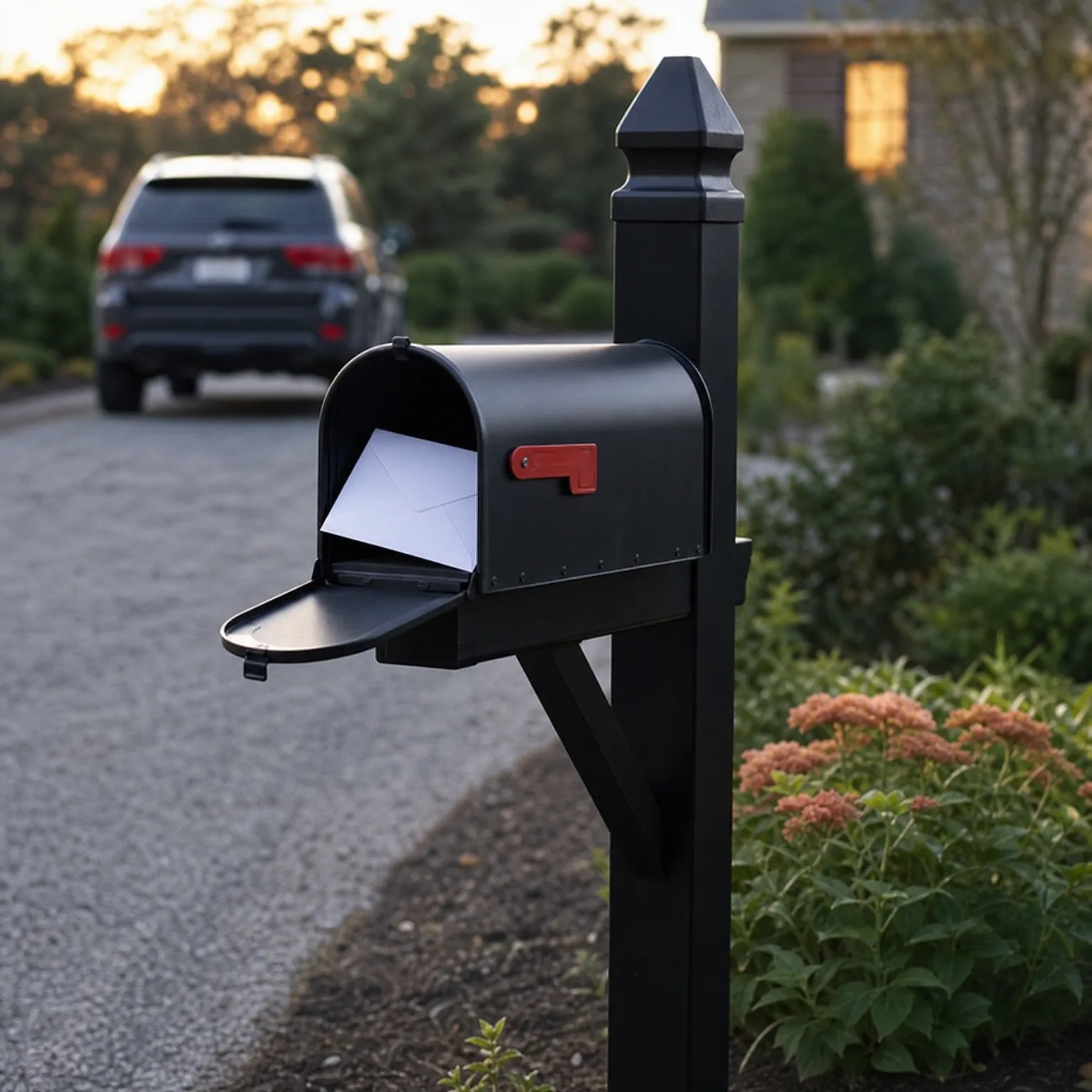
Louisiana reinstatement fees: fixed state charges versus ongoing carrier markup
The state's $270 reinstatement charge breaks into three components: a $100 reinstatement application fee, a $120 suspension clearance fee, and a $50 document processing fee. These are fixed, paid once, and processed within 7–10 business days after your court issues the ticket clearance certificate. This timeline applies only to the state's administrative processing—it does not include your carrier's SR-22 activation window.
SR-22 carrier markup operates differently. Louisiana requires continuous proof of financial responsibility for three years following reinstatement. Your carrier files the SR-22 certificate with the OMV electronically, typically within 24–48 hours of policy activation. But the filing itself is not a product—it is a certification tied to your liability policy. Carriers charge for the increased administrative burden and the risk profile the filing represents. Most non-standard carriers in Louisiana add $45–$90 per month to your base liability premium for the SR-22 endorsement. That monthly charge continues for 36 months unless you cancel coverage, at which point the carrier notifies the OMV and your license is re-suspended.
The cost stack compounds: $270 upfront to the state, plus approximately $1,620–$3,240 over three years to your carrier for the SR-22 filing requirement. Most rideshare drivers budget only for the reinstatement fee and treat the SR-22 as a one-time filing expense. It is not. The three-year duration means your total compliance cost sits between $1,890 and $3,510, depending on your carrier's SR-22 markup rate and your underlying liability premium.

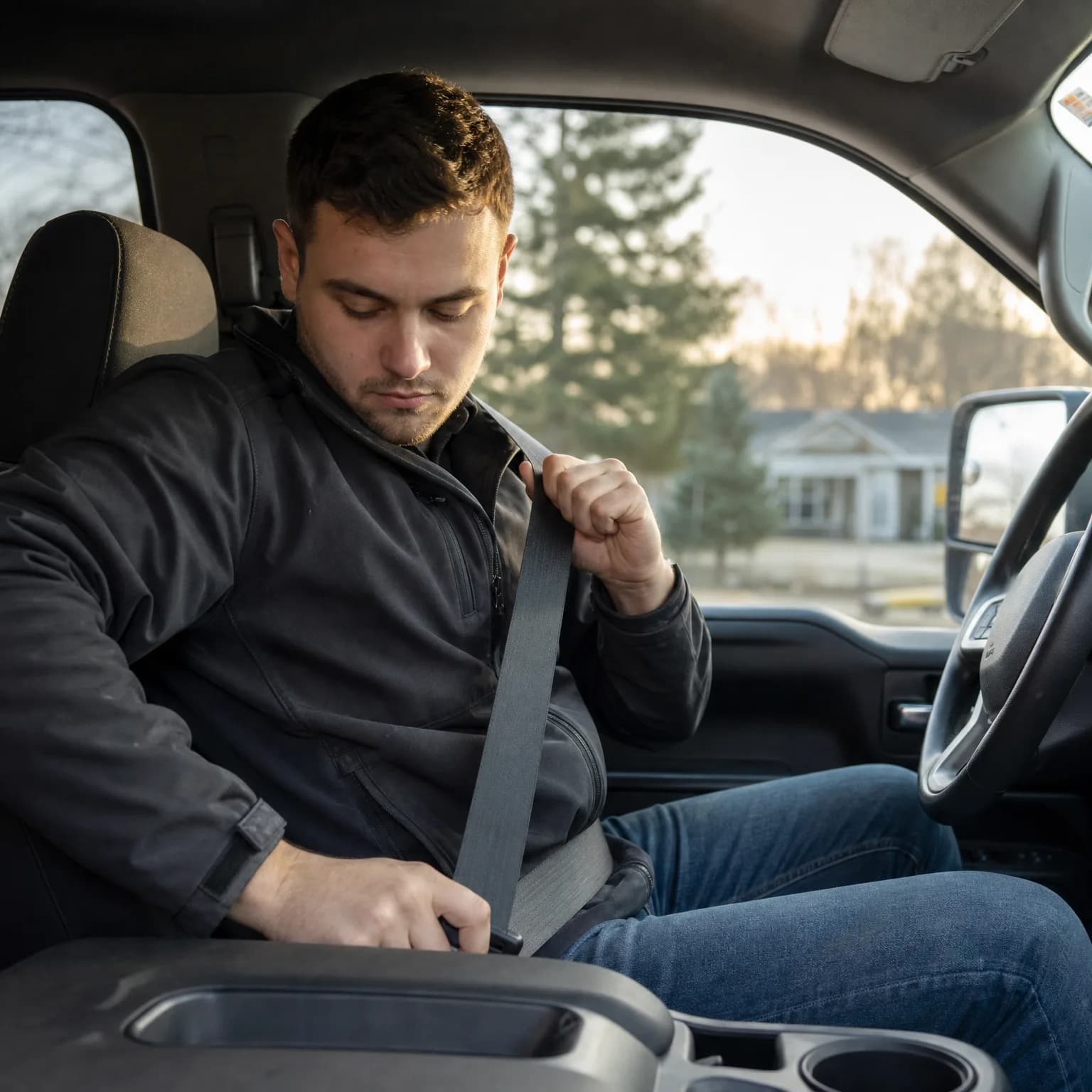
How unpaid ticket type determines your SR-22 filing path
Not all unpaid tickets trigger SR-22 requirements for rideshare drivers in Louisiana. Moving violations resulting in suspension—speeding 20+ mph over, reckless operation, failure to yield, running a red light—require SR-22 when the suspension affects commercial driving privilege. Non-moving violations like parking tickets, equipment violations without points, or expired registration do not trigger SR-22 mandates even if suspension occurred.
The distinction matters at reinstatement. If your suspension stems exclusively from unpaid parking citations or administrative fees, you pay the $270 state charge, submit proof of payment, and reinstate without SR-22. Your rideshare platform reactivates immediately once your driving record clears. If your suspension includes even one unpaid moving violation, the OMV flags your reinstatement for SR-22 compliance. Uber and Lyft cross-reference your MVR against state commercial driving requirements—your account remains deactivated until SR-22 proof appears on your driving record.
Most drivers discover this during reactivation, not reinstatement. You receive your physical license back from the OMV, assume you are cleared to drive, and attempt to log into the rideshare app. The platform's background check detects the recent suspension and requires proof of SR-22 filing before restoring driver status. You then contact carriers to add SR-22, which initiates the three-year filing clock you were not budgeting for.

Line Up Coverage Before Your License Comes Back
Get Back on the RoadThe three-year SR-22 clock starts at reinstatement, not ticket clearance
Louisiana measures the three-year SR-22 filing period from your reinstatement date, not from the date you paid your tickets or cleared your court obligations. This creates a delay window most drivers miss. You pay your tickets in March. The court issues a clearance certificate in April. You submit reinstatement paperwork to the OMV in May. Your license is reinstated in June. The three-year SR-22 clock begins in June, not March.
This four-month gap extends your total SR-22 duration when you file early. Some carriers advise activating SR-22 immediately after ticket payment to "get ahead" of reinstatement. That approach adds four months to your filing obligation. The OMV does not retroactively credit SR-22 time served before reinstatement. Filing early does not shorten your requirement—it lengthens your total premium exposure.
The correct sequence: clear all unpaid tickets, obtain court clearance certificates, submit reinstatement application to the OMV, wait for license reinstatement confirmation, then activate SR-22 coverage on or immediately after your reinstatement date. This approach aligns your SR-22 start date with the state's filing requirement start date, eliminating unnecessary months of carrier markup. Most rideshare drivers activate SR-22 at ticket payment because the carrier's onboarding process does not distinguish between court clearance dates and reinstatement dates.
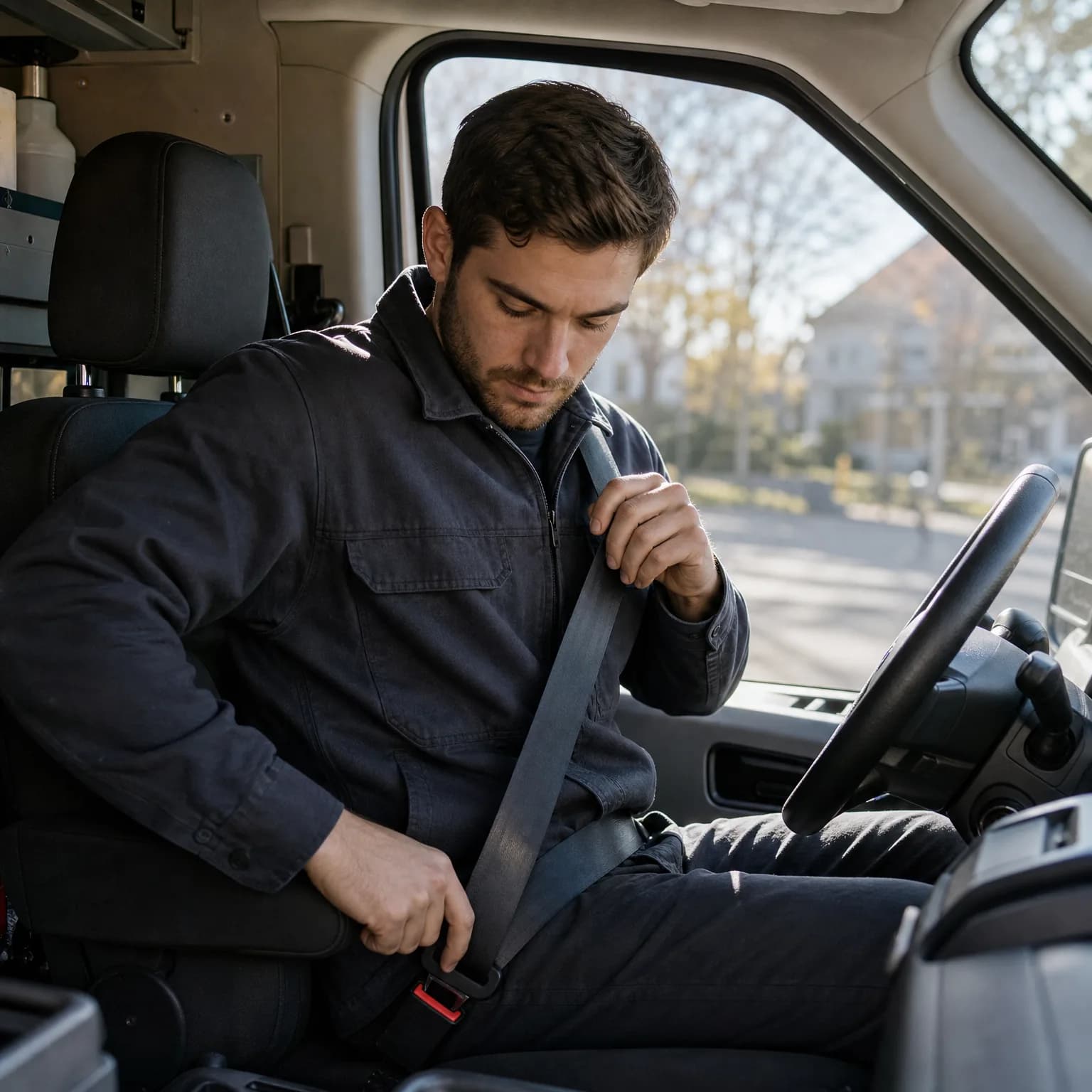
Non-owner SR-22 policies when you drive rideshare in someone else's vehicle
Louisiana rideshare drivers who do not own a personal vehicle still need SR-22 filing to reinstate and maintain platform eligibility. Non-owner SR-22 policies provide liability coverage and state-required proof of financial responsibility without insuring a specific vehicle. These policies typically cost $40–$70 per month in Louisiana, including the SR-22 endorsement fee, which is lower than standard owner policies but still runs for the full three-year filing period.
Non-owner policies cover you while driving vehicles you do not own—rental cars, borrowed vehicles, or rideshare platform vehicles during personal use. They do not cover you during active rideshare trips. Uber and Lyft provide commercial coverage from the moment you accept a ride request through trip completion. The non-owner policy satisfies the OMV's SR-22 filing requirement and keeps your license valid between rideshare shifts.
Most rideshare drivers assume they are covered by the platform's insurance and skip personal coverage entirely. That assumption fails at reinstatement. The OMV requires continuous personal liability coverage with SR-22 certification. Platform coverage does not satisfy this requirement. Your license remains suspended until you activate a personal policy—owner or non-owner—with SR-22 endorsement. The three-year clock does not start until that personal policy is active and filed with the state.

What happens if SR-22 coverage lapses during the three-year period
Louisiana carriers notify the OMV within 24 hours when SR-22 coverage is cancelled or lapses for non-payment. The state re-suspends your license immediately without additional notice. Your rideshare platform detects the suspension during routine background refresh—typically within 7–14 days—and deactivates your driver account. You lose driving privileges and platform income simultaneously.
Reinstatement after SR-22 lapse requires paying the full $270 reinstatement fee again, reactivating SR-22 coverage with proof of continuous future coverage, and waiting for OMV processing. The three-year SR-22 clock does not pause during suspension—it resets. If you lapse two years into your filing period, you owe three full years from the new reinstatement date, not one remaining year. This reset provision catches drivers off guard. Most assume the clock continues where it stopped. It does not.
The financial consequence: if you lapse SR-22 after 24 months, you pay the $270 reinstatement fee plus an additional 36 months of SR-22 carrier markup, totaling $1,890–$3,510 on top of what you already paid. The lapse penalty is not a fine—it is the cost of restarting the compliance clock. Louisiana does not prorate SR-22 requirements. Avoid lapses by setting up autopay and monitoring your carrier's billing calendar closely.
Frequently Asked Questions
Do I need SR-22 if my Louisiana suspension was only for unpaid parking tickets?
No. Parking tickets are non-moving violations and do not trigger SR-22 filing requirements in Louisiana, even for rideshare drivers. You pay the $270 reinstatement fee, submit proof of ticket payment, and reinstate without SR-22. Your rideshare platform reactivates once your driving record clears.
Can I activate SR-22 before my Louisiana license is reinstated to save time?
You can activate SR-22 early, but it extends your total filing period. Louisiana's three-year SR-22 clock starts on your reinstatement date, not your SR-22 activation date. Filing two months early adds two months to your total requirement, costing you an extra $90–$180 in carrier markup.
What happens to my Uber or Lyft account if my SR-22 lapses in Louisiana?
Louisiana carriers notify the OMV within 24 hours of SR-22 lapse, triggering immediate license re-suspension. Your rideshare platform detects the suspension during background refresh within 7–14 days and deactivates your driver account. You lose both driving privileges and platform income until you reinstate and reactivate SR-22.
Does Louisiana count time I had SR-22 before reinstatement toward the three-year requirement?
No. Louisiana measures the three-year SR-22 period from your reinstatement date forward. Any SR-22 coverage active before reinstatement does not reduce your filing obligation. The clock starts when the OMV reinstates your license, not when you first activate SR-22.
How much does SR-22 carrier markup add to my monthly premium in Louisiana?
Most non-standard carriers in Louisiana add $45–$90 per month for SR-22 endorsement. This charge continues for 36 months following reinstatement, totaling $1,620–$3,240 over the filing period. The markup is separate from your base liability premium and varies by carrier risk pricing.
Can I use Uber's commercial insurance to satisfy Louisiana's SR-22 requirement?
No. Louisiana requires personal liability coverage with SR-22 certification. Platform commercial coverage applies only during active trips and does not satisfy the state's continuous financial responsibility requirement. You need a personal owner or non-owner policy with SR-22 endorsement to reinstate and maintain your license.
Related Articles

Louisiana Rideshare SR-22 Reinstatement Cost Stack
5/3/2026

LA Warrant Reinstatement Costs for Rideshare Drivers
5/3/2026

LA DUI Reinstatement for Rideshare: Real Cost Stack
5/3/2026

Kentucky Rideshare SR-22 Reinstatement: Full Cost Stack
5/3/2026
LA Rideshare Unpaid Ticket Reinstatement
7/13/2026

VA Rideshare Reinstatement: Unpaid Ticket Cost Stack
5/3/2026