
Indiana Unpaid Ticket Suspensions: SR-22 Timing for Single Parents
Free to compare
Why Indiana Rejects SR-22 Filings Before Court Clearance Posts to BMV
Indiana's Bureau of Motor Vehicles will not process an SR-22 filing until your court shows payment compliance in the BMV's system. Most single parents pay their tickets at the clerk's office, obtain a receipt, and immediately contact an insurance carrier to file SR-22—only to discover weeks later that BMV rejected the filing because the court hasn't transmitted clearance yet.
Courts in Indiana counties transmit payment records to BMV on varying schedules. Marion County processes clearances within 5-7 business days. Lake County averages 10-14 days. Smaller county courts without automated systems can take 3-4 weeks. Your receipt proves you paid the court, but BMV operates on what their database shows, not what your receipt says.
The safest sequence: pay all outstanding tickets and fines at the court, request a written clearance letter on court letterhead with case numbers listed, wait 10 business days, then call BMV's automated status line at 888-692-6841 to confirm your suspension reason shows as resolved before contacting any carrier about SR-22. Filing early does not speed up reinstatement. It creates a rejection that requires resubmission, carrier communication delays, and often a second filing fee.

Does Indiana Require SR-22 for Unpaid Ticket Suspensions
Indiana does not require SR-22 filing to reinstate a license suspended solely for unpaid traffic tickets. SR-22 is legally mandated in Indiana for OWI convictions, at-fault uninsured crashes, and Habitual Traffic Violator reinstatements under IC 9-25. Unpaid ticket suspensions fall under administrative enforcement—you must pay the tickets, pay the BMV's $250 reinstatement fee, and provide proof of current insurance, but that insurance does not need to carry an SR-22 endorsement.
Single parents often encounter confusion because insurance agents and online aggregators treat all suspensions as SR-22 triggers. Some carriers push SR-22 policies to drivers who don't legally need them. Others refuse to quote suspended drivers at all without clarifying the suspension cause. If your suspension letter from BMV does not explicitly state "SR-22 filing required" or reference IC 9-25 financial responsibility requirements, you do not need SR-22.
You still need active liability insurance to reinstate. Indiana requires continuous coverage under IC 9-25-4 for all registered vehicles. If you don't own a vehicle, a non-owner liability policy satisfies the reinstatement requirement without the SR-22 filing cost or 3-year monitoring period.

Indiana Probationary License Eligibility for Single Parents With Unpaid Tickets
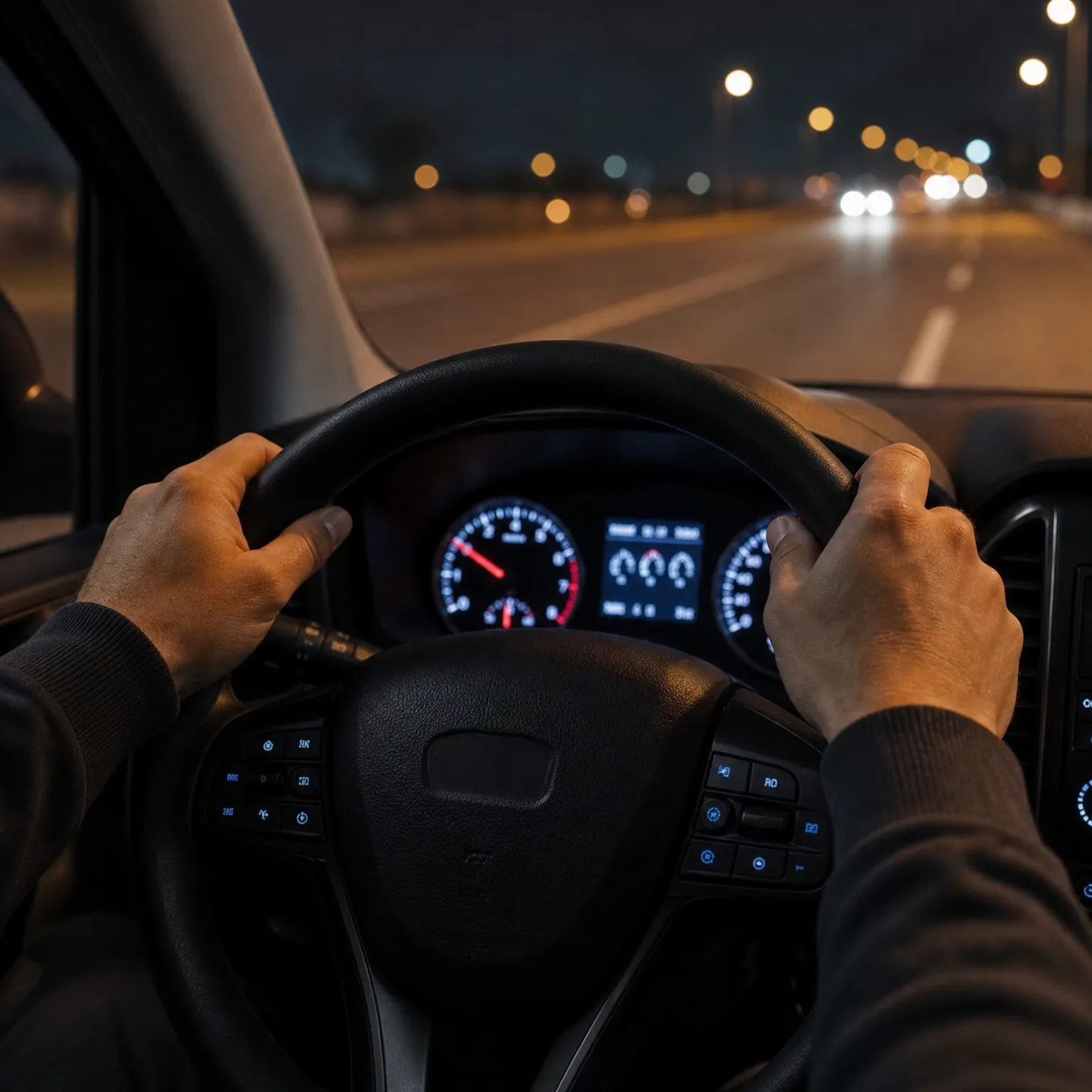
Indiana offers a Probationary License that allows limited driving during suspension. Single parents qualify if the suspension resulted from unpaid tickets and you can demonstrate essential need—employment, medical appointments for yourself or dependents, school drop-off and pick-up, or court-ordered custody responsibilities.
You apply through BMV if the suspension is administrative, or through the court if a judge ordered the suspension as part of sentencing. Most unpaid ticket suspensions are BMV-initiated, which means you file directly with the BMV branch in your county. Required documentation includes proof of employment (pay stub or employer letter on company letterhead), proof of insurance (current policy declarations page showing liability limits that meet or exceed Indiana's 25/50/25 minimums), a completed Probationary License application (form available at mybmv.com), and proof of ticket payment or a payment plan approval letter from the court.
BMV does not approve Probationary Licenses while tickets remain unpaid. You must either pay all outstanding fines in full or enter a formal payment plan with the court clerk and bring written proof of the arrangement. BMV will verify payment status in their system before issuing the license. Processing typically takes 5-10 business days after BMV receives a complete application with verified clearances.
Probationary License Restrictions and Single-Parent Compliance
Indiana's Probationary License restricts you to driving only for the purposes approved on your application. If you listed employment and medical appointments, you cannot legally drive to the grocery store, a friend's house, or anywhere outside those two categories. The restriction is route-specific and purpose-specific.
Single parents often underestimate how narrow these restrictions are. Picking up your child from school is an approved essential purpose. Stopping at a pharmacy on the way home to fill your child's prescription is technically a separate errand that wasn't listed on your application—and if stopped, you could face a violation of restricted license terms, which under IC 9-24-18 triggers immediate revocation and extends your suspension period.
You are required to carry your Probationary License, proof of insurance, and documentation proving your current trip fits an approved purpose whenever you drive. Employment letter, medical appointment confirmation, school enrollment records—BMV recommends keeping copies in your vehicle. If stopped by law enforcement, the officer will verify your stated purpose matches your approved categories. Violations are prosecuted as driving while suspended, a Class A misdemeanor carrying up to one year in jail and a $5,000 fine, though most first offenses result in license revocation and extended suspension rather than incarceration.

Line Up Coverage Before Your License Comes Back
Get Back on the Road
What Happens If You Start SR-22 Before Ticket Clearance Posts
Starting SR-22 before BMV confirms ticket clearance creates a processing loop most carriers won't warn you about. Your carrier files the SR-22 electronically with BMV. BMV's system checks your driver record and sees an active suspension flag for unpaid tickets. The system rejects the SR-22 because suspensions for non-financial-responsibility causes do not require SR-22 in the first place, and even if they did, BMV won't accept filings while the underlying violation remains unresolved in their database.
Your carrier receives the rejection notice, often 7-10 days after filing. Some carriers notify you immediately. Others assume you'll call when you don't receive reinstatement confirmation. Meanwhile, you're paying for an SR-22 endorsement you don't legally need, and the reinstatement clock hasn't started because BMV never accepted the filing.
The correction process: confirm with the court that payment posted, obtain a case disposition printout showing zero balance owed, call BMV at 888-692-6841 and verify your suspension reason no longer shows unpaid tickets, then contact your carrier to cancel the SR-22 endorsement if it's not legally required for your suspension type. If BMV confirms the suspension is cleared but hasn't updated your driver record status to eligible-for-reinstatement, you may need to visit a BMV branch in person with your court clearance letter and request a manual status update before paying the $250 reinstatement fee.
Non-Owner Insurance as a Reinstatement Path for Single Parents Without Vehicles
Single parents who sold their vehicle during suspension or never owned one can reinstate with a non-owner liability policy. Indiana accepts non-owner policies as proof of financial responsibility for reinstatement purposes as long as the policy meets the state's minimum liability limits: $25,000 per person for bodily injury, $50,000 per accident for bodily injury, and $25,000 for property damage.
Non-owner policies cost significantly less than standard auto insurance because they exclude collision and comprehensive coverage and only activate when you drive a vehicle you don't own—borrowed cars, rental cars, or a vehicle provided by an employer. Monthly premiums typically range from $35-$65 for drivers with clean records. Suspended drivers pay closer to $60-$95/mo depending on violation history and county.
You purchase a non-owner policy the same way you'd buy standard coverage—contact carriers directly or use a comparison tool that includes non-owner options. Not all carriers offer non-owner policies. Progressive, The General, and Bristol West write non-owner coverage in Indiana for suspended drivers. GEICO and State Farm offer non-owner policies but often decline applicants with active suspensions. Once the policy is active, the carrier provides a declarations page showing policy number, coverage limits, and effective dates—bring this to BMV when you pay your reinstatement fee.
Indiana Reinstatement Fee and Timeline After Ticket Payment
Indiana charges a $250 reinstatement fee for most administrative suspensions, including unpaid tickets. This fee is separate from the ticket fines you already paid the court. You pay reinstatement at a BMV branch or online through mybmv.com if your account shows eligible status.
BMV will not accept reinstatement payment until all underlying causes are resolved in their system. Court clearance must post. If you had multiple suspension causes—unpaid tickets plus an insurance lapse, for example—both must show resolved before BMV processes reinstatement. Single parents often pay the fee prematurely, assuming it will trigger faster processing. BMV refunds are rare and require 6-8 weeks of administrative review. Confirm eligibility first.
Once you pay the reinstatement fee and BMV verifies current insurance, your license is reinstated immediately if you visit a branch in person. Online reinstatements post within 24-48 hours but do not provide a physical document the same day. If you need to drive immediately after reinstatement, visit a branch, pay in person, and request a temporary driving receipt while your permanent license is mailed.
Frequently Asked Questions
Can I get a Probationary License in Indiana if I still owe money on my tickets?
No. Indiana BMV will not approve a Probationary License application while you have unpaid ticket balances. You must either pay all fines in full or enter a formal court-approved payment plan and provide written proof of the arrangement when you apply.
How long does it take for Indiana courts to report ticket payment to BMV?
Marion County courts typically transmit payment records to BMV within 5-7 business days. Lake County averages 10-14 days. Smaller counties without automated systems can take 3-4 weeks. Call BMV's automated line at 888-692-6841 after 10 business days to confirm clearance posted before filing insurance or paying reinstatement fees.
Does Indiana require SR-22 for all license suspensions?
No. Indiana requires SR-22 only for OWI convictions, at-fault uninsured crashes, and Habitual Traffic Violator reinstatements under IC 9-25. Suspensions for unpaid tickets, child support arrears, or failure to appear do not require SR-22 filing, though you still need active liability insurance to reinstate.
What happens if I drive outside my approved Probationary License purposes in Indiana?
Driving outside your approved purposes violates IC 9-24-18 and is prosecuted as driving while suspended, a Class A misdemeanor. Penalties include immediate Probationary License revocation, extended suspension period, and potential jail time up to one year, though most first offenses result in license revocation and suspension extension rather than incarceration.
Can I reinstate my Indiana license online after paying tickets?
Yes, if your BMV account shows eligible status after court clearance posts and you have proof of current insurance. You pay the $250 reinstatement fee through mybmv.com and reinstatement posts within 24-48 hours. If you need to drive immediately, visit a BMV branch in person to receive a temporary receipt the same day.
Do I need a vehicle to get insurance for Indiana license reinstatement?
No. Indiana accepts non-owner liability policies for reinstatement if you don't own a vehicle. The policy must meet Indiana's 25/50/25 minimum liability limits. Monthly premiums for suspended drivers typically range from $60-$95 depending on violation history and county.
Related Articles

Indiana Rideshare SR-22 Unpaid Tickets: Filing Timing
5/3/2026

Indiana CDL Unpaid Tickets: SR-22 Timing & Reinstatement
5/3/2026

Indiana Lapse Suspension: Court & BMV Timing for Students
5/3/2026

Indiana Lapse Suspension Reinstatement for Parents
5/3/2026

Indiana CDL DUI Reinstatement: Court and BMV Timing
5/3/2026

Indiana DUI Reinstatement Timing for College Students
5/3/2026