
Indiana Rideshare Drivers: Court Clearance vs DMV Timing After Unpaid Tickets
Free to compare
Why Your Rideshare Account Shows Suspended After You Paid the Court
Indiana courts and the Bureau of Motor Vehicles operate separate record systems with no automatic data synchronization. When you pay a ticket or satisfy a judgment, the court updates its own database immediately, but that payment record doesn't transmit to the BMV until the court manually files a clearance notice—a process that typically takes 7-14 business days in Marion County and up to 21 business days in smaller counties.
Rideshare platforms run continuous background checks that pull directly from BMV suspension records, not court payment databases. Your Uber or Lyft account will show your license as suspended until the BMV processes the court's clearance filing and updates its driver eligibility database, which adds another 10-15 business days after the court filing reaches Indianapolis.
This creates a procedural gap where you've legally satisfied the court requirement but remain administratively suspended for 3-6 weeks. Most rideshare drivers call the court repeatedly during this window, but the court can only confirm payment—it cannot force the BMV to process faster, and it cannot restore your rideshare eligibility directly.
The Two-Step Clearance Process Indiana Requires
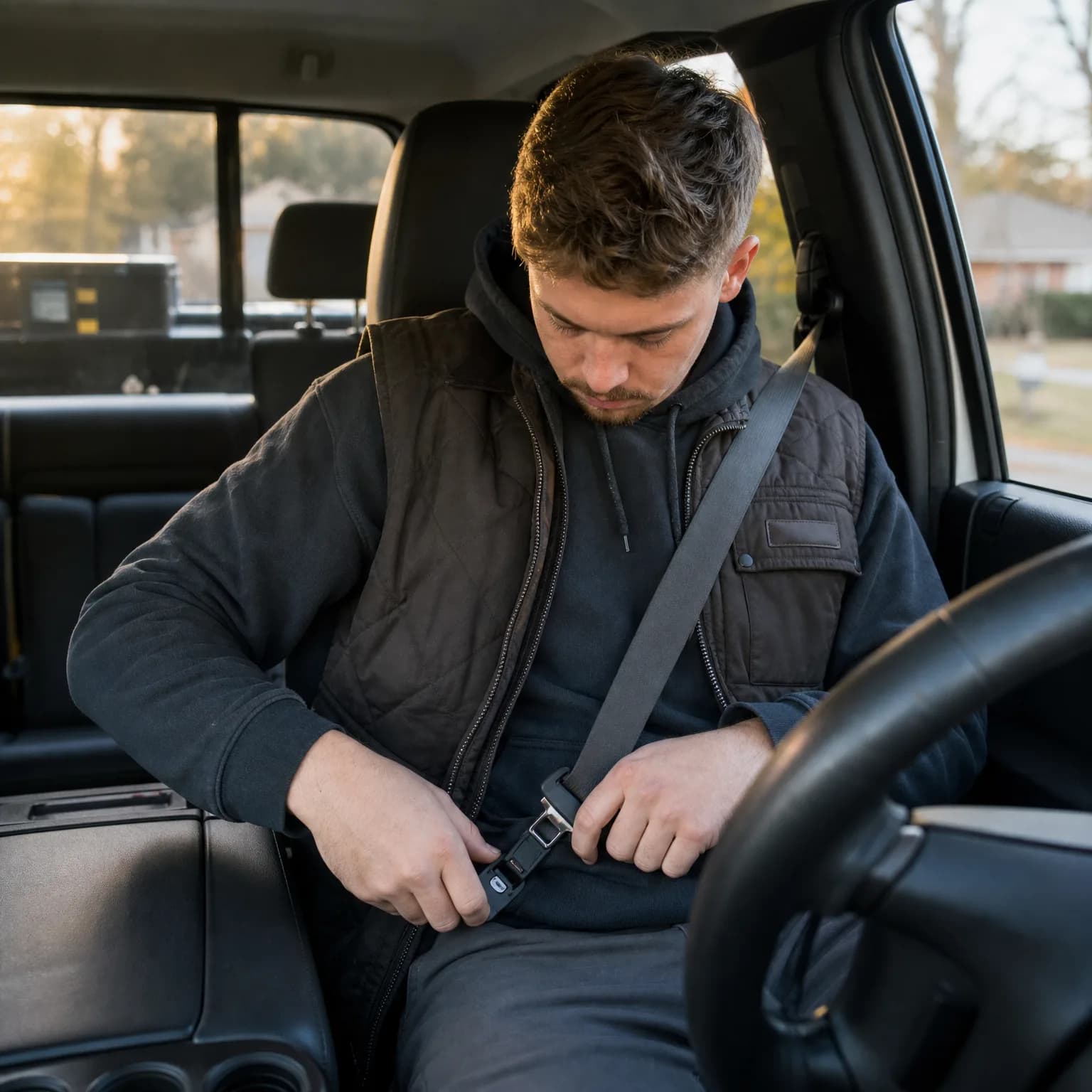
Indiana Код 9-30-3-18 requires two separate clearance actions after unpaid ticket suspension. First, you must pay the court in full or enter an approved payment plan that satisfies the judgment. The court clerk issues a satisfaction notice, but that notice sits in the court's own filing queue until staff manually transmit it to the BMV—courts are not required to file same-day, and most process clearances in weekly batches.
Second, the BMV must receive that clearance filing, verify it against your driver record, and update its suspension database. The BMV does not accept phone calls to expedite this process. Even if you visit a BMV branch in person with your court receipt, branch staff cannot override the central processing timeline because suspension clearances are handled exclusively by the BMV's Driver Records section in Indianapolis.
The gap widens if your ticket originated in a county different from where you live. Out-of-county clearances require the originating court to mail or electronically transmit documents to the BMV, and mailed clearances add 5-10 business days before the BMV's internal processing window even starts.


What Rideshare Platforms See During the Clearance Window
Uber and Lyft run monthly background checks through third-party vendors that query Indiana BMV records directly. During the clearance gap, your BMV record still shows an active suspension, even though the court shows full payment. The background check vendor has no visibility into pending court clearances—it only reports what the BMV database contains at the moment the query runs.
Most rideshare drivers discover this timing problem when their account is deactivated mid-week without warning. The platform's automated system flags the BMV suspension status and triggers immediate deactivation, often with a generic message directing you to resolve the license issue. Customer support representatives at Uber and Lyft cannot manually override suspension flags, even when you provide court payment receipts, because their compliance protocols require a clear BMV record before reactivation.
Some drivers attempt to upload court receipts directly to the rideshare platform's document portal. This rarely accelerates reactivation because the platform's reinstatement process is automated—it waits for the next scheduled background check to show a clean BMV record, which means even after the BMV processes your clearance, you may wait another 7-30 days depending on when your individual background check cycle runs.

Line Up Coverage Before Your License Comes Back
Get Back on the RoadHow to Verify BMV Processing Status Without Waiting
Indiana's BMV offers online driver record access through myBMV.indiana.gov, but the public-facing portal updates only once every 24-48 hours and often lags behind internal processing by several days. The most reliable verification method is calling the BMV Driver Records section directly at 888-692-6841, option 2, and requesting a real-time status check using your driver's license number and the court case number from your clearance receipt.
When you call, ask specifically whether the court clearance filing has been received and whether it has been applied to your driver record. If the BMV confirms receipt but shows the clearance as pending, ask for the expected processing completion date—staff can see internal workflow queues that aren't visible to the public. If the BMV has no record of a clearance filing 21 business days after your court payment, contact the court clerk's office and request confirmation that the clearance was transmitted to Indianapolis.
Some Marion County drivers expedite the process by requesting a certified driving record in person at the Indianapolis BMV headquarters on North Shadeland Avenue. The in-person certified record pulls from the live database and costs $8, and if it shows your suspension cleared, you can upload that certified record to your rideshare platform immediately rather than waiting for the automated background check cycle to catch the update.

Insurance Requirements During and After Ticket Suspension
Unpaid ticket suspensions in Indiana do not trigger SR-22 filing requirements—this suspension type is administrative, not violation-based, which means you can reinstate your license without high-risk insurance certification once the court and BMV clearances process. However, if your insurance lapsed during the suspension period, you may face a separate lapse suspension that does require SR-22 filing for three years after reinstatement.
Rideshare platforms require personal auto insurance plus rideshare endorsement or commercial coverage that meets Indiana's minimum liability limits: $25,000 bodily injury per person, $50,000 per accident, and $25,000 property damage. Most standard personal policies exclude rideshare activity unless you add a Transportation Network Company endorsement, which typically costs $15-$30 per month from carriers like State Farm, Allstate, or Progressive.
If you let your personal policy lapse while suspended and need coverage immediately after reinstatement, expect higher premiums during the first policy term. Carriers view any suspension—even administrative ones—as an underwriting risk factor for 3-5 years. Shopping multiple quotes becomes essential because rate increases for post-suspension drivers vary widely by carrier, with differences of $60-$120 per month common between the highest and lowest quotes for the same coverage.
Frequently Asked Questions
Can I drive for Uber while waiting for Indiana BMV to process my court clearance?
No. Rideshare platforms deactivate accounts immediately when background checks flag an active BMV suspension, even if you've already paid the court. Your account remains deactivated until the next background check cycle runs after the BMV updates your record to show the suspension cleared, which typically takes 30-60 days total from court payment to rideshare reactivation.
Does paying my ticket directly to the BMV speed up reinstatement?
Indiana BMV does not accept ticket payments—all payments go to the court that issued the original judgment. The BMV only processes clearance filings after courts transmit satisfaction notices, so attempting to pay the BMV directly will not accelerate your timeline and may cause additional delays if you miss the court's payment deadline while trying.
Will my rideshare platform accept a court receipt as proof my suspension is resolved?
No. Uber and Lyft require their background check vendors to verify clearance directly through BMV records—they do not accept court receipts, payment confirmations, or screenshots as override documentation. The only exception is uploading a certified Indiana driving record obtained in person from BMV, which costs $8 and shows real-time clearance status.
How long does Indiana require SR-22 insurance after unpaid ticket suspension?
Indiana does not require SR-22 filing for unpaid ticket suspensions—this is an administrative suspension, not a moving violation or insurance-related suspension. You only need SR-22 if you separately suspended for insurance lapse, DUI, or reckless driving during the same period, in which case Indiana requires three years of continuous SR-22 coverage from the reinstatement date.
Can I get a hardship license in Indiana while waiting for court clearance to process?
No. Indiana does not issue specialized driving permits or hardship licenses for unpaid ticket suspensions—the state considers these preventable administrative matters that don't qualify for restricted driving privileges. Your only path to legal driving is completing the full court-to-BMV clearance process, which cannot be shortened through hardship petition.
What happens if I start driving for rideshare before BMV shows my license reinstated?
Driving on a suspended license in Indiana is a Class A misdemeanor carrying up to one year in jail and $5,000 in fines under IC 9-24-19-2. Rideshare platforms also permanently deactivate drivers caught operating during suspension periods, and your personal auto insurance will deny any claims filed while your license shows suspended, leaving you personally liable for all accident costs.
Related Articles
Indiana Rideshare Suspension: Court-to-BMV Timing
5/3/2026

Indiana DUI Reinstatement for Rideshare Drivers
5/3/2026

Indiana Warrant Suspension for Rideshare Drivers
5/3/2026
Indiana Child Support Clearance & Rideshare Timeline
5/3/2026
Indiana Failure-to-Appear Reinstatement Costs Rideshare
5/3/2026

Indiana Warrant Suspension SR-22 for Rideshare Drivers
5/3/2026