
Reinstating Indiana License After Unpaid Tickets: Court vs BMV Timing
Free to compare
Why Paying Court Fines Doesn't Immediately Reinstate Your Indiana License
Indiana operates two separate record systems for unpaid ticket suspensions: the county court system where you pay fines and resolve warrants, and the Indiana Bureau of Motor Vehicles (BMV) where your driving privileges are actually controlled. Paying your court debt satisfies the legal obligation, but the BMV won't automatically lift your suspension until it receives official clearance documentation from the court clerk.
Most college students assume the two systems communicate instantly. They don't. Court clerks submit clearance records to BMV through a manual or semi-automated process that introduces a 30-45 day processing window in most Indiana counties. During this gap, your license remains suspended even though you've paid everything owed.
This creates a specific problem for students navigating job interviews, internships, or summer employment. You can't speed up the court-to-BMV notification pipeline, but you can verify your clearance was actually submitted and confirm BMV received it—steps most drivers skip because they assume payment equals reinstatement.
How to Confirm Court Clearance Was Submitted to BMV
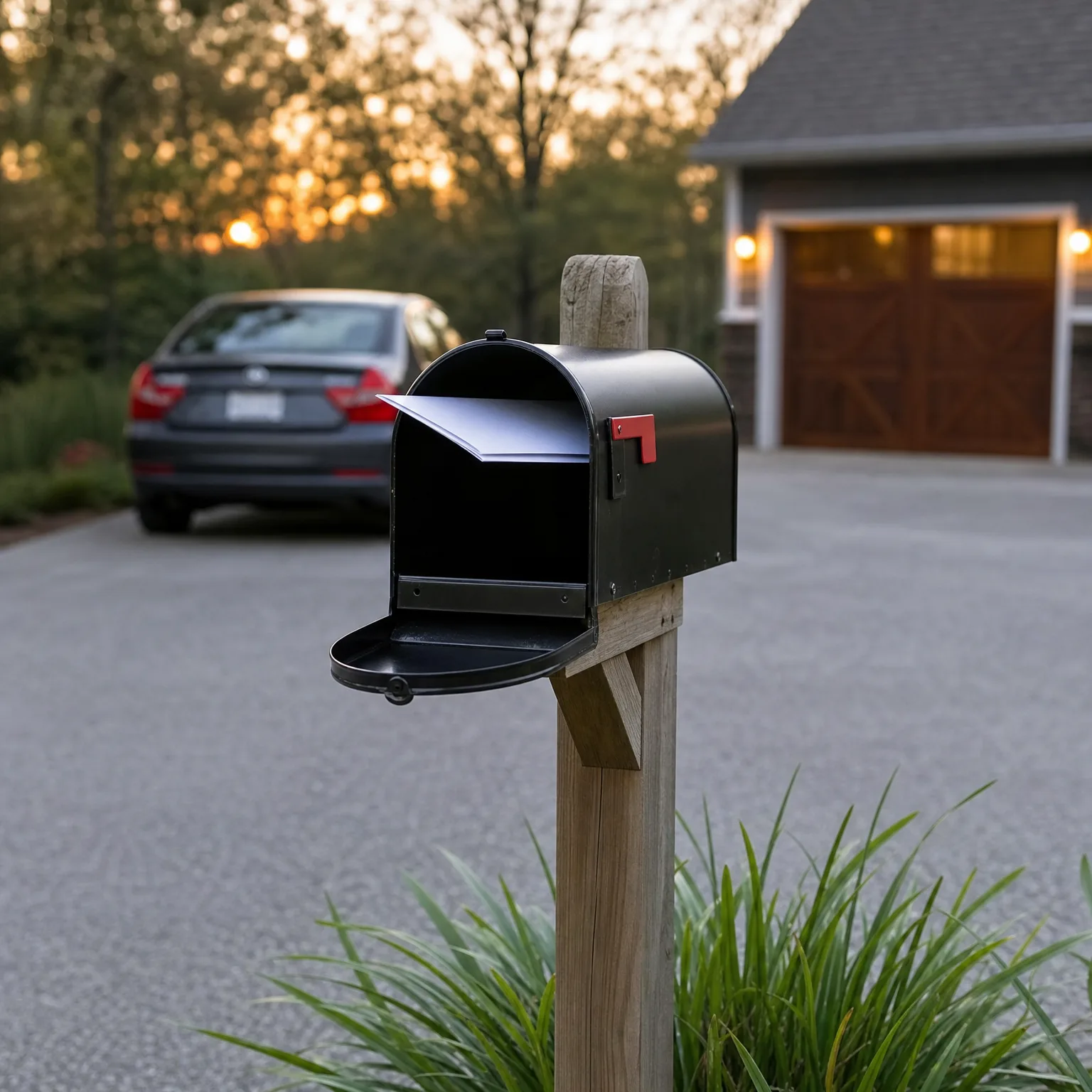
After paying your court fines, request a court clearance letter from the clerk's office in the county where the tickets were issued. This is a one-page document stating your case is resolved and all financial obligations are satisfied. Most clerks provide this immediately at no charge; some counties charge a $5-$10 processing fee.
The court clearance letter serves two purposes. First, it proves to the BMV that your court obligations are satisfied if the automated clearance hasn't posted yet. Second, it gives you a physical document to present at a BMV branch if you need to escalate reinstatement.
Once you have the letter, call the Indiana BMV customer service line at 888-692-6841 and ask whether a court clearance has posted to your driver record for the specific citation numbers. Provide your driver's license number and the case numbers from your court documentation. If BMV shows no clearance on file after 10-15 business days, bring your court clearance letter to a BMV branch in person. The branch can manually input the clearance and process reinstatement the same day, bypassing the automated queue.


BMV Reinstatement Requirements After Unpaid Ticket Suspension
Once BMV confirms your court clearance is on file, you must pay a $250 reinstatement fee to restore your driving privileges. This fee is separate from the court fines you already paid and cannot be waived. Indiana accepts payment online through the mybmv.com portal, by phone, or in person at any BMV branch.
Unpaid ticket suspensions in Indiana do not require SR-22 filing. You do not need to contact an insurance carrier or file proof of financial responsibility unless your suspension also involved an uninsured accident or OWI conviction. Most college students suspended for unpaid tickets only need to clear the court obligation and pay the BMV reinstatement fee.
After payment, BMV issues reinstatement confirmation immediately if processed in person, or within 3-5 business days if processed online. Your license privileges are restored as soon as the reinstatement posts to your driver record. If you hold an out-of-state license but were suspended in Indiana due to tickets issued while attending school here, the reinstatement process is identical—Indiana BMV controls the suspension and must process the reinstatement before your home state will remove any reciprocal holds.

Line Up Coverage Before Your License Comes Back
Get Back on the RoadWhat Happens If You Drive Before BMV Processes Reinstatement
Driving on a suspended license in Indiana is a Class A misdemeanor under IC 9-24-19-2, carrying penalties of up to one year in jail and fines up to $5,000. College students often assume that paying court fines makes it safe to drive immediately. It doesn't. Your license remains legally suspended until BMV processes reinstatement and updates your driver record.
Police officers verify license status through BMV records in real time during traffic stops. If BMV still shows suspension active, you will be arrested regardless of whether you paid your court fines two weeks ago. The court clearance letter is not a substitute for an active license—it's documentation to expedite BMV reinstatement, not proof you're legally allowed to drive.
If you need to drive for work, school, or medical appointments before reinstatement completes, Indiana offers a Probationary License as a restricted driving option. This requires a separate application, proof of employment or educational need, SR-22 filing, and court or BMV approval. Probationary licenses are rarely granted for unpaid ticket suspensions unless the suspension period is lengthy or you face documented hardship. Most students find it faster to complete full reinstatement than to navigate the probationary license process.
How to Prevent Future Suspensions From Unpaid Traffic Tickets
Indiana BMV suspends licenses for unpaid tickets after courts issue failure-to-appear warrants or submit non-payment notices to the state. The suspension is triggered by court action, not by the ticket itself. You can receive a ticket, plead guilty, and request a payment plan without risking suspension as long as you meet the court's payment schedule.
If you receive a ticket in Indiana while attending college, contact the court clerk within 10 days of the citation date to request a court date or payment plan. Most Indiana counties allow payment plans for fines over $200. Missing your court date or ignoring the ticket creates the warrant that triggers BMV suspension.
Once a warrant is issued, you must resolve it in person with the court—BMV cannot lift the suspension until the court clears the warrant and submits official notice. For students attending school far from the county where the ticket was issued, this creates logistical challenges. Some counties allow remote warrant resolution through an attorney or by affidavit, but most require in-person appearance. Plan for travel time and coordinate with the court clerk in advance.
Insurance Requirements After Reinstatement
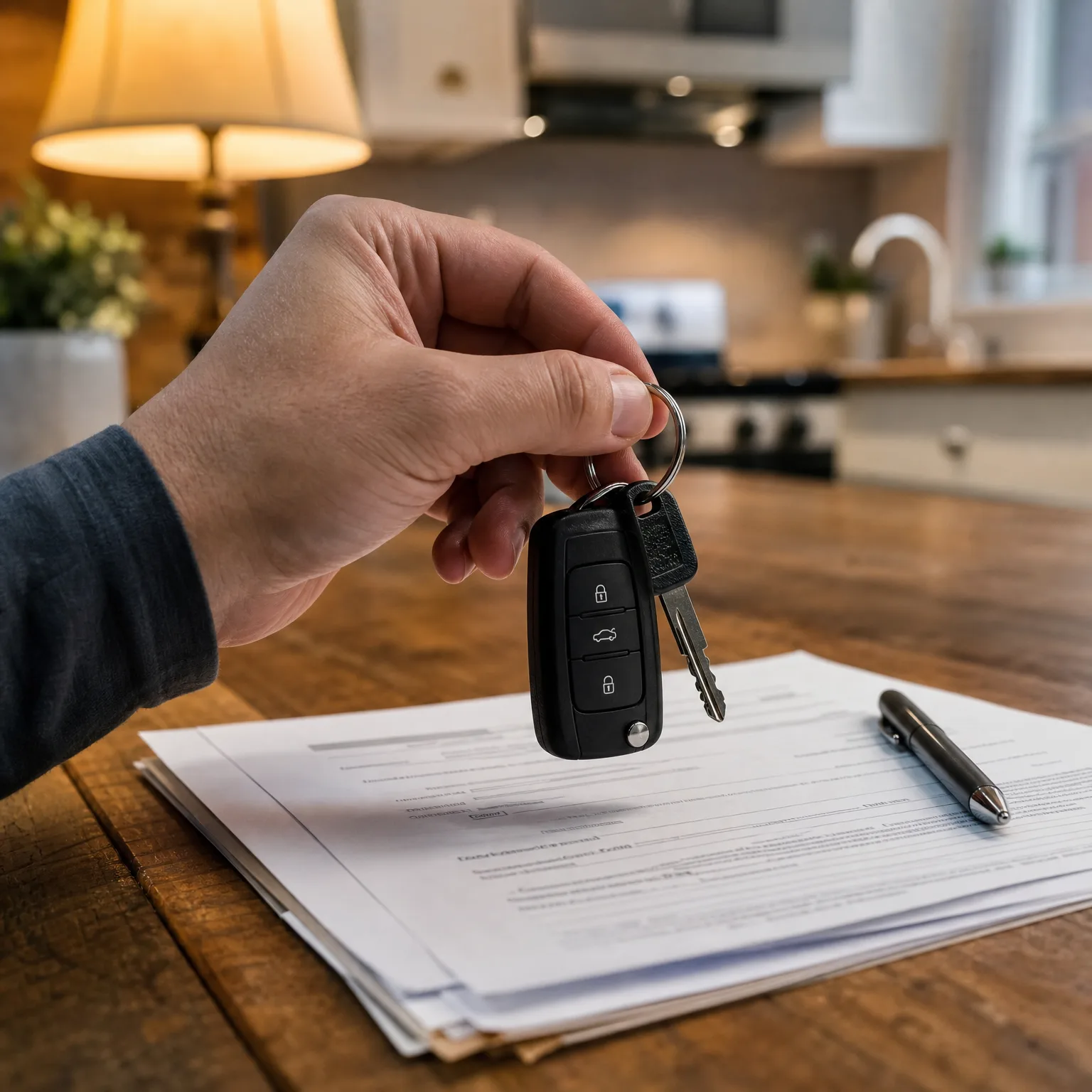
Indiana requires continuous liability insurance for all registered vehicles under IC 9-25-4. If your suspension lasted more than 30 days and you maintained vehicle registration during that period, BMV may flag your record for potential insurance lapse. You do not need SR-22 filing for unpaid ticket suspensions, but you must have active liability coverage before driving again.
If you do not own a vehicle but need to reinstate your license to maintain employment eligibility or meet internship requirements, non-owner liability insurance satisfies Indiana's financial responsibility requirement. Non-owner policies provide liability coverage when you drive vehicles you don't own—rental cars, employer vehicles, or cars borrowed from family. Premiums typically range from $25-$50 per month for drivers with clean records.
If your suspension also involved an uninsured accident or OWI conviction in addition to unpaid tickets, BMV will require SR-22 filing as part of reinstatement. Check your suspension notice or contact BMV at 888-692-6841 to confirm whether SR-22 is required in your case. Most carriers can file SR-22 electronically within 24-48 hours of policy purchase.
Frequently Asked Questions
How long does it take for Indiana court clearance to post to BMV after paying tickets?
Most Indiana counties submit court clearances to BMV within 10-15 business days, but processing can take 30-45 days in high-volume jurisdictions like Marion, Lake, and Allen counties. If your clearance hasn't posted after 15 business days, bring your court clearance letter to a BMV branch in person to expedite manual processing.
Can I reinstate my Indiana license online after paying court fines?
Yes, once BMV confirms your court clearance is on file, you can pay the $250 reinstatement fee through the mybmv.com portal. BMV processes online reinstatements within 3-5 business days. If you need same-day reinstatement, visit a BMV branch in person with your court clearance letter and payment.
Do I need SR-22 insurance to reinstate my license after unpaid ticket suspension in Indiana?
No, unpaid ticket suspensions do not require SR-22 filing in Indiana. You only need SR-22 if your suspension also involved an OWI conviction, uninsured accident, or habitual traffic violator designation. Verify your specific requirements by checking your suspension notice or calling BMV at 888-692-6841.
What happens if I paid my tickets but BMV still shows my license suspended?
Payment satisfies your court obligation but doesn't automatically update BMV records. Request a court clearance letter from the clerk's office where you paid, then call BMV at 888-692-6841 to confirm the clearance posted. If it hasn't, bring the clearance letter to a BMV branch for manual processing.
Can I get a probationary license in Indiana while waiting for court clearance to post?
Indiana offers Probationary Licenses for restricted driving during suspension, but they require SR-22 filing, proof of hardship, and court or BMV approval. For unpaid ticket suspensions, most students find it faster to complete full reinstatement rather than navigate the probationary license application process.
Will an out-of-state license be suspended if I don't pay Indiana traffic tickets?
Yes, Indiana reports unpaid ticket suspensions to your home state through the Driver License Compact. Your home state will typically impose a reciprocal suspension until Indiana BMV confirms reinstatement. You must resolve the Indiana suspension through Indiana BMV and pay the $250 reinstatement fee even if you hold an out-of-state license.
Related Articles
Indiana Child Support Suspension: Court Clearance Timing
5/3/2026

Indiana Lapse Suspension: Court & BMV Timing for Students
5/3/2026

Indiana CDL Reinstatement: Court & BMV Timing for Tickets
5/3/2026

Indiana FTA Warrant: Court Clearance vs BMV Timing
5/3/2026

Indiana Unpaid Tickets Suspension: Student Cost Stack
5/3/2026

Unpaid Tickets Suspension in Indiana: SR-22 & Timing
5/3/2026