
Reinstating Your Illinois License After Unpaid Tickets: The Real Cost
Free to compare
Why Illinois Won't Let You Drive on a Restricted Permit While Tickets Remain Unpaid
Illinois makes a clear procedural distinction: Restricted Driving Permits (RDPs) are not available for suspensions triggered solely by unpaid traffic tickets or tolls. Payment is the only path to reinstatement. The Secretary of State's position is that unpaid-ticket suspensions are administrative enforcement actions, not driving safety sanctions like DUI or points accumulation. RDPs exist to allow limited driving during suspensions that restrict your ability to drive safely or legally—not to bypass financial obligations.
This creates a punishing catch: you can't drive to work, but you need work income to pay the tickets. Single parents face compounding pressure because household logistics (childcare pickup, grocery runs, medical appointments) become unmanageable without a vehicle, yet the state offers no hardship carve-out for unpaid fines.
The SOS will not process reinstatement paperwork until the court or municipality that issued the ticket confirms full payment or satisfactory completion of a court-approved payment plan. Even if you negotiate a plan, your license remains suspended until the plan is completed and the court notifies the SOS. This coordination gap typically adds 10 to 21 days after your final payment clears.

The Three-Layer Cost Structure Most Single Parents Underestimate
Reinstating your Illinois license after an unpaid-ticket suspension requires paying three separate cost layers. Most drivers calculate only the reinstatement fee and find themselves financially stuck mid-process.
Layer 1: Ticket Balance Plus Court Fees. The original ticket amount plus any late penalties, collection fees, or court costs assessed by the municipality. Cook County and surrounding jurisdictions often add administrative fees of $30 to $75 per ticket once the case moves to suspension. If you have multiple tickets from different municipalities, each jurisdiction assesses its own penalties independently. Payment must clear at each court before the SOS receives notification.
Layer 2: Illinois Secretary of State Reinstatement Fee. $70 base reinstatement fee, paid directly to the SOS after court clearances post. This fee is non-negotiable and cannot be waived or included in court payment plans. You pay it at the SOS Driver Services facility when you present proof of ticket payment and apply for reinstatement.
Layer 3: Insurance Premium Increase and Potential SR-22 Filing. If your suspension lasted longer than 30 days or if you were uninsured at the time of suspension, Illinois may require SR-22 filing for three years post-reinstatement. SR-22 itself carries no fee from the state, but carriers classify you as high-risk. Monthly premiums for liability coverage with SR-22 filing typically run $140 to $210 per month in Illinois metro areas, compared to $85 to $115 for standard profiles. Over three years, that premium difference alone adds $1,980 to $3,420 to your total reinstatement cost.

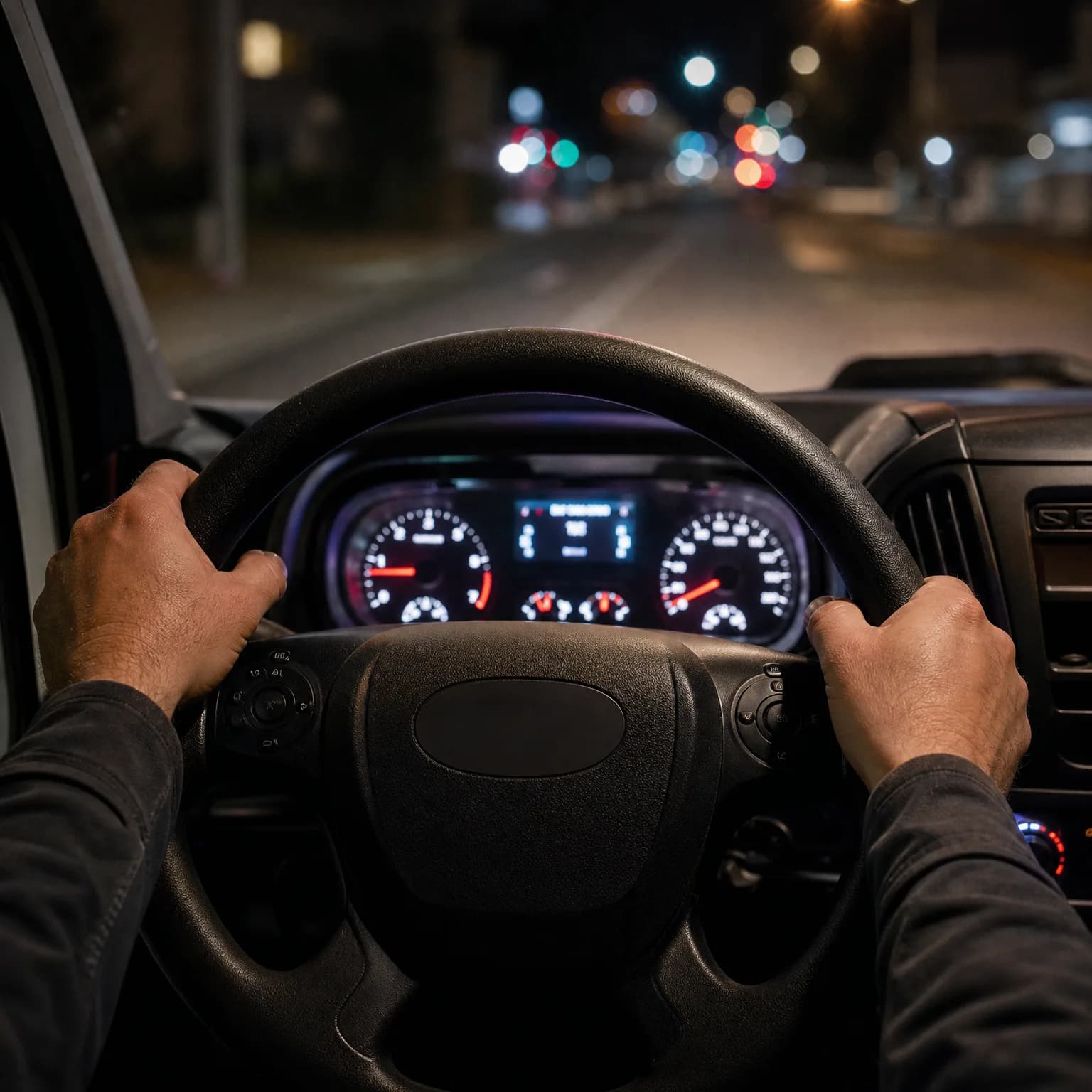
Court Payment Plans: How They Affect Your Timeline and When the SOS Actually Reinstates
Many Illinois courts allow payment plans for unpaid tickets, but the SOS does not reinstate your license until the court confirms plan completion. Entering a payment plan stops additional penalties from accruing, but it does not lift your suspension.
Most municipal courts in Cook, Will, DuPage, and Lake counties structure plans as 3-, 6-, or 12-month agreements with monthly installments. You must make every payment on time. A single missed payment can void the agreement, reinstate collection fees, and extend your suspension indefinitely. The court notifies the SOS only after your final payment clears and the case is marked satisfied.
From final payment to SOS notification typically takes 10 to 21 business days, depending on the municipality's reporting system. The SOS will not process reinstatement paperwork during this gap. If you attempt to pay the $70 reinstatement fee before the court clearance posts, the SOS Driver Services counter will reject your application and you'll need to return once the system updates. This delay is the most common source of frustration for single parents who cleared their balance and expected immediate reinstatement.
When SR-22 Filing Is Required After Unpaid-Ticket Reinstatement
Illinois does not universally require SR-22 filing for unpaid-ticket suspensions, but two specific scenarios trigger the requirement: suspension duration exceeding 30 days and concurrent insurance lapse findings.
If your license was suspended for more than 30 consecutive days due to unpaid tickets, the SOS may impose SR-22 filing as a reinstatement condition. This is discretionary enforcement—some drivers receive SR-22 notices, others do not. The notice arrives with your reinstatement eligibility letter after court clearance posts. You cannot determine SR-22 requirement status until the SOS processes your case.
If the SOS identified an insurance lapse on your vehicle registration during the suspension period, SR-22 filing becomes mandatory under 625 ILCS 5/7-601. Illinois uses an electronic insurance verification system. If your carrier cancelled your policy and reported the lapse to the SOS while your license was suspended, the lapse triggers a separate registration suspension. Reinstating both your license and your registration requires SR-22 proof of financial responsibility for three years.
SR-22 filing itself costs nothing—it is a form your carrier submits to the SOS. The cost comes from the premium increase. Carriers reclassify you as high-risk and raise monthly rates by 40% to 85% over standard profiles. For single parents on tight budgets, this increase is often the most financially damaging component of reinstatement.

Line Up Coverage Before Your License Comes Back
Get Back on the Road
Non-Owner SR-22 Policies: The Lower-Cost Option If You Don't Currently Own a Vehicle
If you don't own a vehicle but need SR-22 filing to reinstate your Illinois license, a non-owner SR-22 policy costs significantly less than standard auto insurance. Non-owner policies provide liability coverage when you drive a borrowed or rented vehicle. They satisfy the SOS SR-22 requirement without insuring a specific car.
Typical monthly premiums for non-owner SR-22 coverage in Illinois range from $55 to $95 per month, compared to $140 to $210 for standard SR-22 auto policies. Over the three-year filing period, a non-owner policy saves $3,060 to $4,140 compared to maintaining coverage on a vehicle you don't drive.
Not all carriers offer non-owner policies. Mainstream carriers like State Farm and Allstate typically decline non-owner SR-22 applications. Non-standard carriers specializing in high-risk filings—Bristol West, The General, National General, Dairyland—write these policies regularly. You apply directly with the carrier or through an independent agent. The carrier files SR-22 with the Illinois SOS within 24 to 72 hours of policy purchase. You receive a confirmation letter showing the filing is active.

The Realistic Total Cost Breakdown for a Single Parent Reinstating After Unpaid Tickets
Assume a single parent in Cook County with three unpaid traffic tickets totaling $450, late fees of $120, a 6-month court payment plan, and SR-22 filing required due to suspension duration exceeding 30 days.
Immediate costs at plan start: First payment installment to court ($95), down payment for non-owner SR-22 policy ($110 to $140). Total upfront: $205 to $235.
During the 6-month payment plan: Five additional monthly court payments ($95 each = $475), five additional monthly insurance premiums ($55 to $95 each = $275 to $475). Total during plan: $750 to $950.
At reinstatement: SOS reinstatement fee ($70). Total at reinstatement: $70.
Post-reinstatement for remaining SR-22 period: 30 months of insurance at $55 to $95/month = $1,650 to $2,850.
Grand total over 3 years: $2,675 to $4,105. This calculation assumes non-owner SR-22 coverage. If you own a vehicle and need standard SR-22 auto insurance, add $1,980 to $3,420 to the total, bringing the realistic range to $4,655 to $7,525.
Most aggregators quote reinstatement costs as "$70 plus ticket balance," omitting the SR-22 layer entirely. For single parents budgeting month-to-month, this omission is financially catastrophic.
What to Do Right Now If Your Illinois License Is Suspended for Unpaid Tickets
Contact the court or municipality that issued the tickets immediately. Request a payment plan if you cannot pay the full balance. Confirm the court's notification process to the SOS—ask how long after final payment the clearance will post and whether you will receive written confirmation.
Once you enter a payment plan, contact a non-standard carrier or independent agent to obtain an SR-22 insurance quote. Do not wait until your final payment clears. If SR-22 is required, the SOS will not reinstate your license until the filing is active. Starting the insurance application process while you're still making ticket payments eliminates the post-payment waiting period.
After your final court payment clears, wait 10 to 21 business days, then check your SOS driving record online at ilsos.gov. Once the suspension shows as cleared, gather proof of ticket payment, proof of SR-22 filing if required, and $70 cash or card payment. Visit your nearest SOS Driver Services facility to pay the reinstatement fee and confirm your license is active. Do not drive until you receive confirmation that your license is reinstated. Driving on a suspended license in Illinois is a Class A misdemeanor under 625 ILCS 5/6-303, carrying fines up to $2,500 and potential jail time.
Frequently Asked Questions
Can I get a hardship license in Illinois while I'm suspended for unpaid tickets?
No. Illinois does not grant Restricted Driving Permits (RDPs) for suspensions caused solely by unpaid traffic tickets or tolls. Payment or completion of a court-approved payment plan is the only path to reinstatement. RDPs are available for DUI, points, and insurance-related suspensions, but not for financial non-compliance.
How long does it take for the Illinois Secretary of State to reinstate my license after I pay my tickets?
The court or municipality must notify the Illinois SOS that your balance is paid or your payment plan is complete. This notification typically takes 10 to 21 business days after your final payment clears. The SOS will not process reinstatement until the court clearance posts to their system.
Do I need SR-22 insurance to reinstate my Illinois license after unpaid tickets?
It depends. If your suspension lasted more than 30 days or if the SOS identified an insurance lapse during your suspension period, SR-22 filing is typically required for three years post-reinstatement. You won't know for certain until the SOS processes your case after court clearance posts.
What happens if I miss a payment on my court payment plan for unpaid tickets?
Most Illinois courts void the payment plan after a single missed payment, reinstate collection fees, and extend your suspension indefinitely. You must restart negotiations with the court and your suspension remains active until a new plan is approved and completed.
Can I drive in Illinois while I'm making payments on my ticket balance?
No. Your license remains suspended until the court confirms plan completion and the SOS processes reinstatement. Driving on a suspended license in Illinois is a Class A misdemeanor under 625 ILCS 5/6-303, punishable by fines up to $2,500 and potential jail time.
How much does non-owner SR-22 insurance cost in Illinois if I don't have a car?
Non-owner SR-22 policies in Illinois typically cost $55 to $95 per month. Over the three-year filing period, this totals $1,980 to $3,420, which is significantly less expensive than standard SR-22 auto insurance if you don't currently own a vehicle.
Related Articles
IL Unpaid Tickets Suspension: Single Parent RDP Rules
5/3/2026
Illinois Unpaid Ticket Suspension Costs for Students
5/3/2026

IL Unpaid Ticket Suspension: RDP & SR-22 for Rideshare
5/3/2026

IL Unpaid Ticket Reinstatement Costs for Rideshare
5/3/2026

IL Unpaid Ticket Suspension: SR-22 Timing & Requirements
5/3/2026
IL CDL Suspended for Unpaid Tickets: Reinstatement Cost
5/3/2026