
Unpaid Ticket Suspension in Florida: Court Clearance vs DMV Timing
Free to compare
Why Your License Still Shows Suspended After You Paid the Court
Paying your outstanding tickets at the Alachua County Clerk or Orange County traffic window clears your obligation to the court. It does not clear your driver license suspension. Florida courts and DHSMV operate separate record systems with no real-time data bridge. The court updates its case management database when you pay. DHSMV updates its driver license database when you file a reinstatement application and pay the $60 reinstatement fee under Florida Statutes § 322.251.
Most college students assume the courthouse payment automatically notifies DHSMV and restores driving privileges within 24–48 hours. That assumption costs them two to four weeks of continued suspension because DHSMV never receives court payment records unless you submit them manually. The court clerk stamps your receipt "paid in full" but does not forward that receipt to DHSMV on your behalf.
You must carry proof of ticket resolution to a DHSMV service center, submit the reinstatement application, and pay the $60 fee before your driving privilege is restored. DHSMV processes reinstatements within 7 business days after receiving complete documentation, but only after you initiate the request. If you paid the court Monday and wait for DHSMV to notice, you will still be suspended a month later.
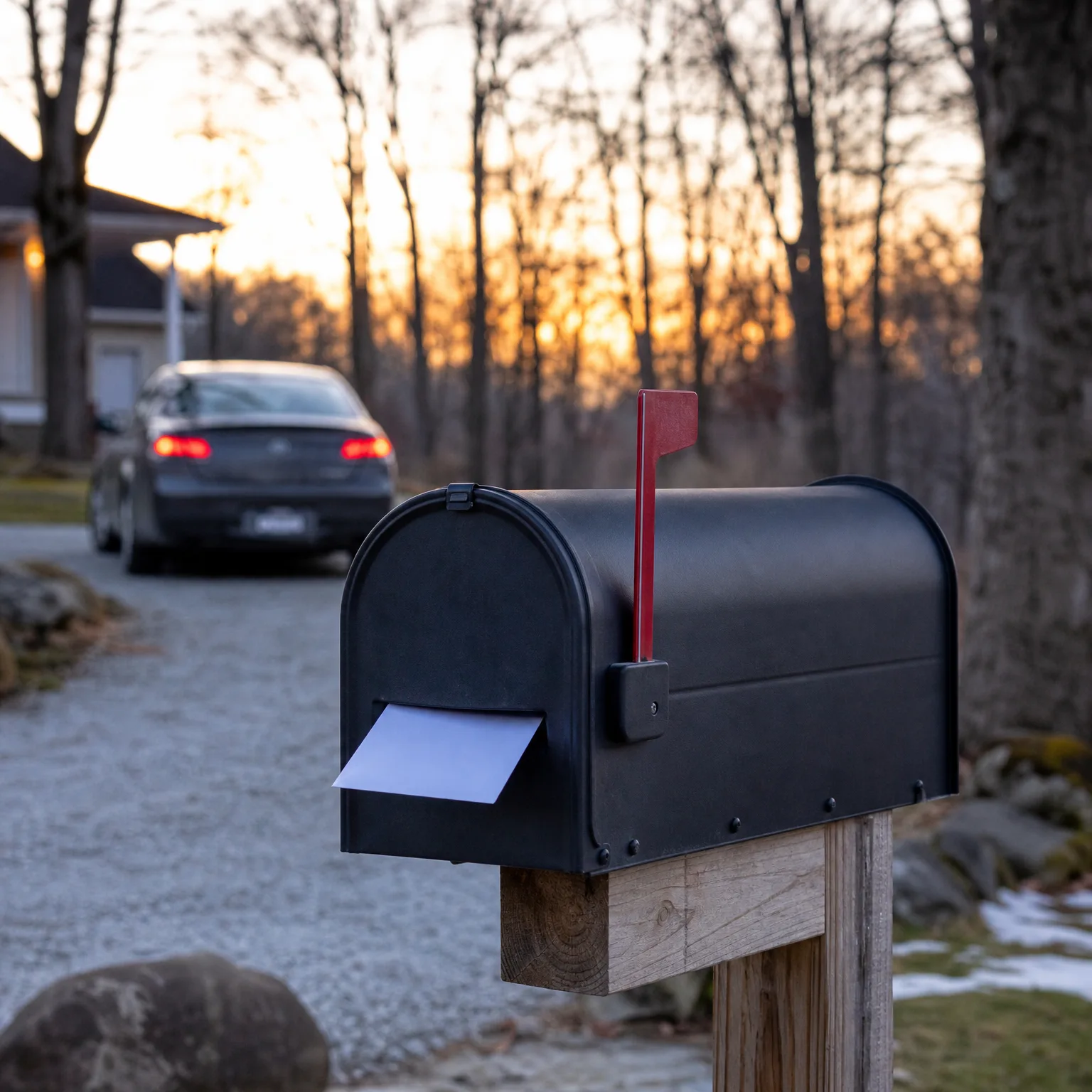
What DHSMV Actually Needs to Process Your Reinstatement
DHSMV requires three items before it will restore your license after an unpaid-ticket suspension: court disposition documentation proving all tickets are resolved, payment of the $60 reinstatement fee, and a completed DHSMV reinstatement application form. The court disposition is the critical piece college students miss. Paying your ticket does not generate this document automatically.
You must request a certified disposition or payment receipt from the clerk of court where each ticket was issued. If your tickets originated in Tallahassee, Gainesville, and Tampa, you need separate dispositions from Leon County, Alachua County, and Hillsborough County clerks. DHSMV will not process your reinstatement until every outstanding ticket shows resolved in writing. One missing disposition holds the entire application.
The reinstatement application is available at any DHSMV service center or online at flhsmv.gov. You cannot complete reinstatement entirely online for unpaid-ticket suspensions because DHSMV requires physical review of court documents. Budget 45–90 minutes at the service center for document review, fee payment, and record update. Bring a debit card or cash—DHSMV accepts both but some locations do not accept credit cards for reinstatement fees.


The Timeline Gap Between Court Payment and DHSMV Clearance
The fastest possible reinstatement after paying your last unpaid ticket takes 7 business days if you walk into DHSMV the same afternoon with certified court dispositions. Most college students take 21–30 days because they request dispositions by mail, wait for clerks to process the request, then mail documents to DHSMV instead of appearing in person.
Court clerks in Florida are not required to expedite disposition requests for license reinstatement purposes. Standard mail turnaround for a certified disposition is 10–14 business days in Leon County and Orange County. Smaller county clerks run slower—Flagler County and Columbia County disposition requests can take 21 days. If you submit your reinstatement application before all court records arrive, DHSMV returns the application as incomplete and you restart the 7-day processing clock.
In-person requests at the clerk's office produce same-day dispositions in most Florida counties. Walk to the traffic division, provide your case number and ID, and request a certified disposition showing the ticket resolved. The clerk prints and certifies the document while you wait. This eliminates two weeks of mail float and lets you proceed directly to DHSMV the same day. For college students without a vehicle during suspension, ride-sharing to the courthouse and DHSMV in sequence on the same day costs $40–$60 but saves three weeks of waiting for mailed documents.

Line Up Coverage Before Your License Comes Back
Get Back on the RoadInsurance Requirements for Unpaid Ticket Reinstatement in Florida
Florida does not require SR-22 or FR-44 financial responsibility filings for unpaid-ticket suspensions. Your suspension resulted from failure to pay or appear, not from a driving violation that triggered insurance compliance monitoring. You are not legally required to carry insurance during the suspension period if you do not own a registered vehicle.
If you do own a vehicle with an active Florida registration, you must maintain continuous PIP and property damage liability coverage under Florida's no-fault insurance law. Letting that coverage lapse while your license is suspended triggers a separate insurance-lapse suspension on top of your unpaid-ticket suspension. DHSMV stacks these suspensions and requires separate reinstatement fees for each.
Once your license is reinstated, standard liability insurance is sufficient if you drive a personal vehicle. If you do not own a vehicle but need proof of insurance to rent cars or borrow a family member's vehicle, a non-owner liability policy provides continuous coverage without requiring vehicle registration. Premiums for non-owner policies in Florida typically run $30–$50 per month for minimum liability limits, significantly less than insuring a registered vehicle.

What Happens If You Drive Before DHSMV Processes Reinstatement
Driving on a suspended license in Florida is a criminal offense under Florida Statutes § 322.34. A first conviction for driving while license suspended (DWLS) with knowledge of the suspension is a second-degree misdemeanor carrying up to 60 days in jail, a $500 fine, and an additional license suspension period. College students cited for DWLS during the gap between court payment and DHSMV reinstatement face this charge even though they resolved the underlying tickets.
Law enforcement officers verify license status through the Florida Crime Information Center (FCIC) database during traffic stops. FCIC pulls data from DHSMV records, not court records. If DHSMV shows your license suspended, the officer issues a DWLS citation regardless of whether you paid your tickets yesterday. Your court receipt is not a defense to the DWLS charge because the statute criminalizes driving while DHSMV records show suspension, not driving while tickets remain unpaid.
A DWLS conviction adds 2 years to your total suspension period under Florida's habitual traffic offender provisions if you accumulate three DWLS convictions within 5 years. The additional suspension cannot be cleared until you complete the full 2-year period, and DHSMV will not issue a hardship license during a DWLS-triggered suspension. The safest approach is to treat your license as suspended until you receive written confirmation from DHSMV that your driving privilege is restored—typically a printed receipt from the service center or an updated license status page on the DHSMV website showing "valid" next to your license number.

Coordinating Multiple County Tickets and Out-of-State Holds
Florida college students frequently accumulate unpaid tickets in multiple counties—parking violations near campus in Alachua County, a speeding ticket during spring break in Volusia County, and a red-light camera citation in Miami-Dade County. DHSMV suspends your license when any Florida court reports failure to pay or appear, but reinstatement requires clearing every outstanding ticket statewide.
DHSMV's driver license check system flags all open suspensions before processing reinstatement. If you resolve two tickets but leave a third unresolved in a different county, your reinstatement application is denied and the $60 fee is forfeited. You must request a complete suspension reason report from DHSMV before paying any court fees to identify every outstanding ticket by case number, county, and court division. This report is available free at any DHSMV service center or by calling the reinstatement unit at (850) 617-2000.
Out-of-state license holds create additional complications. If you moved to Florida from Georgia, North Carolina, or Alabama with an unpaid ticket still on your prior state's record, that state may have reported the suspension to the National Driver Register. Florida honors out-of-state suspensions under the Driver License Compact. You cannot reinstate your Florida license until the originating state clears its hold, which requires paying the out-of-state ticket and requesting that state's DMV to transmit clearance to Florida. This process adds 14–30 days to your Florida reinstatement timeline and requires coordination with two separate state agencies. Georgia and Alabama transmit clearances electronically within 7–10 business days. North Carolina still uses mail for some clearance notices, extending the timeline to 21 days.
Frequently Asked Questions
How long does Florida DHSMV take to reinstate my license after I pay unpaid tickets?
DHSMV processes reinstatements within 7 business days after you submit complete court disposition documents and pay the $60 reinstatement fee. Paying the court does not start this timeline—you must file a separate reinstatement application at a DHSMV service center with certified proof that all tickets are resolved. Most delays occur because students wait for mailed dispositions instead of requesting them in person at the clerk of court.
Do I need SR-22 insurance to reinstate my Florida license after unpaid ticket suspension?
No. Florida does not require SR-22 or FR-44 filings for unpaid-ticket suspensions because the suspension resulted from failure to pay or appear, not from a driving violation. Standard liability insurance is sufficient once your license is reinstated. If you do not own a vehicle, a non-owner liability policy provides continuous coverage without requiring vehicle registration.
Can I get a hardship license in Florida while my license is suspended for unpaid tickets?
No. Florida's Business Purpose Only License is not available for unpaid-ticket suspensions under Florida Statutes § 322.271. The statute limits hardship eligibility to DUI suspensions, points-related suspensions, and certain uninsured motorist violations. Unpaid tickets must be resolved and full reinstatement completed before you can legally drive.
What happens if I have unpaid tickets in multiple Florida counties?
You must resolve every unpaid ticket in every county before DHSMV will process reinstatement. DHSMV's system flags all open suspensions statewide, and leaving one ticket unresolved in any county denies your entire reinstatement application. Request a complete suspension reason report from DHSMV before paying any court to identify all outstanding tickets by case number and county.
Will paying my ticket online clear my Florida license suspension automatically?
No. Paying the ticket clears your court obligation but does not notify DHSMV or restore your driving privilege. You must submit a separate reinstatement application to DHSMV with certified court disposition documents proving all tickets are resolved, then pay the $60 reinstatement fee. DHSMV and Florida courts do not share real-time records—manual filing is required.
Can I reinstate my Florida license online after paying unpaid tickets?
No. Unpaid-ticket reinstatements require in-person document review at a DHSMV service center because DHSMV must verify certified court dispositions showing all tickets resolved. Online reinstatement is available only for insurance-lapse suspensions and certain administrative holds, not for court-related suspensions. Budget 45–90 minutes at the service center for the reinstatement process.
What is the reinstatement fee for unpaid ticket suspension in Florida?
$60 under Florida Statutes § 322.251. This fee is separate from and in addition to any fines, court costs, or late fees you pay to resolve the underlying tickets. If you have multiple stacked suspensions—for example, unpaid tickets plus an insurance lapse—you pay separate reinstatement fees for each suspension type.
Related Articles
FL Unpaid Tickets: Court Clearance to DHSMV Timeline
5/3/2026

Florida Unpaid Ticket Suspension: SR-22 Filing Timing
5/3/2026

FL CDL Reinstatement: Court Clearance & DHSMV Timing
5/3/2026

FL CDL Reinstatement After Unpaid Tickets: No SR-22
5/3/2026

Reinstate FL License After Unpaid Tickets: Single Parents
5/3/2026

FL Ticket Suspension Reinstatement Cost for Students
5/3/2026