
Colorado Rideshare SR-22: Filing Timing for Unpaid Tickets
Free to compare
Does Colorado require SR-22 filing for unpaid ticket suspensions?
No. Colorado DMV does not require SR-22 filing to reinstate a license suspended for unpaid traffic tickets. The reinstatement process requires payment of outstanding fines and penalties, a $95 reinstatement fee, and proof of current liability insurance—but not SR-22 specifically.
This creates a problem for rideshare drivers. Uber and Lyft conduct annual background and MVR checks. A suspended license—even one reinstated without SR-22—triggers platform deactivation in most markets. Reactivation requires demonstrating financial responsibility, which platform risk departments interpret differently than state DMV offices.
Most Colorado rideshare drivers suspended for unpaid tickets file SR-22 anyway, not because DMV requires it, but because platform reactivation teams request proof of continuous coverage and high-risk endorsement as a condition of returning to the platform. This isn't a legal requirement. It's a contractual platform policy that varies by market and individual case review.

What happens if you reinstate without SR-22 but need platform reactivation?
You can reinstate your Colorado driver's license, pass a DMV record check, and still remain deactivated on rideshare platforms. Platform reactivation is a separate process from state reinstatement, and the two don't automatically sync.
Uber and Lyft require continuous coverage verification after suspension. If your suspension created a coverage lapse—even a brief one—the platform's risk algorithm flags your account. Reactivation support teams often request SR-22 or equivalent high-risk certification as evidence you've secured continuous coverage post-reinstatement, regardless of what DMV requires.
The timing gap matters. If you reinstate with DMV on Monday but don't address platform requirements until the following week, you lose another seven days of earnings. Most drivers discover the platform's separate documentation requirement only after DMV reinstatement is complete, forcing them to refile insurance paperwork and wait for platform compliance review.


How Colorado's unpaid ticket suspension process creates coverage gaps
Colorado suspends licenses for unpaid tickets through a multi-stage administrative process. First notice typically arrives 30 days after the missed payment deadline. If you don't pay or arrange a payment plan within the notice period, DMV issues a suspension order. The suspension remains in effect until all fines, penalties, and the $95 reinstatement fee are paid.
During suspension, many drivers cancel auto insurance to reduce expenses. Colorado does not require maintaining coverage during suspension if you're not driving. Canceling coverage is legal—but it triggers the lapse that platforms flag.
When you reinstate, DMV requires proof of current insurance at the time of reinstatement, not continuous coverage during suspension. You can purchase a new policy the day before reinstatement and satisfy DMV. But rideshare platforms track coverage history through their own verification systems, separate from state databases. A 60-day or 90-day gap in coverage during suspension shows up in platform background checks as a red flag, even after legal reinstatement.

Line Up Coverage Before Your License Comes Back
Get Back on the RoadWhen SR-22 filing helps rideshare reactivation even when not legally required
SR-22 filing establishes continuous coverage monitoring. Your insurer files SR-22 with Colorado DMV, which creates an electronic notification system. If your policy lapses, DMV receives automatic notice within 10 days. If your policy remains active, DMV receives confirmation of ongoing compliance.
Rideshare platforms interpret SR-22 filing as a credible signal that you've addressed the underlying coverage issue. Even when Colorado DMV doesn't require it for ticket suspensions, filing SR-22 voluntarily can shorten platform reactivation timelines because it shifts verification burden from the driver to the insurer and state.
The cost difference is significant. Standard liability coverage in Colorado for rideshare drivers typically runs $140–$190 per month. Adding SR-22 filing increases premiums by $25–$50 per month for the first year. Over a typical three-year filing period required by other suspension types, that's $900–$1,800 in additional premium costs. For ticket suspensions, you're not legally required to carry SR-22 for three years—but platform policies may effectively impose that timeline to maintain platform access.
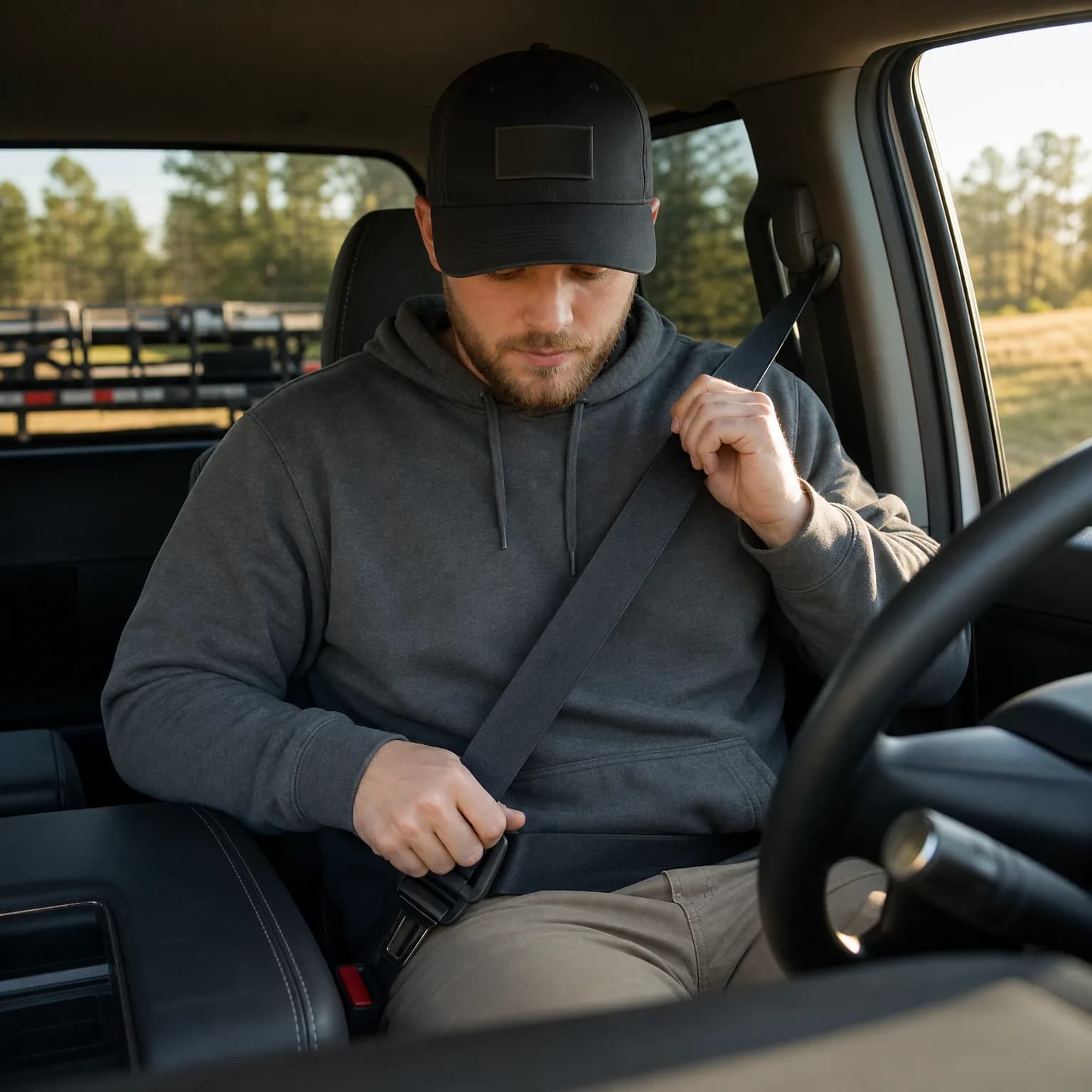
Coordinating DMV reinstatement with platform reactivation requirements
Pay all outstanding fines and the $95 reinstatement fee at Colorado DMV first. Obtain a current copy of your driving record showing reinstatement status. This document proves your license is valid again, which is step one for platform reactivation.
Before contacting platform support, secure liability insurance that meets Colorado minimums: $25,000 per person and $50,000 per incident for bodily injury, plus $15,000 for property damage. If you maintained coverage during suspension, request a letter of continuous coverage from your insurer. If you didn't, consider whether filing SR-22 voluntarily will accelerate reactivation.
Submit reinstatement documentation to the platform's driver support or compliance team immediately after DMV reinstatement. Include your updated MVR, proof of insurance, and any SR-22 certificate if you filed one. Platform review timelines vary—typically 5 to 10 business days—but delays extend when documentation is incomplete or when the platform requests additional proof of financial responsibility after initial submission.

What unpaid ticket reinstatement costs rideshare drivers in Colorado
Reinstatement fees start at $95 for the DMV administrative fee. Outstanding ticket fines vary by violation type and jurisdiction—minor traffic infractions typically range from $75 to $300 per ticket, while more serious violations can exceed $500. Late fees and court costs add 20 to 40 percent to the original fine amount in most Colorado counties.
If you file SR-22 to satisfy platform requirements, expect insurance premium increases of $25–$50 per month initially, declining over time as the filing ages. Non-owner SR-22 policies—appropriate if you don't own a vehicle and only drive for rideshare platforms—cost less than standard policies but still carry the SR-22 premium surcharge.
Lost earnings during suspension and reactivation delay are the largest cost. A driver earning $800 per week loses $3,200 during a four-week suspension and reactivation period. Coordinating DMV reinstatement and platform reactivation in parallel, rather than sequentially, cuts this window by one to two weeks in most cases.
Frequently Asked Questions
Can I drive for Uber or Lyft in Colorado with a suspended license?
No. Both platforms deactivate drivers immediately upon discovering a suspended license during routine background checks. You cannot accept trips or earn income until your license is reinstated and your platform account is reactivated through their compliance review process.
How long does Colorado rideshare reactivation take after reinstatement?
Platform reactivation typically takes 5 to 10 business days after you submit proof of reinstatement and current insurance. Delays occur when the platform requests additional documentation or when SR-22 filing status needs manual verification.
Do I need to keep SR-22 for three years if Colorado didn't require it?
Legally, no—Colorado does not mandate SR-22 for unpaid ticket suspensions. However, rideshare platforms may request continuous SR-22 filing as a condition of maintaining platform access. Check your reactivation approval letter for specific requirements.
What happens if my insurance lapses while driving for rideshare in Colorado?
Your insurer notifies Colorado DMV within 10 days if you filed SR-22. DMV suspends your license again, and the platform deactivates your account. You'll need to reinstate a second time, pay another $95 fee, and restart the platform reactivation process.
Can I use rideshare platform insurance to satisfy Colorado reinstatement requirements?
No. Uber and Lyft provide commercial coverage only while you're logged into the app and on a trip. Colorado DMV requires personal liability insurance in your name for reinstatement, separate from platform-provided coverage.
Will paying off tickets immediately lift my Colorado suspension?
Not immediately. Colorado DMV processes reinstatement requests after payment is verified, which typically takes 3 to 5 business days. You must also pay the $95 reinstatement fee and provide proof of insurance before your license is legally reinstated.
Related Articles
Colorado Child Support SR-22 for Rideshare Drivers
5/3/2026

Utah Rideshare SR-22 After Unpaid Ticket Suspension
5/3/2026

Colorado Rideshare Lapse Reinstatement Costs Explained
5/3/2026
Colorado Rideshare SR-22 After Lapse Suspension
5/3/2026
CT Unpaid Tickets Suspension: SR-22 Timing for Rideshare
5/3/2026

KY Rideshare Drivers: Unpaid Ticket Suspension Reinstatement
5/3/2026