
Colorado CDL Holders: Ticket Suspension SR-22 Timing & Lapse Gaps
Free to compare
Why Your CDL Stays Suspended After You Pay the Tickets
Paying your traffic tickets clears the court debt but does not automatically reinstate your Colorado driver's license or your CDL. Colorado's DMV operates on a three-step clearance process: the court must mark your case as resolved, that resolution must transmit to the DMV's central records system, and only then does your license become eligible for reinstatement. For CDL holders, this creates a dual-track problem—your personal Class D license and your commercial Class A/B license follow separate reinstatement timelines, and clearing one does not automatically clear the other.
Most CDL holders assume that once they pay the unpaid tickets that triggered the suspension, their CDL is immediately available. Colorado statute does not work this way. The DMV will not process your CDL reinstatement application until your personal license shows active, compliant status in their system. If your personal license suspension required SR-22 filing (common for multiple unpaid tickets, failure-to-appear cases, or point accumulation suspensions), you must file SR-22 and pay the $95 base reinstatement fee before the CDL becomes eligible. The court payment and the DMV reinstatement are separate actions with separate fees and separate timelines.
The gap between ticket payment and DMV clearance posting ranges from 7 to 21 business days in most Colorado counties. During that window, your license status still shows suspended in the DMV system even though the court considers your case resolved. If you attempt to reinstate your CDL during this gap, the DMV will deny the application because the underlying personal license suspension has not cleared. This is the first documentation gap that extends CDL disqualification unnecessarily.
Does Colorado Require SR-22 for Unpaid Ticket Suspensions
Colorado does not universally require SR-22 filing for unpaid ticket suspensions, but the requirement depends on what triggered the ticket suspension in the first place. If your suspension was purely administrative—failure to pay fines with no underlying insurance lapse, DUI, or point accumulation—SR-22 is typically not required. However, if the unpaid tickets accumulated points that triggered a separate point-based suspension, or if one of the tickets was for driving uninsured or without proof of insurance, the DMV will require SR-22 as a condition of reinstatement.
CDL holders face stricter scrutiny. Colorado's DMV reviews your full driving record at reinstatement, not just the immediate suspension trigger. If your record shows any insurance-related violations within the past three years, any DUI/DWAI convictions, or any habitual traffic offender designations, the DMV may impose SR-22 as a reinstatement condition even if the unpaid ticket suspension itself did not require it. This is a discretionary review process, not a published rule, and it creates uncertainty for CDL applicants who assume their reinstatement will be straightforward.
The safest approach: call the Colorado DMV Driver Services line at 303-205-5600 before paying your tickets and ask whether your specific suspension will require SR-22 at reinstatement. Provide your driver's license number and ask them to review your record. If SR-22 is required, you need to coordinate filing timing with ticket payment and DMV clearance posting to avoid the lapse-gap problem described below.
The Lapse-Gap Problem: Filing SR-22 Before DMV Clearance Posts
Here is the sequence error that extends CDL suspensions by 30 to 60 days: drivers pay their tickets, immediately contact an insurance carrier to file SR-22, and submit their reinstatement application to the DMV before the court's ticket clearance has posted to the DMV's central records system. The DMV receives the SR-22 filing while your license still shows an active suspension for unpaid tickets. Because the suspension has not cleared, the DMV cannot process the SR-22 filing as a valid reinstatement document. The SR-22 sits in pending status.
When the court clearance finally posts 7 to 21 days later, the DMV does not automatically reconcile the pending SR-22 with the newly cleared suspension. You must resubmit the reinstatement application, pay the $95 fee again in some cases, or wait for a manual review process that adds another 15 to 30 business days. Some CDL holders discover this only when they attempt to schedule their CDL skills retest and the DMV system still shows their CDL as disqualified.
The correct sequence: pay your tickets at the court, wait 10 business days for clearance to post to the DMV (verify by calling DMV Driver Services or checking your online myDMV account at mydmv.colorado.gov), confirm that your suspension status has changed from active to eligible-for-reinstatement, then contact your carrier to file SR-22. Only after the SR-22 filing confirms and the DMV processes it (another 3 to 5 business days) should you submit your CDL reinstatement application. This sequence eliminates the lapse-gap and prevents the SR-22 from arriving before the DMV is ready to accept it.
CDL Disqualification vs Personal License Suspension: They Don't Clear Simultaneously
Colorado treats your personal driver's license and your CDL as separate credentials with separate reinstatement processes. Clearing your personal license suspension does not automatically reinstate your CDL. Federal Motor Carrier Safety Administration regulations require that CDL holders maintain a clean personal driving record as a condition of holding the commercial credential. Any suspension of your personal license—whether for unpaid tickets, DUI, points, or insurance lapse—triggers an automatic CDL disqualification under Colorado statute C.R.S. Title 42, Article 2.
Once your personal license is reinstated, you must submit a separate CDL reinstatement application to the Colorado DMV. This application requires proof of current medical certification (valid DOT medical card), proof of current insurance (SR-22 if required), payment of the CDL reinstatement fee (separate from the $95 personal license reinstatement fee), and in some cases retesting on the CDL knowledge and skills exams depending on how long your CDL was disqualified. If your CDL was disqualified for more than one year, Colorado requires you to retest on all CDL endorsements you previously held.
The timing gap between personal license reinstatement and CDL reinstatement ranges from 10 to 45 business days depending on whether retesting is required and how quickly you can schedule skills test appointments. During this period, you cannot legally operate a commercial vehicle even if your personal license shows active status. Employers often terminate CDL holders during this gap because the driver cannot fulfill job duties. Understanding this dual-track process is critical for CDL holders planning their reinstatement timeline.

Line Up Coverage Before Your License Comes Back
Get Back on the Road
Early Reinstatement Options for CDL Holders: Colorado's Probationary License Program
Colorado offers an Early Reinstatement / Probationary License program under C.R.S. § 42-2-132.5 that allows restricted driving during certain suspension periods. For CDL holders suspended due to unpaid tickets, this program is available but comes with restrictions that make it impractical for commercial driving. The probationary license restricts driving to necessary purposes only: home to work, work to home, medical appointments, court-ordered programs, and school. It does not permit commercial driving, interstate travel, or operation of vehicles over 26,001 pounds GVWR.
The application process requires proof of SR-22 insurance, documentation of employment or school enrollment, and a $95 application fee paid to the DMV. For DUI-related suspensions (which sometimes co-occur with unpaid ticket suspensions if the tickets stem from a DUI arrest), Colorado requires ignition interlock device installation before the probationary license is issued. The IID requirement does not apply to most unpaid ticket suspensions unless a DUI conviction appears on your record within the suspension period.
For CDL holders whose job requires commercial driving, the probationary license does not restore your ability to work. It allows you to drive a personal vehicle for limited purposes but does not reinstate your CDL or authorize commercial operation. The practical value for CDL holders is limited to maintaining basic personal mobility during the suspension period while you work through the full reinstatement process. Most CDL employers will not accept a probationary license as proof of eligibility to drive commercially.
What to Do About Insurance: SR-22 Filing for Non-Owner Policies
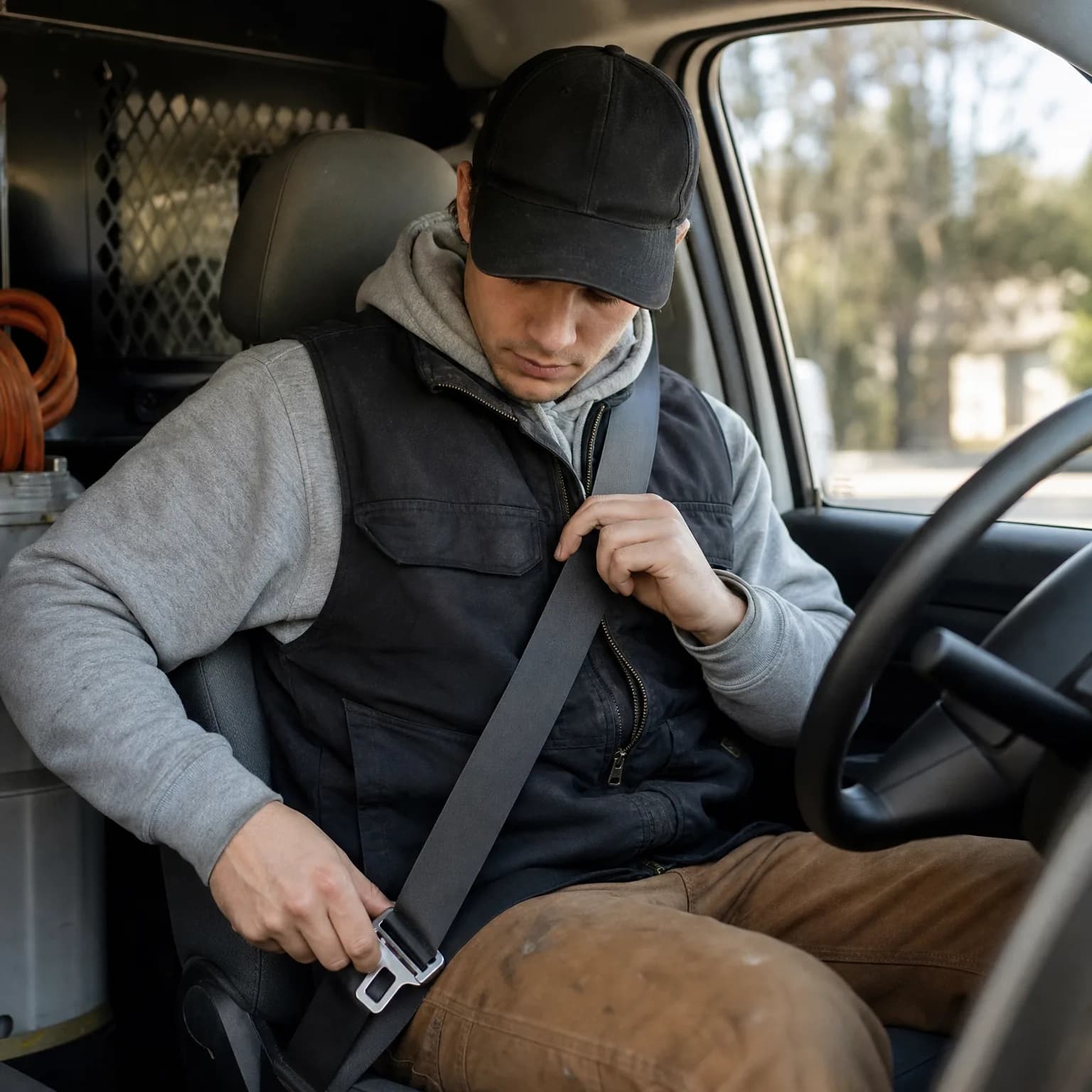
If you do not currently own a vehicle, you can satisfy Colorado's SR-22 requirement with a non-owner SR-22 policy. This policy provides liability coverage when you drive a vehicle you do not own—for example, a company truck, a rental vehicle, or a vehicle borrowed from a friend or family member. For CDL holders who drive employer-owned commercial vehicles, the non-owner SR-22 is often the most cost-effective option because it does not require insuring a personal vehicle you may not have.
Non-owner SR-22 policies in Colorado typically cost $40 to $70 per month for drivers with clean records aside from the suspension. For CDL holders with additional violations (DUI, multiple tickets, at-fault accidents), monthly premiums range from $90 to $160. The SR-22 filing fee is usually $25 to $50, charged once at policy inception. Colorado requires SR-22 filing for a minimum of three years for most insurance-related suspensions. If your SR-22 policy lapses at any point during the required filing period, your carrier is legally required to notify the DMV, and the DMV will suspend your license again immediately.
If you already own a vehicle, you must add SR-22 endorsement to your existing auto insurance policy. Not all carriers offer SR-22 filing. If your current carrier does not, you will need to switch to a carrier that specializes in high-risk or non-standard auto insurance. Carriers that commonly file SR-22 in Colorado include Bristol West, The General, Direct Auto, and Progressive. Shop quotes from at least three carriers before committing—SR-22 premiums vary by 40% or more for the same coverage and driver profile.
Coordinating Ticket Payment, SR-22 Filing, and CDL Reinstatement
The correct reinstatement sequence for Colorado CDL holders suspended for unpaid tickets requires coordinating three separate entities: the court where you owe fines, the insurance carrier who files your SR-22, and the Colorado DMV who processes your reinstatement. Misordering these steps creates processing delays that extend your CDL disqualification.
Step one: pay all outstanding traffic fines and fees at the court that issued the tickets. Obtain a receipt showing payment in full and a case disposition showing the case is closed. If your tickets were issued in multiple counties, you must pay each court separately. Step two: wait 10 business days for the court payment to post to the DMV's central records system. Verify clearance by calling DMV Driver Services at 303-205-5600 or logging into your myDMV account at mydmv.colorado.gov and checking your suspension status. Your status should change from active suspension to eligible for reinstatement. Step three: contact an SR-22 carrier and request SR-22 filing. Provide your driver's license number, the suspension start date, and the suspension reason. The carrier will file SR-22 electronically with the Colorado DMV within 24 to 48 hours. Step four: wait 3 to 5 business days for the DMV to process the SR-22 filing and update your license record. Step five: submit your personal license reinstatement application and pay the $95 reinstatement fee. Step six: once your personal license shows active status, submit your CDL reinstatement application, provide proof of current DOT medical certification, and schedule any required retesting.
This sequence eliminates the lapse-gap problem and ensures the DMV receives each document in the order their system expects. Rushing any step or filing out of sequence creates processing conflicts that delay your CDL reinstatement by weeks.
Frequently Asked Questions
Can I drive commercially in Colorado with a probationary license after unpaid ticket suspension?
No. Colorado's probationary license restricts driving to personal use only—home, work, medical appointments, and court-ordered programs. It does not authorize commercial driving or operation of vehicles over 26,001 pounds GVWR. Your CDL remains disqualified until you complete full reinstatement.
How long does Colorado require SR-22 filing after reinstating from unpaid ticket suspension?
Colorado typically requires SR-22 filing for three years for insurance-related suspensions. If your unpaid ticket suspension did not involve insurance violations, SR-22 may not be required at all. Call DMV Driver Services at 303-205-5600 to confirm your specific requirement before filing.
Will paying my traffic tickets in Colorado automatically reinstate my CDL?
No. Paying tickets clears the court debt but does not reinstate your license. You must wait for court clearance to post to DMV (7-21 business days), file SR-22 if required, pay the $95 reinstatement fee, then submit a separate CDL reinstatement application with proof of DOT medical certification.
What happens if my SR-22 lapses during the required filing period in Colorado?
Your insurance carrier is legally required to notify the Colorado DMV immediately. The DMV will suspend your license again, and you must refile SR-22, pay another reinstatement fee, and restart the three-year SR-22 filing period from the new filing date.
Do I need to retest for my CDL endorsements after unpaid ticket suspension in Colorado?
It depends on how long your CDL was disqualified. If your CDL was disqualified for more than one year, Colorado requires you to retest on all knowledge and skills exams for your CDL class and endorsements. Disqualifications under one year typically do not require retesting.
Can I file SR-22 in Colorado before my ticket suspension clears?
You can file SR-22 anytime, but the DMV will not process it as a valid reinstatement document until your suspension clears. Filing before court clearance posts creates processing delays and may require resubmitting your reinstatement application 30-60 days later.
How much does non-owner SR-22 insurance cost in Colorado for CDL holders?
Non-owner SR-22 policies in Colorado typically cost $40-$70 per month for drivers with clean records aside from the suspension. CDL holders with additional violations (DUI, multiple tickets, at-fault accidents) pay $90-$160 per month. The SR-22 filing fee is usually $25-$50.
Related Articles

CDL Reinstatement CO Unpaid Tickets: Court-DMV Timing
5/3/2026

CO CDL Unpaid Tickets Suspension: Reinstatement Costs
5/3/2026

CO Unpaid Tickets Suspension: SR-22 Timing for Parents
5/3/2026

Colorado CDL Reinstatement After Insurance Lapse
5/3/2026

CO CDL FTA Warrant: SR-22 Timing & Court Clearance Gaps
5/3/2026
CO CDL Reinstatement: Lapse Suspension Clearance Timing
5/3/2026