
Arkansas Unpaid Tickets Suspension: SR-22, Court Clearance & Proof
Free to compare
Why Arkansas treats unpaid tickets differently than other suspension types
Arkansas unpaid-ticket suspensions originate from circuit court orders, not DFA Office of Driver Services administrative action. The court notifies DFA to suspend your license when tickets remain unpaid past the judgment deadline. This matters because reinstatement requires reversing that court order—paying the ticket alone does not automatically restore your license.
Most single parents assume paying the fine at the courthouse clears the suspension immediately. It does not. The court must file a separate clearance notice with DFA Driver Services confirming payment and compliance. That filing step adds 30 to 45 days between your payment date and DFA processing your reinstatement, and the court does not automatically file the clearance on the same day you pay.
This is not an SR-22 suspension. Arkansas does not require SR-22 filing for unpaid-ticket reinstatements unless the underlying violation was DWI, reckless driving, or an uninsured-driving offense. If your suspension letter lists only failure to pay fines or failure to appear, SR-22 is not part of your reinstatement path.
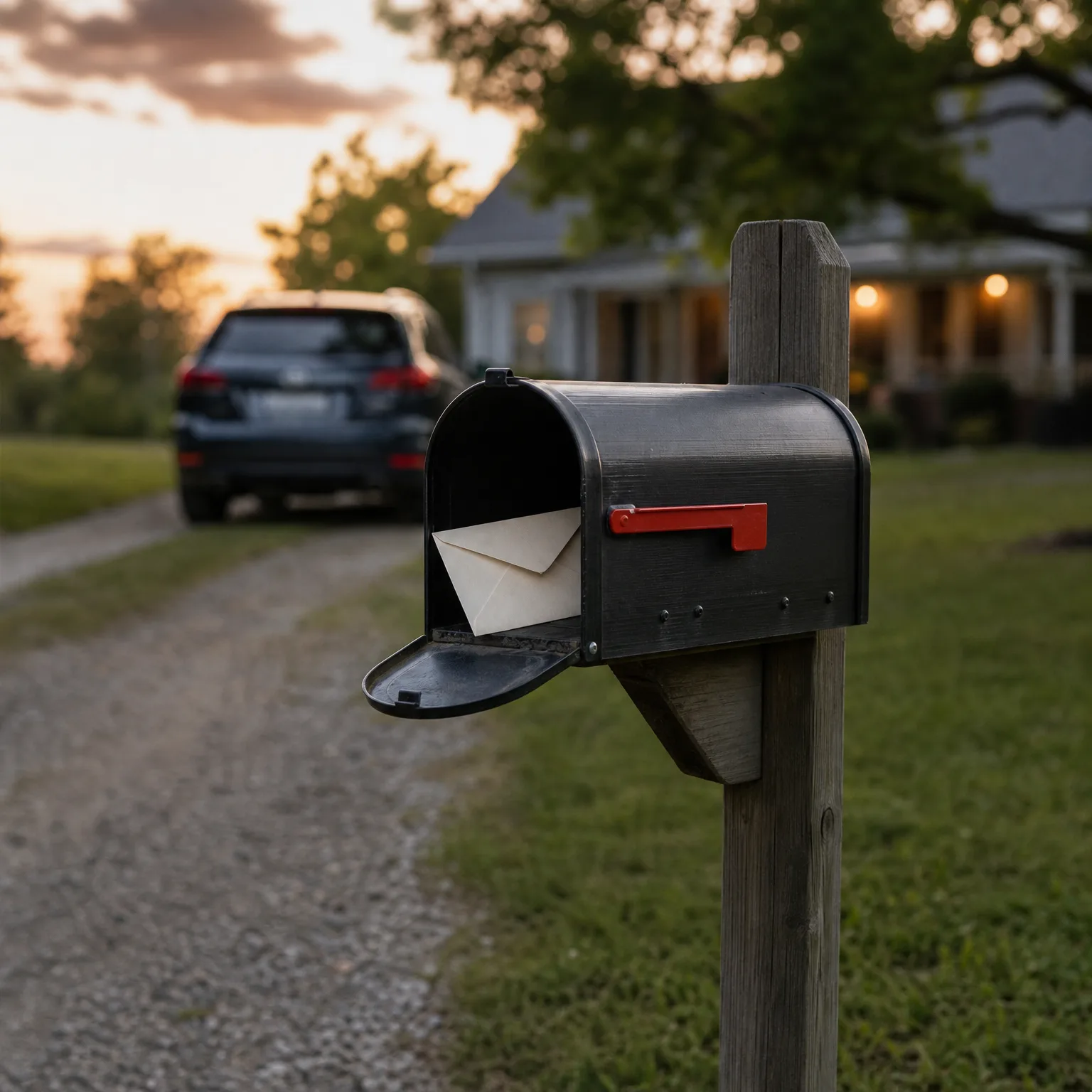
What reinstatement actually requires after unpaid tickets in Arkansas
Reinstatement for unpaid tickets in Arkansas requires three steps completed in sequence: full payment of all outstanding fines and court costs to the circuit court, court submission of a clearance notice to DFA Driver Services, and payment of the $100 reinstatement fee to DFA once the clearance posts to your driving record.
The first gap: many drivers pay the court but never confirm the court filed the clearance with DFA. Court clerks are not required to notify you when they file clearance. You must contact DFA Driver Services directly—by phone at 501-682-7059 or in person at a revenue office—to verify that the court clearance has posted to your record before scheduling a reinstatement appointment.
The second gap: reinstatement is not automatic even after clearance posts. You must appear in person at an Arkansas revenue office with proof of current liability insurance, proof of identity, and the $100 reinstatement fee. DFA does not mail reinstatement notices. Your license remains suspended until you complete the in-person reinstatement transaction, even if all fines are paid and clearance is on file.


How single parents can petition for a Restricted Hardship License during suspension
Arkansas allows drivers suspended for unpaid tickets to petition the circuit court for a Restricted Hardship License while the suspension remains active. The hardship license permits driving to and from work, school, medical appointments, or other court-approved necessities during hours the court specifies in the order.
The petition must be filed with the same circuit court that issued the suspension order. You will need proof of hardship—employment records showing your work schedule, school enrollment documentation, medical appointment records, or childcare transportation needs—along with proof of SR-22 insurance filing. Even though SR-22 is not required for standard reinstatement after unpaid tickets, the court requires SR-22 as a condition of granting the hardship license because restricted driving is a privilege, not a right.
Hardship petitions for unpaid-ticket suspensions are granted at the court's discretion. Courts favor petitions demonstrating that loss of driving ability creates genuine hardship for dependents—documented childcare transportation needs, medical transportation for children, or employment necessary to support the household. The court sets specific route and time restrictions in the hardship order. Violating those restrictions results in immediate hardship license revocation and possible contempt charges.
SR-22 filing timing if you petition for a hardship license
If you petition for a Restricted Hardship License, you must file SR-22 with DFA before the court hearing. The court will not grant the hardship petition without proof of SR-22 filing on record with DFA at the time of your appearance.
SR-22 filing requires a carrier willing to issue high-risk liability coverage. Not all carriers write SR-22 policies, and carriers that do often require payment in full or a large down payment before filing the certificate electronically with DFA. Budget 3 to 5 business days between your carrier payment and DFA confirmation that the SR-22 is on file—filing is electronic but DFA batch-processes certificates daily, not instantly.
If the court grants your hardship petition, SR-22 must remain active for the entire period your hardship license is in effect. If your carrier cancels coverage or you allow the policy to lapse, DFA receives automatic notification and your hardship license is revoked immediately. You cannot refile SR-22 and reinstate the hardship license—you must petition the court again and start the process over.

Line Up Coverage Before Your License Comes Back
Get Back on the Road
How ignition interlock applies to unpaid-ticket hardship licenses
Arkansas requires ignition interlock device installation for Restricted Hardship Licenses granted to drivers with DWI convictions or pending DWI charges. Unpaid-ticket suspensions do not trigger mandatory interlock unless the underlying ticket was for DWI or refusal of a chemical test under Arkansas implied consent law.
If your unpaid tickets include a DWI or refusal charge, the court will require proof of interlock installation before granting the hardship petition. The interlock provider must submit installation verification to DFA before the court hearing. Installation costs approximately $75 to $150, plus monthly monitoring fees of $60 to $90. The device remains installed for the duration of the hardship license period and often for an additional period after full reinstatement, depending on your DWI offense count and BAC level.
If your suspension involves only unpaid traffic fines with no DWI or alcohol-related charges, interlock is not required. Confirm with the court clerk when filing your hardship petition whether interlock is a condition of your specific case.

What happens if you drive on a suspended license while waiting for clearance
Driving on a suspended license in Arkansas is a Class A misdemeanor punishable by up to one year in jail and fines up to $2,500 under Arkansas Code § 5-65-103. A conviction adds a mandatory additional suspension period of 6 months to your existing suspension, and the new suspension begins after your current suspension ends—it does not run concurrently.
Single parents often risk driving during the court-clearance waiting period because they assume the suspension is over once they pay the ticket. It is not. Your license remains legally suspended until DFA processes reinstatement and issues a valid license. Law enforcement has real-time access to suspension status during traffic stops. Being pulled over for any reason while suspended triggers arrest in most Arkansas counties.
If employment, childcare, or medical transportation is necessary during the clearance waiting period, petition for a Restricted Hardship License rather than driving illegally. The hardship license protects you from criminal charges and additional suspension time while you wait for court clearance to post.
Where to find coverage that meets Arkansas hardship license requirements
If you are petitioning for a Restricted Hardship License in Arkansas, you need a carrier that writes SR-22 policies for suspended drivers with unpaid-ticket suspensions. Not all carriers accept this risk profile, and rates vary significantly based on your driving history, the number of unpaid tickets, and whether you own a vehicle.
If you do not currently own a vehicle, request a non-owner SR-22 policy. Non-owner policies provide liability coverage when you drive a vehicle you do not own—borrowed, rented, or employer-provided. Premiums for non-owner SR-22 policies typically run $40 to $70 per month in Arkansas, significantly lower than standard SR-22 policies for vehicle owners.
Compare quotes from carriers that specialize in high-risk and SR-22 filings. Rates for the same coverage can vary by $50 to $100 per month between carriers. Suspended drivers often qualify for lower rates than DWI or points-suspension drivers because unpaid-ticket suspensions do not signal dangerous driving behavior to underwriters. Get multiple quotes before filing SR-22 to ensure you are not overpaying for the duration of your hardship license period.
Frequently Asked Questions
Do I need SR-22 to reinstate my Arkansas license after unpaid tickets?
No, Arkansas does not require SR-22 filing for standard reinstatement after unpaid-ticket suspensions. SR-22 is required only if you petition for a Restricted Hardship License during the suspension period, or if the underlying unpaid ticket was for DWI, reckless driving, or uninsured driving.
How long does it take for Arkansas court clearance to post after I pay my tickets?
Court clearance typically posts to DFA records 30 to 45 days after you pay all fines and court costs. The circuit court must file the clearance notice with DFA Driver Services, and courts do not file clearance on the same day you pay. Call DFA at 501-682-7059 to verify clearance has posted before scheduling reinstatement.
Can I get a hardship license in Arkansas for unpaid traffic tickets?
Yes, you can petition the circuit court for a Restricted Hardship License while your suspension remains active. The petition requires proof of hardship, proof of SR-22 insurance filing, and approval from the same court that issued the suspension order. The court sets specific route and time restrictions you must follow.
What is the reinstatement fee for unpaid tickets in Arkansas?
$100, payable to DFA Driver Services at an Arkansas revenue office when you reinstate in person. The fee is due after court clearance posts to your record and you provide proof of current liability insurance and identity.
What happens if I let my SR-22 lapse during my Arkansas hardship license period?
DFA receives automatic notification of the lapse and revokes your hardship license immediately. You cannot refile SR-22 and reinstate the same hardship license—you must petition the circuit court again and start the hardship application process over, including new SR-22 filing and a new court hearing.
Do I need ignition interlock for an Arkansas hardship license for unpaid tickets?
Only if the unpaid tickets include a DWI charge or refusal of a chemical test under Arkansas implied consent law. Unpaid traffic fines alone do not trigger mandatory interlock. Confirm interlock requirements with the circuit court clerk when filing your hardship petition.
Related Articles
Arkansas Unpaid Tickets: Reinstatement Costs & SR-22
5/3/2026

Arkansas Unpaid Tickets & SR-22: College Student Guide
5/3/2026

Arkansas CDL SR-22 for Unpaid Tickets: What's Required
5/3/2026

AR CDL Unpaid Tickets Suspension: Real Reinstate Cost
5/3/2026
Arkansas Unpaid Ticket Suspension: Student Costs
5/3/2026

Arkansas Unpaid Ticket Suspension: SR-22 Rideshare Guide
5/3/2026