
Alaska CDL Unpaid Ticket Suspension: SR-22 Timing and Lapse Gaps
Free to compare
Does Alaska require SR-22 filing for unpaid ticket suspensions?
No. Alaska does not require SR-22 filing for suspensions triggered solely by unpaid traffic tickets or failure to appear in court. SR-22 certificates of financial responsibility are mandatory only for DUI revocations, certain reckless driving convictions, and uninsured-motorist violations under Alaska's implied consent and financial responsibility statutes.
The confusion stems from Alaska's multi-tier suspension structure. The DMV suspends your license administratively when courts report unpaid tickets or missed appearances, but this administrative action does not carry the same insurance filing requirements as a DUI or at-fault uninsured crash. You still need liability insurance to reinstate—Alaska requires proof of coverage as part of the reinstatement packet—but the proof does not need to arrive in SR-22 form.
If your unpaid tickets included a DUI charge or you were driving uninsured when ticketed, the SR-22 requirement attaches to those violations separately. The ticket non-payment itself does not trigger SR-22. Review your suspension notice carefully: it will explicitly state if SR-22 filing is required. If the notice references only unpaid fines or failure to appear, SR-22 is not part of your reinstatement pathway.
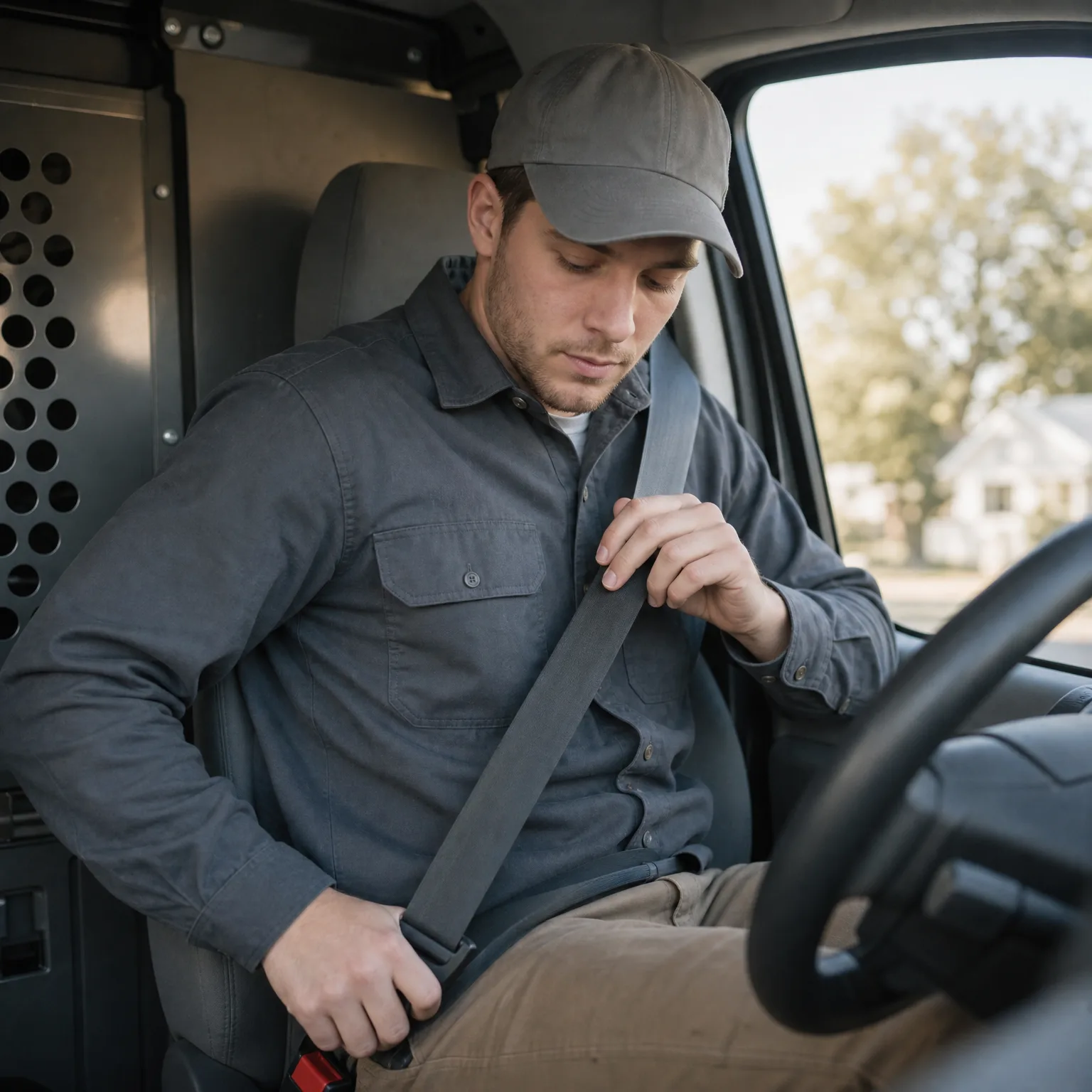
Why CDL holders face a two-step reinstatement process in Alaska
Alaska processes Class D (personal) and commercial driver's license reinstatements on separate tracks. Paying your tickets and clearing your suspension with the DMV restores your Class D driving privilege first. Your CDL endorsement requires a separate reinstatement application, and the DMV will not process that application until your underlying Class D license shows active and clear in their system.
This creates a gap most commercial drivers miss. You pay your fines, submit your $100 base reinstatement fee, and receive confirmation that your Class D suspension is lifted. You assume your CDL is automatically reinstated. It's not. Alaska requires a distinct CDL reinstatement application that includes additional documentation: proof of medical certification (current DOT physical card or medical examiner's certificate), verification that no federal disqualifications apply, and confirmation that your employer or prospective employer has been notified of the suspension if you were cited in a commercial vehicle.
The processing timeline for the CDL portion adds 10 to 21 business days after your Class D clearance posts. If you need to update your medical certification or if your physical exam expired during the suspension period, add another week. Most drivers lose two to four weeks of work because they treat reinstatement as a single event when Alaska's system requires sequential processing.


How unpaid-ticket lapse gaps affect your reinstatement timeline
Alaska's electronic insurance verification system tracks policy lapses in real time. If your liability insurance lapsed at any point during your suspension—even if the lapse was unrelated to the tickets that triggered the suspension—the DMV flags your reinstatement file and requires proof that you have maintained continuous coverage or that you have re-established coverage and can demonstrate financial responsibility moving forward.
The lapse does not add a separate SR-22 requirement, but it does extend your processing timeline. The DMV will not finalize reinstatement until you provide a current insurance card and a carrier letter confirming your policy is active and meets Alaska's minimum liability limits: $50,000 per person for bodily injury, $100,000 per incident, and $25,000 for property damage. If your carrier cannot confirm continuous coverage, the DMV may require you to file a bond or deposit as an alternative to standard proof of insurance, which delays reinstatement by an additional 15 to 30 days.
Commercial drivers face additional scrutiny. If you let your personal auto policy lapse during suspension and you do not currently own a vehicle, you will need a non-owner liability policy to satisfy the DMV's proof-of-insurance requirement before they will process your CDL application. Alaska DMV does not accept employer-provided commercial fleet coverage as substitute proof for personal license reinstatement—the liability insurance must be in your name, even if you only drive employer-owned vehicles on the job.

Line Up Coverage Before Your License Comes Back
Get Back on the RoadWhat Alaska's Limited License program does not cover for CDL holders
Alaska offers a Limited License (hardship license) that allows restricted driving during suspension, but the program explicitly excludes commercial driving. Even if a judge grants you a Limited License for personal use—commuting to work, medical appointments, or other court-approved purposes—you cannot operate a commercial motor vehicle under that license.
The Limited License application requires a court petition, proof of need, and proof of SR-22 insurance filing if your suspension involves DUI. For unpaid-ticket suspensions, SR-22 is not required for the Limited License itself, but you must still demonstrate current liability coverage. The court sets route and time restrictions, and ignition interlock device installation is mandatory if any DUI charge was part of your suspension history, even if the DUI was not the direct cause of the unpaid-ticket suspension.
CDL holders often pursue a Limited License hoping to preserve their ability to work. Alaska law does not allow this. If your livelihood depends on commercial driving, the Limited License offers no path back to your job. Your only option is full reinstatement of your Class D license followed by separate CDL reinstatement. Budget for the full suspension period without commercial driving income.

How to coordinate ticket clearance with DMV processing in remote Alaska locations
Alaska's geographic isolation creates functional processing delays even after you meet all legal reinstatement requirements. If you paid your tickets in person at a district court in Fairbanks or Anchorage, the court transmits clearance to the DMV electronically within two to five business days. If you mailed payment from a roadless community or submitted payment to a magistrate court in a rural district, the clearance posting timeline stretches to 10 to 15 business days because manual data entry is required at the DMV's central office in Anchorage.
Most drivers in bush Alaska or off-road-system communities lose an additional two weeks to mail processing and lack of electronic confirmation. The court accepts your payment and issues a receipt, but the DMV does not reflect that clearance in their suspension records until the paper trail completes. If you submit your reinstatement application before the clearance posts, the DMV rejects your application and you must resubmit after confirmation, restarting the processing clock.
To avoid this gap: request written confirmation from the court clerk that your ticket payment has been transmitted to the DMV and ask for the transmission date. Wait five business days after that date before submitting your reinstatement application. If you are in a roadless area, coordinate your reinstatement application timing with mail delivery schedules so that your application arrives at the DMV after the court's clearance posting is complete. Alaska DMV offers online reinstatement submission for most suspension types, but CDL reinstatements still require mailed documentation, which adds another layer of mail-dependent delay.

What insurance you actually need to reinstate your Alaska CDL
Alaska requires proof of liability insurance as part of every reinstatement packet, but the type of policy you need depends on whether you currently own a vehicle. If you own a personal vehicle, a standard liability policy that meets Alaska's minimum limits satisfies the proof-of-insurance requirement. The policy must be current and active on the date you submit your reinstatement application.
If you do not own a vehicle, you need a non-owner liability policy. This policy provides the liability coverage Alaska requires without insuring a specific vehicle. It covers you when you drive borrowed or rented vehicles, and it satisfies the DMV's proof-of-insurance filing requirement. Non-owner policies are typically less expensive than standard auto policies because they exclude collision and comprehensive coverage.
SR-22 filing is not required unless your suspension involved DUI, reckless driving, or uninsured-motorist violations. If your suspension notice does not reference those triggers, standard proof of insurance—either a policy declaration page or an insurance identification card—is sufficient. Do not pay for SR-22 filing if it is not legally required. Carriers charge $15 to $50 to file SR-22 certificates, and that cost is unnecessary if your suspension was triggered solely by unpaid tickets.
Frequently Asked Questions
Can I drive commercially in Alaska while my personal license is suspended for unpaid tickets?
No. Alaska requires an active, valid Class D driver's license as a prerequisite for any commercial driving privilege. Even if your CDL endorsement was not directly suspended, you cannot operate a commercial motor vehicle until your underlying Class D suspension is cleared and your CDL is separately reinstated through the DMV.
How long does Alaska CDL reinstatement take after I pay my tickets?
Expect 15 to 30 business days total. Your Class D reinstatement processes first, typically within 7 to 10 business days after ticket clearance posts to the DMV. Your CDL reinstatement application processes separately and adds another 10 to 21 business days once your Class D license shows active. Remote Alaska locations may see longer timelines due to mail processing.
Does Alaska require SR-22 for all license suspensions?
No. Alaska requires SR-22 filing only for DUI revocations, certain reckless driving convictions, and uninsured-motorist violations. Suspensions triggered solely by unpaid tickets, failure to appear, or child support arrears do not require SR-22. Your suspension notice will explicitly state if SR-22 is required.
What happens if my insurance lapsed during my Alaska suspension?
The DMV will require proof of current coverage before processing your reinstatement. The lapse does not add an SR-22 requirement, but you must provide a current insurance card and a carrier letter confirming your policy meets Alaska's minimum liability limits. If you cannot demonstrate continuous coverage, the DMV may require a bond or deposit, delaying reinstatement by 15 to 30 days.
Can I use my employer's commercial fleet insurance to reinstate my Alaska CDL?
No. Alaska DMV requires proof of personal liability insurance in your name as part of the reinstatement packet. Employer-provided commercial fleet coverage does not satisfy this requirement. If you do not own a personal vehicle, you need a non-owner liability policy to meet the proof-of-insurance condition.
Will Alaska's Limited License let me keep driving commercially during suspension?
No. Alaska's Limited License (hardship license) program explicitly prohibits commercial driving. Even if a court grants you restricted driving privileges for personal use, you cannot operate a commercial motor vehicle under a Limited License. Full CDL reinstatement is the only path back to commercial driving.
Related Articles

Alaska CDL Unpaid Tickets Reinstatement Cost Stack
5/3/2026

Alaska Unpaid Tickets Suspension: Real Cost Breakdown
5/3/2026

Alaska Unpaid Tickets: SR-22 Timing & Lapse-Gap Docs
5/3/2026

Alaska CDL Child Support Reinstatement Timeline
5/3/2026
Alaska Unpaid Tickets: SR-22 Timing for Rideshare Drivers
5/3/2026

Alaska CDL Unpaid Ticket Reinstatement
7/13/2026