
Wisconsin Child Support Suspension: SR-22 Filing After Reinstatement
Free to compare
Wisconsin Doesn't Require SR-22 for Child Support Arrears Suspensions
Wisconsin suspends licenses for child support arrears under administrative action by the Department of Children and Families (DCF), not a moving violation or alcohol-related offense. No SR-22 filing is required to reinstate your license after clearing child support compliance.
The DMV processes reinstatement once DCF submits a compliance notice confirming you've met payment plan terms or cleared arrears. You'll pay a $60 reinstatement fee directly to the DMV, but there's no high-risk insurance filing requirement attached to this suspension type.
Most drivers assume all suspensions trigger SR-22 requirements because DUI and uninsured motorist suspensions do. Child support suspensions operate differently—they're purely administrative, and Wisconsin law does not mandate proof-of-financial-responsibility filing for non-driving violations.

The Rideshare Driver Gap: Background Checks Flag Administrative Suspensions Even After Reinstatement
Uber and Lyft run continuous motor vehicle record checks in Wisconsin, typically every 6-12 months depending on driver tenure. Your child support suspension will appear on your Wisconsin MVR for three years from the suspension date, not the reinstatement date.
Most rideshare drivers assume once their license is reinstated, their driving record clears for employment purposes. It doesn't. The suspension remains visible to TNC background check vendors as a data point, and Wisconsin does not automatically purge administrative suspensions from the publicly accessible driver record.
This creates a specific problem for drivers who maintained non-owner insurance during suspension to avoid compounding insurance lapse issues. When you apply to reactivate your rideshare driver account, the background check flags the suspension period. Uber and Lyft typically require a written explanation and proof of reinstatement, which adds 10-21 days to reactivation even when you've already cleared the DMV process.


Non-Owner Policy Timing: Why Most Drivers Overpay Without Realizing It
If you purchased a non-owner auto insurance policy during your suspension to maintain continuous coverage and avoid a future insurance lapse penalty, your carrier will not automatically downgrade you to standard rates the day your license is reinstated. Most Wisconsin carriers set policy terms at 6- or 12-month intervals, and your rate classification is locked until the renewal date.
You'll continue paying non-owner premiums—typically $35-$65 per month for liability-only coverage—even though you no longer need that policy structure once you own a vehicle or return to rideshare driving with regular personal auto coverage. Switching mid-term usually triggers a short-rate cancellation penalty, which means you forfeit a portion of prepaid premium.
The financially optimal move is to time your reinstatement application so DMV clearance posts 30-45 days before your policy renewal date. That gives you time to shop standard personal auto policies, compare quotes, and transition without paying double premiums or cancellation fees.

Line Up Coverage Before Your License Comes Back
Get Back on the RoadDCF Compliance Notice Doesn't Automatically Reach DMV
Wisconsin's Department of Children and Families issues a compliance notice once you've satisfied payment plan terms or cleared arrears, but that notice does not automatically post to your DMV record. You must request the compliance letter from DCF and submit it to the DMV yourself, either in person at a DMV service center or by mail to the address listed on your suspension notice.
Most drivers wait for the DMV to notify them that their record is clear. The DMV won't. Wisconsin runs three separate administrative systems—DCF for child support enforcement, Circuit Court for family court orders, and DMV for driver licensing—and they do not share data in real time.
If you don't submit the compliance notice within 10 business days of receiving it from DCF, your suspension remains active on the MVR even though you've technically satisfied the underlying obligation. This delay is what extends the background check flag period for rideshare drivers, because the suspension appears unresolved on the driving record TNC vendors pull.
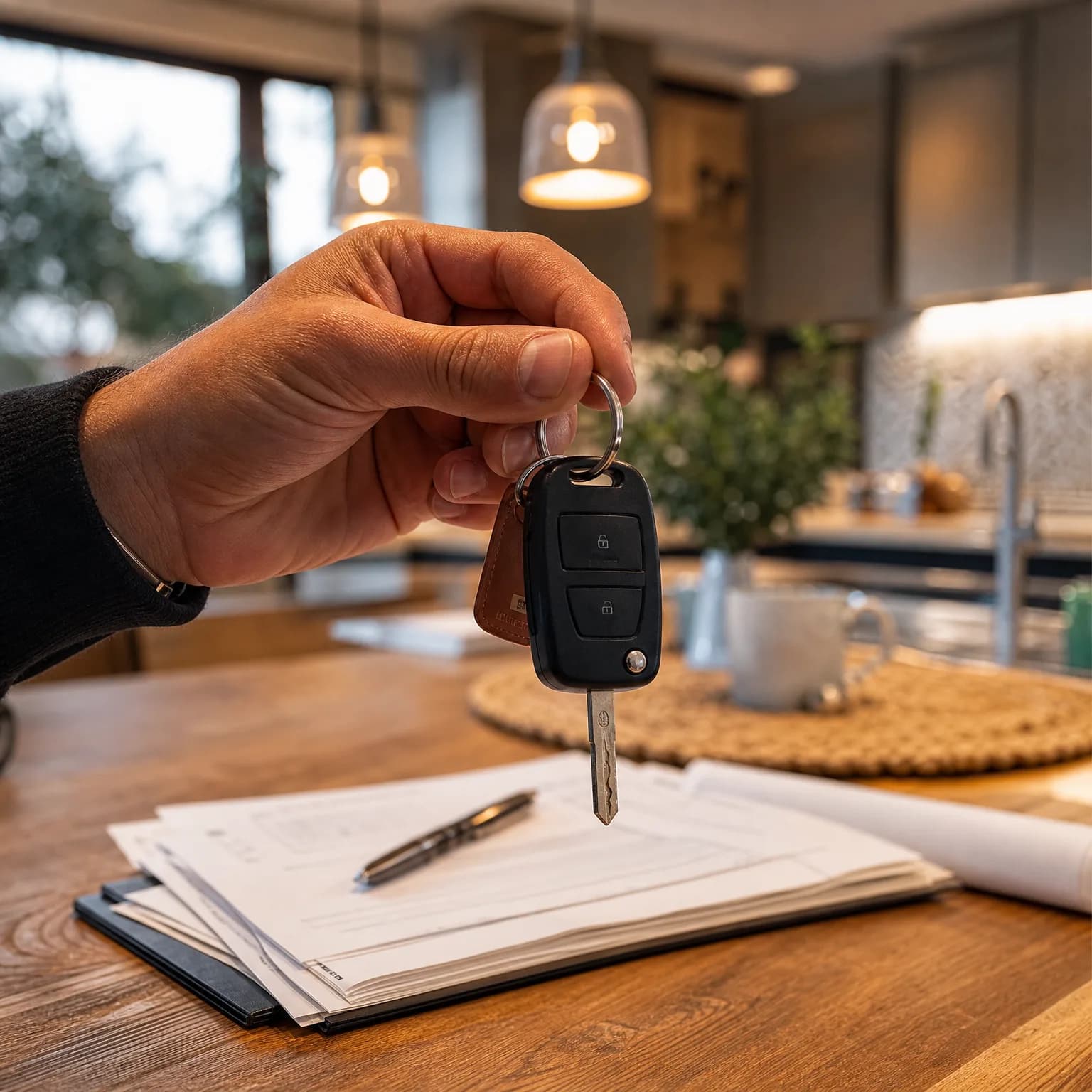
What Rideshare Drivers Should Do Before Applying for Reactivation
Request a certified copy of your Wisconsin MVR from the DMV online portal before you apply to reactivate your Uber or Lyft driver account. The certified record shows your suspension status as it will appear to background check vendors. If the suspension still shows as active even though you submitted DCF compliance documentation, contact the DMV directly—processing typically takes 7-10 business days from the date they receive your compliance notice.
Once your MVR shows the suspension as cleared, download a PDF copy and attach it to your TNC reactivation application. Proactively submitting proof of reinstatement cuts the reactivation review period from 21 days to 5-7 days in most cases, because you've eliminated the step where the background check vendor requests clarification from you.
If you're planning to return to rideshare driving full-time, verify your personal auto policy includes rideshare coverage or a TNC endorsement before you reactivate. Wisconsin does not require rideshare-specific insurance by statute, but both Uber and Lyft require proof of personal liability coverage that meets their minimum policy limits, which are higher than Wisconsin's state minimums for standard drivers.
Frequently Asked Questions
Does Wisconsin require SR-22 filing to reinstate a license suspended for child support arrears?
No. Wisconsin does not require SR-22 filing for child support arrears suspensions because they are administrative actions by the Department of Children and Families, not traffic or alcohol-related violations. You'll pay a $60 reinstatement fee to the DMV once DCF submits your compliance notice, but no high-risk insurance filing is required.
How long does a child support suspension stay on my Wisconsin driving record?
The suspension remains visible on your Wisconsin MVR for three years from the suspension date, not the reinstatement date. Rideshare companies and other employers running background checks will see the suspension during this period even after your license is reinstated.
Will the DMV automatically reinstate my license once I clear my child support arrears?
No. You must request a compliance notice from DCF and submit it to the DMV yourself. Wisconsin does not automatically sync compliance data between DCF and DMV systems. Processing takes 7-10 business days after the DMV receives your documentation.
Can I keep my non-owner insurance policy after my license is reinstated?
Yes, but it's usually not cost-effective. Non-owner policies are designed for drivers without vehicles and cost $35-$65 per month in Wisconsin for liability-only coverage. If you own a vehicle or return to rideshare driving, switching to a standard personal auto policy will typically save you money at your next renewal date.
How long does it take to reactivate my Uber or Lyft driver account after reinstatement?
Typically 5-21 days depending on whether you proactively submit proof of reinstatement. If you attach a certified MVR showing the suspension cleared, reactivation takes 5-7 days. Without documentation, the background check vendor will contact you for clarification, which extends the process to 21 days.
Do I need rideshare insurance to drive for Uber or Lyft in Wisconsin?
Wisconsin does not require rideshare-specific insurance by statute, but Uber and Lyft require proof of personal liability coverage that meets their minimum policy limits before they approve driver applications. Verify your policy includes a TNC endorsement or rideshare coverage before reactivating your account.
Related Articles
WI Child Support Suspension: Real Reinstatement Costs
5/3/2026
WI Child Support Suspension: Rideshare Reinstatement Gap
5/3/2026

WI Child Support Suspension: SR-22 & Reinstatement Steps
5/3/2026

WI CDL Reinstatement: Child Support & SR-22 Rules
5/3/2026

Wyoming Child Support Suspension: SR-22 for Rideshare
5/3/2026

WI Child Support SR-22 After College Reinstatement
5/3/2026