Child Support Reinstatement in WA: SR-22 Timing for Rideshare Drivers
Free to compare
Why Washington Child Support Suspensions Don't Require SR-22 Filing
Child support arrears suspensions in Washington are purely administrative actions issued by the Division of Child Support (DCS) and enforced by the Department of Licensing (DOL). No SR-22 filing is required because the suspension is not insurance-related or traffic-violation-based. Your reinstatement hinges entirely on clearing your arrears balance or establishing a compliant payment plan with DCS, not on proving financial responsibility to DOL.
This creates confusion for rideshare drivers who assume they need high-risk insurance immediately. Most Uber and Lyft drivers in Washington contact carriers first, request SR-22 quotes, and waste days waiting for filings that DOL will never ask for. The actual bottleneck is DCS issuing a compliance notice to DOL—until that notice posts to your driving record, DOL cannot process your reinstatement regardless of your insurance status.
RCW 46.20.291 governs child support suspensions. The statute grants DCS authority to suspend driving privileges for noncompliance with support orders, but it imposes no insurance filing requirement. Your path to reinstatement runs through family court and DCS, not through your carrier.
How DOL and DCS Coordination Creates the Actual Timeline Delay
Washington operates a two-agency clearance system. DCS determines compliance. DOL processes reinstatement. The agencies do not automatically synchronize. Once you satisfy DCS requirements—either by paying arrears in full, entering an approved payment plan, or meeting a court-ordered compliance threshold—DCS must manually issue a clearance notice to DOL. That notice triggers DOL to lift the suspension and restore your driving privileges.
The gap between DCS compliance and DOL clearance typically runs 10 to 21 business days. DCS does not guarantee same-day or next-day notice transmission. Most rideshare drivers assume reinstatement happens immediately after their final payment or plan approval, then discover their license still shows suspended in DOL's system a week later. This is the coordination gap aggregators and legal-info sites never surface.
DOL charges a $75 reinstatement fee once the clearance notice posts. You cannot pay this fee early to speed the process. You cannot file paperwork with DOL before DCS issues clearance. Reinstatement is a sequential process: DCS compliance first, then DCS notice to DOL, then DOL reinstatement processing, then fee payment, then license restoration.
What Rideshare Drivers Should Do First: Court Compliance, Not Insurance Shopping
If you drive for Uber, Lyft, or another rideshare platform and your Washington license is suspended for child support arrears, your first action is contacting DCS or your county family court to establish a compliant payment plan or resolve the arrears balance. Do not contact insurance carriers. Do not request SR-22 quotes. Do not update your rideshare platform insurance documentation. None of those steps advance your reinstatement timeline.
Once DCS confirms your compliance—either verbally or in writing—ask for written confirmation of when the clearance notice will be transmitted to DOL. DCS does not always provide a specific date, but requesting it creates accountability and sometimes accelerates processing. Keep a record of the date you achieved compliance, the DCS case worker's name, and any reference numbers. If DOL clearance does not post within 21 business days, you will need these details to follow up.
After DCS transmits the clearance notice, monitor your driving record on DOL's website at dol.wa.gov. The clearance typically appears as a status update showing the suspension is eligible for reinstatement. At that point—and only at that point—contact DOL to pay the $75 reinstatement fee. DOL accepts payment online, by phone, or in person at licensing offices. Once the fee is processed, your driving privileges are restored and you can resume rideshare work.
When You Actually Need Insurance: After Reinstatement, Not Before
Washington requires minimum liability coverage of 25/50/10 under RCW 46.29.090. Rideshare platforms impose higher commercial coverage requirements during active trips. Neither DOL nor DCS requires proof of insurance before lifting a child support suspension, but you cannot legally drive—or activate your rideshare app—without meeting Washington's minimum liability thresholds and your platform's policy requirements.
If you maintained personal auto insurance during your suspension, verify your policy is still active before resuming rideshare work. If your policy lapsed or you canceled it to save money while suspended, obtain new coverage after your license is reinstated but before you log into your rideshare platform. Most carriers can issue same-day policies. Rideshare platforms require proof of coverage before reactivating driver accounts, so upload your updated insurance card and policy declaration page immediately after purchasing coverage.
If you do not currently own a vehicle and plan to rent or use a platform-provided vehicle for rideshare work, consider a non-owner liability policy. Non-owner policies meet Washington's minimum coverage requirement and cost approximately $30–$60 per month for drivers with clean records. These policies do not cover damage to the vehicle you are driving—rental agreements or rideshare platform policies typically provide that coverage—but they satisfy the state's financial responsibility requirement and allow you to reinstate your license and resume work without purchasing a vehicle.
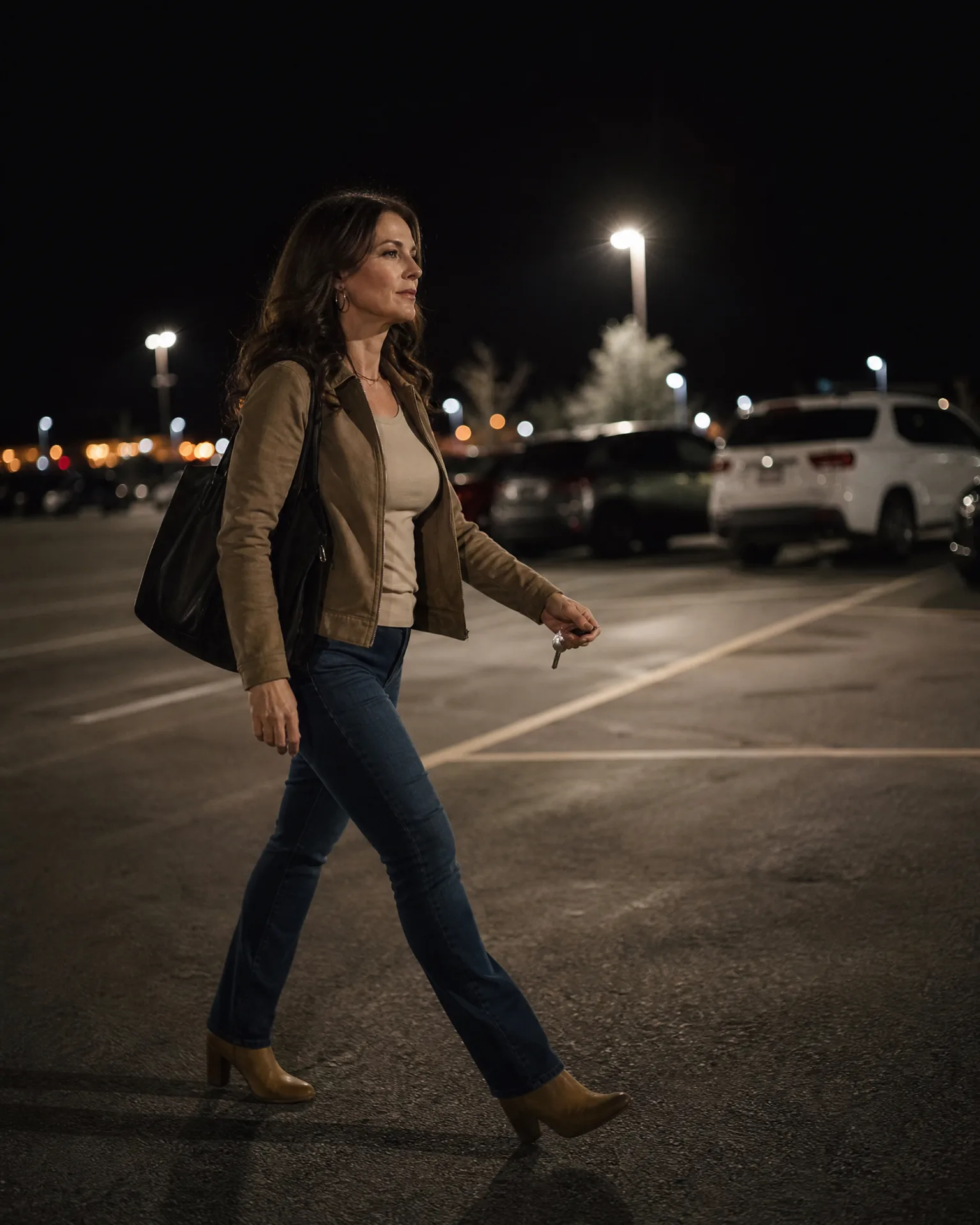
Line Up Coverage Before Your License Comes Back
Get Back on the Road
Ignition Interlock License Option: Not Applicable to Child Support Suspensions
Washington offers an Ignition Interlock License (IIL) under RCW 46.20.385, which allows certain suspended drivers to operate vehicles equipped with an approved ignition interlock device during their suspension period. The IIL program applies exclusively to DUI-related suspensions and revocations. Child support suspensions are not eligible for IIL.
This is a critical distinction rideshare drivers often miss. If you search Washington hardship license options, you will encounter IIL information prominently because it is Washington's primary restricted-driving program. But IIL requires DUI-related suspension as a prerequisite. Applying for IIL when your suspension is child-support-based wastes the $100 application fee and delays your actual path to reinstatement, which remains clearing arrears and obtaining DCS compliance clearance.
Washington does not offer a traditional occupational or hardship license for child support suspensions. Your only legal driving pathway is full reinstatement after DCS clearance and DOL fee payment. Until that occurs, driving—including rideshare work—is prohibited and exposes you to additional penalties under RCW 46.20.342 for driving while suspended.
How Documentation Gaps Extend Your Timeline: What DCS Actually Needs
DCS requires documentation proving payment compliance or plan enrollment before issuing clearance to DOL. The most common documentation failures rideshare drivers encounter: submitting screenshots instead of official receipts, providing partial payment proof when a lump sum was required, or failing to confirm that court-ordered modifications were entered into DCS's system before making payments under the new terms.
If your arrears were reduced by court order, DCS does not automatically update its records. You must submit a certified copy of the court order to DCS and wait for the case to be updated in their system before payments under the modified amount count toward compliance. Drivers who make payments immediately after a court hearing—before DCS updates the case—often discover those payments were applied incorrectly or not credited at all, forcing them to dispute the accounting and restart the compliance timeline.
Keep certified copies of all payment receipts, court orders modifying support obligations, and written confirmation from DCS of plan enrollment or compliance status. If DOL clearance does not post within 21 business days after DCS confirms compliance, these documents become your proof that the delay is administrative, not compliance-related, and they allow you to escalate the case with DCS or request supervisory review.
What Happens If You Drive for Rideshare While Suspended
Driving while suspended in Washington is a misdemeanor criminal offense under RCW 46.20.342. Penalties include up to 90 days in jail, fines up to $1,000, and extension of your suspension period. Rideshare platforms conduct periodic background checks and license verifications. If your platform detects a suspended license or a new driving-while-suspended conviction, your driver account will be permanently deactivated in most cases.
Law enforcement in King, Pierce, and Snohomish counties—where rideshare activity is concentrated—conducts targeted traffic enforcement near airport pickup zones, downtown ride-request hubs, and university districts. Officers routinely verify driver licenses during traffic stops. A suspended license discovered during a rideshare trip results in immediate vehicle impoundment, criminal citation, and platform deactivation.
The financial impact extends beyond fines. Vehicle impoundment fees in Washington typically run $200–$400 for towing plus $50–$75 per day of storage. Drivers often lose a week of income waiting for reinstatement processing, then lose additional income recovering their vehicle and resolving the criminal charge. Waiting for lawful reinstatement is always faster and cheaper than the cascade of penalties that follow driving while suspended.
Frequently Asked Questions
Do I need SR-22 insurance to reinstate my Washington license after a child support suspension?
No. Child support suspensions in Washington are administrative and do not require SR-22 filing. Your reinstatement depends entirely on clearing arrears or establishing a compliant payment plan with DCS, then paying DOL's $75 reinstatement fee after DCS issues clearance.
How long does it take for DCS to notify DOL after I clear my child support arrears?
DCS typically transmits clearance notices to DOL within 10 to 21 business days after you satisfy compliance requirements. The agencies do not synchronize automatically, so you must monitor your DOL driving record online to confirm when clearance posts.
Can I get a hardship license in Washington to drive for Uber while my license is suspended for child support?
No. Washington's Ignition Interlock License program applies only to DUI-related suspensions. Child support suspensions have no hardship or restricted license option—you must achieve full reinstatement through DCS compliance and DOL fee payment before resuming any driving.
What happens if I drive for a rideshare platform while my Washington license is suspended?
Driving while suspended is a misdemeanor under RCW 46.20.342, punishable by up to 90 days in jail, fines up to $1,000, vehicle impoundment, and permanent deactivation from your rideshare platform. Officers frequently verify licenses during traffic stops near airports and downtown ride hubs.
Do I need to own a car to get my Washington license reinstated after a child support suspension?
No. Reinstatement requires DCS compliance clearance and payment of DOL's $75 fee, not vehicle ownership. If you plan to drive for rideshare after reinstatement without owning a vehicle, consider a non-owner liability policy to meet Washington's 25/50/10 minimum coverage requirement.
How do I prove to DCS that I am compliant with my child support payment plan?
Keep certified copies of all payment receipts, court orders modifying support obligations, and written confirmation from DCS of plan enrollment or compliance status. Submit these to DCS if clearance does not post to DOL within 21 business days after you achieve compliance.
Related Articles
WA License Suspended for Child Support: Reinstatement Steps
4/29/2026
WA Child Support Suspension: SR-22 Not Required
5/3/2026
WA Child Support Suspension: Reinstatement Cost & Process
5/3/2026

WA Child Support License Suspension: Reinstatement Costs
5/3/2026
WA Child Support Suspension: Court Clearance vs DMV
5/3/2026
WA Child Support Suspension Reinstatement
7/13/2026