
VA Child Support Suspension: When to File FR-44 for Rideshare
Free to compare
Why Virginia's child support suspension blocks rideshare drivers differently than other violation types
Virginia child support suspensions are administrative actions triggered by the Division of Child Support Enforcement (DCSE), not the DMV. The DMV receives a suspension order from DCSE and executes it immediately. Your license status shows suspended, but the underlying cause sits with a different agency entirely.
Rideshare platforms (Uber, Lyft, HopSkipDrive) run continuous background checks that include real-time license status verification. When your Virginia license moves to suspended status, the platform typically deactivates your account within 24 to 72 hours. Reactivation requires proof of valid driving privileges, which means you need full reinstatement or a restricted license before the platform will let you drive again.
Most suspension types in Virginia require FR-44 filing as a condition of reinstatement. Child support suspensions do not. Virginia Code § 46.2-411 lists reinstatement fees and conditions by suspension type. Child support arrears suspensions fall under administrative compliance requirements, not insurance-related violations. You reinstate by clearing the arrears or establishing a payment plan with DCSE, paying the $145 reinstatement fee to DMV, and submitting proof of compliance. FR-44 filing is not statutorily required for this trigger.

When rideshare drivers need FR-44 despite child support being the suspension trigger
FR-44 enters the picture when you have a second suspension type active simultaneously or when a prior DUI/reckless driving conviction falls within your recent driving history. Virginia requires FR-44 for any driver with a DUI, certain reckless driving convictions, or repeat insurance lapse violations on their record within the past three to five years, depending on the specific offense.
If your child support suspension overlaps with an earlier DUI suspension period, or if you were convicted of DUI while your license was already suspended for child support, the DMV treats the reinstatement as DUI-related. FR-44 filing becomes mandatory, not optional. The same applies if you had an uninsured-related suspension within the past two years. Virginia's electronic insurance verification system flags any lapse, and if that lapse triggered a separate suspension action, FR-44 may be required even after you clear the child support arrears.
Rideshare platforms require liability coverage that meets state minimums at minimum. Virginia's standard liability minimums are 25/50/20 (twenty-five thousand dollars bodily injury per person, fifty thousand dollars per accident, twenty thousand dollars property damage). FR-44 mandates 50/100/40, double the standard minimums. If your record requires FR-44, you cannot reactivate on a rideshare platform with standard liability. The platform's insurance verification step will reject your policy.

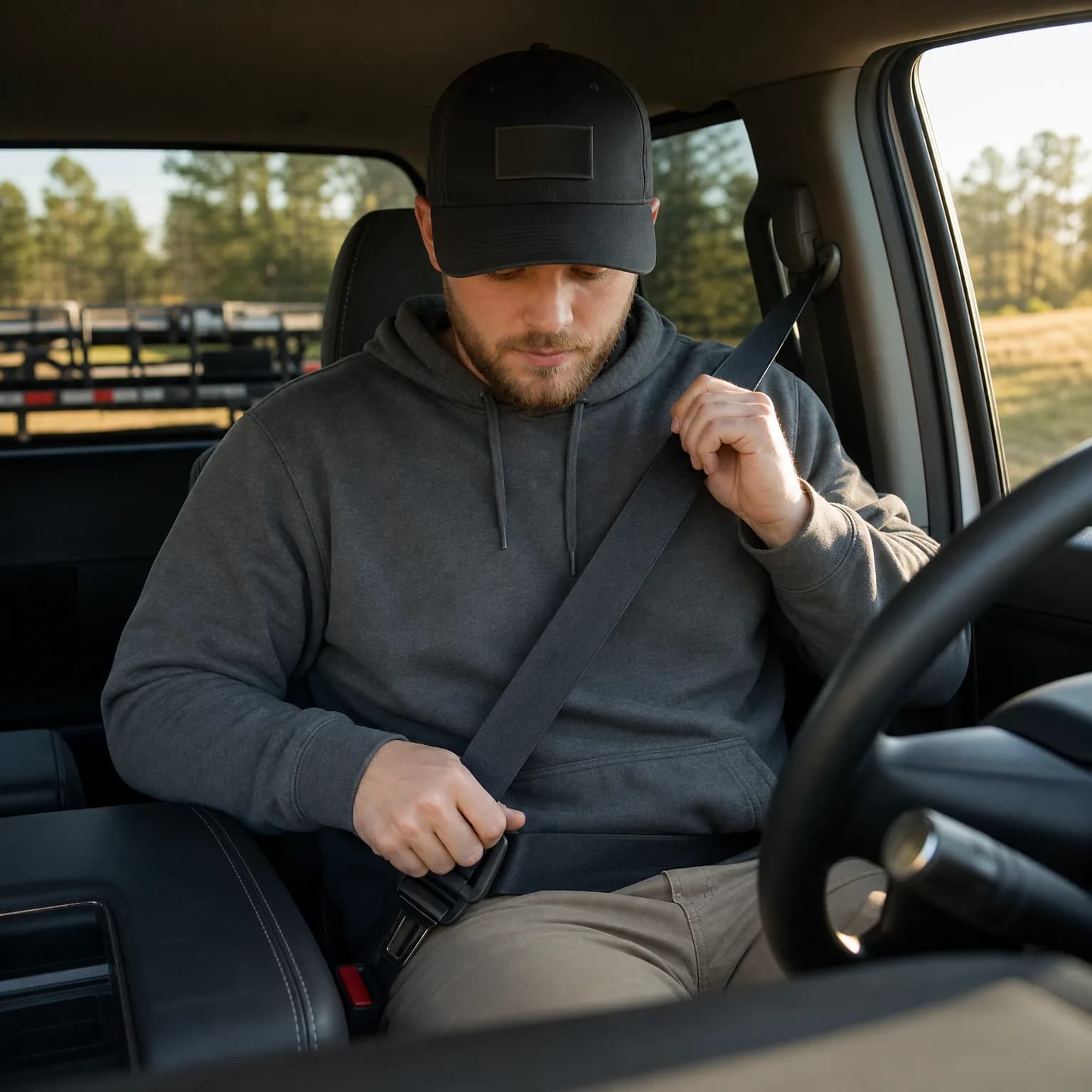
The three-agency coordination gap most Virginia rideshare drivers miss
Reinstating from child support suspension requires coordination between three separate agencies: DCSE, the family court that issued the original support order, and the DMV. DCSE administers the suspension. The family court determines when you have complied with payment terms or established an acceptable payment plan. DMV processes the reinstatement once it receives clearance from DCSE.
The coordination gap occurs because these agencies do not automatically sync their records. DCSE may determine you are compliant, but if the family court has not yet issued a formal compliance notice, DCSE cannot release the suspension hold to DMV. Most drivers pay their arrears or set up a payment plan directly with DCSE and assume the process is complete. They file FR-44, pay the reinstatement fee, and then discover the DMV cannot process reinstatement because the court compliance notice has not posted.
Virginia DMV typically processes reinstatement within 5 to 10 business days once all conditions are met. The delay is not at DMV. The delay is in the handoff from family court to DCSE to DMV. That handoff can take 15 to 45 days depending on court processing volume and whether your case requires a formal hearing or administrative review. Filing FR-44 before the court compliance notice posts does not speed up the timeline. It simply means you start paying elevated premiums while still unable to drive.

Line Up Coverage Before Your License Comes Back
Get Back on the RoadWhat rideshare drivers should file first and in what sequence
The correct sequence is: clear the arrears or establish a payment plan with DCSE, obtain written confirmation from DCSE that you are in compliance, confirm the family court has issued or will issue a compliance notice, wait for the compliance notice to post to DCSE records, then confirm DCSE has released the suspension hold to DMV. Only after DMV shows the hold released should you file FR-44 (if required) and pay the reinstatement fee.
Most drivers reverse this order. They file FR-44 immediately after setting up the payment plan because they assume insurance filing is the long pole. In Virginia, the long pole for child support suspensions is the court-to-DCSE-to-DMV clearance process, not the insurance filing. FR-44 certificates process within 24 hours once you purchase a policy. Court compliance notices can take weeks.
If you file FR-44 early, you pay elevated premiums for a period during which you cannot legally drive and cannot reactivate your rideshare account. If your record does not actually require FR-44 and you file it anyway, you lock yourself into elevated premiums for three years unnecessarily. Confirm with DMV or a licensed agent whether your specific record requires FR-44 before purchasing the policy. Virginia's customer service line at 804-497-7100 can verify your reinstatement requirements if you provide your driver's license number and date of birth.

How lapse-gap documentation affects rideshare platform reactivation timing
Virginia uses an electronic insurance verification system that tracks policy issuances and cancellations in real time. When you file FR-44, your carrier submits the certificate electronically to DMV. If there is any gap in coverage between your suspension date and your FR-44 filing date, DMV may flag the lapse and require additional documentation before processing reinstatement.
Rideshare platforms require continuous coverage. A gap in your insurance history, even during suspension, can trigger additional underwriting review or delay reactivation approval. Most drivers assume coverage during suspension is optional because they are not driving. Virginia law requires maintaining liability coverage on any registered vehicle regardless of whether you are actively driving it. If you kept a vehicle registered during your suspension period and did not maintain coverage, that lapse may require separate clearance.
To avoid lapse-gap issues, obtain a non-owner FR-44 policy if you do not currently own a vehicle. Non-owner policies provide liability coverage without requiring vehicle registration. They satisfy Virginia's FR-44 requirement and allow you to reinstate your license without registering a vehicle. Once reinstated, you can reactivate your rideshare account and drive using the platform's commercial policy while maintaining your non-owner FR-44 as the underlying liability layer. Most rideshare drivers in this situation benefit from non-owner policies because they eliminate vehicle registration fees and personal auto insurance costs while still meeting state and platform requirements.
What to tell Uber or Lyft when your license shows suspended but you are awaiting clearance
Rideshare platforms deactivate drivers automatically when their license status changes to suspended. Reactivation requires submitting updated documentation proving your license is valid. Most platforms do not accept pending reinstatement as valid status. You need full reinstatement or a restricted license before the platform will reactivate your account.
Virginia does issue restricted licenses for certain suspension types, but child support suspensions are not eligible for restricted license programs. Restricted licenses in Virginia are court-issued and limited to DUI offenders, habitual offenders under specific compliance programs, or drivers with medical suspensions who meet hardship criteria. Administrative suspensions triggered by child support arrears do not qualify. Your only path to reactivation is full reinstatement.
If you contact the platform before reinstatement is complete, provide a clear timeline. Platforms do not hold slots or defer background check failures. Your account remains deactivated until you submit proof of valid license status. Reinstating quickly requires completing the court-to-DCSE-to-DMV clearance process as outlined above, then filing FR-44 only if your record requires it, paying the reinstatement fee, and requesting an updated driving record from DMV showing active status. That updated record is what you submit to the platform.
Frequently Asked Questions
Does Virginia require FR-44 for child support suspension reinstatement?
Virginia does not require FR-44 solely for child support suspension reinstatement. FR-44 is required if you have a DUI, certain reckless driving convictions, or repeat insurance lapses on your record within the past three to five years. If your child support suspension is your only violation, you reinstate by clearing arrears, paying the $145 reinstatement fee, and submitting proof of DCSE compliance.
How long does it take to reinstate a Virginia license after clearing child support arrears?
Reinstatement typically takes 15 to 45 days after you clear arrears or establish a payment plan. The delay is not at DMV but in the handoff from family court to DCSE to DMV. Once DMV receives the compliance notice from DCSE, reinstatement processes within 5 to 10 business days. Filing FR-44 or paying fees before the compliance notice posts does not speed up the timeline.
Can I reactivate my Uber account with a restricted license in Virginia?
No. Virginia does not issue restricted licenses for child support suspensions. Restricted licenses are limited to DUI offenders, habitual offenders in specific compliance programs, or medical suspension cases meeting hardship criteria. Rideshare platforms require full reinstatement or a valid unrestricted license to reactivate your account.
What happens if I file FR-44 before the family court clears my child support case?
You start paying elevated FR-44 premiums while still unable to drive. DMV cannot process reinstatement until it receives the compliance notice from DCSE, which requires family court clearance first. Filing FR-44 early does not speed up the court-to-DCSE-to-DMV process and may lock you into three years of elevated premiums unnecessarily if FR-44 is not actually required for your record.
Do I need to own a car to file FR-44 and reactivate my rideshare account in Virginia?
No. You can file a non-owner FR-44 policy, which provides liability coverage without requiring vehicle ownership or registration. Non-owner policies satisfy Virginia's FR-44 requirement, allow you to reinstate your license, and let you reactivate your rideshare account while driving under the platform's commercial policy.
How do I confirm whether my Virginia record requires FR-44 or just standard liability?
Call Virginia DMV at 804-497-7100 with your driver's license number and date of birth. DMV can verify your reinstatement requirements, including whether FR-44 is mandatory based on your specific violation history. If you have no DUI, reckless driving, or repeat insurance lapse violations in the past three to five years, FR-44 is likely not required.
Related Articles

VA Child Support Suspension: Rideshare Reinstatement
5/3/2026

VA Child Support Suspension: Reinstatement Cost Stack
5/3/2026

VA Child Support Suspension: SR-22 vs FR-44 Rules
5/3/2026

VT Child Support Suspension: Rideshare SR-22 Timing
5/3/2026
VA Child Support Suspension: SR-22 & CDL Reinstatement
5/3/2026

CA Child Support Suspension Costs for Rideshare Drivers
5/3/2026