
Vermont Child Support Suspension: SR-22, Lapse Rules & CSL Filing
Free to compare
Vermont's Child Support Suspension Does Not Require SR-22 Filing
Vermont suspends driver's licenses for child support arrears under an administrative process, not a violation-based one. This means you won't need an SR-22 certificate of financial responsibility to reinstate your license—unlike DUI or reckless driving suspensions. The suspension is handled by the Department of Children and Families (DCF) Child Support Division, not the DMV's violation enforcement unit.
Your reinstatement depends entirely on resolving the arrears or establishing a court-approved payment plan. Once you satisfy the financial requirement, DCF notifies the family court, the court issues a compliance notice, and only then does DMV receive authorization to lift the suspension. SR-22 insurance never enters the equation because Vermont law treats child support enforcement as a separate administrative track from driving violations.
Most single parents assume they need to contact their insurance carrier about SR-22 when they receive the suspension notice. You don't. Your focus should be on coordinating with DCF and family court, not your carrier.

Why Your License Got Suspended and What Compliance Actually Means
Vermont suspends licenses when child support arrears exceed a state-set threshold or when you fall behind on court-ordered payments for a continuous period. DCF initiates the suspension through Vermont Superior Court, Civil Division, which then notifies DMV to place the administrative hold on your driver's license.
Compliance doesn't always mean paying the full arrears. Vermont family courts can authorize reinstatement if you enter a formal payment plan that demonstrates good faith and consistent payment history. The court decides what qualifies—this varies by judge, arrears amount, and your payment history. Some parents are approved after two consecutive months of on-time payments; others need six months.
The critical step most parents miss: the family court must issue a written compliance notice to DMV. Paying DCF directly, even clearing the full balance, doesn't automatically trigger this notice. You need to request a court hearing to obtain the compliance order, or work with DCF to submit proof of your payment plan to the court for approval. Without that court-issued notice, DMV has no legal authorization to reinstate your license, regardless of your payment status.

The Three-Agency Coordination Gap That Delays Reinstatement
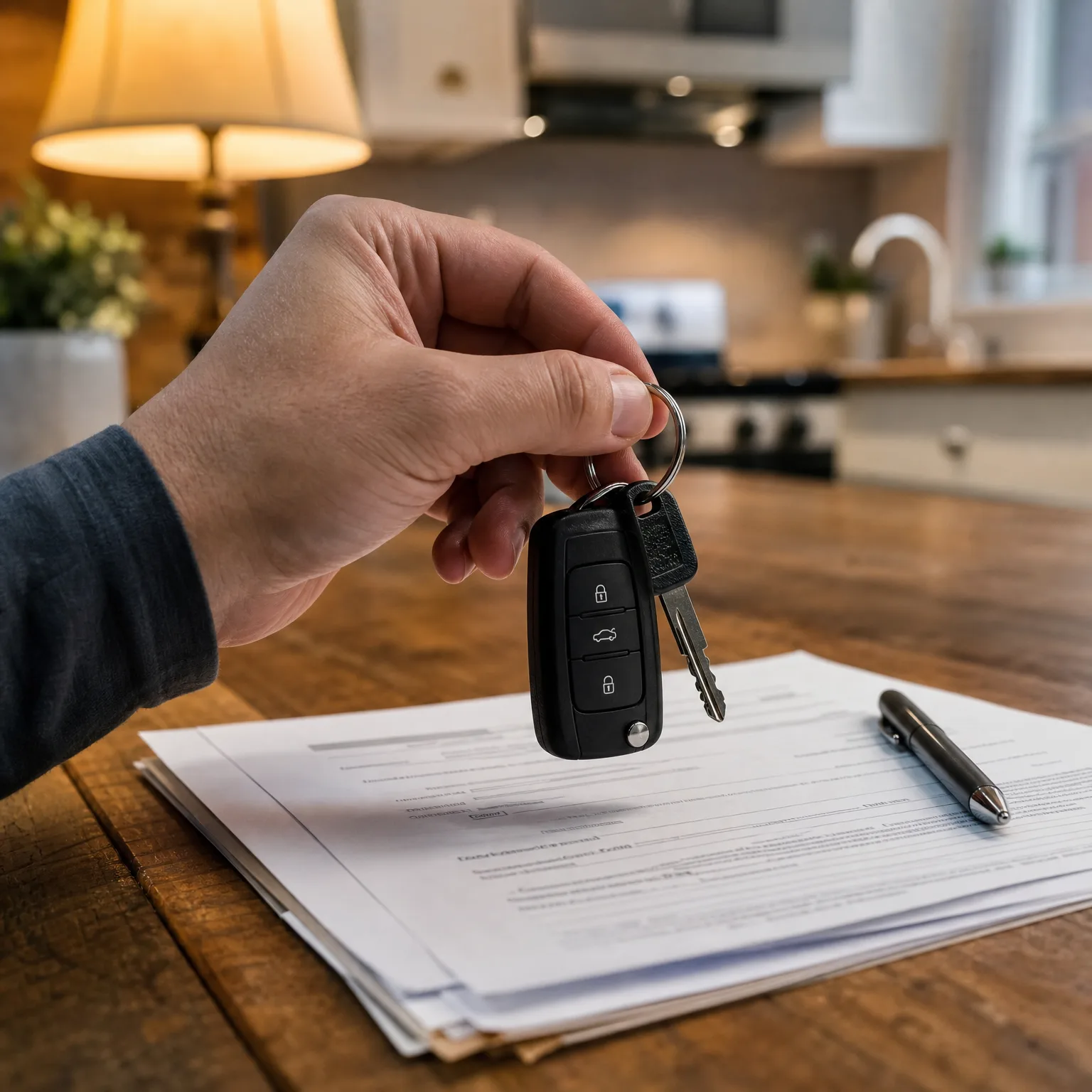
Vermont's child support suspension reinstatement process requires coordination between DCF Child Support Division, Vermont Superior Court Civil Division, and DMV—three separate state entities with no shared case management system. Most delays happen because parents assume one agency notifies the others automatically. They don't.
Here's the actual sequence: you make payments to DCF or establish a payment plan. DCF updates its internal records but does not automatically notify the court. You must request a compliance hearing or ask DCF to submit compliance documentation to family court. The court reviews the submission, holds a hearing if required, and issues a compliance notice. That notice goes to DMV, which then processes the reinstatement—if you've also paid the $71 reinstatement fee and submitted any other required documentation.
The gap between DCF payment confirmation and DMV reinstatement typically runs 30 to 60 days, not because of processing delays but because parents don't know they need to initiate the court compliance step. DCF will confirm you're current on payments. The court will confirm you need a compliance hearing. DMV will confirm they're waiting for the court notice. No single agency manages the full timeline or proactively notifies you of the next required step.
Vermont's Civil Suspension License Option for Child Support Cases
Vermont offers a Civil Suspension License (hardship license) for some suspension types, including child support arrears. This is a court-granted restricted driving privilege that allows limited driving for employment, medical, educational, or essential household needs while your full license remains suspended.
Child support Civil Suspension License petitions are filed in Vermont Superior Court, Civil Division—the same court that issued your suspension. You'll need to demonstrate hardship (typically employment-related), show proof of an active payment plan or compliance effort with DCF, and pay court fees. The court decides whether to grant the petition, what restrictions apply (hours, routes, purposes), and how long the restricted license remains valid.
Most single parents don't realize this option exists because DCF suspension notices don't mention it and DMV cannot grant hardship licenses independently—only the court can. If you need to drive for work while negotiating a payment plan, file the Civil Suspension License petition as soon as possible. Court processing times vary, but expect 3 to 6 weeks from petition filing to hearing date. The restricted license does not reduce your arrears or shorten your suspension period; it only allows limited legal driving during the suspension.

Line Up Coverage Before Your License Comes Back
Get Back on the Road
Insurance Requirements During and After Suspension
Vermont requires continuous liability insurance on registered vehicles under 23 V.S.A. Chapter 11, even if your license is suspended. If you own a vehicle, you must maintain at least Vermont's minimum liability coverage: 25/50/10 (bodily injury per person/per accident, property damage). Letting your policy lapse while your vehicle remains registered triggers a separate registration suspension, which creates a second reinstatement hurdle.
If you don't own a vehicle but need to maintain insurance to satisfy a court requirement or prepare for reinstatement, a non-owner liability policy covers you when driving vehicles you don't own—borrowed cars, rental cars, or employer vehicles. Non-owner policies cost less than standard auto insurance because they don't cover a specific vehicle. Rates in Vermont typically run $30 to $60 per month for minimum liability limits.
SR-22 filing is not required for child support suspensions. If your carrier mentions SR-22 when you call about maintaining coverage during suspension, clarify that your suspension is administrative, not violation-based. Some carriers mistakenly assume all suspensions require SR-22. You need standard liability coverage or a non-owner policy—nothing more.

Lapse-Gap Documentation and What DMV Actually Checks at Reinstatement
Vermont DMV uses an electronic insurance verification system that tracks policy start dates, cancellations, and lapses. When you apply for reinstatement, DMV checks whether you maintained continuous coverage during your suspension period if you owned a registered vehicle. A coverage gap—even one day—can delay reinstatement or trigger additional reinstatement fees.
If you sold your vehicle or transferred the registration during suspension, you need documentation proving the vehicle was unregistered during the period you didn't carry insurance. DMV accepts bill of sale, registration surrender receipt, or vehicle transfer paperwork. Without this documentation, DMV's system flags the lapse as a violation, and you may be required to pay an additional reinstatement fee or provide proof of financial responsibility before your license is restored.
Most single parents don't learn about the lapse-gap rule until they arrive at DMV for reinstatement with their court compliance notice and $71 reinstatement fee, only to be told they need proof of continuous coverage or vehicle disposition. Gather this documentation before you go. If you maintained coverage the entire time, your carrier can provide a letter of continuous coverage. If you didn't own a vehicle, bring proof the registration was surrendered or never active during suspension.
What to Do Right Now If Your License Is Suspended for Child Support
Contact DCF Child Support Division immediately to confirm your current arrears balance and ask what payment amount or plan would satisfy compliance requirements. DCF can tell you the monthly payment needed and how long you need to maintain it before they'll support a court compliance request.
Once you establish a payment plan or make sufficient payments, request a compliance hearing with Vermont Superior Court, Civil Division. You can file this request yourself or work with DCF to submit compliance documentation to the court. Bring proof of payments, your payment plan agreement, and any employment or hardship documentation if you're also seeking a Civil Suspension License.
While waiting for the court hearing, confirm your insurance status. If you own a vehicle, maintain continuous liability coverage to avoid a separate lapse suspension. If you don't own a vehicle, consider a non-owner policy to demonstrate financial responsibility when you reinstate. Gather documentation now—court compliance notice, proof of continuous coverage or vehicle disposition, and the $71 reinstatement fee—so you're ready to reinstate as soon as the court issues its notice to DMV.
Frequently Asked Questions
Do I need SR-22 insurance if my license was suspended for child support in Vermont?
No. Vermont does not require SR-22 filing for child support suspensions because they are administrative, not violation-based. You need standard liability insurance if you own a vehicle, or a non-owner policy if you don't, but SR-22 is not part of the reinstatement process for child support cases.
How long does it take to reinstate my license after I pay my child support arrears in Vermont?
Typically 30 to 60 days after you clear your arrears or establish an approved payment plan. The delay happens because family court must issue a compliance notice to DMV before reinstatement can be processed—this step is not automatic and requires you to request a compliance hearing or submit documentation through DCF.
Can I get a hardship license in Vermont while my license is suspended for child support?
Yes. Vermont's Civil Suspension License allows limited driving for employment, medical, educational, or essential household needs during suspension. You must petition Vermont Superior Court, Civil Division, demonstrate hardship, and show proof of an active payment plan or compliance effort with DCF. The court decides whether to grant it and what restrictions apply.
What happens if I let my car insurance lapse while my license is suspended in Vermont?
If you own a registered vehicle, letting your insurance lapse triggers a separate registration suspension under Vermont's financial responsibility laws. This creates a second reinstatement requirement—you'll need to pay additional fees and provide proof of continuous coverage or vehicle disposition before DMV will restore your license, even after your child support compliance notice is issued.
Do I need to contact my insurance company about my child support suspension in Vermont?
You should notify your carrier that your license is suspended so they can adjust your policy accordingly, but you don't need SR-22 or any special filing. If you own a vehicle, maintain standard liability coverage to avoid a lapse suspension. If you don't own a vehicle, ask about a non-owner policy to keep insurance active during your suspension period.
What documents do I need to bring to DMV to reinstate my license after a child support suspension in Vermont?
You need the court-issued compliance notice showing DCF has approved your payment plan or arrears clearance, proof of continuous insurance coverage or vehicle disposition during suspension, and the $71 reinstatement fee. Without the court compliance notice, DMV cannot process your reinstatement regardless of your payment status with DCF.
Related Articles

VT Child Support Suspension: SR-22 Timing for Students
5/3/2026
VT Child Support Suspension: Rideshare Costs & SR-22 Facts
5/3/2026

VT Child Support Suspension: Rideshare SR-22 Timing
5/3/2026

VT Child Support Suspension: Court to DMV Clearance Gap
5/3/2026

VT Child Support Suspension: CDL Insurance Timing
5/3/2026
WV Child Support Suspension: SR-22 & Reinstatement
5/3/2026