
Utah Child Support Suspension: SR-22 Timing After Arrears Release
Free to compare
Why Utah Child Support Suspensions Don't Require SR-22 Filing
Utah's child support license suspension is an administrative action, not a moving violation suspension. The Office of Recovery Services (ORS) suspends your license to enforce payment compliance, not because you committed a traffic offense. SR-22 certificates of financial responsibility are required only when Utah law mandates proof of insurance after specific violations: DUI, reckless driving, uninsured driving, or at-fault accidents without coverage.
Because child support arrears suspensions fall outside these categories, Driver License Division does not require SR-22 filing for reinstatement. Your license becomes eligible for reinstatement the moment ORS submits clearance confirmation to DLD—no insurance filing, no high-risk coverage, no carrier notification to the state. Most parents waste time and money filing SR-22 because law firm pages and aggregators treat all suspensions identically, never distinguishing administrative holds from violation-based suspensions.
This distinction matters because filing SR-22 when it isn't required flags you as high-risk to carriers, raises your premiums unnecessarily, and creates processing confusion at DLD when your file shows an SR-22 certificate attached to a suspension type that doesn't legally require one. The reinstatement pathway is simpler than most sources claim—but only if you understand what type of suspension you're dealing with.
How ORS Clearance Submission Creates the Actual Reinstatement Timeline
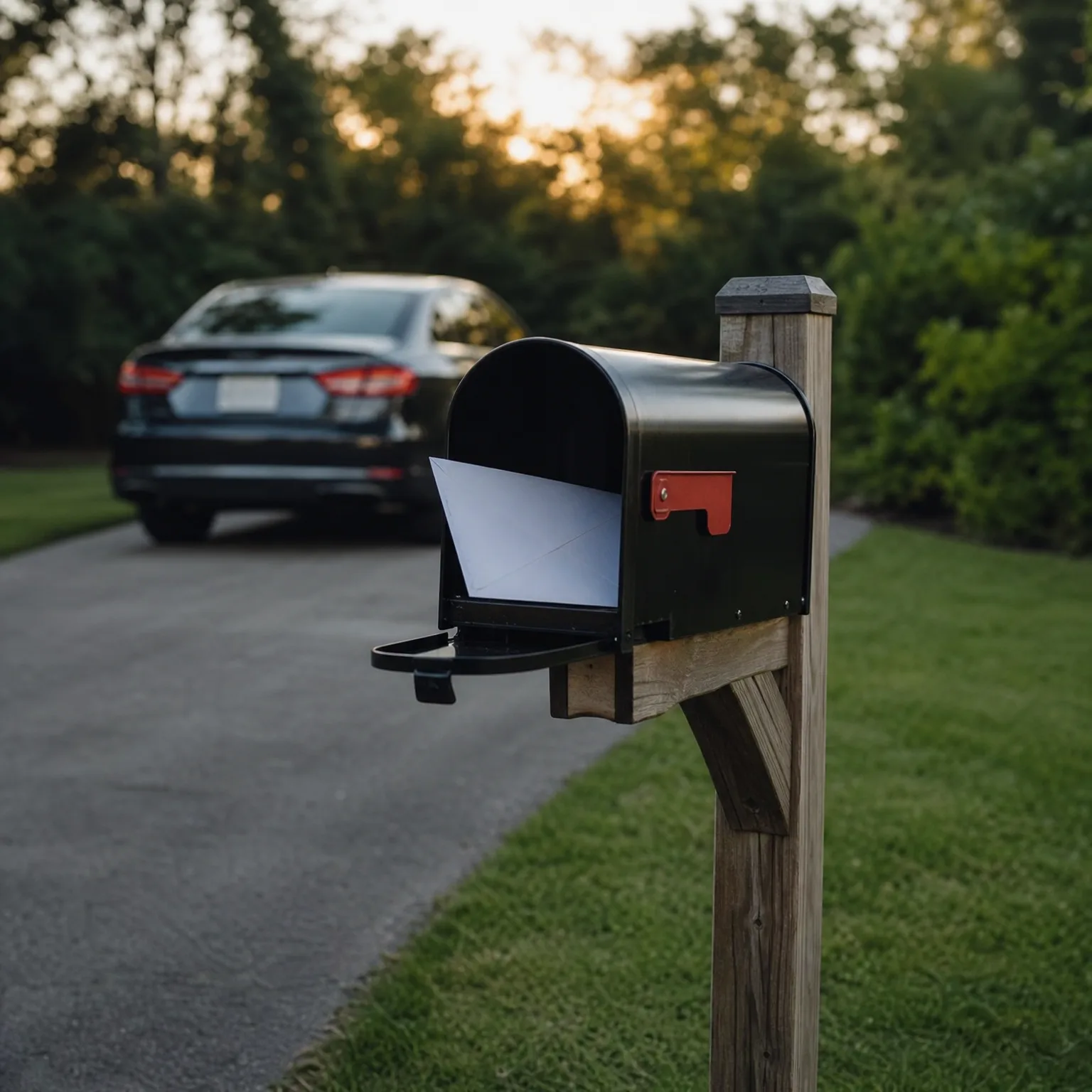
Your reinstatement clock doesn't start when you make your final arrears payment. It starts when ORS submits official clearance documentation to Driver License Division. This submission is not automatic and does not happen the same day you satisfy your payment plan or compliance agreement.
ORS processes clearance submissions in batches, typically every 7-14 business days depending on workload and case backlog. After you make your final payment or enter a compliant payment plan, ORS reviews your case file, verifies all conditions are met, generates the clearance notice, and electronically transmits it to DLD. That transmission triggers DLD's reinstatement eligibility review, which takes an additional 5-10 business days to process and post to your driver record.
Most Utah parents assume clearance is instant and visit a DLD office the day after their final payment, only to find their suspension still active in the system. The caseworker at ORS cannot expedite the batch submission process. The DLD counter agent cannot override a suspension until ORS clearance appears in the system. Calling ORS daily does not speed up the timeline. The gap between your final payment and license reinstatement eligibility is structural, not discretionary—and it runs 15-30 days in most cases, longer during peak processing periods or if your case involves multiple jurisdictions.


What Happens If You File SR-22 Before ORS Clearance Posts
Filing SR-22 before ORS submits clearance to DLD does not speed up your reinstatement. It creates two separate records in two separate systems that do not automatically reconcile. Your carrier files the SR-22 certificate with DLD's Financial Responsibility Section. ORS files clearance with DLD's Suspensions and Revocations Section. These are distinct units within DLD with separate databases and no real-time synchronization.
When you arrive at a DLD office to reinstate, the counter agent checks the Suspensions database for clearance status. If ORS clearance hasn't posted yet, your license remains suspended regardless of whether an SR-22 is on file. The agent cannot manually override the suspension using your SR-22 filing because the suspension was administrative, not insurance-related. You will be turned away and told to wait until ORS clearance appears.
Worse, the SR-22 filing now appears on your driver record as an active certificate attached to a suspension that didn't require it. Some carriers interpret this as a compliance filing and maintain high-risk pricing for the full 3-year SR-22 term even after your suspension clears. Removing an incorrectly filed SR-22 requires written request to your carrier, confirmation from DLD that SR-22 was not legally required, and 15-30 days of processing time. You pay elevated premiums during that entire window. The filing you thought would help actually delays your return to standard rates.

Line Up Coverage Before Your License Comes Back
Get Back on the RoadThe Correct Reinstatement Sequence for Utah Child Support Cases
Step one: satisfy your arrears payment plan or compliance agreement with ORS. This includes making all required payments, submitting income withholding documentation if ordered, and confirming that ORS has marked your case as compliant. Do not assume compliance—call ORS at 801-536-8500 and request written confirmation that your case is cleared for license reinstatement submission.
Step two: wait for ORS to submit clearance to DLD. This happens automatically in batches every 7-14 business days. You cannot expedite it by calling. You cannot expedite it by visiting a DLD office. ORS does not provide advance notice when your clearance is submitted. The only way to confirm submission is to check your driver record status through DLD's online license status portal or by calling DLD's Suspensions Section at 801-965-4437.
Step three: once clearance posts to your driver record, visit a DLD office with identification, pay the $55 reinstatement fee, and request license reinstatement. No SR-22 filing is required. No proof of insurance is required unless you are reinstating a license that was also suspended for uninsured driving or another violation-based cause simultaneously. If child support arrears was your only suspension cause, the reinstatement process ends here.
If you filed SR-22 before ORS clearance posted, contact your carrier immediately after reinstatement and request SR-22 termination. Submit a copy of your reinstated license and a statement that the suspension was for child support arrears, not a violation requiring SR-22. Most carriers process termination within 10 business days once they confirm the filing was not legally mandated.

When You Do Need Insurance During Child Support Suspension
Utah does not require you to maintain auto insurance while your license is suspended for child support arrears if you are not driving. If you own a vehicle and park it during the suspension, you can cancel your policy without penalty. If you do not own a vehicle, you have no insurance obligation during the suspension period.
However, if you continue driving on a suspended license—even to work, even for emergencies—you are committing a Class B misdemeanor under Utah Code 53-3-227. A conviction adds a separate suspension on top of your child support suspension, extends your total suspension period by 90 days minimum, and may trigger an SR-22 requirement for the unlicensed driving conviction even though the original child support suspension did not require one.
If you need to drive legally during suspension, Utah does not offer restricted or hardship licenses for administrative suspensions. Your only legal option is to reinstate your license by clearing the child support hold. Some parents attempt to obtain non-owner SR-22 policies thinking it will allow limited driving—it does not. SR-22 filing does not override an active suspension. It only proves you carry minimum liability coverage, which is irrelevant when your driving privilege is administratively revoked.

How Multiple Suspension Causes Change the SR-22 Requirement
If your license was suspended for child support arrears and simultaneously for another cause—DUI, uninsured driving, reckless driving, excessive points—the SR-22 requirement depends on which suspension cause triggered it. DLD treats each suspension independently. Clearing the child support hold does not automatically clear a DUI suspension. Clearing a DUI suspension does not automatically clear the child support hold.
If the other suspension cause requires SR-22, you must file SR-22 and maintain it for the legally required period (typically 3 years from reinstatement) to satisfy that suspension, even though the child support suspension does not require it. Your reinstatement fee may also be higher because DLD charges separate reinstatement fees for each suspension cause: $55 for child support clearance, $470 for DUI reinstatement, $65 for points suspension clearance.
Check your driver record summary before paying any reinstatement fees. The summary lists all active suspension causes and their individual clearance requirements. If child support arrears is your only listed cause, SR-22 is not required. If your record shows multiple causes, contact DLD's Suspensions Section at 801-965-4437 and request a detailed breakdown of what documentation, fees, and filings are required to clear each cause separately.
Frequently Asked Questions
Does clearing child support arrears in Utah automatically reinstate my license?
No. Clearing arrears makes you eligible for reinstatement, but ORS must submit official clearance to Driver License Division before your suspension lifts. That submission happens in batches every 7-14 business days, and DLD takes an additional 5-10 business days to process and post clearance to your record. You must then visit a DLD office, pay the $55 reinstatement fee, and request reinstatement.
Can I get a hardship license in Utah while my license is suspended for child support?
No. Utah does not issue restricted, hardship, or limited driving privileges for administrative suspensions like child support arrears. Your only legal option is to satisfy the arrears payment plan or compliance agreement with ORS and wait for full reinstatement. Driving on a suspended license is a Class B misdemeanor and adds a separate 90-day suspension.
How long does it take ORS to notify Driver License Division after I pay my arrears?
ORS processes clearance submissions in batches every 7-14 business days after you satisfy your payment plan. Once submitted, DLD takes an additional 5-10 business days to post clearance to your driver record. Total timeline from final payment to reinstatement eligibility is typically 15-30 days, longer during peak processing periods.
What happens if I filed SR-22 thinking it was required for my child support suspension?
Contact your carrier immediately after reinstatement and request SR-22 termination. Submit a copy of your reinstated license and explain that the suspension was administrative, not violation-based. Most carriers process termination within 10 business days once they confirm SR-22 was not legally required, but you will pay elevated premiums until termination completes.
Do I need to keep car insurance while my license is suspended for child support arrears in Utah?
No, if you are not driving. Utah does not require you to maintain insurance during an administrative suspension if your vehicle is parked. If you do not own a vehicle, you have no insurance obligation. However, driving on a suspended license is a criminal offense and may trigger a separate SR-22 requirement if convicted.
Can I reinstate my Utah license if I still owe child support but have a payment plan?
Yes, if ORS has approved your payment plan and marked your case as compliant. ORS can clear your license hold even if arrears remain, provided you are making required payments on schedule and meeting all compliance conditions. Contact ORS at 801-536-8500 to confirm your case is cleared for license reinstatement submission.
Related Articles

Utah Child Support Suspension: SR-22 & Student Reinstatement
5/3/2026
Utah CDL Child Support Suspension: SR-22 & Lapse Gaps
5/3/2026

Utah Child Support Suspension Reinstatement Costs
5/3/2026

Utah Child Support Suspension: Court vs DMV Timing
5/3/2026

Utah Child Support SR-22 Filing After Clearance
5/3/2026

Utah Unpaid Ticket Suspension: SR-22 Timing Guide
5/3/2026