
Utah Child Support License Reinstatement: Court vs DMV Timing
Free to compare
Why Your License Stays Suspended After Court Clearance
Utah's child support suspension system involves two separate agencies: the Office of Recovery Services (ORS) and the Driver License Division (DLD). When you fall behind on child support payments, ORS certifies you to DLD for suspension. When you clear your arrears or establish a compliant payment plan, the court issues a clearance—but that clearance does not automatically reach DLD.
The court notifies ORS of your compliance. ORS then generates a release notice and submits it to DLD. This administrative handoff typically takes 10 to 21 business days after your court hearing, assuming no paperwork delays or coordination gaps between the two agencies. Most single parents leave court believing reinstatement is automatic and discover weeks later their license remains suspended because they never verified DLD received the release.
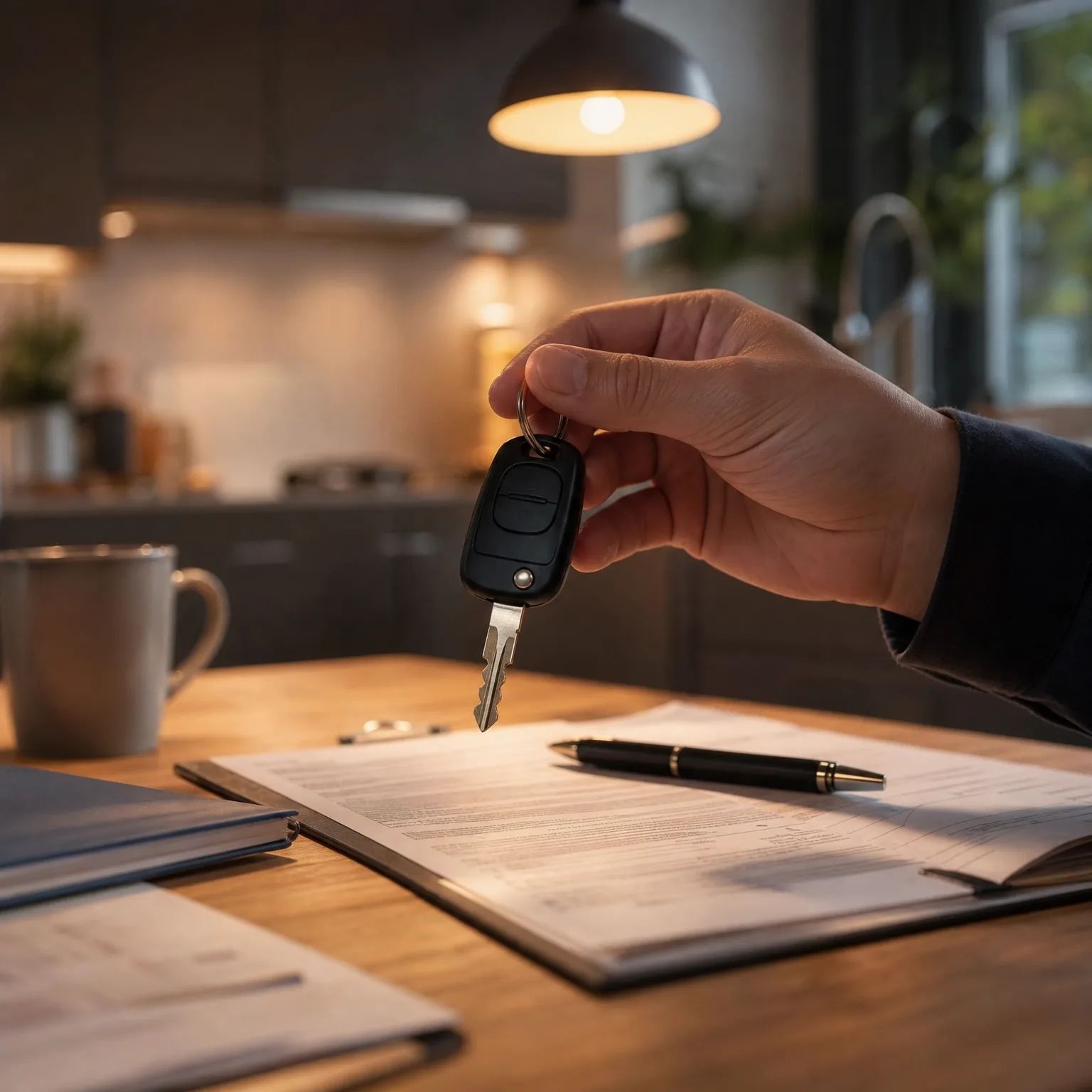
You can eliminate this delay by requesting a certified court clearance letter at your compliance hearing and hand-delivering it to a DLD office the same day. DLD accepts certified court documents as immediate proof of compliance and will process reinstatement on the spot if you provide proof of insurance, pay the $30 reinstatement fee, and meet all other eligibility requirements. Waiting for the agency-to-agency notification process extends your suspension unnecessarily.
What the Court Considers Compliance
Utah courts clear child support suspensions under two conditions: full payment of certified arrears, or establishment of a court-approved payment plan with consistent on-time payments for a minimum period. The minimum compliance period varies by county and judge, but typically ranges from 60 to 90 days of documented payments without missed due dates.
If you are negotiating a payment plan, request specific written confirmation from the court that plan approval will trigger suspension clearance. Some judges require a longer compliance demonstration period before certifying clearance to ORS—ask the judge to state the exact timeline on the record during your hearing. A verbal understanding does not protect you if ORS later refuses to issue the release because the court order lacked explicit reinstatement language.
Partial payment alone does not qualify. Arrears must be reduced to zero, or a formal payment plan must be approved by the court and filed with ORS. Informal agreements between parents are not recognized by DLD. The release must originate from ORS based on a documented court order or verified payment history.

The Manual DMV Clearance Submission Process
To reinstate your license immediately after court clearance, bring the following documents to any Utah DLD office: the certified court clearance letter, proof of current auto insurance meeting Utah's minimum liability and PIP requirements, and payment for the $30 reinstatement fee. DLD staff will verify the clearance against their suspension records and process reinstatement if all requirements are satisfied.
Utah is a no-fault insurance state, which means you must carry both liability coverage and Personal Injury Protection (PIP) minimums of $3,000. A liability-only policy will not satisfy reinstatement requirements. If you do not currently own a vehicle, you need a non-owner liability policy that includes PIP coverage to meet state requirements during the reinstatement process.
Child support suspensions in Utah do not require SR-22 filing. This is an administrative suspension, not a violation-based suspension. If a carrier or agent tells you SR-22 is required for child support reinstatement, they are either confused about your suspension type or attempting to sell you coverage you do not legally need. Confirm your suspension reason directly with DLD before purchasing any policy.

Line Up Coverage Before Your License Comes Back
Get Back on the RoadHow Long the Agency-to-Agency Process Actually Takes
When you rely on the automatic notification process, expect 10 to 21 business days between court clearance and DLD receiving the ORS release notice. This assumes no administrative errors, no missing signatures on court documents, and no backlogs at either agency. In practice, coordination gaps extend this timeline frequently.
Common failure points: the court clerk submits the order to ORS without the specific language ORS requires to generate a release. ORS generates the release but it sits in a processing queue for weeks. DLD receives the release electronically but the record does not update in real time, so when you call DLD they still show you as suspended. You assume the delay means the court order was defective and you restart the compliance process unnecessarily.
You eliminate all these failure points by hand-delivering certified court documentation to DLD yourself. The 10 to 21 day window becomes same-day reinstatement if you bring the correct documents and meet all other requirements. The $30 reinstatement fee is the same whether you wait for the automatic process or handle it manually—there is no financial penalty for taking control of the timeline.
What Happens If You Drive Before Full Clearance
Driving on a suspended license in Utah is a Class B misdemeanor for a first offense, punishable by up to six months in jail and fines up to $1,000. If you are stopped during the administrative gap between court clearance and DLD reinstatement, the officer will see an active suspension in the system—your court compliance does not appear in DLD records until the release is processed.
You cannot use a certified court clearance letter as proof of legal driving status. The letter proves you satisfied the court's requirements, but your license remains legally suspended until DLD processes reinstatement and issues a valid license. Even if you paid your arrears in full and left the courthouse with signed paperwork, your driving privilege is not restored until DLD confirms it.
If you need to drive for work, medical appointments, or childcare during the clearance processing window, contact DLD to confirm receipt of the ORS release and pay for same-day reinstatement rather than assuming clearance is automatic. A second suspension for driving during the administrative gap restarts the entire reinstatement timeline and adds new penalties on top of your child support compliance.
Limited License Options During Child Support Suspension
Utah offers a Limited License for some suspension types, but eligibility for child support suspensions is highly restrictive. Because child support suspension is an administrative action triggered by non-compliance with a court order, judges have broad discretion to deny Limited License petitions until the underlying arrears are resolved or a payment plan is established and demonstrated.
If you petition for a Limited License while still in arrears, expect the court to require proof of employment, documentation of essential travel needs such as medical appointments or court-ordered programs, and an SR-22 financial responsibility certificate even though SR-22 is not required for final reinstatement. The court may also require ignition interlock device installation depending on your broader driving record, particularly if you have prior DUI history.
Limited License terms are court-defined and typically restrict driving to work, school, medical appointments, and court-ordered programs during specific hours. Violating these restrictions results in immediate revocation of the Limited License and extension of the underlying suspension. Because Utah's Limited License is entirely court-controlled rather than DMV-administered, outcomes vary significantly by county and judge—some jurisdictions are far more willing to grant relief than others.
Frequently Asked Questions
Do I need SR-22 to reinstate my Utah license after child support suspension?
No. Child support suspensions in Utah do not require SR-22 filing for reinstatement. You need proof of insurance meeting Utah's liability and PIP minimums, but SR-22 is only required for violation-based suspensions such as DUI or uninsured driving. If a carrier tells you SR-22 is required for child support reinstatement, verify your suspension type directly with the Driver License Division before purchasing coverage.
How long does it take for the court to notify the DMV after I pay my child support arrears?
The court notifies the Office of Recovery Services (ORS), which then generates a release notice to the Driver License Division. This administrative process typically takes 10 to 21 business days, but can be delayed by paperwork errors or processing backlogs. You can eliminate this delay by requesting a certified court clearance letter and hand-delivering it to a DLD office the same day.
Can I get a hardship license in Utah while my child support case is still open?
Utah offers a Limited License, but eligibility for child support suspensions is restrictive and requires court approval. Most judges require proof of employment, documentation of essential travel needs, and an SR-22 certificate even though SR-22 is not required for final reinstatement. Outcomes vary significantly by county and judge—some jurisdictions grant relief more readily than others.
What happens if I drive in Utah after the court clears my case but before the DMV processes it?
Driving on a suspended license in Utah is a Class B misdemeanor punishable by up to six months in jail and fines up to $1,000. Your license remains legally suspended until DLD processes the release and issues a valid license—a court clearance letter does not restore driving privileges. If you are stopped during the processing gap, the officer will see an active suspension and you will face new penalties.
What counts as compliance for Utah child support license reinstatement?
Utah courts clear suspensions when you pay certified arrears in full or establish a court-approved payment plan with consistent on-time payments for a minimum period, typically 60 to 90 days. Partial payments and informal agreements do not qualify. The release must originate from the Office of Recovery Services based on a documented court order or verified payment history.
Do I need a car to reinstate my Utah license after child support suspension?
No. You can reinstate your license with a non-owner liability policy that includes Utah's required PIP coverage. Non-owner policies satisfy state insurance requirements during reinstatement even if you do not currently own a vehicle. Once reinstated, you are legally licensed to drive any vehicle you are authorized to operate.
Related Articles
Utah Child Support Suspension: Court vs DMV Timing
5/3/2026
Utah Child Support Clearance: Court vs DMV Timing
5/3/2026
Utah Child Support Suspension: Reinstatement Costs
5/3/2026
Utah CDL Child Support Reinstatement
7/13/2026
Utah Warrant Suspension: Court Clearance to DLD Timing
5/3/2026
Utah CDL Child Support Suspension: SR-22 & Lapse Gaps
5/3/2026