SD Child Support Reinstatement: SR-22 vs. Restricted License
Free to compare
Child support suspensions in South Dakota don't require SR-22 filing
South Dakota suspends licenses for child support arrears under an administrative process managed by the Division of Child Support (DCS) and the Department of Social Services. SR-22 insurance filing is not required to lift a child support suspension in South Dakota. This puts you in a different category than DUI or uninsured-driving suspensions, where SR-22 is mandatory.
The confusion arises because many drivers see "suspended license" and assume SR-22 automatically applies. It doesn't. Child support suspensions are purely administrative. Your reinstatement depends on two things: making a payment arrangement or clearing arrears with family court, and then submitting proof of compliance to the SD Division of Motor Vehicles. No insurance filing is involved unless you have a separate violation on your record that independently requires SR-22.
Rideshare drivers need to understand this distinction immediately because it changes your insurance strategy. If you're driving for Uber or Lyft under a restricted license, you'll need rideshare-compatible liability coverage that meets platform requirements—but you won't be paying high-risk SR-22 premiums unless another violation triggers that separately.
How restricted licenses work for rideshare routes in South Dakota
South Dakota calls it a Restricted License, and you petition the circuit court directly—not the DMV. SDCL 32-12-53 governs restricted driving privileges. The circuit court has full discretion to grant or deny your petition and to set the terms. This is not an automatic administrative process. You submit a petition explaining why you need to drive, and a judge decides.
For rideshare drivers, this creates a procedural challenge most drivers don't anticipate: you must specify the geographic areas and hours you'll be driving for Uber or Lyft. "I drive for rideshare" is not specific enough. The court wants documented proof of employment need, which for gig work means showing your platform contractor agreement, recent earnings statements, and a written explanation of your typical service area and hours. Omit any of these and your petition will likely be denied on first submission.
The restricted license is court-defined. The judge sets the permitted hours, days, and routes. If you're approved for Monday through Friday, 6 a.m. to 8 p.m., within Sioux Falls city limits for employment purposes, that's your legal boundary. Operating outside those parameters is driving on a suspended license, even if you hold a restricted license. Law enforcement can verify restrictions in real time during a traffic stop.


Filing the circuit court petition while your child support case is open
You can file your restricted license petition with the circuit court before your child support compliance is finalized, but approval timing depends on whether the court views your arrears status as resolved or in progress. South Dakota circuit courts generally prefer to see a payment plan in place or substantial progress on arrears before granting restricted privileges. Filing early doesn't hurt—it shows proactive effort—but expect the court to coordinate with family court or DCS to verify compliance status.
The petition requires an SR-22 certificate of insurance only if your suspension also involves a DUI, uninsured driving, or another violation requiring SR-22. For child support suspensions alone, you submit proof of current liability insurance—not SR-22. Use South Dakota's minimum liability limits: 25/50/25. Rideshare drivers must carry commercial rideshare endorsements or platform-provided coverage that meets these minimums during active trips, but for the restricted license petition itself, personal liability proof is sufficient.
Processing time varies by county. Minnehaha County and Pennington County handle higher petition volumes and may take 30 to 45 days from filing to hearing. Smaller counties sometimes schedule hearings within two weeks. You won't drive legally on the restricted license until the court issues the order and you receive the physical restricted license from the DMV—petition approval alone doesn't authorize driving.
Why family court clearance and DMV reinstatement don't sync automatically
This is where most South Dakota drivers lose weeks. You make your payment arrangement with DCS or the family court. The court issues a compliance notice or clearance letter. You assume the DMV will process your reinstatement automatically. It won't. South Dakota operates separate administrative tracks for child support enforcement and driver licensing. The family court does not directly notify the DMV when you've satisfied arrears conditions.
You must take the family court's compliance documentation to the DMV yourself and request reinstatement. The DMV will verify the clearance with DCS, which adds another 7 to 15 business days if DCS hasn't already updated its database. If you submit your compliance letter the same day family court issues it, DCS may not have logged the clearance yet, and the DMV will tell you to come back. Most drivers don't know to wait 10 days between receiving the family court letter and visiting the DMV.
The reinstatement fee is $50. You'll pay this at the DMV after they verify compliance. If you're also seeking full reinstatement (not a restricted license), you may need to retest depending on how long your license has been suspended. Suspensions over one year typically require a written knowledge test; suspensions over two years may require a road test. Verify current requirements with the SD Division of Motor Vehicles before your reinstatement appointment.
Line Up Coverage Before Your License Comes Back
Get Back on the Road
What rideshare platforms require during restricted license status
Uber and Lyft run continuous background checks that include driving record monitoring. A restricted license will flag in their systems. Whether the platform deactivates you depends on the suspension reason and your market. Child support suspensions are administrative, not moving violations, so some markets allow continued driving under a restricted license as long as you maintain commercial rideshare insurance and meet all other platform requirements. Other markets treat any restricted license as disqualifying.
You cannot assume your platform will allow restricted-license driving. Contact Uber or Lyft driver support directly, explain that your restricted license is for child support (not DUI, not points accumulation), and ask for written confirmation of eligibility. If the platform says no, you're done driving until full reinstatement. Driving anyway risks deactivation, insurance claim denial if you're in an accident, and criminal charges for violating restricted license terms.
If your platform allows restricted driving, your commercial rideshare coverage must remain active. Personal liability insurance alone won't cover you during periods when the Lyft or Uber app is on. Most rideshare endorsements or platform-provided policies require an unrestricted license in the policy terms. Read your policy declarations page. If it says "valid unrestricted license required," you're uninsured the moment you log into the app with a restricted license, even if the state allows it. Clarify this with your carrier before your first trip.
Lapse-gap documentation: why your restricted license approval date matters
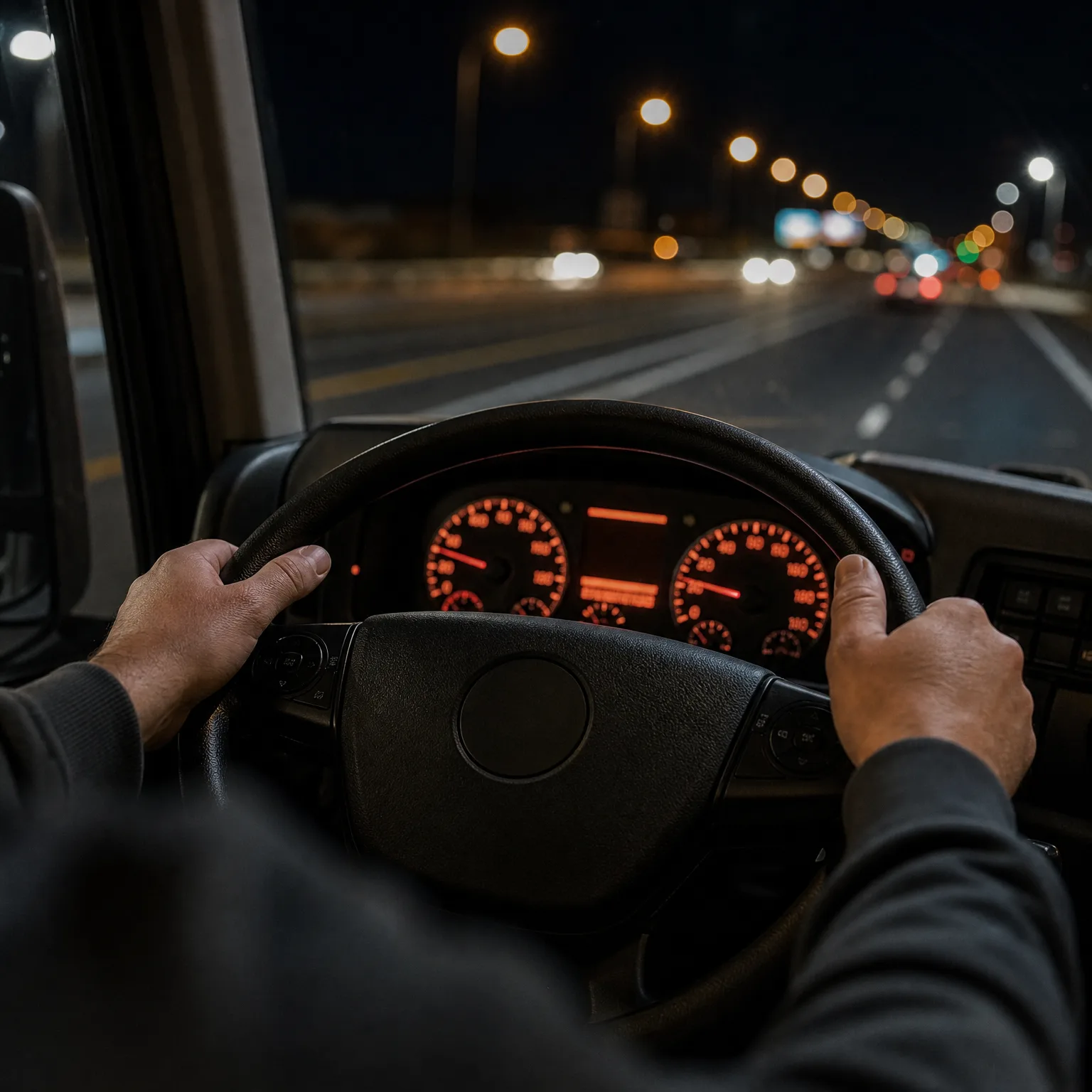
South Dakota uses an electronic insurance verification system under SDCL Title 32, Chapter 35. Carriers report policy cancellations and new coverage to the state. If your liability insurance lapsed during the suspension period, the DMV will flag that gap during reinstatement review. Even though child support suspensions don't require SR-22, continuous liability coverage on any registered vehicle is still required under South Dakota law. Operating an uninsured vehicle is a misdemeanor under SDCL 32-35-113.
If you surrendered your plates and registration when your license was suspended, the continuous coverage requirement doesn't apply to that vehicle during the suspension period. But if the vehicle remained registered in your name, any lapse creates a secondary violation. The DMV may require proof of continuous coverage or vehicle de-registration during the suspension window before processing reinstatement. Most drivers don't realize this until they're sitting at the DMV counter and the clerk asks for insurance history documentation.
For rideshare drivers, this gets complicated if you were leasing or financing a vehicle during suspension. Lenders require continuous comprehensive and collision coverage. If you dropped liability to save money during suspension but kept comp/collision to satisfy the lender, your insurance history will show a lapse in liability coverage, which is what the DMV cares about. Bring your insurance declarations pages for the entire suspension period to your reinstatement appointment. If you can't document continuous coverage, expect additional fees or a separate violation penalty before the DMV will process reinstatement.
Insurance options if you don't own a vehicle but need proof for the court
Many rideshare drivers use rental vehicles or platform-provided vehicle programs. If you don't own a car but need to show proof of insurance for your restricted license petition, a non-owner liability policy satisfies South Dakota's requirement. Non-owner policies provide liability coverage when you're driving a vehicle you don't own—rentals, borrowed cars, or Zipcar-type services. They meet the state's 25/50/25 minimum and cost significantly less than standard auto policies because there's no vehicle to insure for physical damage.
Non-owner policies do not cover rideshare activity. You'll need the platform's commercial coverage active during trips. But for the restricted license petition itself, a non-owner policy proves you carry the legally required liability insurance, which is what the circuit court wants to see. Costs run approximately $30 to $60 per month in South Dakota for drivers with clean records aside from the child support suspension. If you have other violations on your record, expect higher rates.
If you plan to drive for Uber or Lyft immediately after reinstatement using a rental or platform vehicle program, confirm that your rideshare endorsement or the platform's commercial policy covers you during restricted license status. Most rental agreements for rideshare explicitly require an unrestricted license. Violating that term voids your rental contract and leaves you personally liable for any damage or injury during a trip.
Frequently Asked Questions
Does South Dakota require SR-22 for child support license suspension?
No. South Dakota does not require SR-22 filing to reinstate a license suspended for child support arrears. SR-22 is only required for DUI, uninsured driving, reckless driving, and certain other moving violations. Child support suspensions are administrative actions that require proof of payment compliance and standard liability insurance, not SR-22.
Can I drive for Uber or Lyft in South Dakota with a restricted license?
It depends on your platform and market. Some Uber and Lyft markets allow restricted license driving if the suspension is for child support (not DUI or points), but others treat any restricted license as disqualifying. Contact your platform's driver support directly and request written confirmation before logging into the app. Driving without platform approval risks deactivation and uninsured operation.
How long does it take to get a restricted license in South Dakota after filing the petition?
Processing time varies by county. Minnehaha and Pennington counties typically take 30 to 45 days from petition filing to hearing. Smaller counties may schedule hearings within two weeks. You cannot drive legally on the restricted license until the circuit court issues the order and the DMV provides the physical restricted license.
What happens if I drive outside my restricted license hours in South Dakota?
Operating outside the court-defined hours, routes, or purposes on your restricted license is driving on a suspended license under South Dakota law. Law enforcement can verify your restriction terms during a traffic stop. Violations can result in criminal charges, extended suspension, restricted license revocation, and liability insurance claim denial if you're involved in an accident.
Will the DMV automatically reinstate my license after I pay child support arrears?
No. South Dakota's family court and DMV systems do not sync automatically. After family court issues compliance clearance, you must submit that documentation to the DMV yourself and request reinstatement. The DMV will verify clearance with the Division of Child Support, which can take 7 to 15 business days. The $50 reinstatement fee is paid at the DMV after verification.
Do I need to keep insurance active during a South Dakota license suspension?
If your vehicle remains registered in your name during suspension, South Dakota requires continuous liability coverage under SDCL 32-35-113. If you surrender your plates and de-register the vehicle, continuous coverage is not required for that vehicle. Failure to maintain required coverage creates a secondary violation that must be resolved before reinstatement.
Can I use a non-owner policy to satisfy South Dakota's restricted license insurance requirement?
Yes. A non-owner liability policy meets the 25/50/25 minimum required for restricted license petitions in South Dakota. Non-owner policies cover liability when driving vehicles you don't own, which works for rideshare drivers using rentals or platform vehicle programs. Non-owner policies do not cover rideshare activity—you'll need the platform's commercial coverage during trips.
Related Articles

SD Child Support Suspension: Reinstatement Cost for Rideshare
5/3/2026

ND Child Support Suspension: Rideshare SR-22 & Fees
5/3/2026

SD Child Support Suspension: SR-22 Timing & Insurance
5/3/2026
ND Child Support Suspension: SR-22 Timing for Rideshare
5/3/2026
SC Child Support Suspension: Rideshare SR-22 & Reinstatement
5/3/2026

SD Rideshare Unpaid Tickets Suspension: Real Costs
5/3/2026