
PA Child Support Reinstatement Costs for Rideshare Drivers
Free to compare
Why rideshare background checks fail before your license shows active
PennDOT takes 7-14 business days to process your reinstatement after receiving the compliance notice from the Pennsylvania Department of Human Services (DHS) Division of Child Support Services (DCSS). Your license status shows suspended in third-party databases during that window. Uber and Lyft run background checks through Checkr, which pulls directly from PennDOT's driver history database—not from the family court's compliance records.
Most rideshare drivers assume the DCSS compliance notice instantly clears their suspension. It does not. The compliance notice triggers PennDOT's reinstatement workflow, but PennDOT must manually update your driver record, mail confirmation to your address of record, and sync the status change across state databases before Checkr sees you as eligible.
If you submit your rideshare application before PennDOT completes processing, Checkr returns a suspended license flag and most platforms automatically reject your application. You cannot appeal a background check failure caused by accurate data—you must wait for PennDOT's system to update, then reapply and pay Uber or Lyft's reactivation fee if your account was deactivated.
The three-agency cost stack Pennsylvania does not advertise
Pennsylvania's child support suspension reinstatement requires coordinating fees across three separate agencies: family court, DCSS, and PennDOT. The $50 PennDOT restoration fee listed on the state's fee schedule is the smallest cost in the sequence.
Before PennDOT will process reinstatement, DCSS must issue a compliance notice confirming you have satisfied arrears or entered an approved payment plan. Most counties require a compliance petition filing fee ranging from $150 to $300, paid to the court of common pleas in your county of residence. This fee is county-specific—Philadelphia charges $279, Allegheny County charges $175, and rural counties typically charge $150. You pay this before the court schedules your compliance hearing.
If you satisfied arrears through wage garnishment or intercepted tax refunds, you may not owe a separate court filing fee because the compliance notice is generated administratively. If you negotiated a payment plan or modification, you pay the filing fee for the petition hearing. DCSS does not waive this fee based on hardship.
After the court issues the compliance order, you pay the $50 restoration fee directly to PennDOT. This can be done online at dmv.pa.gov if your suspension is solely for child support arrears and you have no other active suspensions. If you have stacked suspensions (for example, child support plus an insurance lapse under 75 Pa.C.S. § 1786), PennDOT requires in-person reinstatement at a Driver License Center, and you pay $50 per suspended item—registration and license billed separately if both were suspended.
Why SR-22 insurance does not apply to child support suspensions
Pennsylvania does not require SR-22 financial responsibility certification for child support arrears suspensions. SR-22 filing is mandated under 75 Pa.C.S. § 1786 for insurance lapse violations and under 75 Pa.C.S. § 3804 for DUI convictions. Child support suspensions are administrative actions under 23 Pa.C.S. § 4342, enforced by family court and DCSS—not motor vehicle violations.
If your suspension was solely for child support arrears and you had valid auto insurance coverage throughout the suspension period, you do not need to file SR-22 or pay high-risk insurance premiums. You maintain your existing policy or purchase standard liability coverage to meet Pennsylvania's minimum financial responsibility requirement: $15,000 bodily injury per person, $30,000 per accident, $5,000 property damage.
Rideshare drivers must meet higher liability minimums set by Uber and Lyft. Both platforms require 50/100/25 coverage while logged into the app but not transporting passengers. This is Pennsylvania law under Act 164 of 2016, which regulates transportation network companies. You need commercial rideshare endorsement or a commercial policy—standard personal auto policies exclude rideshare activity.
Carriers offering rideshare endorsements in Pennsylvania include State Farm, GEICO, Progressive, Allstate, and Erie Insurance. The endorsement typically adds $10-$30/month to your base premium. If you drive full-time for Uber or Lyft, expect commercial TNC policies to cost $140-$240/month depending on your age, county, and driving history.

Line Up Coverage Before Your License Comes Back
Get Back on the RoadHow long the compliance-to-reinstatement sequence actually takes
Pennsylvania family courts schedule compliance hearings 30-60 days after you file your petition, depending on the county's docket. Philadelphia and Allegheny counties typically schedule within 30-45 days. Rural counties with lighter caseloads may schedule within 21 days. You cannot accelerate the court's timeline by paying extra fees.
After the court issues your compliance order, the clerk submits the order to DCSS electronically. DCSS generates the compliance notice and transmits it to PennDOT within 5-7 business days in most counties. Some counties still use paper transmission, which extends this window to 10-14 days.
PennDOT processes the compliance notice and updates your driver record within 7-14 business days of receipt. You can monitor your reinstatement status online at dmv.pa.gov using your driver's license number and the last four digits of your Social Security number. Once PennDOT shows your status as eligible, you pay the $50 restoration fee online or at a Driver License Center.
Total timeline from filing your compliance petition to receiving a valid license: 45-90 days in most cases. Rideshare drivers who need immediate income cannot bypass this sequence. Pennsylvania offers no emergency or expedited reinstatement process for child support suspensions—unlike DUI suspensions, which allow Occupational Limited License petitions under 75 Pa.C.S. § 1553.
What to do if you need to drive before reinstatement completes
Pennsylvania does not issue hardship or occupational licenses for child support suspensions. The Occupational Limited License under 75 Pa.C.S. § 1553 is available only for DUI offenders who have served their mandatory hard suspension period and installed an ignition interlock device. Administrative suspensions—including child support arrears, unpaid fines, and failure to respond to citations—have no restricted driving remedy.
If you need to drive for work before your reinstatement processes, your only legal option is resolving the underlying suspension cause faster. Some counties allow compliance petitions based on approved payment plans rather than full arrears satisfaction. If you can demonstrate consistent income and propose a realistic payment schedule, the court may issue a compliance order while arrears remain outstanding.
Driving on a suspended license in Pennsylvania is a summary offense under 75 Pa.C.S. § 1543(a), punishable by a fine of $200 plus court costs for a first offense. A second offense within the same suspension period upgrades to a misdemeanor with a mandatory $500 fine. Rideshare platforms automatically deactivate drivers cited for operating under suspension, and reactivation is not guaranteed even after reinstatement.
If your license was suspended for child support plus another violation—such as an insurance lapse or unpaid tickets—resolve the secondary suspensions simultaneously. PennDOT will not reinstate your license until all active suspensions are cleared and all applicable restoration fees are paid.
How to avoid background check delays after paying reinstatement fees
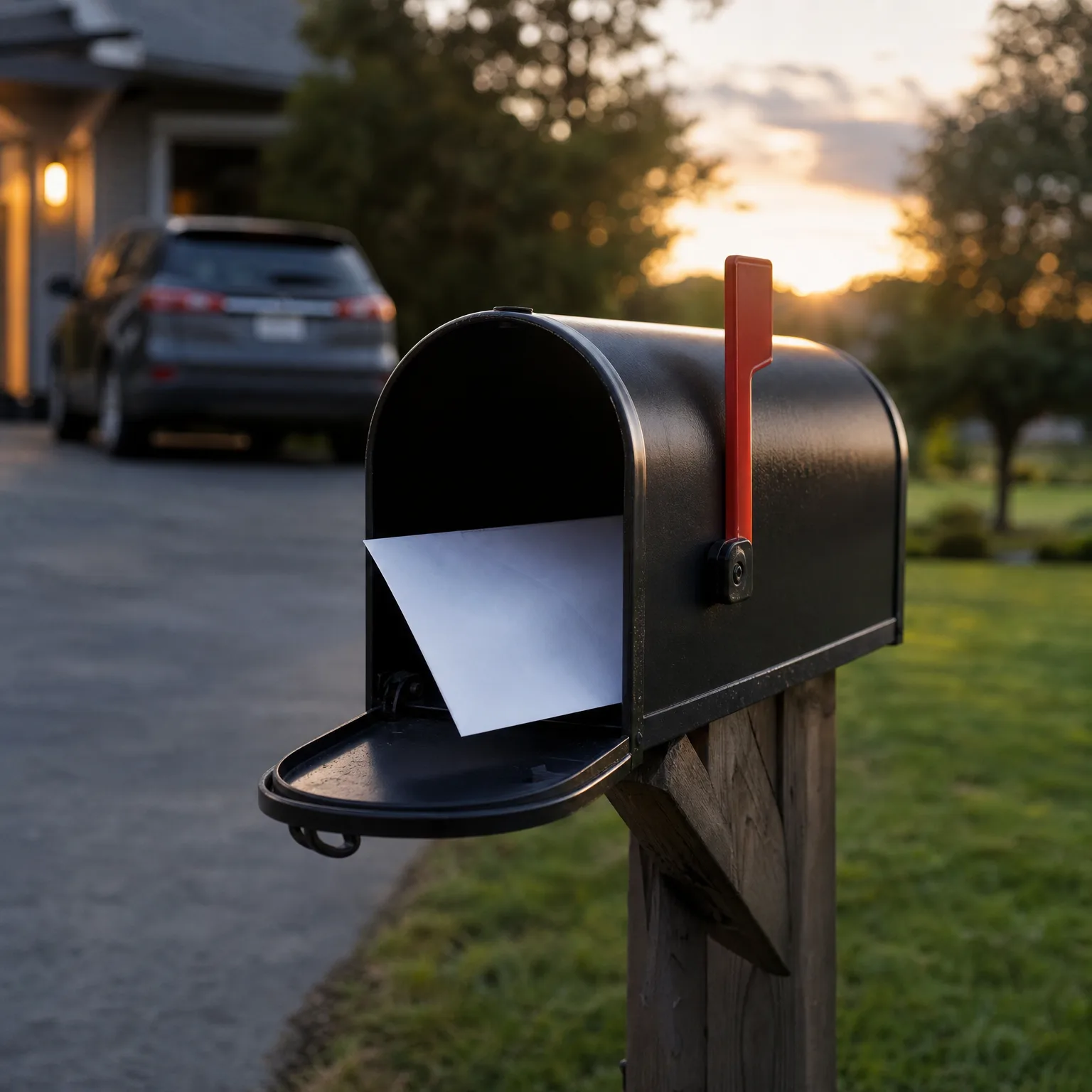
PennDOT mails your physical license to the address on file 7-10 business days after you pay the restoration fee. Checkr and other background check providers do not update their databases until PennDOT synchronizes your new status across state systems. This synchronization happens during PennDOT's nightly batch processing cycle, not in real time.
Wait 3-5 business days after receiving your physical license before submitting your rideshare background check application. This buffer ensures Checkr pulls your updated active status when it queries PennDOT's driver history database. Submitting your application the same day you pay the restoration fee guarantees a suspended license flag because the database has not updated yet.
If you already submitted your rideshare application and it was rejected for a suspended license, you cannot resubmit until Checkr receives updated data from PennDOT. Contact Uber or Lyft's driver support and request a manual review with proof of reinstatement—upload a photo of your physical license and PennDOT's reinstatement confirmation email. Most platforms process manual reviews within 5-7 business days.
Some rideshare drivers use PennDOT's online Driver Record Abstract (available at dmv.pa.gov for $11) as proof of reinstatement. The abstract shows your current license status, active suspensions, and reinstatement dates. Upload this document alongside your physical license photo when requesting manual review—it provides the same verification Checkr would pull from PennDOT's database.
Frequently Asked Questions
Do I need SR-22 insurance to reinstate my license after a child support suspension in Pennsylvania?
No. Pennsylvania requires SR-22 filing only for DUI convictions and insurance lapse violations under 75 Pa.C.S. § 1786 and § 3804. Child support suspensions are administrative actions under family court authority and do not trigger SR-22 requirements. You need standard auto insurance meeting Pennsylvania's 15/30/5 liability minimums, or 50/100/25 if driving for Uber or Lyft.
Can I get a hardship license in Pennsylvania while my child support suspension is active?
No. Pennsylvania's Occupational Limited License under 75 Pa.C.S. § 1553 is available only for DUI offenders who have completed their hard suspension period and installed an ignition interlock device. Administrative suspensions—including child support arrears, unpaid fines, and failure to appear—have no hardship or restricted license option. You must resolve the underlying suspension cause to drive legally.
How long does PennDOT take to process reinstatement after I get a compliance notice from DCSS?
PennDOT processes child support compliance notices within 7-14 business days of receipt from DCSS. Your license status remains suspended in third-party databases during this processing window. Rideshare background checks run through Checkr will show a suspended license until PennDOT completes its nightly database synchronization, typically 3-5 business days after you pay the $50 restoration fee.
What happens if I submit my Uber application before PennDOT updates my license status?
Checkr will return a suspended license flag and Uber will automatically reject your application. You cannot appeal a background check failure caused by accurate data—PennDOT's database showed your license as suspended when Checkr queried it. Wait 3-5 business days after receiving your physical license, then request a manual review with proof of reinstatement uploaded to Uber's driver support portal.
Does Pennsylvania charge separate fees for license and registration reinstatement after child support suspension?
Yes, if both were suspended. PennDOT charges $50 per suspended item—license restoration and registration restoration billed separately. If your suspension was solely for child support arrears and your vehicle registration was not suspended, you pay only the $50 license restoration fee. If you have stacked suspensions (child support plus insurance lapse), PennDOT requires in-person reinstatement at a Driver License Center.
Can I negotiate a payment plan to get a compliance notice without paying full arrears?
Yes, in most Pennsylvania counties. Family courts may issue compliance orders based on approved payment plans rather than full arrears satisfaction if you demonstrate consistent income and propose a realistic schedule. File a compliance petition with the court of common pleas in your county—filing fees range from $150 to $300 depending on county. The court schedules a hearing within 30-60 days to review your financial circumstances.
Related Articles
PA Child Support Suspension: DMV Clearance Timeline
5/3/2026
PA Child Support Suspension: Rideshare OLL Filing
5/3/2026
PA Child Support Suspension Reinstatement Costs
5/3/2026
PA Failure-to-Appear Reinstatement Costs for Rideshare
5/3/2026
PA Rideshare SR-22 Reinstatement Costs After Lapse
5/3/2026
PA Rideshare Reinstatement: SR-22 Timing After Tickets
5/3/2026