
NC Child Support License Suspension: SR-22, LDP Timing & Arrears
Free to compare
Does North Carolina Require SR-22 Filing for Child Support License Suspension?
No. North Carolina does not require SR-22 filing for license suspension due to child support arrears. This is an administrative suspension triggered by the NC Child Support Enforcement program, not a violation-based suspension.
You will need proof of liability insurance to reinstate, but the state does not mandate continuous SR-22 financial responsibility certification for this trigger. The $50 reinstatement fee applies once family court issues a compliance notice and you clear the underlying arrears or establish a payment plan.
SR-22 requirements apply to DUI/DWI convictions, uninsured motorist violations, reckless driving, and certain accumulations of moving violations. Child support enforcement suspensions operate through a separate administrative track under NC General Statutes § 50-13.12 and § 110-142.1, which authorize NCDMV to suspend driving privileges when the custodial parent or NC Child Support Services refers the case for enforcement.

How the Three-Agency Reinstatement Process Works in North Carolina
North Carolina's child support suspension reinstatement involves coordination between three separate entities: the family court that issued the support order, the Division of Child Support Services (DCSS), and NCDMV. Each agency operates on its own timeline, and none automatically notifies the others when you complete required steps.
The typical sequence: You establish compliance with the support order by making a lump-sum payment toward arrears or entering a court-approved payment plan. DCSS reviews your compliance status, which can take 10–15 business days. Once DCSS confirms compliance, they notify the family court. The court then issues a compliance clearance notice to NCDMV, which takes another 7–14 business days to process and post to your driving record.
Most single parents assume that paying arrears or entering a payment plan triggers automatic reinstatement. It does not. NCDMV will not process your reinstatement until the court clearance appears in their system. If you visit a license office before the clearance posts, you'll be turned away and told to wait—adding weeks to your timeline. You can check clearance status by calling NCDMV directly at 919-715-7000 or logging into the myNCDMV online portal, but the portal does not always update in real time.

Limited Driving Privilege During Child Support Suspension: Timing and Eligibility
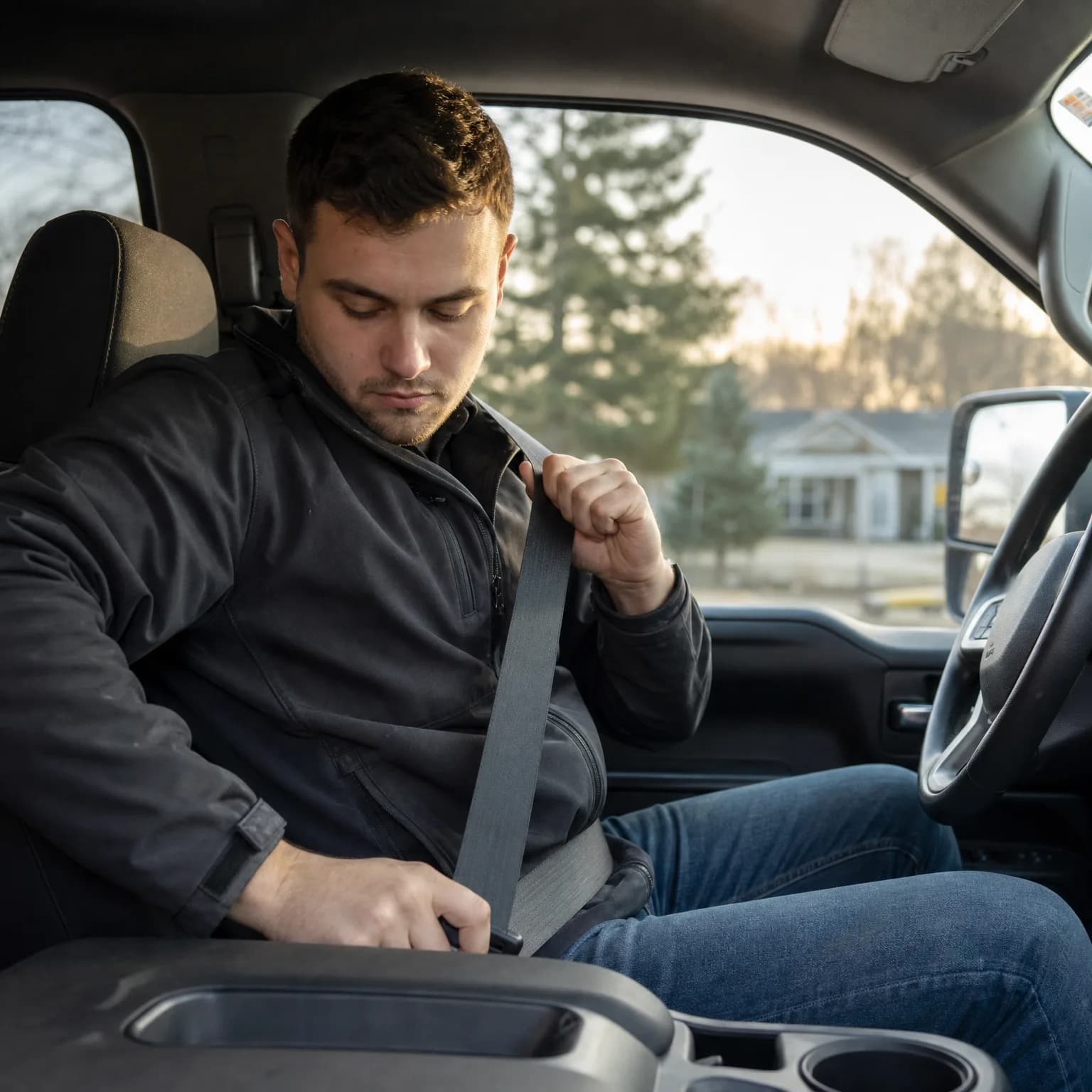
North Carolina allows you to petition for a Limited Driving Privilege (LDP) while your license remains suspended for child support arrears. This is the critical timing insight most single parents miss: you do not have to wait for full reinstatement to file an LDP petition.
You can file your LDP petition with the district court as soon as you establish a documented compliance plan with DCSS—before the court issues the final clearance notice to NCDMV. The court evaluates your petition based on whether you are actively working toward compliance, not whether you have fully cleared arrears. This means you can potentially drive under LDP restrictions 30–45 days earlier than waiting for complete reinstatement.
The LDP petition requires: proof of current liability insurance, proof of enrollment in a DCSS-approved payment plan or documentation of lump-sum payment toward arrears, a completed AOC-CVR-9 form (Petition and Order for Limited Driving Privilege), and payment of court filing fees (typically $100–$175, though fee waivers are available for low-income petitioners). The court will set restrictions on your LDP—commonly limited to travel between home, work, school, medical appointments, and court-ordered activities. Driving outside those boundaries while on LDP status can result in additional criminal charges under NC General Statutes § 20-179.
What Happens if You Drive During Suspension Without an LDP
Driving while your license is suspended for child support arrears in North Carolina is a Class 1 misdemeanor under NC General Statutes § 20-28. First offense carries up to 120 days in jail and a fine determined by the court.
This charge is separate from the underlying child support enforcement action. A conviction extends your suspension period, adds points to your driving record once reinstated, and creates a criminal record that can affect employment, housing, and professional licensing. If you are stopped while driving during suspension, law enforcement will impound your vehicle, and you will need to pay towing and storage fees in addition to any fines.
The LDP exists specifically to avoid this outcome. Courts understand that single parents often need to drive to maintain employment and meet child support obligations. Filing for an LDP is not a discretionary privilege—it is a procedural right available to drivers who demonstrate active compliance with their support plan.

Line Up Coverage Before Your License Comes Back
Get Back on the Road
How Long You Must Maintain Insurance After Reinstatement
North Carolina requires all registered drivers to maintain continuous liability insurance as long as their vehicle registration is active, per NC General Statutes § 20-309. This requirement is not specific to child support suspensions—it applies universally.
If your policy lapses after reinstatement, NCDMV's electronic verification system (eDMV) will detect the lapse within 10 days. Your registration and license plates will be revoked under § 20-311, and you will face a civil penalty of $50 for a first lapse offense, plus a $50 plate surrender fee. Reinstatement after a lapse-triggered revocation requires proof of insurance restoration and payment of both penalties.
Because child support suspensions do not require SR-22 filing, you are not locked into a mandated filing period the way DUI offenders are. You simply need to maintain the state's minimum liability limits: $30,000 bodily injury per person, $60,000 bodily injury per accident, and $25,000 property damage. Non-owner liability policies are available if you do not currently own a vehicle but need coverage to satisfy reinstatement requirements or LDP petition conditions.
Documentation Required for NCDMV Reinstatement After Court Clearance
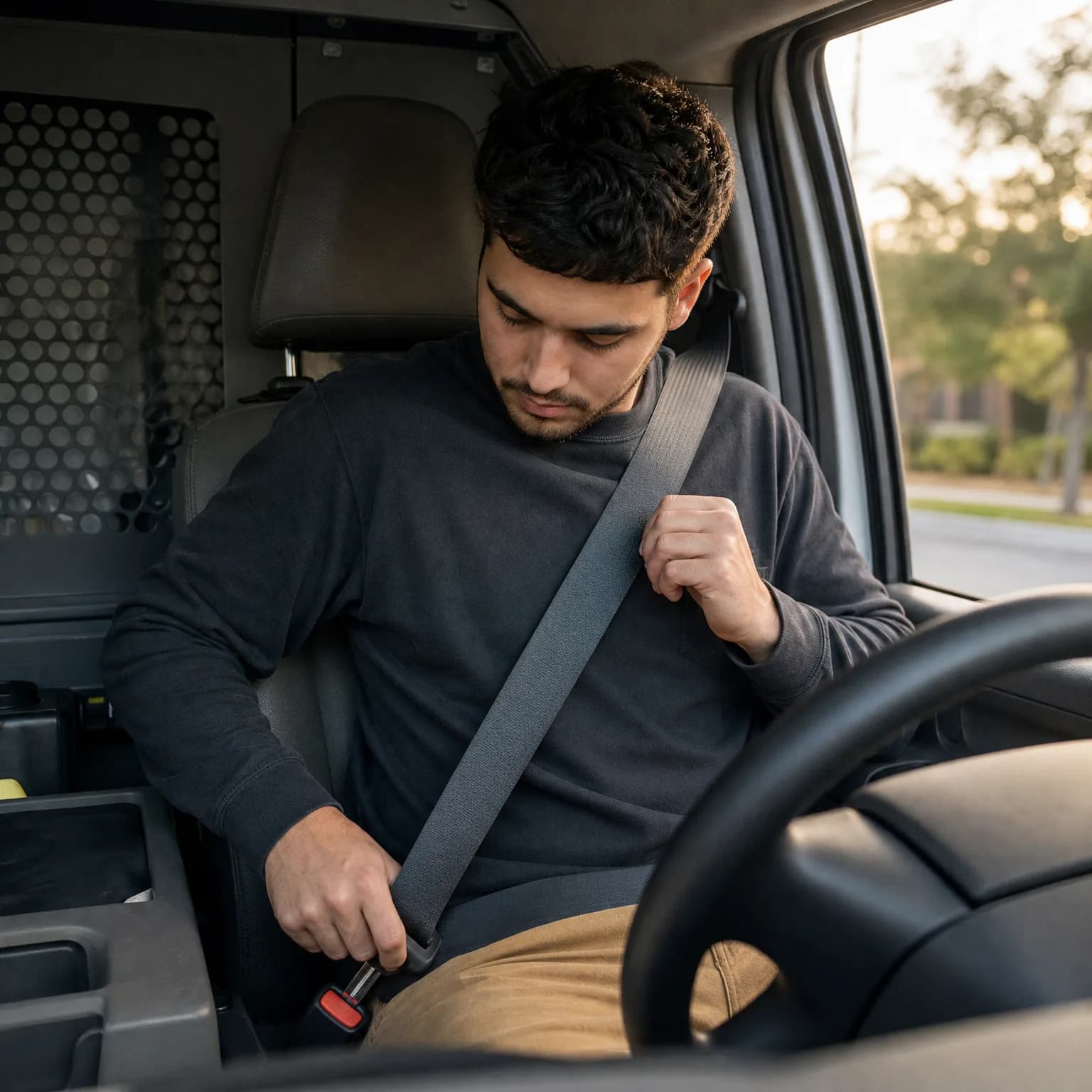
Once the family court compliance notice posts to NCDMV's system, you can complete reinstatement by submitting: proof of current liability insurance (typically an insurance ID card showing your name, policy number, and coverage dates), payment of the $50 reinstatement fee, and any outstanding traffic tickets or civil penalties tied to your driving record. Reinstatement can be completed online via myNCDMV.gov if all conditions are met, or in person at any NCDMV license office.
If you obtained an LDP while waiting for full reinstatement, the LDP remains in effect until you complete the full reinstatement process. Some drivers assume the LDP automatically converts to a full license once arrears are cleared—it does not. You must still pay the reinstatement fee and follow the standard process. The LDP simply allows restricted driving during the compliance period.
If NCDMV's system shows the court clearance has not posted, reinstatement will be denied. You cannot override this by presenting proof of payment or a letter from DCSS. The court must submit the clearance notice electronically, and NCDMV must process it before reinstatement is available. Verify clearance status before visiting a license office or attempting online reinstatement.
What to Do About Insurance During and After Suspension
Most single parents navigating child support suspension believe they do not need insurance until reinstatement is complete. This is incorrect if you plan to file for an LDP—proof of current liability insurance is a mandatory petition requirement.
If you do not currently own a vehicle, a non-owner liability policy satisfies the insurance requirement for both LDP petitions and NCDMV reinstatement. Non-owner policies provide the state-required liability limits without requiring vehicle ownership. Monthly premiums for non-owner coverage in North Carolina typically range from $35–$65 for drivers with suspended licenses, depending on your county and claims history.
If you own a vehicle and plan to drive under LDP restrictions, maintain standard liability coverage on that vehicle. Letting your policy lapse while on LDP status will trigger automatic LDP revocation and an additional suspension for uninsured operation. Compare quotes from carriers experienced with suspended-license reinstatement cases—State Farm, GEICO, Progressive, and Nationwide all write policies for drivers in this situation. Rates vary significantly by carrier, and shopping multiple quotes can reduce your monthly cost by 20–40%.
Frequently Asked Questions
Can I get a Limited Driving Privilege in North Carolina if I still owe child support arrears?
Yes. You can petition for an LDP as soon as you establish a DCSS-approved payment plan, even if you have not fully cleared arrears. The court evaluates whether you are actively working toward compliance, not whether arrears are fully paid. Filing early can allow you to drive 30–45 days sooner than waiting for complete reinstatement.
How long does it take for the family court clearance notice to reach NCDMV?
After DCSS confirms your compliance, the family court typically submits the clearance notice to NCDMV within 7–14 business days. NCDMV then processes and posts the clearance to your driving record, which can take another 5–10 business days. Total timeline from compliance confirmation to reinstatement eligibility is usually 20–30 days.
What happens if I drive outside the restrictions on my Limited Driving Privilege?
Driving outside the court-defined routes or hours on your LDP is a separate criminal offense under NC General Statutes § 20-179. A conviction results in immediate LDP revocation, extension of your underlying suspension, and potential jail time. The LDP lists specific allowable purposes and times—adhere to them exactly.
Do I need to notify my insurance carrier that I have a Limited Driving Privilege?
Yes. When you file for an LDP, you must provide proof of current liability insurance to the court. Your carrier needs to know you are driving under court-ordered restrictions. Most carriers will continue coverage under your existing policy, but failing to disclose LDP status can result in claim denial if you are involved in an accident while driving under LDP restrictions.
Can I reinstate my North Carolina license online after child support suspension?
Yes, if the family court compliance notice has posted to NCDMV's system and you have no other outstanding suspensions or unpaid tickets. Log into myNCDMV.gov, verify that your record shows clearance, pay the $50 reinstatement fee, and upload proof of current liability insurance. If the clearance has not posted, online reinstatement will be unavailable and you will need to wait for NCDMV to process the court's notice.
How much does non-owner insurance cost in North Carolina for drivers with suspended licenses?
Non-owner liability policies in North Carolina typically cost $35–$65 per month for drivers reinstating after suspension. Actual rates depend on your county, age, and claims history. Non-owner coverage satisfies both LDP petition insurance requirements and NCDMV reinstatement proof-of-insurance requirements if you do not currently own a vehicle.
Related Articles
Child Support License Suspension NC: Reinstatement
4/29/2026
NC Child Support Suspension: CDL SR-22 & Coverage Gaps
5/3/2026
NC Child Support Suspension Reinstatement Costs
5/3/2026
Raleigh License Suspended for Child Support: Reinstate
4/29/2026
North Dakota Child Support Suspension Reinstatement
5/3/2026

License Suspended for Child Support Durham NC Guide
4/29/2026