
NJ Child Support Suspension: SR-22 vs. FS-1 Filing Confusion
Free to compare
Why child support suspensions in New Jersey don't trigger SR-22 or FS-1 filing requirements
New Jersey suspends licenses for child support arrears under an administrative hold, not a driving violation. The suspension is purely financial enforcement—no insurance filing requirement exists because you didn't commit a moving violation or lapse your coverage.
The confusion comes from SR-22 terminology used nationally. New Jersey doesn't use SR-22 certificates at all. The state's equivalent is the FS-1 form, which certifies financial responsibility after specific violations like DUI or uninsured driving under N.J.S.A. 39:6B-2. Child support arrears don't fall into that category.
Rideshare drivers assume they need an FS-1 because they're used to insurance filing requirements from other states or other suspension types. But filing an FS-1 when your suspension stems from child support arrears won't reinstate your license. The MVC won't process it because the hold isn't insurance-related—it's a family court enforcement action administered through the Division of Child Support Services (DCSS).

How the DCSS hold blocks MVC reinstatement even when you've paid arrears
DCSS places a license suspension hold with the MVC when child support arrears reach a specific threshold. Paying the arrears doesn't automatically release the hold. DCSS must manually issue a compliance notice to the MVC confirming the arrears are satisfied or a payment plan is in place.
Most rideshare drivers pay their arrears through family court, assume the license will reinstate automatically, and discover weeks later that the MVC still shows an active suspension. The gap occurs because DCSS and the MVC don't sync in real time. DCSS issues compliance notices on its own processing schedule, which can take 10 to 20 business days after payment posts.
You can verify whether DCSS has released the hold by contacting DCSS directly at 877-NJKIDS1. If the compliance notice hasn't been submitted, ask DCSS to expedite the release. The MVC will not process your reinstatement until that notice arrives in their system, regardless of whether you've already paid the $100 restoration fee.

The three-agency coordination problem rideshare drivers face during reinstatement
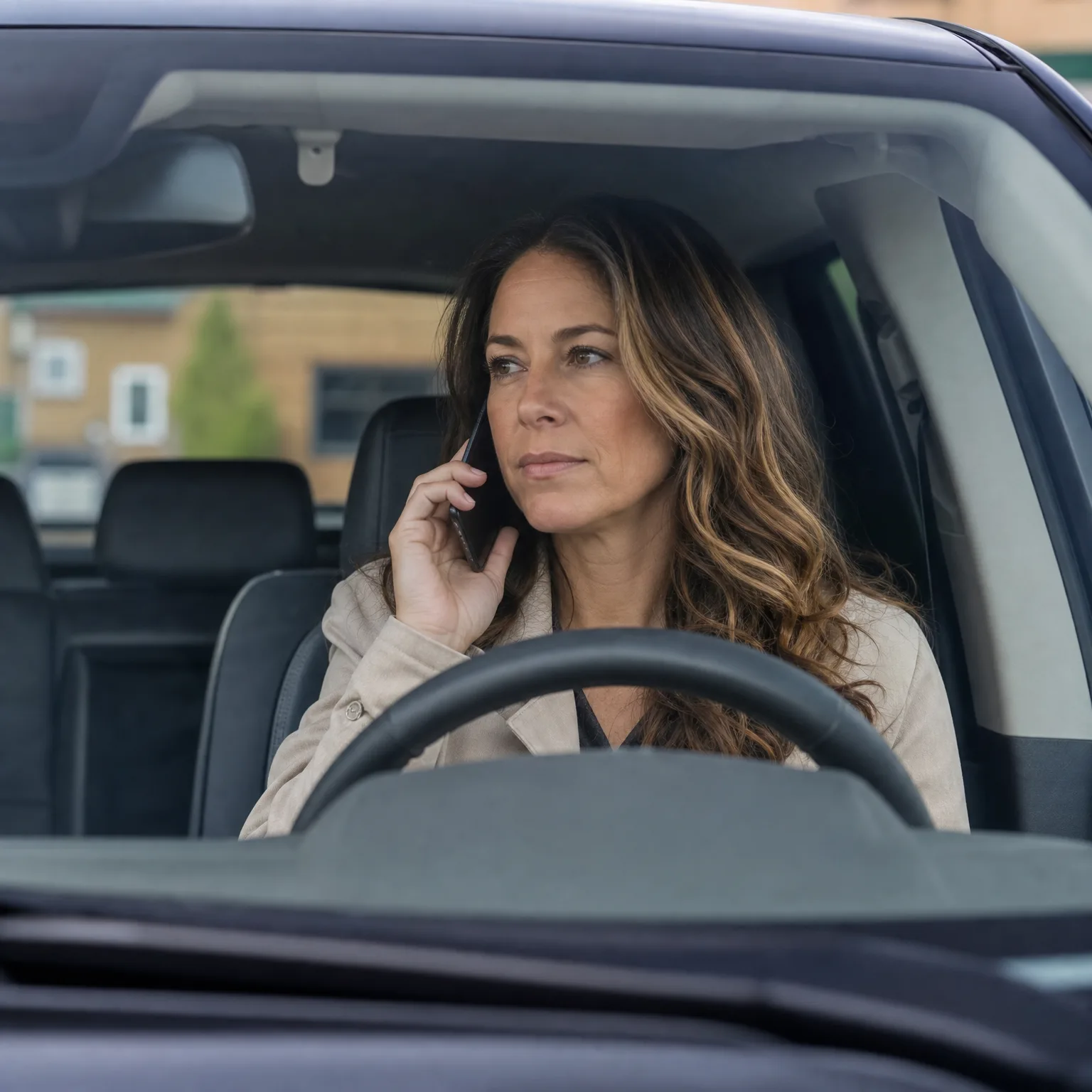
Reinstating a child support suspension in New Jersey requires coordinating three separate agencies: family court, DCSS, and the MVC. None of them automatically notify the others when you complete a step.
Family court processes your payment or approves your payment plan. DCSS receives notification from the court, reviews your account, and issues the compliance notice to the MVC. The MVC receives the compliance notice, posts it to your driving record, and allows reinstatement once you pay the $100 restoration fee. Each handoff creates a delay window where nothing happens unless you follow up.
Rideshare drivers often complete the first two steps—payment and DCSS clearance—but never check with the MVC to confirm the compliance notice posted. They assume paying DCSS is enough, drive to the MVC agency, and discover their record still shows an active suspension. The MVC agent can't override that status even if you bring payment receipts. The compliance notice must post in the MVC system first.

Line Up Coverage Before Your License Comes Back
Get Back on the RoadWhat rideshare drivers should do when documentation gaps delay clearance
If DCSS has released the hold but the MVC system hasn't updated, bring written proof of DCSS clearance to an MVC agency in person. Acceptable proof includes a DCSS compliance letter, a court order showing arrears satisfied, or a family court payment receipt with case number.
The MVC can manually verify the clearance by contacting DCSS directly during your visit. This verification process takes 30 to 60 minutes at the counter, but it bypasses the standard 10- to 20-day wait for electronic posting. Most MVC agencies will process same-day reinstatement if you bring documentation and pay the restoration fee.
Do not attempt to reinstate online or by mail during the coordination gap. The MVC's online system pulls from the same database that hasn't updated yet. In-person verification with documentation is the fastest path when the hold exists in one system but not the other.

How to maintain rideshare platform eligibility during suspension
Uber and Lyft require active auto insurance and a valid driver's license to remain on the platform. A child support suspension disqualifies you from both until reinstatement completes.
Some rideshare drivers attempt to maintain insurance coverage during suspension to avoid a lapse-triggered rate increase after reinstatement. This strategy works only if you already own a vehicle and plan to return to rideshare work immediately. Maintaining liability coverage during suspension won't keep you active on the platform, but it prevents the 30- to 60-day gap between reinstatement and platform reactivation that occurs when you let coverage lapse.
If you don't own a vehicle and can't afford to maintain coverage during suspension, plan to purchase a non-owner policy after reinstatement. Non-owner policies satisfy New Jersey's liability requirements without requiring vehicle ownership, and many rideshare drivers use them during platform reactivation while they save for a vehicle purchase.

Why FS-1 filing after reinstatement only applies to specific violations
Some rideshare drivers discover during reinstatement that a second suspension—unrelated to child support—triggered an FS-1 filing requirement. New Jersey stacks multiple suspensions, and each operates under its own set of rules.
FS-1 filing becomes mandatory when your license was suspended for DUI/DWI under N.J.S.A. 39:4-50, uninsured driving under N.J.S.A. 39:6B-2, or accumulation of excessive points resulting in a suspension. If your child support suspension overlapped with one of these violations, the MVC requires FS-1 filing for the violation-based suspension even after the child support hold is released.
Check your MVC driving abstract before attempting reinstatement. If multiple suspensions appear on the record, each must be cleared independently. The DCSS compliance notice resolves the child support hold, but you'll need to file FS-1 and pay any outstanding violation-related fees to fully reinstate. The MVC will tell you at the counter which requirements remain unmet if you attempt reinstatement with only partial clearance.
Frequently Asked Questions
Does New Jersey require SR-22 filing for child support suspension reinstatement?
No. New Jersey doesn't use SR-22 certificates and child support suspensions don't trigger insurance filing requirements. The state uses FS-1 forms for financial responsibility certification, but only after specific violations like DUI or uninsured driving—not child support arrears.
How long does it take for DCSS to release a license hold after paying child support arrears?
DCSS typically issues a compliance notice to the MVC within 10 to 20 business days after payment posts to your account. The MVC won't process reinstatement until the compliance notice appears in their system, regardless of when you paid.
Can I reinstate my New Jersey license online after paying child support arrears?
Not until DCSS submits the compliance notice and the MVC system updates. If the compliance notice hasn't posted electronically, bring written proof of DCSS clearance to an MVC agency in person—the agent can verify manually and process same-day reinstatement.
Will maintaining auto insurance during a child support suspension help me get back on Uber or Lyft faster?
Maintaining insurance during suspension prevents a coverage lapse on your record but won't keep you active on rideshare platforms. Uber and Lyft require a valid license. After reinstatement, continuous coverage avoids the 30- to 60-day gap some drivers face when purchasing new policies.
What happens if I have both a child support suspension and a DUI suspension in New Jersey?
Each suspension must be cleared independently. The DCSS compliance notice resolves the child support hold, but the DUI suspension requires separate reinstatement steps including FS-1 filing, IDRC program completion, ignition interlock installation, and payment of DUI-specific fees. The MVC won't reinstate until both are resolved.
Do I need a lawyer to reinstate my license after a child support suspension in New Jersey?
Most drivers don't need a lawyer for child support suspension reinstatement if they've already paid arrears or established a payment plan through family court. The process is administrative, not judicial. If DCSS won't release the hold despite payment, consult a family law attorney to resolve the DCSS dispute before attempting MVC reinstatement.
Related Articles

NJ Child Support Suspension: SR-22 & CDL Clearance
5/3/2026
NJ Child Support License Suspension & Reinstatement
5/3/2026
NJ Child Support Suspension: SR-22 & Reinstatement
5/3/2026

NJ Child Support Suspension Reinstatement Costs
5/3/2026

NJ Rideshare SR-22 for Unpaid Ticket Suspensions
5/3/2026

NJ Child Support Suspension: Court to MVC Timing
5/3/2026