
Nebraska Child Support Suspension: SR-22 Timing for College Students
Free to compare
Why Nebraska Suspends Licenses for Child Support Arrears During College
Nebraska suspends driving privileges when child support arrears exceed a statutory threshold or when a court-ordered payment plan is not being followed. The Nebraska Department of Health and Human Services (DHHS) initiates the suspension process administratively, not through the courts. Your enrollment status as a college student does not exempt you from enforcement action.
The suspension is not punitive in the traditional traffic violation sense. DHHS uses license suspension as a compliance tool to encourage payment plan enrollment or arrears resolution. The Department of Motor Vehicles receives an electronic notification from DHHS once you meet the suspension threshold, and your license is suspended without a separate court hearing unless you request one within the statutory appeal window.
Most college students discover the suspension when they attempt to renew their license or are stopped for a routine traffic violation. By that point, the suspension has already been active for weeks or months. Nebraska does not require separate notice beyond the DHHS compliance correspondence, which many students miss if they have moved between semesters or changed addresses without updating DHHS records.

Does Nebraska Require SR-22 Filing for Child Support Suspensions
Nebraska does not require SR-22 filing to reinstate a license suspended solely for child support arrears. SR-22 is a financial responsibility certificate required for specific violations: DUI/OWI, reckless driving, uninsured motorist violations, and certain serious traffic offenses. Child support suspension is an administrative action, not a moving violation, and does not trigger SR-22 requirements under Nebraska Revised Statutes.
If your suspension includes both child support arrears and a separate DUI or reckless driving conviction, SR-22 will be required for the DUI portion of the suspension, but not the child support portion. The two reinstatement processes run in parallel but are not dependent on each other. You satisfy the child support suspension through DHHS compliance clearance and the DUI suspension through SR-22 filing, ignition interlock device installation, and completion of court-ordered programs.
Most college students filing for the first time assume SR-22 is required because they see it referenced on aggregator sites that do not distinguish between suspension types. This creates unnecessary expense. If your only suspension trigger is child support arrears, do not file SR-22 until you confirm with the Nebraska DMV that your specific case requires it.

The Three-Phase Reinstatement Process for Child Support Suspensions
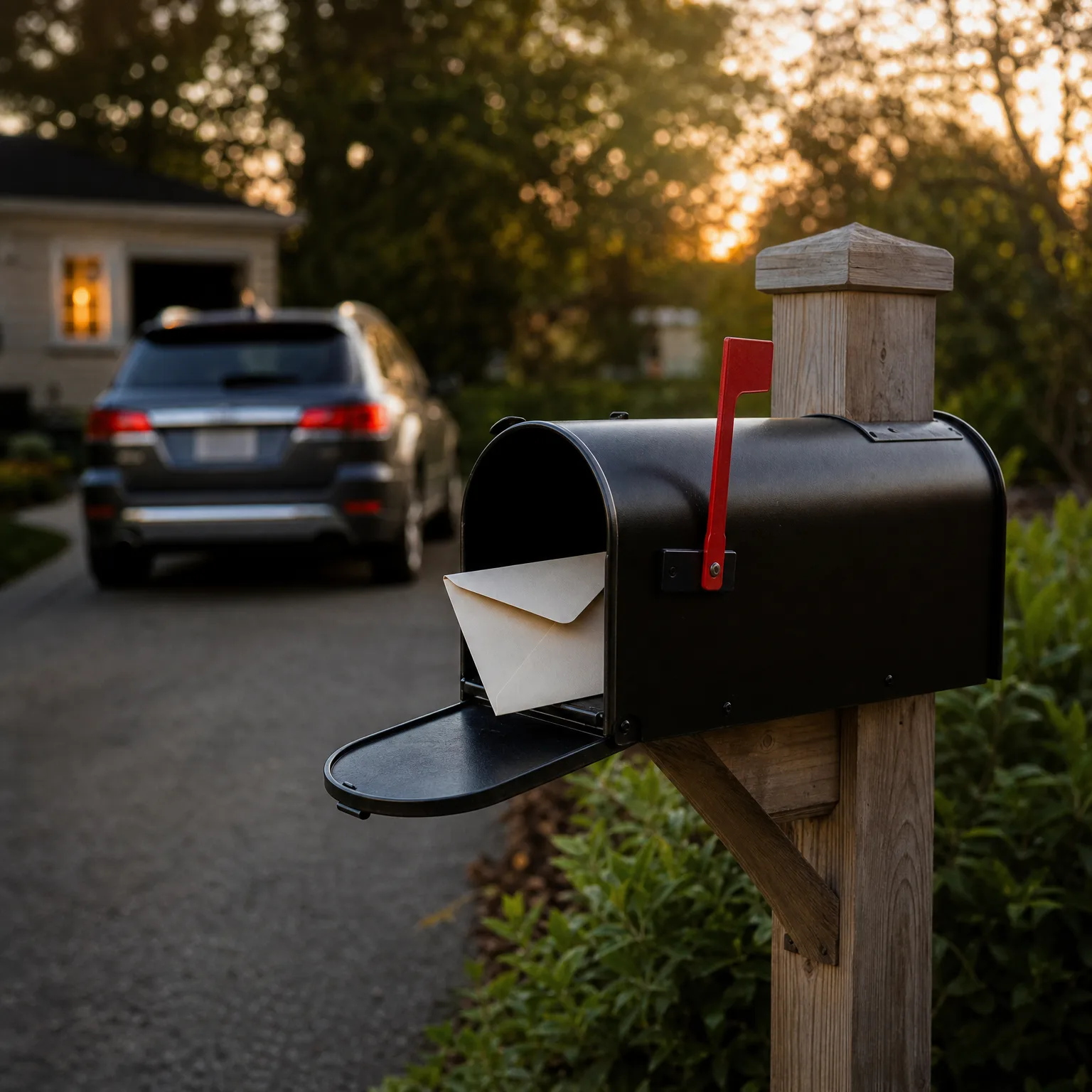
Nebraska's child support reinstatement process requires coordination between three separate agencies: DHHS Child Support Enforcement, the Nebraska DMV, and your family court if your case is subject to ongoing court jurisdiction. Each agency operates on its own timeline, and completion of one phase does not automatically trigger the next.
Phase One: DHHS compliance clearance. You negotiate a payment plan with DHHS or pay the arrears balance in full. DHHS then issues a compliance notice, which is the formal document clearing the suspension trigger. This notice is not issued immediately upon your first payment. DHHS requires demonstration of consistent payment over a period specified in your payment plan agreement, typically 30 to 90 days. Most college students assume the suspension lifts after the first payment and attempt to drive before the compliance notice is issued, which results in a second suspension for driving on a suspended license.
Phase Two: DHHS-to-DMV notification. After DHHS issues your compliance notice, the agency electronically transmits the clearance to the Nebraska DMV. This is not instantaneous. The processing lag between DHHS clearance issuance and DMV receipt is typically 7 to 14 business days. The DMV will not process your reinstatement until the compliance notice appears in its system. Calling the DMV before this posting occurs does not accelerate the process.
Phase Three: DMV reinstatement application. Once the compliance notice posts to DMV records, you apply for reinstatement. Nebraska charges a $125 reinstatement fee for most standard suspensions. You must provide proof of current liability insurance at reinstatement, but not SR-22 unless a separate violation requires it. Processing time for reinstatement after the compliance notice posts and you submit your application is typically 3 to 7 business days.
Common Timing Mistakes College Students Make
The most common mistake is filing SR-22 immediately after the suspension notice arrives. SR-22 is not relevant to child support suspensions and adds $15 to $25 per month in premium costs for a filing you do not need. If you filed SR-22 before confirming it was required, contact your carrier and request cancellation. Nebraska law does not impose a penalty for canceling SR-22 when it was never required for your suspension type.
The second mistake is driving during Phase Two, after DHHS issues the compliance notice but before DMV processes it. Your compliance notice from DHHS is not legal proof of reinstatement. Only the DMV reinstatement confirmation letter serves as proof. Driving during this gap period results in a separate suspension for operating on a suspended license, which does require SR-22 and extends your total suspension period by months.
The third mistake is failing to update your address with both DHHS and DMV. College students move frequently between semesters. If DHHS or DMV sends reinstatement correspondence to an outdated address, you miss statutory deadlines and your compliance notice may be rescinded. DHHS requires you to maintain consistent payments under your payment plan agreement. Missing two consecutive payments due to missed correspondence triggers a new suspension cycle even if you were previously cleared.

Line Up Coverage Before Your License Comes Back
Get Back on the Road
What Documentation You Need to Track Through the Process
Keep copies of all correspondence from DHHS, including the initial suspension notice, payment plan agreement, and compliance clearance notice. The compliance clearance notice is the most critical document. It contains the date DHHS transmitted your clearance to DMV, which allows you to calculate when DMV should have received it and follow up if processing is delayed.
Request written confirmation from DHHS of every payment you make under your payment plan. Nebraska DHHS uses electronic payment systems, but glitches occur. If a payment is not credited to your account, the burden is on you to prove it was made. Bank statements showing a debit are not sufficient. You need DHHS transaction receipts showing the payment was applied to your case number.
Before you apply for DMV reinstatement, call the DMV Driver and Vehicle Records division and confirm your compliance notice has posted. The DMV publishes a verification phone line specifically for reinstatement status inquiries. Verify your suspension has been administratively cleared before you pay the reinstatement fee. If you pay the fee before the compliance notice posts, DMV will not process your reinstatement and will not refund the fee.
Insurance Requirements During and After Suspension
Nebraska requires continuous liability insurance on registered vehicles under Neb. Rev. Stat. § 60-3,168 et seq. If you own a vehicle, you must maintain insurance even while your license is suspended. Letting your policy lapse during suspension triggers a separate insurance lapse suspension, which does require SR-22 filing to reinstate.
If you do not own a vehicle but need to reinstate your license for future employment or ID purposes, you do not need insurance during the suspension period. You must provide proof of insurance at the time of reinstatement, but not before. Most college students in this situation purchase a non-owner liability policy 7 to 10 days before their anticipated reinstatement date. Non-owner policies satisfy Nebraska's proof-of-insurance requirement without requiring you to insure a vehicle you do not own.
If your suspension included both child support arrears and a DUI or other SR-22-triggering violation, you must maintain SR-22-compliant insurance continuously from the date of your DUI conviction through the end of your SR-22 filing period. Nebraska requires SR-22 filing for 3 years following a first-offense DUI conviction. Letting your SR-22 policy lapse during this period extends your suspension and restarts the 3-year SR-22 clock from the date you refile.
What to Do If Your Payment Plan Is Interrupted Mid-Semester
If you cannot make a scheduled payment under your DHHS payment plan due to a change in financial aid, employment loss, or other income disruption, contact DHHS Child Support Enforcement immediately. Nebraska allows payment plan modification if your financial circumstances change, but you must request modification before you miss a payment. Missing two consecutive payments without requesting modification triggers automatic rescission of your compliance notice, even if DHHS had already transmitted it to DMV.
DHHS does not automatically notify you when your compliance notice is rescinded. You discover the rescission when you contact DMV to check your reinstatement status and are told the compliance clearance is no longer on file. At that point, you must restart Phase One: negotiate a new payment plan, demonstrate consistent payment over the required period, and wait for DHHS to issue a new compliance notice.
Most college students in this situation benefit from requesting a semester-based payment plan rather than a monthly plan. DHHS allows flexibility in payment scheduling as long as the total arrears balance is addressed within a reasonable timeframe. A plan structured around financial aid disbursement dates reduces the risk of missed payments due to cash flow gaps between semesters.
Frequently Asked Questions
Can I drive in Nebraska while waiting for my DHHS compliance notice to post to DMV records?
No. Your compliance notice from DHHS is not legal proof of reinstatement. Only the DMV reinstatement confirmation letter allows you to drive legally. Driving during the 7 to 14 business day processing lag between DHHS clearance and DMV posting results in a separate suspension for operating on a suspended license, which requires SR-22 filing and extends your total suspension period.
What happens if I miss a payment under my DHHS child support payment plan?
Missing two consecutive payments triggers automatic rescission of your compliance notice, even if DHHS had already transmitted it to DMV. You must restart the process: negotiate a new payment plan, demonstrate consistent payment over the required period, and wait for DHHS to issue a new compliance notice. Contact DHHS immediately if you anticipate a missed payment to request plan modification before the payment is due.
Do I need SR-22 insurance to reinstate my license after a child support suspension in Nebraska?
No. Nebraska does not require SR-22 filing for child support suspensions. SR-22 is required only for DUI, reckless driving, uninsured motorist violations, and certain serious traffic offenses. If your suspension is solely for child support arrears, you need proof of liability insurance at reinstatement but not SR-22. Filing SR-22 when it is not required adds unnecessary premium costs.
How long does it take for DHHS to issue a compliance notice after I start making payments?
DHHS requires demonstration of consistent payment over a period specified in your payment plan agreement, typically 30 to 90 days. The compliance notice is not issued after your first payment. Most college students negotiating payment plans receive the compliance notice 60 to 90 days after the first payment, provided all subsequent payments are made on time.
Can I get a hardship license in Nebraska while my child support suspension is active?
Nebraska offers an Employment Driving Permit for certain suspension types, but child support suspensions are generally not eligible for hardship relief. The state views the suspension as a compliance tool to encourage payment plan enrollment. You must satisfy the DHHS compliance requirement and complete full reinstatement to restore driving privileges.
What if I already filed SR-22 before I knew it wasn't required for my child support suspension?
Contact your insurance carrier and request cancellation of the SR-22 filing. Nebraska does not penalize you for canceling SR-22 when it was never required for your suspension type. Most carriers refund the SR-22 filing fee and adjust your premium downward within one billing cycle. Confirm with the Nebraska DMV that your suspension clearance is not dependent on SR-22 before you cancel.
Do I need to maintain car insurance while my license is suspended for child support arrears in Nebraska?
If you own a registered vehicle, yes. Nebraska requires continuous liability insurance on registered vehicles even while your license is suspended. Letting your policy lapse triggers a separate insurance lapse suspension, which does require SR-22 filing. If you do not own a vehicle, you do not need insurance during suspension but must provide proof of coverage at the time of reinstatement.
Related Articles

Nebraska Child Support Suspension Reinstatement Guide
5/3/2026

Nebraska Child Support Suspension: Court & DMV Timing
5/3/2026

License Suspended for Child Support in Lincoln NE
4/29/2026
NE Child Support Suspension: Clear Arrears & Reinstate
4/29/2026

Nebraska CDL Child Support Suspension: Reinstatement Steps
5/3/2026

Child Support Suspension Reinstatement Costs Nebraska
5/3/2026