
Missouri Child Support Suspension: Rideshare Driver Cost Stack
Free to compare
Why Missouri Rideshare Drivers Face a Three-Layer Cost Structure
Missouri suspends your license for child support arrears through a purely administrative process between the Family Support Division and the Department of Revenue. The suspension itself requires no SR-22 filing to reinstate—Missouri law treats this as a compliance matter, not a violation-based suspension. You pay the court clearance fee, the court notifies the DOR, and the DOR processes your reinstatement once you pay their reinstatement fee.
Rideshare platforms operate under different rules. Uber and Lyft require continuous SR-22 coverage for drivers with any suspension history in the past 36 months, regardless of whether Missouri law requires it for reinstatement. The platforms treat suspension history as a heightened risk category that triggers mandatory high-risk coverage verification. This creates a cost layer Missouri's reinstatement process never mentions because the state doesn't control platform reactivation requirements.
Most Kansas City and St. Louis drivers budget for court fees and DMV reinstatement, then discover the SR-22 requirement when they try to reactivate their platform account. The SR-22 carrier markup runs $800–$1,400 annually on top of base liability premiums, and the platforms require proof of filing before account reactivation. The three-layer cost stack—court clearance, DMV reinstatement, and SR-22 carrier premium—totals $1,200–$2,100 in year one for most drivers, with $600–$1,000 recurring annually while the platforms require SR-22 maintenance.

Court Clearance Fee Structure for Missouri Child Support Cases
Missouri family courts charge a $50–$200 compliance review fee when you request a license reinstatement clearance letter after resolving arrears. The fee varies by county and depends on whether you entered a payment plan or paid arrears in full. Jackson County and St. Louis County typically charge $100–$150 for payment plan clearances and $50–$75 for full-payment clearances. Rural counties often charge flat $50 fees regardless of payment structure.
The court processes your clearance request within 5–10 business days after payment posts, then mails a compliance notice to the Missouri Department of Revenue. Most drivers assume this notice automatically triggers reinstatement. It does not. The DOR requires a separate reinstatement application and fee payment, which creates the second cost layer and a common 15–30 day processing gap between court clearance and actual license reinstatement.
Some Missouri counties allow you to request expedited clearance processing for an additional $25–$50 fee, which reduces the court notice timeline to 2–3 business days. This expedited option matters for rideshare drivers who lose daily income during suspension—paying the expedite fee can recover $200–$400 in lost rideshare earnings if you drive full-time in a metro market.
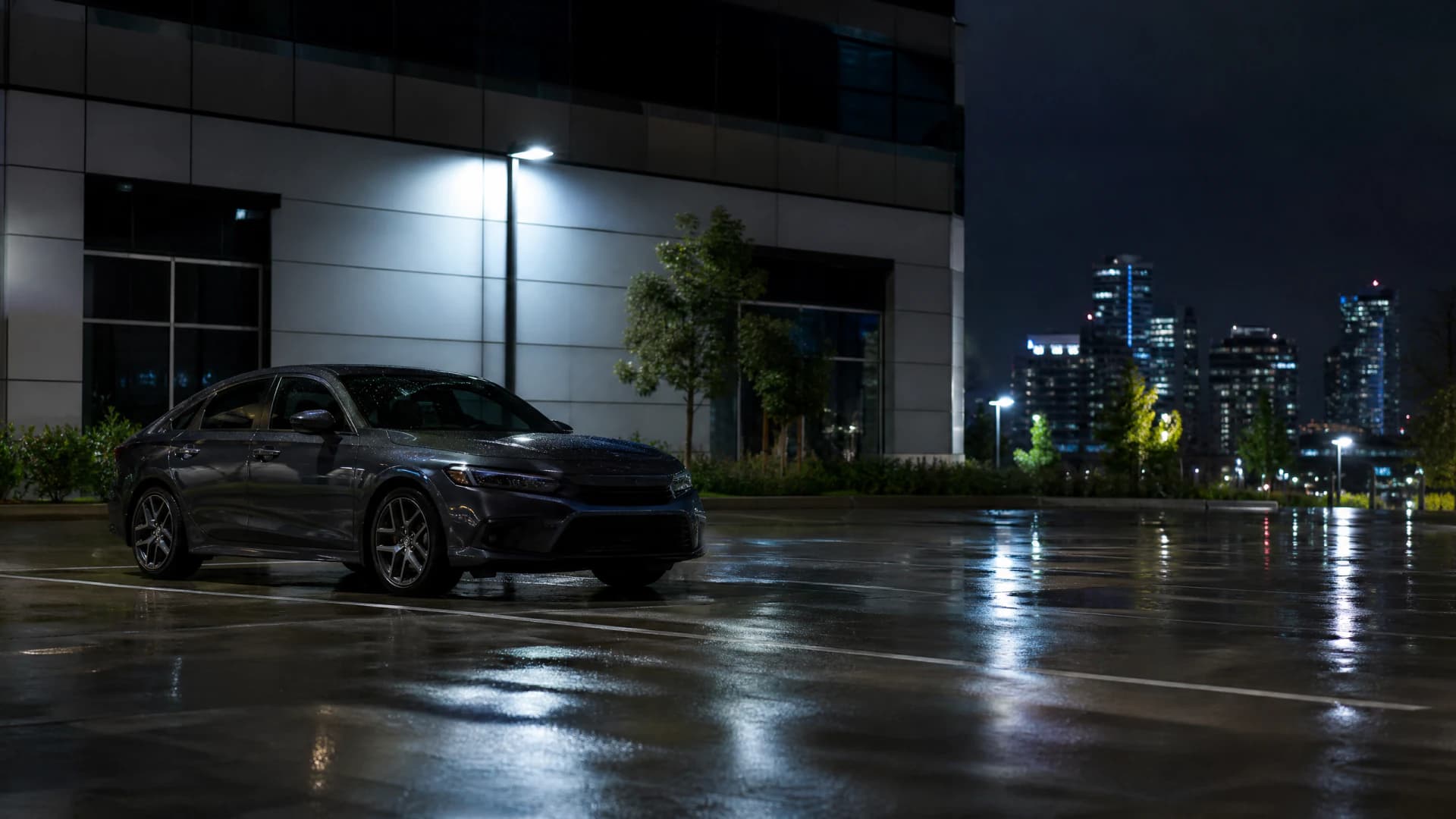

Missouri DMV Reinstatement Charges After Court Clearance Posts
The Missouri Department of Revenue charges a $20 reinstatement fee for administrative suspensions, including child support arrears cases. You cannot pay this fee until the Family Support Division's compliance notice posts to your driving record, which creates a coordination gap most drivers miss. The court mails the notice to the DOR, the DOR processes the notice into their system (typically 7–14 days), and only then does your record show eligible for reinstatement.
Most Springfield and Columbia drivers call the DOR immediately after paying court fees, expecting to pay the reinstatement fee the same day. The DOR will tell you your record still shows suspended with no clearance on file. You wait. The notice eventually posts. You pay the $20 fee. The DOR processes reinstatement within 1–2 business days after fee payment.
This coordination gap is where rideshare income loss compounds. You are not suspended because of anything you did wrong at this stage—you paid the court, the court issued clearance, but the state's inter-agency communication timeline adds 10–20 days of ineligibility to drive. Non-rideshare drivers tolerate this delay because they are not losing daily income. Rideshare drivers lose $400–$800 in potential earnings during this window if they drive 30–40 hours weekly in Kansas City or St. Louis.
Why Rideshare Platforms Require SR-22 When Missouri Law Does Not
Uber and Lyft base driver eligibility on their own insurance risk models, not state reinstatement requirements. Both platforms require continuous SR-22 verification for any driver with a suspension in the past 36 months, regardless of suspension type. Missouri does not require SR-22 for child support suspensions—but that distinction does not matter to the platform's underwriting criteria.
The platforms treat suspension history as a categorical risk flag. A DUI suspension, a points suspension, and a child support suspension all trigger the same SR-22 requirement from the platform's perspective. The platform's insurance partner requires proof of SR-22 filing before account reactivation, and the platform will not override this requirement even when you provide documentation that Missouri law does not mandate SR-22 for your suspension type.
This creates the third cost layer. You pay court fees, you pay DMV reinstatement, your license is legally valid, and then you attempt to reactivate your rideshare account. The platform requests SR-22 verification. You explain Missouri does not require it. The platform confirms their policy requires it anyway. You either file SR-22 and pay the carrier markup, or you cannot reactivate your account.
Line Up Coverage Before Your License Comes Back
Get Back on the Road
SR-22 Carrier Markup Costs for Missouri Rideshare Drivers
Missouri SR-22 filing itself costs $15–$25 as a one-time administrative fee paid to your insurance carrier. The markup comes from the high-risk classification that SR-22 filing signals. Carriers raise your liability premium by 40%–90% once SR-22 filing appears on your policy, regardless of whether the underlying suspension was violation-based.
Typical Missouri liability premiums for rideshare drivers run $90–$130/month for minimum state coverage (25/50/25 limits). Adding SR-22 filing raises this to $140–$210/month, an increase of $50–$80/month or $600–$960 annually. The increase persists for the entire duration the platform requires SR-22 maintenance, which is typically 36 months from reinstatement date.
Some carriers treat child support suspensions as lower-risk than DUI suspensions and apply smaller markups—typically 40%–60% instead of 70%–90%. Bristol West, The General, and National General often provide better rates for administrative suspension SR-22 cases than major carriers. Shopping three quotes before filing SR-22 can reduce year-one costs by $200–$400 compared to adding SR-22 to your existing policy without comparison.
Rideshare drivers also need higher liability limits than Missouri's minimum requirements. Uber and Lyft require 50/100/25 coverage as a platform minimum, which raises base premiums to $110–$160/month before SR-22 markup. After SR-22 filing, expect $170–$260/month, or $2,040–$3,120 annually. The total three-year SR-22 cost for rideshare-compliant coverage runs $5,000–$8,000 for most Missouri drivers.
Total Cost Stack Timeline: What Missouri Rideshare Drivers Actually Pay
Most Independence and Lee's Summit drivers enter this process expecting to pay $200–$300 total to reinstate. The realistic year-one cost stack looks like this:
Court clearance fee: $50–$200, paid before the court issues compliance notice. DMV reinstatement fee: $20, paid 10–20 days after court clearance when the DOR processes the notice. SR-22 filing fee: $15–$25, one-time charge when your carrier adds the filing. SR-22 carrier markup: $600–$960 in year one, the premium increase applied to your liability policy for the first 12 months after filing.
Year-one total: $685–$1,205. If you need rideshare-platform-compliant limits (50/100/25), add $300–$600 to the SR-22 markup figure, bringing year-one totals to $985–$1,805. Years two and three require only the SR-22 carrier markup (no court or DMV fees), running $600–$960 annually for minimum coverage or $900–$1,560 annually for rideshare-compliant limits.
Three-year total cost to maintain rideshare eligibility after Missouri child support suspension: $1,900–$3,700 for drivers using minimum state limits, or $2,800–$5,400 for drivers maintaining platform-compliant coverage. Most drivers budget for the $270 court-and-DMV layer and miss the $2,500–$5,000 SR-22 layer entirely.
How to Minimize Costs Without Losing Rideshare Income
Pay court fees immediately when the Family Support Division notifies you of suspension eligibility. Every day you delay filing clearance paperwork extends the timeline before you can pay DMV reinstatement fees, which extends income loss. The court's 5–10 day processing window starts when you submit payment and the clearance request form, not when you first receive suspension notice.
Call the Missouri Department of Revenue 7 days after the court mails compliance notice to confirm the notice posted to your record. Do not wait for mail confirmation from the DOR—most drivers never receive it. Once the DOR confirms the clearance posted, pay the $20 reinstatement fee online the same day. Reinstatement processes within 1–2 business days, and you can request a digital reinstatement confirmation letter through the DOR's online portal.
Shop SR-22 quotes before filing. Do not add SR-22 to your current policy without comparing at least two other carriers. Non-standard carriers like Bristol West and The General expect SR-22 filings and price them more competitively than major carriers who treat SR-22 as an edge case. Request quotes for 50/100/25 limits from the start—quoting minimum limits then upgrading after binding wastes time and sometimes triggers re-underwriting.
Some Kansas City drivers file non-owner SR-22 policies while suspended, then switch to standard rideshare-compliant policies after reinstatement. This works only if you do not own a vehicle and do not live with a vehicle owner. Non-owner SR-22 costs $30–$50/month, which satisfies the platform's SR-22 requirement during suspension and reduces income loss. Once reinstated, you switch to a standard policy with rideshare endorsement. This strategy saves $300–$600 in year one if your suspension lasts 60–90 days.
Frequently Asked Questions
Does Missouri require SR-22 for child support suspensions?
No. Missouri does not require SR-22 filing to reinstate your license after a child support arrears suspension. The suspension is administrative, not violation-based. However, Uber and Lyft require SR-22 for any driver with suspension history in the past 36 months, regardless of Missouri law.
How long does Missouri child support reinstatement take after paying court fees?
Court clearance processes in 5–10 business days. The court then mails notice to the Department of Revenue, which takes 7–14 days to post. Once posted, you pay the $20 reinstatement fee and the DOR processes reinstatement in 1–2 business days. Total timeline: 15–30 days from court payment to license reinstatement.
Can I drive for Uber or Lyft while my Missouri license is suspended for child support?
No. Rideshare platforms deactivate your account immediately when suspension posts to your driving record. You cannot reactivate until your license is fully reinstated and you provide proof of SR-22 coverage meeting platform requirements.
How much does SR-22 cost for Missouri rideshare drivers after child support suspension?
The SR-22 filing fee is $15–$25 one-time. The carrier markup raises your monthly premium by $50–$80 for minimum coverage or $75–$130 for rideshare-compliant 50/100/25 limits. Expect $600–$1,560 annually in added premium costs for the first three years.
What happens if I reactivate my rideshare account without SR-22 after Missouri reinstatement?
The platform will request SR-22 verification during account reactivation. If you cannot provide proof of active SR-22 filing, reactivation will be denied. Some drivers attempt reactivation without disclosing suspension history, but background checks detect suspensions and trigger immediate deactivation once discovered.
Do I need SR-22 for three years after Missouri child support reinstatement?
Missouri law does not require any SR-22 duration for child support suspensions. Rideshare platforms typically require SR-22 maintenance for 36 months from reinstatement date. Once 36 months pass, you can request SR-22 removal from your policy and the platform will accept standard liability coverage.
Can I use a non-owner SR-22 policy to reactivate my Missouri rideshare account?
Only if you do not own a vehicle and do not live with a vehicle owner. Non-owner SR-22 satisfies the platform's filing requirement during suspension, but you must switch to a standard rideshare-compliant policy with SR-22 once you resume driving. Non-owner policies do not cover vehicle operation.
Related Articles

MO Child Support Suspension: Rideshare SR-22 Timeline
5/3/2026

Missouri DUI Reinstatement Costs for Rideshare Drivers
5/3/2026

MO Rideshare Unpaid Tickets: Reinstatement Cost Stack
5/3/2026

Missouri Rideshare SR-22 Lapse Reinstatement Costs
5/3/2026

Missouri FTA Suspension Reinstatement Costs for Rideshare
5/3/2026

MT Child Support Reinstatement for Rideshare Drivers
5/3/2026